
The Enigmatic World of Feather Puffing: A Comprehensive Guide for Beginner Birders
For many beginner birders, noticing a bird suddenly fluffing its feathers can be a curious and sometimes perplexing sight. This behavior, often accompanied by a relaxed posture, might seem peculiar at first glance, but it is a common and profoundly important action that serves several vital functions for birds across countless species.
Far from being a mere quirk, feather puffing is a sophisticated physiological and behavioral adaptation that offers a window into a bird’s health, comfort, and even its social interactions.
In this comprehensive guide, we will delve deep into the multifaceted reasons behind feather puffing, equip you with the knowledge to recognize it in various contexts, and help you interpret what this seemingly simple act can tell you about the bird’s immediate environment and overall well-being.
Observing birds is an art form that requires patience and keen attention to detail. Every flick of a tail, every tilt of a head, and indeed, every fluff of a feather, carries a message. For the novice birder, understanding these subtle cues can transform a casual observation into a rich learning experience. Feather puffing is one such cue that, once understood, unlocks a deeper appreciation for the intricate lives of our avian neighbors.
What Does It Mean When a Bird Puffs Up? Decoding Avian Body Language
At its core, when a bird puffs up its feathers, it is deliberately altering its physical appearance and, crucially, its ability to regulate its body temperature. This behavior is most frequently observed and understood in the context of cold weather, where its purpose is quite evident. However, to limit our understanding to just temperature regulation would be to miss a significant part of the story.
Feather puffing is a versatile behavior that occurs in a variety of other contexts, each with its own unique implications.
The fundamental mechanism involves the bird erecting and separating its feathers, particularly the softer, downy feathers closest to its body. This action creates an expanded layer of air trapped between the bird’s body and the external environment. This trapped air acts as a highly effective insulator, significantly reducing heat loss from the bird’s warm body to the colder surroundings.
It’s a natural, energy-efficient way for birds to maintain their core body temperature, a critical factor for survival, especially during chilly mornings, frosty evenings, or the harsh depths of winter.
Feather Puffing as a Masterclass in Insulation
Birds are marvels of natural engineering, and their feather structure is a prime example. Beneath their sleek, contour feathers – the ones that give them their characteristic shape and color – lies a dense layer of down feathers. These downy feathers are soft, fluffy, and lack the interlocking barbules of contour feathers, allowing them to trap air exceptionally well.
By puffing up, a bird essentially increases the volume of this insulating air layer, much like we might put on a thick down jacket. This expanded air pocket acts as a thermal barrier, minimizing the rate at which body heat dissipates into the colder air. This is a particularly vital adaptation for smaller bird species, such as sparrows, chickadees, finches, and wrens, which have a larger surface area-to-volume ratio.
This ratio means they lose heat more rapidly than larger birds, making efficient insulation paramount for their survival in cold conditions. Observing this behavior in these small, active birds can be a powerful and immediate indicator of their ongoing struggle to stay warm and conserve precious energy.
For example, imagine a tiny Black-capped Chickadee on a frosty winter morning. Its metabolic rate is incredibly high, burning energy constantly to stay warm. When you see it perched, seemingly motionless, as a fluffy ball, it’s actively engaged in thermoregulation. The chickadee has erected its downy feathers, creating a thick, insulating layer of trapped air.
This reduces the temperature gradient between its warm body and the frigid air, slowing heat loss and conserving vital energy that would otherwise be spent shivering or foraging more intensely. Without this ability, many small birds would struggle to survive cold nights.
Beyond Warmth: Communication and Social Signals
While thermoregulation is arguably the most common and critical reason for feather puffing, it is by no means the only one. This behavior also serves as a sophisticated form of communication, conveying a range of messages to other birds and even potential predators. Birds, lacking facial expressions or complex vocalizations in the human sense, rely heavily on body posture and feather manipulation to express their intentions and emotional states.
- Appearing Larger and More Intimidating: In a display of self-preservation, a bird may puff up its feathers to make itself appear significantly larger than its actual size. This visual exaggeration can be an effective deterrent against potential predators, making the bird seem like a less appealing or more formidable target. For instance, a small songbird like a House Sparrow, when confronted by a perceived threat such as a lurking cat or a larger, aggressive bird, might suddenly puff its entire body, making itself look twice its normal size. This sudden increase in apparent mass can startle a predator or signal to a rival that it is ready to defend itself, potentially avoiding a direct confrontation. Similarly, in territorial disputes between rival birds, a puffed-up posture can signal dominance and a willingness to defend its space or resources. A puffed-up bird in this context often combines the feather display with other aggressive postures, such as head bobbing or direct stares.
- Signaling Relaxation and Contentment: Conversely, a bird that is gently puffed up, particularly when resting or preening, can be signaling a state of relaxation and contentment. This subtle fluffing, often seen when a bird is perched peacefully in a sunny spot or settling down for the night, suggests that it feels secure and unthreatened. It’s a non-verbal cue that communicates ‘I am at ease,’ which can be important in social groups where constant vigilance is otherwise the norm. A good example is a Mourning Dove basking in the sun, its feathers slightly fluffed, eyes half-closed, clearly enjoying the warmth and feeling safe in its environment. This gentle puffing is distinct from the tight, full puff of a cold or threatened bird.
- Courtship Displays and Reproductive Behavior: During the breeding season, feather puffing can become an integral part of elaborate courtship rituals. Male birds, in particular, may puff up specific feather tracts, such as those on their head, neck, or rump, to accentuate their colors and patterns, making themselves more attractive to potential mates. These displays are often highly species-specific and can be quite spectacular, showcasing the bird’s health, vigor, and genetic fitness. Think of the puffed-up chest of a male pigeon during its courtship strut, or the elaborate fanning and puffing of a male Wild Turkey’s tail and body feathers to impress a hen. While not always a full body puff, these are localized examples of feather erection for display, designed to enhance visual signals of fitness and attract a partner.
Practical Field Identification Tips for the Beginner Birder
For aspiring birders, recognizing and interpreting when a bird is puffed up is an invaluable skill. It not only aids in accurate identification but also provides deeper insights into bird behavior and ecology. When you encounter a bird with fluffed feathers, pause and consider the broader context:
- Environmental Conditions: Is it a particularly cold day, perhaps with a biting wind or frost on the ground? If so, the primary driver is likely thermoregulation. Conversely, is it a warm, sunny day? Then other reasons, such as resting or even illness, might be at play. For instance, a Northern Cardinal looking like a round, red ball on a sub-freezing day is almost certainly trying to stay warm. If you see the same cardinal puffed up on a warm summer afternoon, you might consider other possibilities.
- Bird’s Activity Level: What is the bird doing? Is it stationary and appearing relaxed, perhaps preening or simply observing its surroundings? Or is it agitated, moving erratically, or exhibiting other signs of distress? The bird’s overall demeanor provides crucial clues. A puffed bird that is actively foraging and moving around, albeit slowly, is likely just cold. A puffed bird that is motionless, hunched, and unresponsive is a greater cause for concern.
- Interaction with Other Birds/Environment: Is the bird alone or part of a flock? Is it interacting with other birds, perhaps in a territorial dispute or a courtship display? Is there a potential predator nearby? Observing a male American Robin puffing its chest and singing loudly at another robin in spring is a clear territorial display, distinct from a robin puffing quietly on a cold branch.
Noting these details can significantly help you interpret the specific reason behind the bird’s behavior.
In terms of visual appearance, a puffed-up bird often looks noticeably rounder and larger than its typical sleek profile. The feathers, instead of lying flat and tightly against the body, will appear ruffled, standing out from the bird’s body, creating a softer, more voluminous outline. This can sometimes obscure the bird’s typical markings, making identification a bit more challenging.
For example, a European Starling, normally sleek and iridescent, can look like a dull, greyish-brown blob when fully puffed, making its subtle speckles and sheen less visible. A Downy Woodpecker’s crisp black and white patterns might appear softened and less defined.
Therefore, it’s essential to observe other identifying features such as the bird’s overall shape (even when puffed), its size relative to familiar objects, its bill shape, leg color, and its preferred habitat. Combining these observations will help confirm the species, even when its plumage is less defined.
Pay attention to the bill, as it’s often less affected by puffing and can be a strong identifier (e.g., a thick, conical bill for a finch, a slender, pointed bill for a warbler). Also, note any distinctive head patterns or eye rings that might still be visible. Even a puffed bird will retain its characteristic flight pattern if it takes off, offering another clue.
Other Important Reasons Birds Puff Up Their Feathers
While insulation and communication are primary drivers, several other circumstances can prompt puffing behavior, each offering unique insights into a bird’s state:
- Illness or Stress: This is a critical observation for birders. A sick or injured bird will often puff up its feathers in an attempt to conserve energy and maintain body heat, as its weakened state makes it harder to regulate temperature effectively. This behavior can also serve as a way to hide signs of weakness from predators, making it appear less vulnerable. If a bird appears lethargic, unresponsive, has dull eyes, or remains puffed for an extended period regardless of the weather, it could be a strong indicator that the bird is unwell and requires careful, distant observation. For instance, a bird that is puffed up on a warm, sunny day and is also sitting motionless on the ground, perhaps with its eyes closed or half-closed, is likely ill. In such cases, it’s best not to intervene directly but to contact local wildlife rehabilitation centers if the bird appears to be in immediate danger or distress. Do not attempt to capture or handle a potentially sick bird yourself, as this can cause further stress or even transmit diseases.
- Resting or Sleeping: Birds, like many creatures, prioritize comfort and warmth when resting. They frequently puff up their feathers when settling down for a nap or for the night, especially in cooler conditions, to maximize heat retention and ensure a peaceful, energy-conserving rest. This is often accompanied by tucking their head into their back feathers. A common sight at dusk is a flock of American Goldfinches, each a small, yellow-brown ball of fluff, nestled in a shrub, conserving heat for the night ahead.
- Thermoregulation During Heat (Less Common but Present): Interestingly, while puffing is primarily associated with cold, some birds may subtly adjust their feather posture to cool down in very hot weather. By slightly lifting their feathers, they can increase airflow closer to their skin, facilitating evaporative cooling. This is less dramatic than cold-weather puffing and is often combined with other heat-dissipating behaviors like panting or seeking shade. It’s a more nuanced form of thermoregulation. You might see a bird in intense heat with its feathers slightly ruffled, allowing air to circulate, rather than tightly compressed. This is different from the full, dense puff for cold.
- Preening and Maintenance: During preening, birds will systematically fluff, separate, and manipulate their feathers to clean them, realign barbules, and apply oil from their uropygial gland. While not a sustained puff, this process involves temporary feather erection and can make a bird appear momentarily disheveled or ‘puffed up’ in sections as it works on its plumage. A Blue Jay meticulously preening its wing feathers will often lift and separate them, appearing ‘puffed’ in that specific area before smoothing them back down. This is a healthy, essential behavior for feather integrity.
- Post-Bathing: After a refreshing bath, birds will often vigorously fluff and shake their feathers to dislodge excess water and begin the drying process. This can create a very puffed-up appearance as they work to restore their plumage to its optimal, insulating state. A Robin emerging from a bird bath will often perch nearby and engage in a flurry of shaking and puffing, allowing its feathers to dry and re-loft, which is crucial for their insulating and waterproofing properties.
How to Observe and Interpret Puffing Behavior Effectively
For beginner birders, honing your observational skills around puffing behavior can be a highly rewarding way to deepen your understanding of bird adaptations and health. When you spot a bird with fluffed feathers, make it a habit to consider a few key factors:
- Environmental Context: Always start by noting the weather. Is it cold, windy, rainy, or unusually warm? This is your primary filter for interpretation. A bird puffed on a 20°F day is likely cold; a bird puffed on an 80°F day might be ill or subtly cooling.
- Bird’s Activity: What is the bird doing? Is it foraging, resting, singing, interacting with others, or simply sitting still? A puffed bird actively pecking at seeds is different from a puffed bird sitting motionless on a low branch.
- Duration and Consistency: Is the puffing momentary, or has the bird been continuously puffed for a long time? A brief fluff might be part of preening or stretching, while prolonged puffing in mild weather could be a concern. If a bird remains puffed for hours, even when conditions seem favorable, it warrants closer attention.
- Overall Demeanor: Does the bird appear alert, bright-eyed, and responsive to its surroundings? Or does it seem lethargic, hunched, with closed or half-closed eyes, and slow to react? A healthy puffed bird will still be aware of its surroundings; an unhealthy one might seem oblivious.
Using binoculars is indispensable for observing the subtle details of a bird’s posture, feather arrangement, and overall condition. A good pair of binoculars will allow you to see if the feathers are uniformly fluffed or if certain areas are more pronounced, and to assess the bird’s eye clarity and responsiveness without disturbing it.
For example, with binoculars, you can often discern if a bird’s eyes are bright and open, even if it’s puffed, or if they appear dull, sunken, or partially closed, which are signs of distress. Additionally, take note of the species you are observing. Some birds, like chickadees and titmice, seem to puff up more readily than others, and their specific behaviors can vary by season, habitat, and even individual personality.
Documenting your observations in a field journal can also help you track patterns and learn over time. Note the date, time, weather, species, location, and specific behaviors observed. Over time, these notes will build a valuable personal knowledge base.
Supporting Your Birding Experience with Visuals
Photographs and videos of puffed-up birds are incredibly helpful tools for learning and understanding this behavior. When you’re reviewing your own photos or looking at images online, actively search for the characteristic rounded appearance and the way the individual feathers stand out from the body. Pay attention to the degree of puffing – is it a slight fluff or a full ‘feather ball’?
Compare images of the same species in different contexts (e.g., a cold day versus a warm day, or a bird preening versus a bird displaying). This visual comparison can significantly enhance your understanding.
If you’re using images for identification purposes, ensure they are clear enough to discern other key features, even if the bird looks a bit different due to its puffed state. Look for bill shape, leg color, eye color, and any visible markings that are not obscured by the fluffed feathers.
For instance, even a very puffed American Goldfinch will still have its distinctive conical bill, which helps differentiate it from a similarly sized and colored sparrow. Always remember to respect copyright and licensing when sharing images, especially for educational materials.
Additional Resources for Bird Behavior and Identification
To further enrich your understanding of bird behavior and identification, consider consulting reputable resources. Organizations like the Cornell Lab of Ornithology offer extensive online databases, courses, and citizen science projects (like eBird) that can deepen your knowledge. Their ‘All About Birds’ website is an invaluable resource for species-specific information, including common behaviors.
The National Audubon Society and the Royal Society for the Protection of Birds (RSPB) in the UK are excellent sources for regional bird information, conservation efforts, and detailed field guides. These organizations often publish articles and guides specifically on bird behavior.
Local wildlife agencies and regional field guides are also invaluable for understanding the specific species and behaviors you might encounter in your area. Joining a local birding club can connect you with experienced birders who can share their knowledge and help you interpret complex behaviors in the field. Many clubs offer guided walks and workshops that provide hands-on learning opportunities.
Reading books on avian behavior, such as those by Bernd Heinrich or Peter Marler, can also provide a deeper scientific understanding of why birds do what they do.
Conclusion
Understanding why birds puff up their feathers is far more than just a trivial observation; it is a fundamental aspect of avian biology that enriches your birding experience and helps you interpret their behaviors with greater accuracy and empathy. Whether it’s a chilly morning requiring maximum insulation, a subtle signal of contentment, a bold display of dominance, or a concerning sign of illness, feather puffing is a versatile and vital behavior.
By carefully observing these signs, considering the context, and honing your interpretive skills, beginner birders can gain profound insights into the complex and fascinating lives of the birds that share our world, whether they are visiting your backyard feeder or inhabiting the wild expanses of your local parks and natural areas. Each puffed feather tells a story, and learning to read these stories is one of the greatest joys of birding.
This seemingly simple action is a testament to the intricate adaptations that allow birds to thrive in diverse environments, and a constant invitation for us to look closer and learn more about the natural world around us.
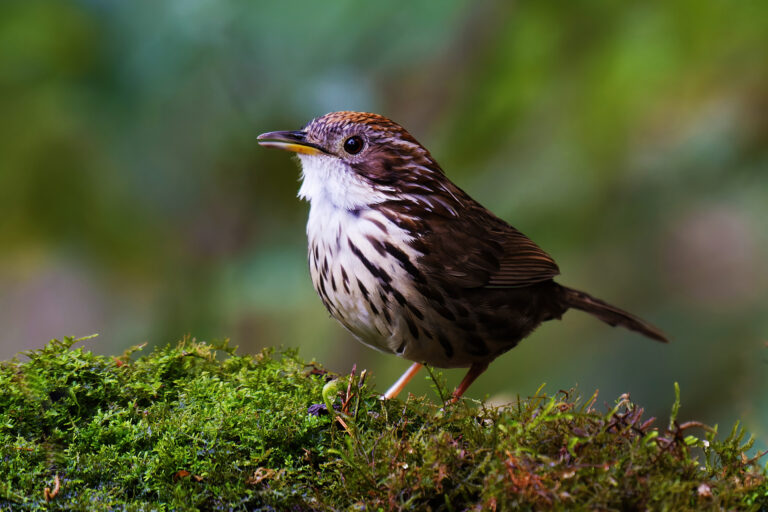
Featured image: licensed image via Wikimedia Commons. Credit: Shiv's fotografia. License: CC BY 4.0. Used with attribution.
