
Understanding Bird Migration Timing: A Regional and Seasonal Guide
For bird enthusiasts, knowing when migratory birds arrive is fundamental to successful birding. Migration is a complex, seasonal phenomenon driven by environmental cues, breeding cycles, and food availability. While migration patterns can vary by species and region, this guide offers a broad overview tailored to the UK, India, and other temperate and tropical regions. It provides practical insights into identifying migratory species and understanding their seasonal movements.
The Phenomenon of Bird Migration: Why Birds Move
Bird migration is one of nature’s most awe-inspiring spectacles, involving billions of birds traveling vast distances between their breeding and non-breeding grounds. This annual journey is primarily an evolutionary strategy to maximize reproductive success and survival. Birds migrate to exploit seasonal abundance of food, avoid harsh weather conditions, and find safe places to raise their young.
The timing of these movements is incredibly precise, honed over millennia, and triggered by a combination of internal biological clocks and external environmental cues such as changes in day length, temperature, and food availability.
For instance, many species that breed in temperate regions, like much of Europe and North America, migrate south to warmer climates during winter to escape freezing temperatures and scarcity of insects or seeds. Conversely, some species that breed in the Arctic might migrate to temperate zones for the winter. Understanding these underlying motivations helps birders anticipate arrivals and departures, making the observation experience more rewarding.
Migration in the UK and Europe: A Closer Look
Spring Migration: March to May – The Return of Summer Visitors
In the UK, spring migration typically begins as early as late February or March, with many species making their presence known by April. These early arrivals are often driven by an instinct to secure the best breeding territories. The first harbingers of spring are frequently insectivorous birds that benefit from the earliest emergence of insects.
Swallows (Hirundo rustica), house martins (Delichon urbicum), and sand martins (Riparia riparia) are among the earliest to return, often seen skimming over water bodies or perched on wires, having traveled thousands of miles from their wintering grounds in Africa. Their arrival is a classic sign that warmer weather is on its way.
As April progresses, woodlands and gardens become alive with the songs of warblers. The common chiffchaff (Phylloscopus collybita) and willow warbler (Phylloscopus trochilus) are two such species, often arriving around the same time. While they may appear similar at first glance, their songs are distinct: the chiffchaff’s repetitive ‘chiff-chaff, chiff-chaff’ is unmistakable, while the willow warbler’s song is a melodious, descending whistle.
Learning these vocalizations is often the easiest way to differentiate them without a clear view. Other notable arrivals include the cuckoo (Cuculus canorus), whose iconic call signals its return, and various tern species to coastal areas.
Practical Example: To spot early spring migrants, visit local wetlands or open fields in late March. Look for sand martins darting over water, often the first of the hirundines to appear. Listen for the distinct ‘chiff-chaff’ call in budding woodlands. A good pair of binoculars (e.g., 8×42 or 10×42) is essential for observing these fast-moving birds.
Autumn Migration: August to November – The Journey South
Autumn marks the return journey for many species, with migration peaking from late August through October. This period is characterized by a gradual build-up of birds as they prepare for their long flights south. Swallows and martins, having raised their young, gather in large roosts, sometimes numbering in the thousands, before heading to Africa. These spectacular gatherings can be observed in the late afternoon or evening, often around reed beds or large buildings.
Raptors, such as honey buzzards (Pernis apivorus) and kestrels (Falco tinnunculus), also migrate through, sometimes visible soaring high in the sky, using thermals to conserve energy. Observing their distinctive silhouettes and flight styles is key to identification. Waders and waterfowl, having bred further north, begin to arrive on UK coasts and wetlands, seeking milder wintering grounds. Species like Brent geese (Branta bernicla) and various duck species become common sights.
Identification Caution: During autumn, juvenile birds often have different plumage from adults, which can confuse identification. For instance, juvenile European Stonechats might lack the distinct black head of the adult male. Always consult a comprehensive field guide that shows different age and sex plumages. Pay attention to behavior; birds preparing for migration often feed voraciously to build up fat reserves.
Migration in India and Tropical Regions: Diverse Patterns
Monsoon and Winter Migration: A Symphony of Arrivals
India’s bird migration largely aligns with the monsoon season and the subsequent cooler months, offering a different set of migratory patterns compared to temperate zones. Many species arrive during the cooler winter months to escape the harsh winters of their breeding grounds further north. For example, in northern India, migratory waterfowl such as ducks, geese, and waders arrive around November, coinciding with the retreat of monsoon rains and the availability of abundant wetlands.
These include species like the Northern Pintail (Anas acuta), Common Teal (Anas crecca), and various sandpipers.
Conversely, some iconic species, like the Siberian crane (Grus leucogeranus), historically traveled thousands of kilometers from Siberia to winter in India, arriving between November and January, though their numbers have drastically declined due to habitat loss and hunting along their flyways. The Bharatpur Bird Sanctuary (Keoladeo National Park) in Rajasthan is a historically significant site for these winter visitors.
In tropical regions, migration can be less pronounced but still significant. While many species are year-round residents, others undertake long-distance migrations. The Amur falcon (Falco amurensis) is a remarkable example, traveling from Siberia and northern China, passing through India during specific months (typically October-November) on its way to southern Africa.
Recognizing these migrants often involves observing subtle differences in plumage and behavior, such as feeding in large flocks or frequenting particular habitats that are not typically used by resident species.
Field Observation Tip: In India, the best time to observe winter migrants is from November to March. Visit wetlands, lakes, and coastal areas. Early mornings are particularly productive. Look for mixed feeding flocks, as different species often forage together, increasing your chances of spotting a migrant among residents. For example, a group of resident egrets might be joined by migratory stints or plovers.
Practical Birding Tips for Tracking Migration
To effectively observe migratory birds, birders should familiarize themselves with regional migration calendars and habitat preferences. Early mornings and late afternoons are prime times for migration activity, as birds are often most active during these periods, either feeding intensely or undertaking short flights. Using binoculars and a reliable field guide enhances identification, especially for species with similar appearances.
Preparation is Key: Before heading out, check local birding forums or wildlife trust websites for recent sightings. This can give you an idea of what species are currently moving through your area. Dress in layers, as weather can change quickly, especially during transitional seasons. Bring water, snacks, and a notebook for recording observations.
Recording sighting data and participating in citizen science projects like eBird or the British Trust for Ornithology’s (BTO) Garden BirdWatch can help track migration patterns over time. These platforms allow you to contribute valuable data to scientific research, helping conservation efforts and providing real-time insights into bird movements. When taking photos, always do so responsibly, ensuring species identification is accurate and images are properly licensed, and, crucially, without disturbing the birds.
Regional Variations and Factors Influencing Migration Timing
Migration timing can vary significantly based on climate, geography, and species-specific behaviors. For example, coastal areas often see earlier arrivals or different species compositions due to favorable conditions, such as abundant food resources or serving as natural stopover points. Inland regions may experience delayed migration or different migratory routes. Mountain ranges, large bodies of water, and prevailing winds can all influence the exact timing and path of migration.
Climate change is also profoundly impacting traditional migration schedules, leading to earlier arrivals, prolonged stays, or even shifts in migratory routes for some species. For instance, milder winters in some regions might mean that some short-distance migrants do not travel as far south as they once did. These shifts can have cascading ecological effects, potentially leading to mismatches between bird arrival and the availability of their food sources (e.g., insect emergence or plant fruiting).
Consulting local field guides, birding groups, and wildlife agencies can provide tailored information for specific regions. For instance, the RSPB (Royal Society for the Protection of Birds) in the UK or the Bombay Natural History Society (BNHS) in India offer invaluable resources and updates on migration trends, local birding hotspots, and citizen science opportunities. Many national parks and wildlife sanctuaries also publish annual migration reports or maintain online sighting logs.
Advanced Tips for Observing Migration
- Nocturnal Migration: Many small passerines migrate at night to avoid predators and take advantage of cooler, calmer air. While difficult to observe directly, you can sometimes hear their calls overhead on clear nights, especially during peak migration. Specialized equipment like nocturnal flight call recorders can even capture these sounds.
- Fallout Events: Occasionally, adverse weather conditions (e.g., strong headwinds, fog, or heavy rain) can force large numbers of migrating birds to land simultaneously in an unexpected location. These ‘fallouts’ offer incredible birding opportunities, with exhausted birds often easy to observe. Keep an eye on weather forecasts during migration seasons.
- Habitat Specificity: Different migrants prefer different habitats. Waders will be found on mudflats and estuaries, warblers in woodlands and scrub, and raptors often soaring over open country or coastlines. Knowing a bird’s preferred habitat will significantly improve your chances of finding it.
FAQs: Your Migration Questions Answered
1. How can I tell if a bird is a migratory species?
Many migratory birds are distinguishable by their seasonal presence in a particular area – they appear for a few weeks or months and then disappear. They may also exhibit specific behaviors such as flocking in large numbers, particularly before departure, or singing during their breeding season. Learning species-specific migration timings through regional guides and local birding communities is the most reliable way.
For example, seeing a swallow in the UK in July means it’s likely breeding there, but seeing large numbers gathering on wires in September indicates they are preparing to migrate.
2. Are there particular times of day when migration is most visible?
Migration activity is often most noticeable during dawn and dusk. Many birds undertake short, local movements at these times, moving between roosting and feeding grounds. Long-distance migrants often depart at dusk and fly through the night, or they may arrive at their destination at dawn. Peak visible migration (birds actively moving overhead) can also occur during specific weather conditions, such as after a cold front has passed, bringing clear skies and favorable tailwinds.
Raptors often migrate during the middle of the day, utilizing thermals (rising columns of warm air) to gain altitude with minimal effort.
3. How might climate change affect migration timing?
Climate change is already causing significant shifts in migration schedules. Many species are observed to be arriving earlier at their breeding grounds in spring, or delaying their departure from wintering grounds. This is often linked to warmer temperatures causing earlier insect emergence or plant blooming. These shifts can lead to ‘trophic mismatches,’ where birds arrive to find their primary food sources are no longer available in peak abundance, potentially impacting breeding success and population health.
Monitoring these changes is crucial for understanding broader ecological impacts and informing conservation strategies.
4. What is a ‘flyway’ and why is it important?
A ‘flyway’ is a major migratory route used by a large number of bird species. These routes often span continents and are critical for the survival of migratory birds, connecting their breeding, stopover, and wintering sites. Flyways are important because they represent interconnected habitats that must be conserved across national borders. Protecting key stopover sites, where birds rest and refuel, is just as vital as protecting their breeding and wintering grounds.
Examples include the East Atlantic Flyway, used by millions of birds migrating between Arctic breeding grounds and African wintering grounds, and the Central Asian Flyway, which passes through India.
5. What can I do to help migratory birds?
There are several ways to support migratory birds. In your garden, provide native plants that offer food (berries, seeds, nectar) and shelter. Reduce pesticide use, as it depletes insect populations, a vital food source. Keep cats indoors, especially during migration seasons. Participate in citizen science projects like eBird to contribute data on bird movements. Support conservation organizations working to protect critical habitats along flyways.
Reducing light pollution can also help, as artificial lights can disorient nocturnal migrants.
Sources and Further Reading
- Cornell Lab of Ornithology / eBird
- Audubon Society
- RSPB (Royal Society for the Protection of Birds)
- Bombay Natural History Society (BNHS)
- British Trust for Ornithology (BTO)
- Local wildlife agencies and field guides specific to your region (e.g., Collins Bird Guide for Europe, Birds of the Indian Subcontinent by Grimmett et al.)
Conclusion
Understanding the seasonal timing of bird migration enhances both the enjoyment and knowledge of birding. While regional differences exist, the core principles of migration—driven by environmental cues and species-specific behaviors—remain consistent. From the first swallows returning to the UK in spring to the arrival of waterfowl in India’s winter wetlands, each migration event is a testament to the resilience and adaptability of the avian world.
By observing migration patterns, practicing keen identification skills, and staying informed through reputable sources, beginner birders can deepen their appreciation of these remarkable natural events and contribute to their conservation. The journey of migratory birds is a continuous cycle, offering endless opportunities for discovery and connection with the natural world.
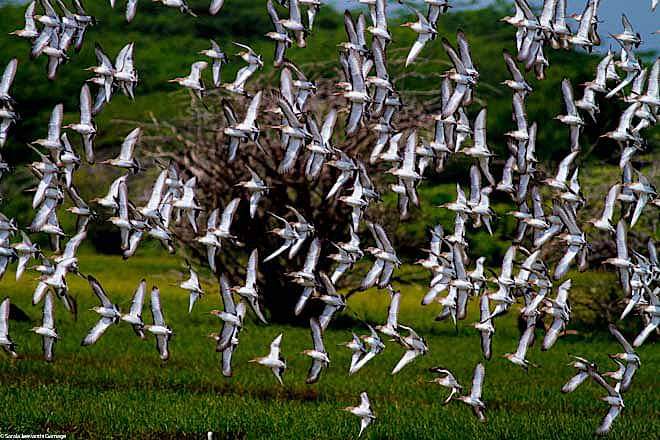
Featured image: licensed image via Wikimedia Commons. Credit: Sarala Gamage. License: CC BY-SA 4.0. Used with attribution.
