
Introduction: The Annual Spectacle of Spring Bird Migration
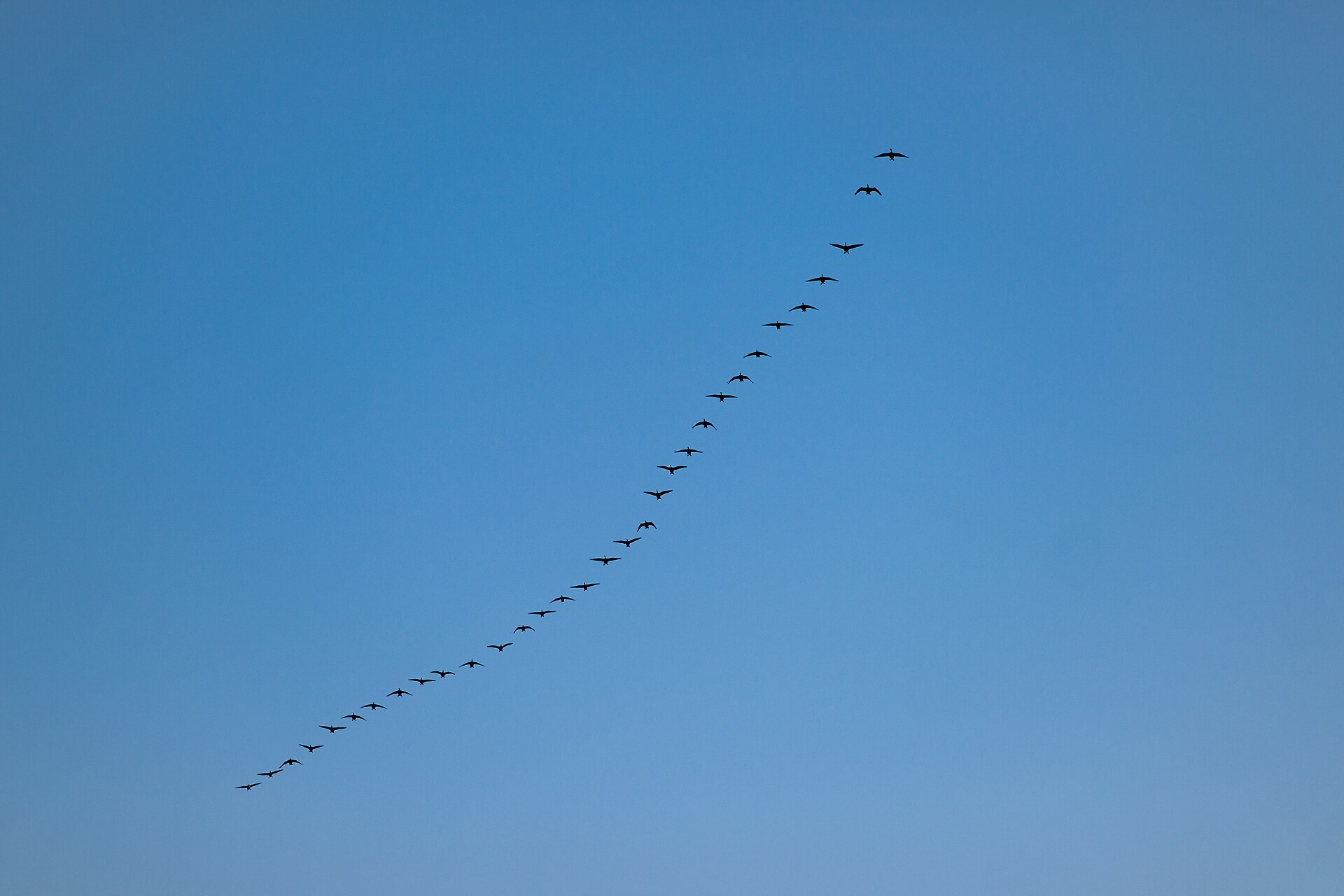
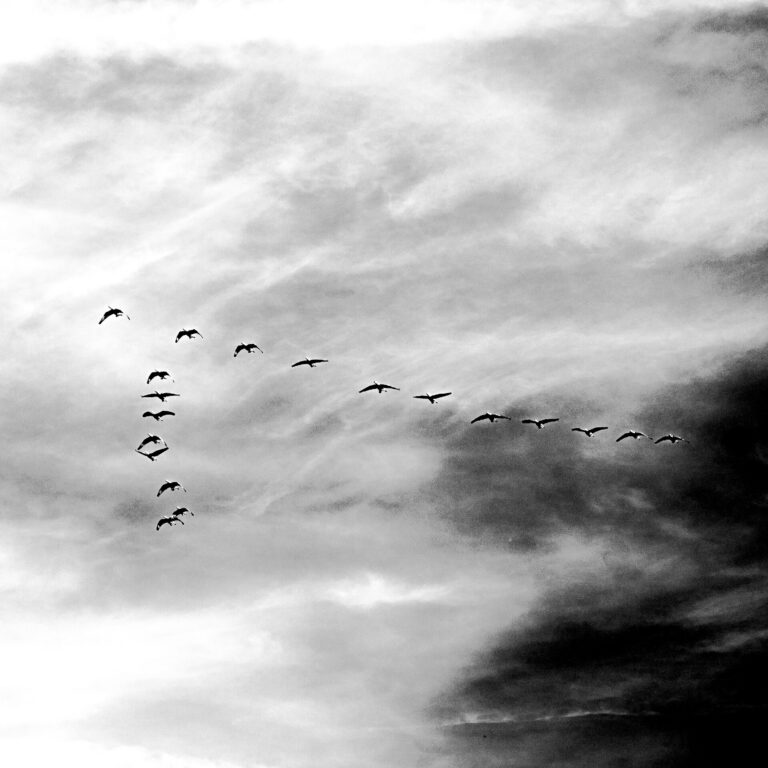
Spring is arguably the most anticipated season for bird enthusiasts worldwide. As the grip of winter loosens, a profound transformation sweeps across the natural world, heralded by lengthening days, warming temperatures, and new life. For birds, this period marks the start of their epic annual migrations from wintering grounds to breeding territories.
This influx of avian life brings an unparalleled vibrancy to our landscapes, offering both familiar and new species to observe. This guide equips you with the knowledge and practical advice needed to maximize your spring birding experience.
Understanding the Dynamics of Spring Migration and Regional Variations
Spring migration is one of nature’s most extraordinary spectacles, involving billions of birds traversing vast distances. These journeys are meticulously timed, influenced by factors such as photoperiod (day length), food availability, and weather. Birds migrate to exploit seasonal resource abundance, particularly insects, crucial for raising young. The timing and species involved depend heavily on your geographic location.
The Phased Arrival: Early, Mid, and Late Spring Migrants
Migration doesn’t happen all at once; it’s a staggered process. Early spring migrants, often hardy species like American Robins, Eastern Phoebes, and various blackbirds, arrive first, sometimes before the last snow melts. Their early arrival lets them establish prime breeding territories before the main rush.
As spring progresses into its mid-phase (typically April to early May in temperate zones), the diversity of migrants explodes. This period is often called the ‘warbler wave,’ as countless species of colorful wood warblers, along with vireos, thrushes, and flycatchers, move through. Their vibrant plumages and complex songs make them a delight for birders.
Late spring migrants, arriving in late May or early June, include species that breed further north or have longer migration routes. Understanding these phases helps birders anticipate which species they are likely to encounter.
The Importance of Habitat and Geography
Migration routes are often dictated by geographical features. Large bodies of water, mountain ranges, and coastlines can act as migratory corridors or barriers, concentrating birds in specific areas. Coastal regions along the Atlantic and Pacific flyways become critical stopover sites for shorebirds, while inland river valleys and large forest tracts serve as pathways for songbirds.
To track these changes, consult local resources. Websites like eBird provide real-time data on sightings. Local Audubon chapters, state wildlife agencies, and nature centers often publish seasonal reports or maintain hotlines alerting you to significant arrivals.
Key Regional Species to Watch for This Spring: Beyond the Obvious
While iconic species like the American Robin are ubiquitous, spring offers a chance to observe a much broader array of birds.
Early Arrivals and the First Signs of Breeding
Beyond the robin, look for other early harbingers of spring. The Eastern Phoebe, a small flycatcher, often returns before trees have fully leafed out, its distinctive ‘fee-bee’ call one of the earliest spring sounds. The Tree Swallow can be seen swooping over open fields and wetlands, often nesting in old woodpecker holes or nest boxes.
Breeding behaviors are powerful indicators of species presence. The sight of a male Northern Cardinal singing vigorously from a prominent perch is a clear declaration of territory. The drumming of a Downy Woodpecker or the aerial display of a male American Woodcock all signal that birds are establishing territories and preparing to nest.
The Peak of Migration: A Kaleidoscope of Diversity
As spring progresses, typically from late April through May, the diversity of avian life reaches its zenith. This is when the ‘warbler wave’ truly takes hold. Identifying these small, active birds can be challenging but rewarding. Pay close attention to key field marks: wing bars, eye rings or superciliary lines, breast streaking, and tail patterns.
For example, the Yellow-rumped Warbler is often one of the earliest and most common warblers, identifiable by its bright yellow rump patch. The Palm Warbler can often be seen wagging its tail as it forages on the ground. The American Redstart, with its flashy black and orange (male) or yellow (female) plumage, is another common mid-spring warbler. Be cautious, as many warblers, particularly females and immatures, look very similar; focus on a few key characteristics at a time.
Beyond warblers, look for vireos, which move deliberately through foliage and sing distinctive, burry songs. Thrushes, known for their ethereal, flute-like calls, also pass through; the Wood Thrush’s flute-like notes are unmistakable. Flycatchers, often identified by their upright posture and ‘sallying’ flights, also become more conspicuous, with vocalizations often the easiest way to tell similar species apart.
Regional Hotspots and Conservation Significance
Certain regions are globally recognized for their importance during migration. The Great Lakes region and the Gulf Coast of the United States are critical stopover points for millions of Neotropical migrants. Coastal areas are vital for shorebirds like Sanderlings and Dunlins, which rely on rich feeding grounds to fuel their journeys to Arctic breeding grounds. Wetlands, such as those managed by the U.S. Fish and Wildlife Service, provide essential habitat for waterfowl and wading birds.
Observing birds in these habitats is both a spectacular experience and a reminder of the importance of conservation. Participating in citizen science, such as submitting observations to eBird, directly contributes to research and conservation, helping scientists track population trends.
Practical Birding Tips for a Rewarding Spring Season
Successful spring birding involves more than knowing what to look for; it requires strategic planning and careful observation.
Timing and Weather: Your Best Allies
Bird activity is generally highest during the early morning, from dawn until about two to three hours after sunrise. On clear, calm mornings, sounds carry further and birds are often more visible. Overcast days with light winds can also be productive, as birds may remain active longer.
Rain can sometimes ground migrants, leading to ‘fallouts’ where large numbers of birds concentrate in unusual places, offering exceptional viewing opportunities. Always check the weather forecast and dress in layers, as spring weather can be fickle.
Mastering Field Identification Techniques
Effective identification relies on a combination of visual and auditory cues. When you spot a bird, build a mental checklist:
- Size and Shape: Is it sparrow-sized, robin-sized, or larger? What is its overall body shape? Does it have a long tail or a stout body?
- Plumage Patterns: Look for distinct colors, streaks, spots, or bars. Note the color of the head, back, wings, and underside. Are there wing bars or an eye-ring?
- Bill Shape: Is the bill thin and pointed (insectivore), thick and conical (seed-eater), hooked (raptor), or flat (duck)?
- Behavior: How does it move? Does it hop, walk, or run? Does it pump its tail or flick its wings? Does it forage on the ground, in trees, or in water?
- Habitat: Is it in a dense forest, open field, marsh, or backyard? This can narrow down possibilities.
Listening to bird calls is equally important, especially for warblers and other canopy-dwelling species. Consider using apps like Merlin Bird ID, which can identify birds by sound. Many experienced birders identify more birds by ear than by sight.
Photography and Ethical Birding Practices
Photography can be a powerful tool for identification, allowing you to review details later. For active birds, a fast shutter speed (e.g., 1/1000th of a second or faster) is crucial to freeze motion. However, the welfare of the birds always comes first. Maintain a respectful distance; if a bird changes its behavior because of your presence, you are too close.
Avoid using playback excessively, as it can disrupt natural behaviors. Never disturb nests or nesting colonies, and always stay on designated trails. Ethical birding ensures our enjoyment does not come at the expense of the birds we cherish.
Exploring Diverse Habitats and Citizen Science
To maximize your sightings, explore a variety of habitats. Woodlands will yield warblers, vireos, and thrushes. Wetlands and marshes are excellent for waterfowl and wading birds. Open grasslands might host sparrows and meadowlarks. Even your own backyard, with native plantings, can attract migrants. Submitting observations to eBird helps scientists track migration patterns and population trends, turning your hobby into a meaningful contribution.
Additional Resources and Continuous Learning
The journey of a birder is one of continuous learning. Enhance your spring birding experience with a range of resources:
- Regional Field Guides: Invest in a good field guide specific to your area, such as those by Sibley, Peterson, or National Geographic.
- Birding Apps: Apps like Merlin Bird ID, Audubon Bird Guide, or iBird Pro offer identification assistance, sound libraries, and range maps.
- Local Birding Groups: Join a local Audubon chapter or birding club. Group outings are invaluable for learning from experienced birders.
- Online Resources: Websites like All About Birds (Cornell Lab of Ornithology), BirdGuides, and Xeno-canto (for bird sounds) are treasure troves of information.
- Bird Festivals and Workshops: Many regions host spring bird festivals or workshops focused on identification, photography, or specific groups like warblers.
Conclusion: Embracing the Wonders of Spring Birding
Spring is a season of renewal, hope, and unparalleled avian spectacle. By understanding migration patterns, honing your identification skills, and practicing ethical observation, birders of all levels can unlock a profound connection with the natural world. Remember to leverage local resources and participate in citizen science.
Every outing offers a chance for a new discovery. So grab your binoculars, step outside, and immerse yourself in the wonders of spring birding. Happy birding!
