
New Hampshire is home to a variety of bird species well-adapted to its diverse habitats. Among the most notable, the American Robin is recognized by its bright red belly and occasional foraging habits. The Downy and Hairy Woodpeckers, distinguished by their black and white plumage, are common in forested areas. The vibrant American Goldfinch, with its striking yellow body, is a frequent visitor to bird feeders. House Sparrows and Finches thrive in urban settings, while the intelligent American Crow and melodious Song Sparrow enhance the local soundscape. Not forgetting the Mourning Dove and Rock Pigeon, each contributing uniquely to the state's avian diversity. Exploring this variety reveals fascinating insights into their ecological roles.
American Robin
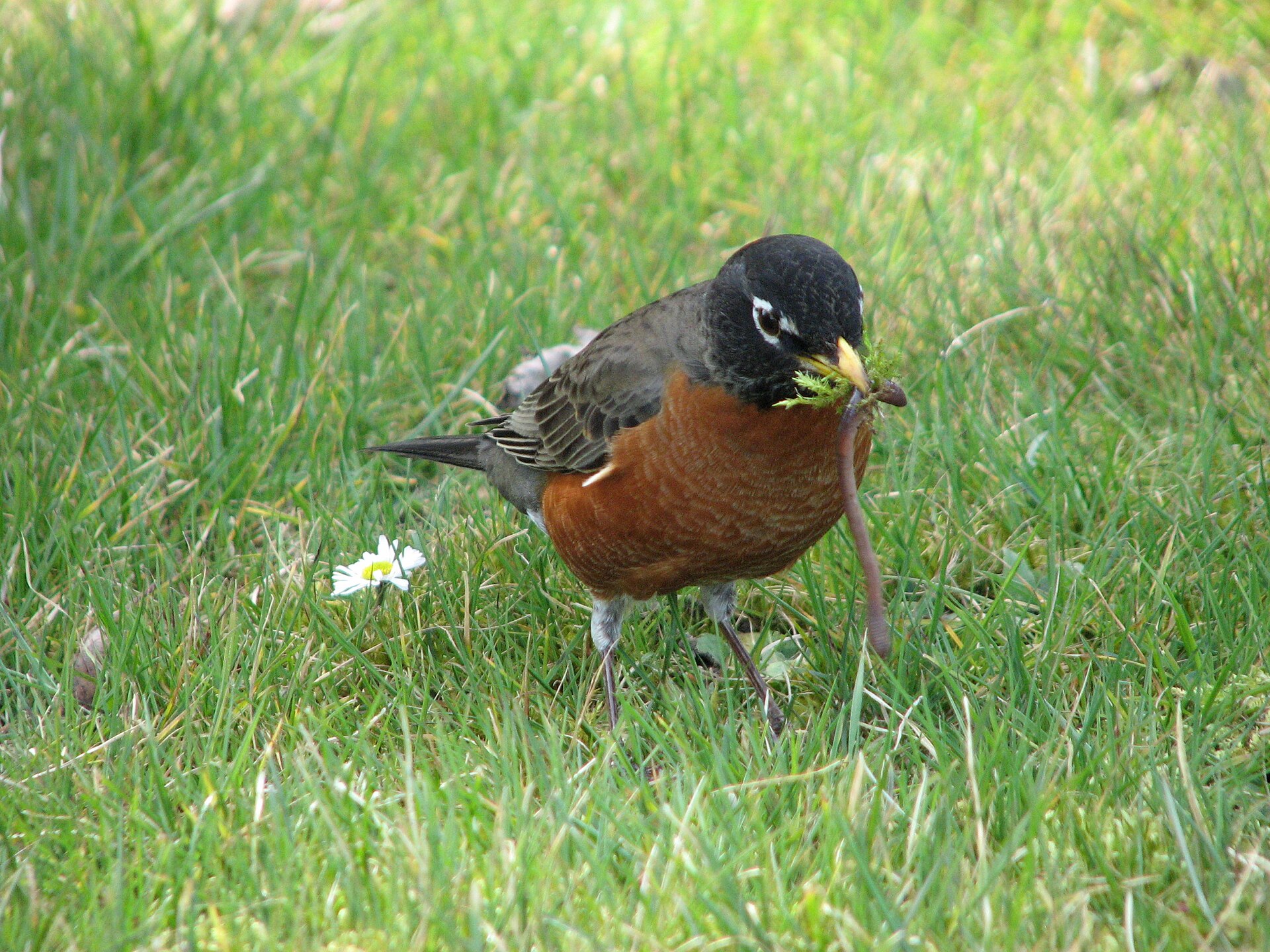
Photo by Steven Pavlov (CC BY-SA 4.0, via Wikimedia Commons)
Commonly spotted across various habitats in New Hampshire, the American Robin (Turdus migratorius) is distinguished by its bright red belly and yellow beak.
A quintessential backyard bird, this species thrives on a diet primarily composed of worms. Despite their ubiquity, they rarely visit bird feeders, preferring natural foraging.
With a modest wingspan and weight, they are a prominent and beloved sight statewide.
Downy Woodpecker
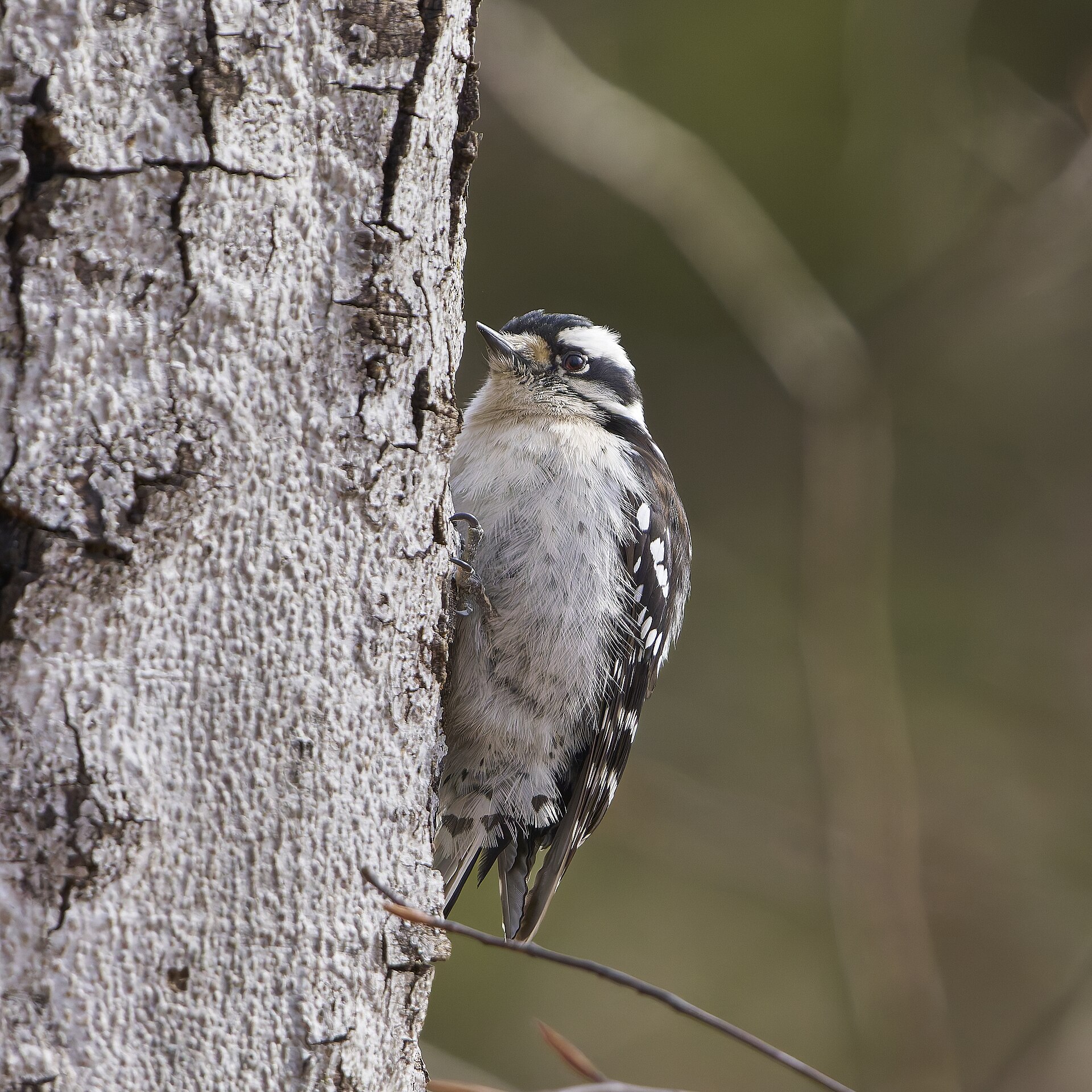
Photo by Paul Danese (CC BY-SA 4.0, via Wikimedia Commons)
The Downy Woodpecker, distinguishable by its short bill and striking black and white plumage, is a prevalent species across New Hampshire's diverse ecosystems.
This small woodpecker, with males showcasing a red spot on their heads, frequents backyard feeders, attracted to suet, sunflower seeds, and peanuts.
Their vocal presence and familiar black and white markings make them a beloved sight in both forests and suburban areas.
Hairy Woodpecker
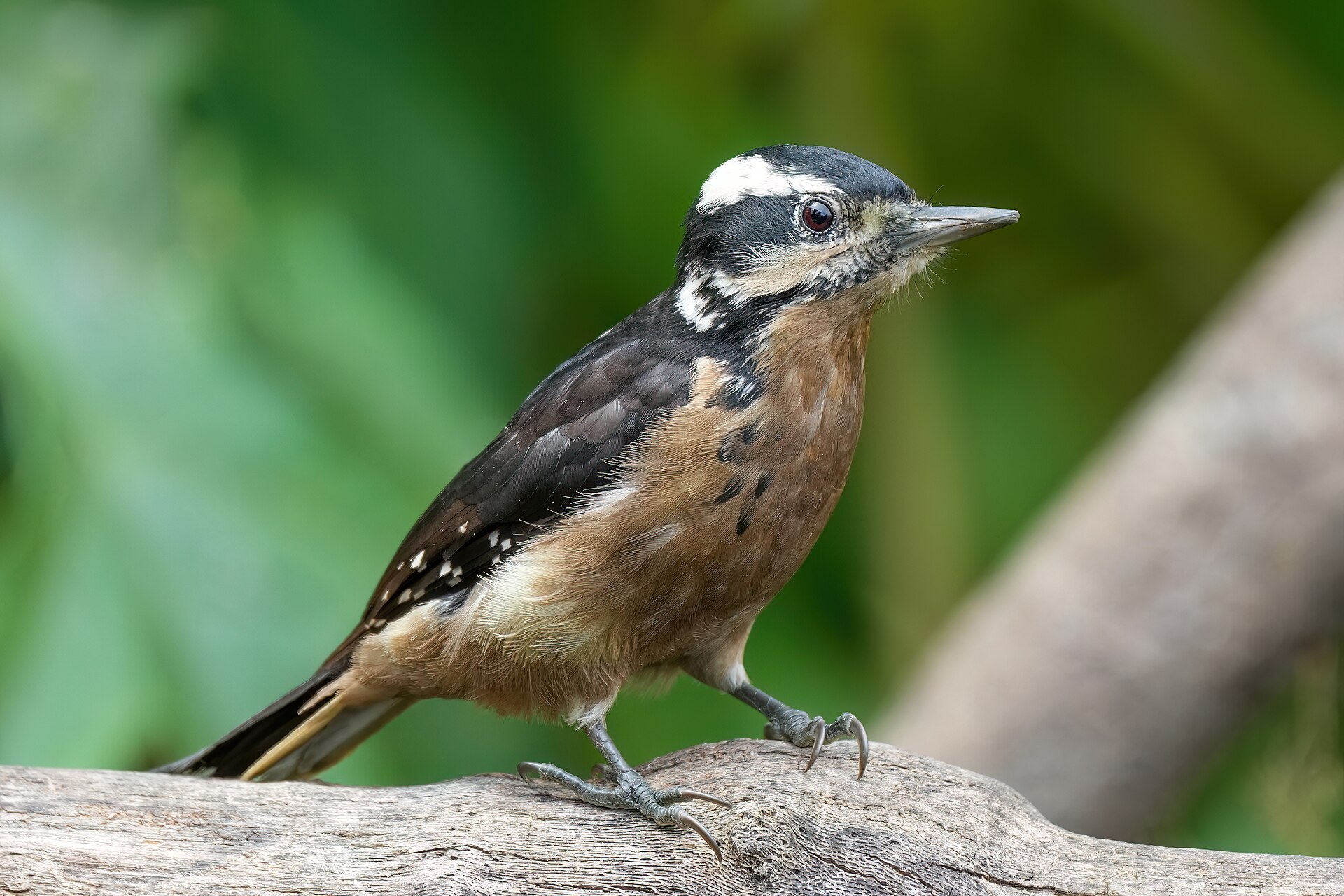
Photo by Giles Laurent (CC BY-SA 4.0, via Wikimedia Commons)
Similar to the Downy Woodpecker, the Hairy Woodpecker features a striking black and white body but is distinguished by its longer bill and larger size.
Males boast a red head patch, enhancing their visibility.
These woodpeckers are fond of suet and sunflower seeds, thriving in varied habitats where their distinct 'cuk-cuk-cuk-cuk-cuk' call resonates through mature forests.
American Goldfinch
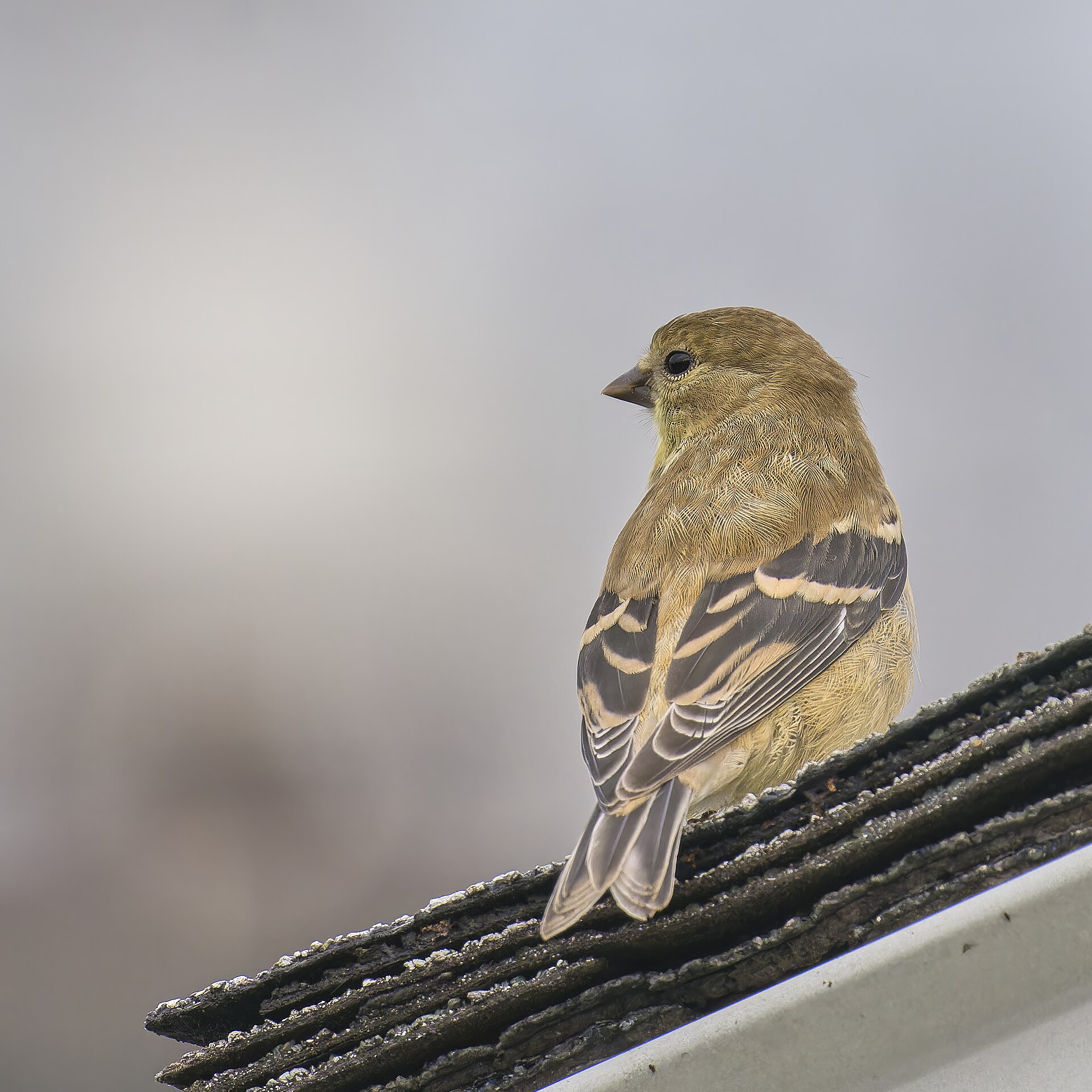
Photo by Paul Danese (CC BY-SA 4.0, via Wikimedia Commons)
Renowned for their striking yellow plumage, American Goldfinches (Spinus tristis) are small, vibrant birds frequently spotted in New Hampshire. Measuring just over 4 inches and weighing less than an ounce, these birds are easily recognizable by their black cap and wings.
They are particularly fond of sunflower and thistle seeds, making them a delightful sight at bird feeders throughout the state.
House Sparrow
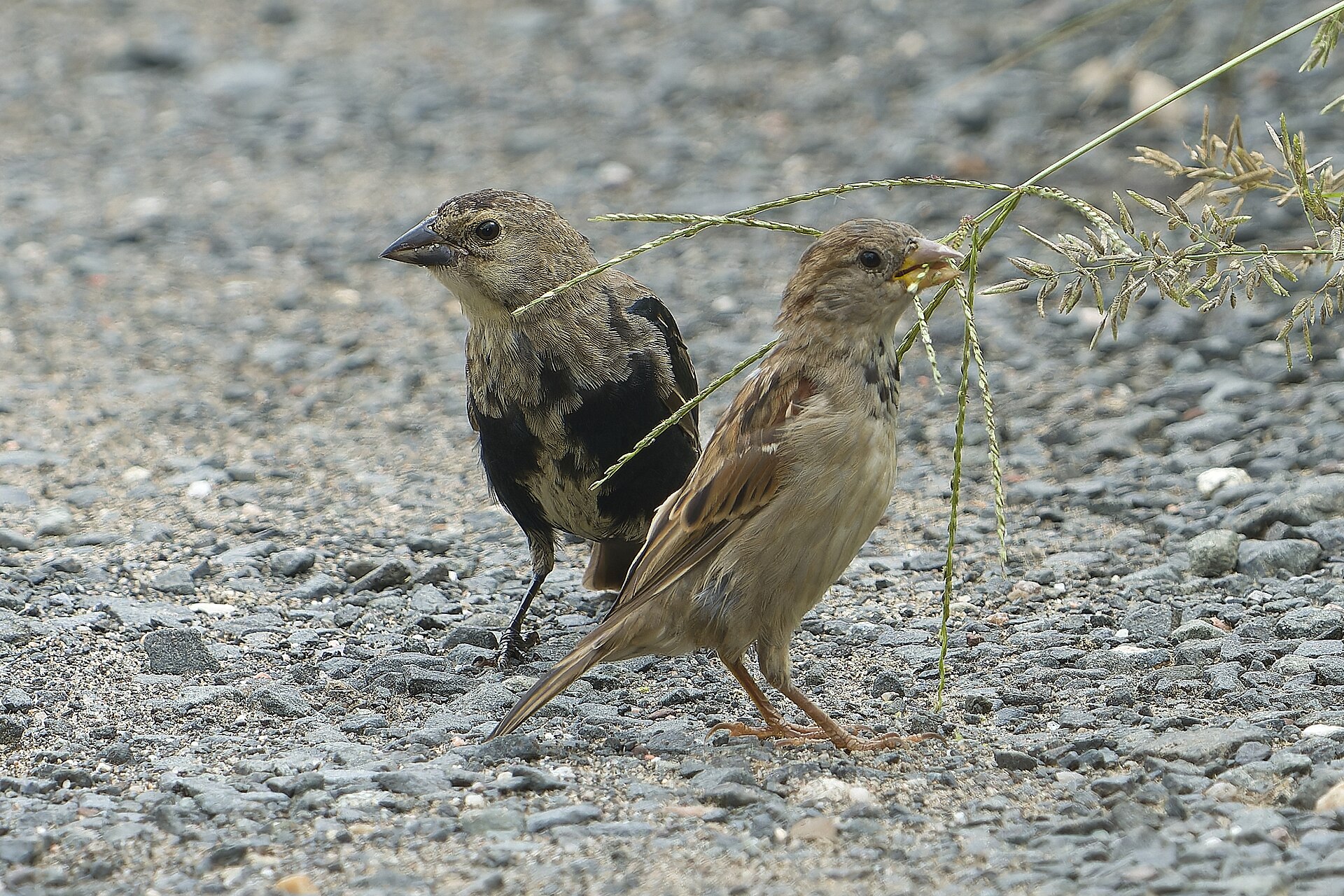
Photo by Wikimedia Commons contributor (CC BY-SA 4.0, via Wikimedia Commons)
Adapting seamlessly to human environments, House Sparrows in New Hampshire are distinguished by their gray crowns, black bibs, and white cheeks. These birds thrive in urban environments, often competing for nest cavities. Their diet mainly consists of grains.
Related species, such as the melodious Song Sparrows and distinctively marked White-crowned Sparrows, share similar habitats, highlighting the adaptability of this avian group.
House Finch
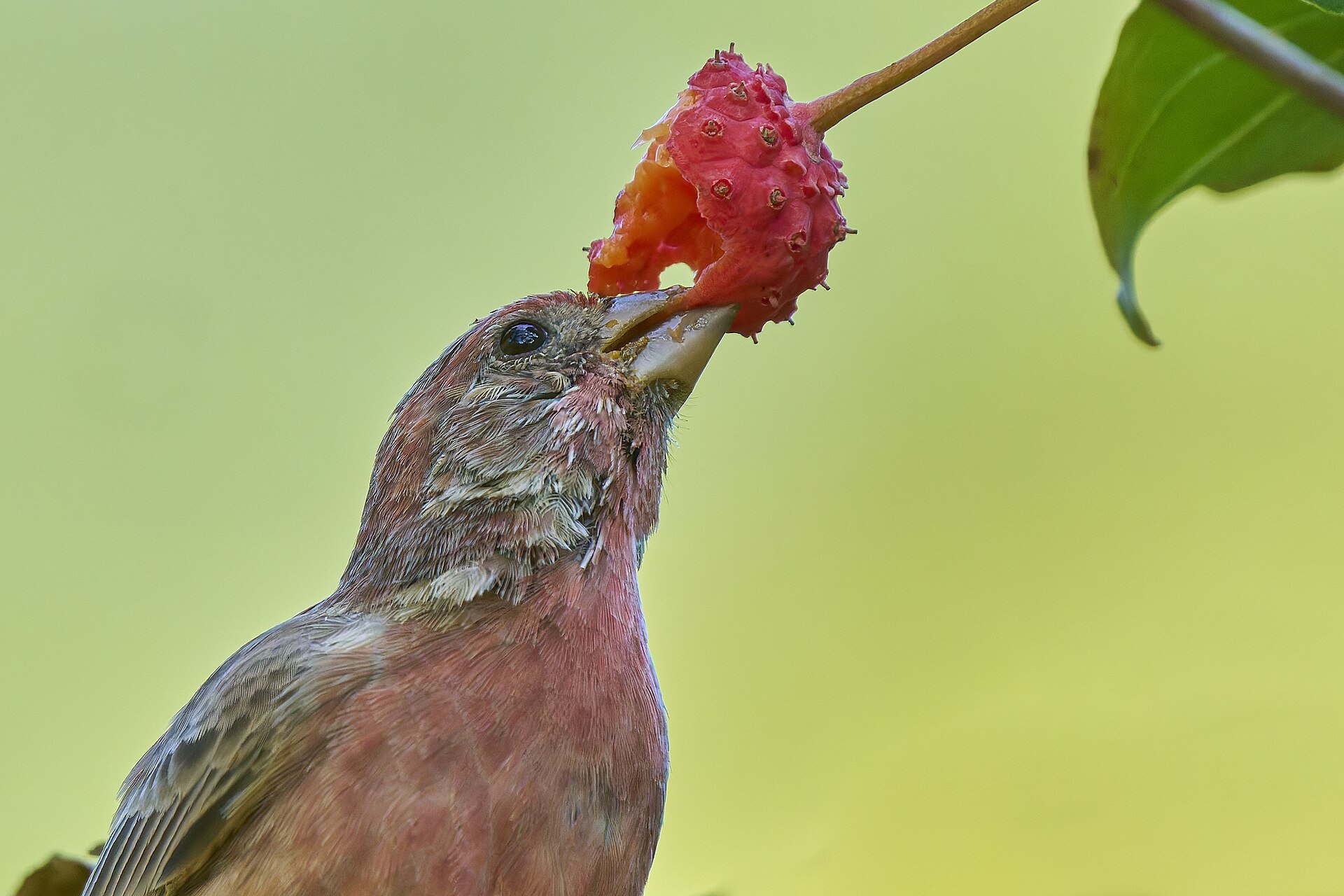
Photo by Paul Danese (CC BY-SA 4.0, via Wikimedia Commons)
House Finches, scientifically known as Haemorhous mexicanus, are frequently spotted in New Hampshire's urban and suburban areas, where their vibrant colors brighten the local bird population.
These small birds feature males with striking rosy red colors and brown females adorned with brown streaks on their backs, tails, and bellies.
Commonly seen near human settlements, they mainly feed on grains.
American Crow
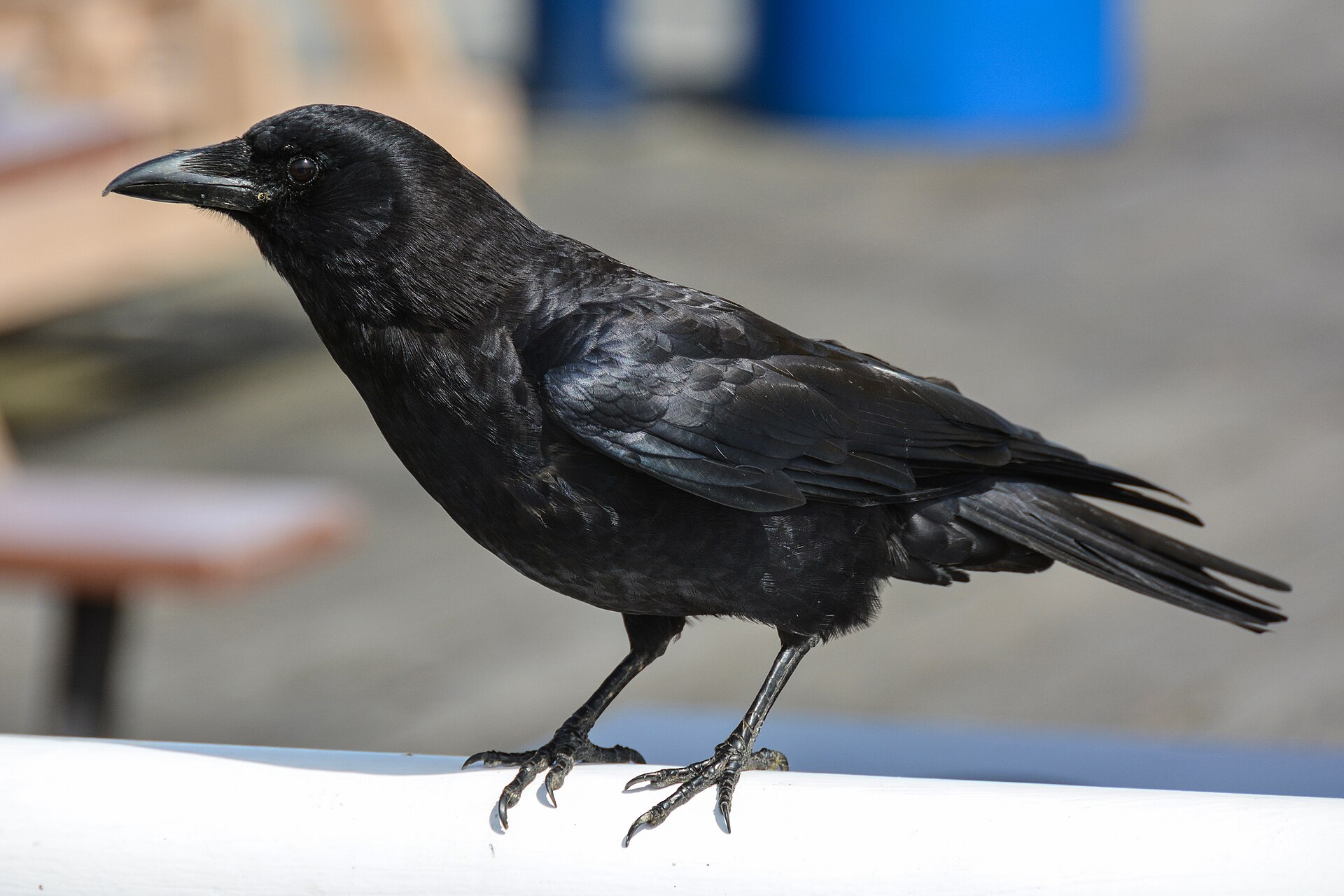
Photo by Gordon Leggett (CC BY-SA 4.0, via Wikimedia Commons)
The American Crow, a large, all-black bird, is recognized by its distinctive cawing call. Known for their intelligence, these birds are adept problem-solvers.
As opportunistic feeders, they consume a diverse diet including insects and carrion. Social in nature, American Crows are typically observed in groups, contributing greatly to ecosystems by controlling pests and scavenging, which helps in sanitation and nutrient cycling.
Song Sparrow
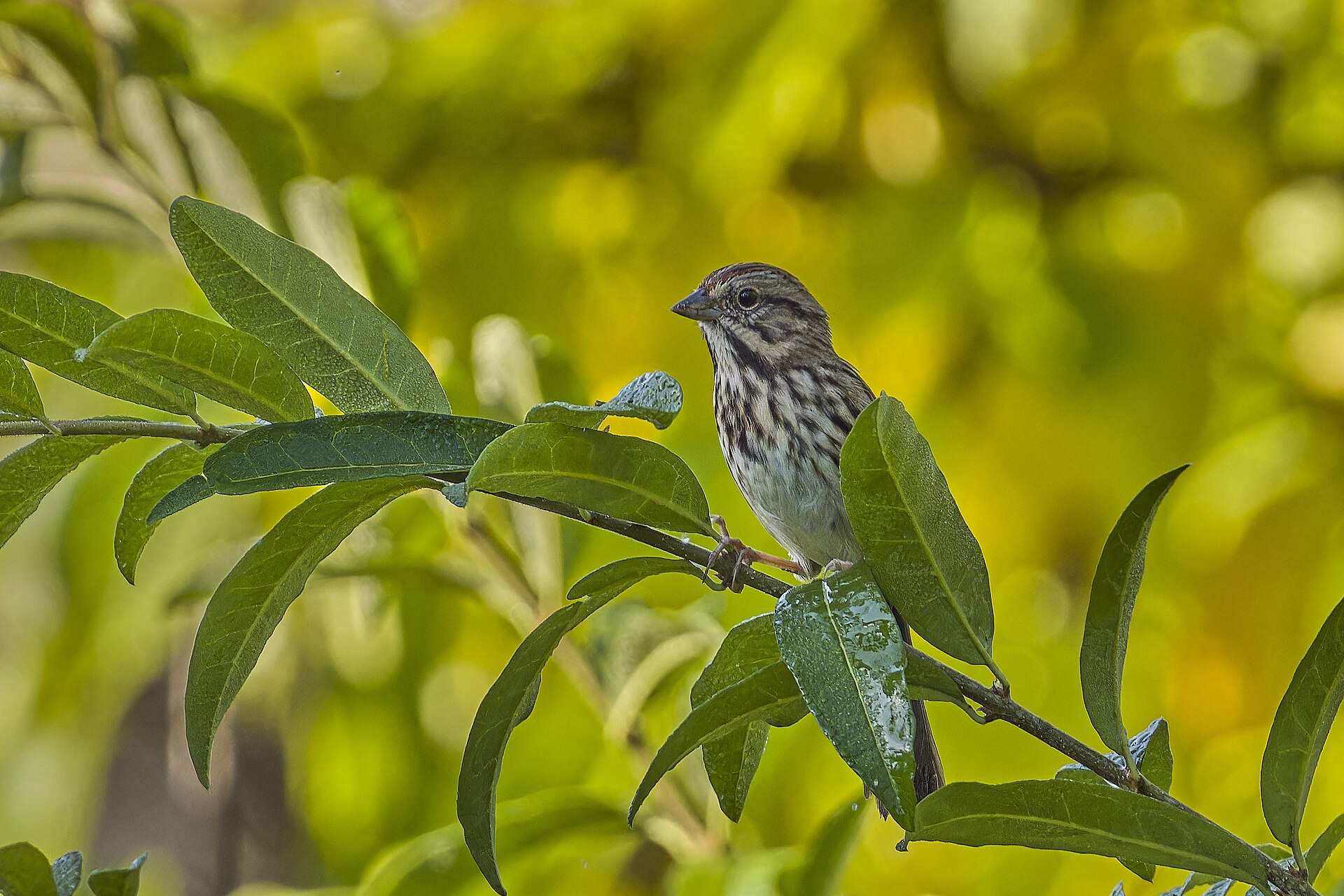
Photo by Paul Danese (CC BY-SA 4.0, via Wikimedia Commons)
From the social and intelligent American Crow, we now turn our attention to another avian resident of New Hampshire, the Song Sparrow, notable for its melodious voice and distinctive markings.
This small bird, with its brown coloring and heavy streaks on a white breast, frequents southern and central regions. Despite its modest size, with a wingspan of 7.1-9.4 inches, its melodious song enhances the local birding scene.
White-breasted Nuthatch
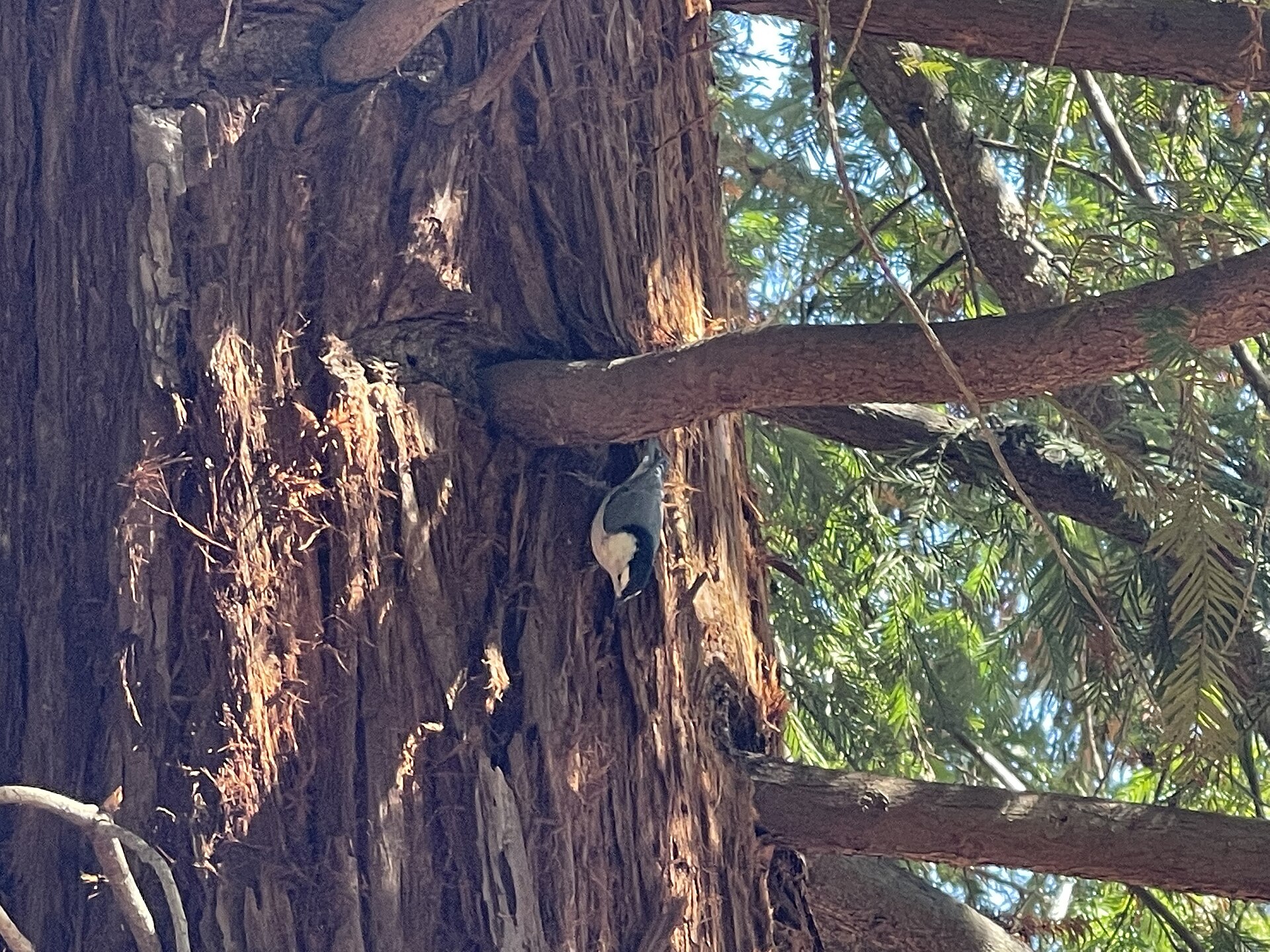
Photo by Missvain (CC BY 4.0, via Wikimedia Commons)
White-breasted Nuthatches, characterized by their black caps and white breasts, exhibit unique climbing behaviors as they navigate trees headfirst. These birds are known for their acrobatic antics, often seen hanging upside down on branches.
Common in New Hampshire's deciduous forests and urban parks, they frequent bird feeders, particularly in winter, preferring mixed seed blends. Their distinct nasal calls are a familiar sound to local birdwatchers.
Red-winged Blackbird
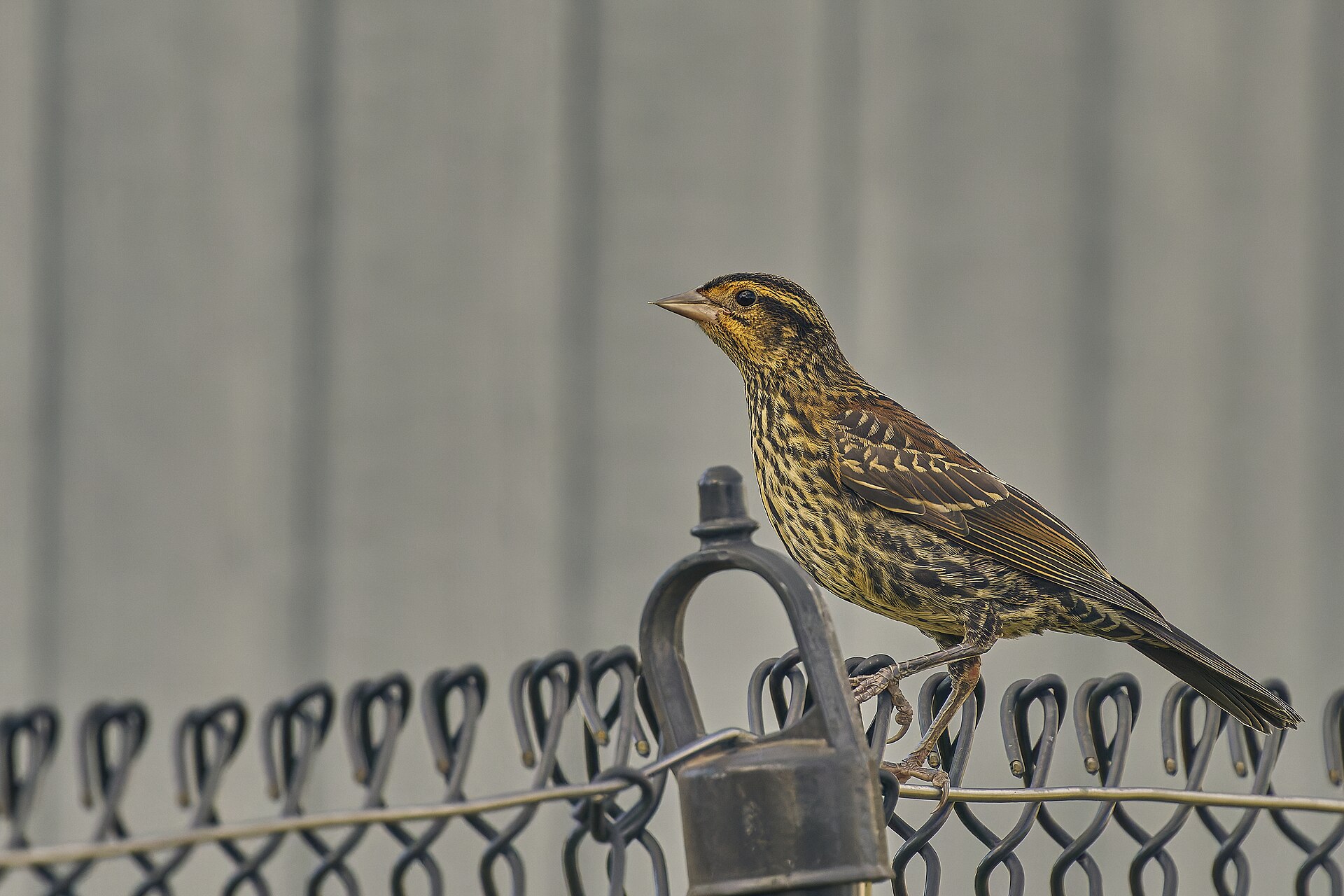
Photo by Paul Danese (CC BY-SA 4.0, via Wikimedia Commons)
Renowned for their striking red and yellow shoulder patches, Red-winged Blackbirds are a common sight in New Hampshire's marshes and wetlands. These birds are easily recognized by their vivid markings and distinctive conk-la-ree call.
During the breeding season, they become highly territorial, vigorously defending their nesting sites. Their diet includes seeds, insects, and grains, showcasing their adaptability to different environments.
European Starling
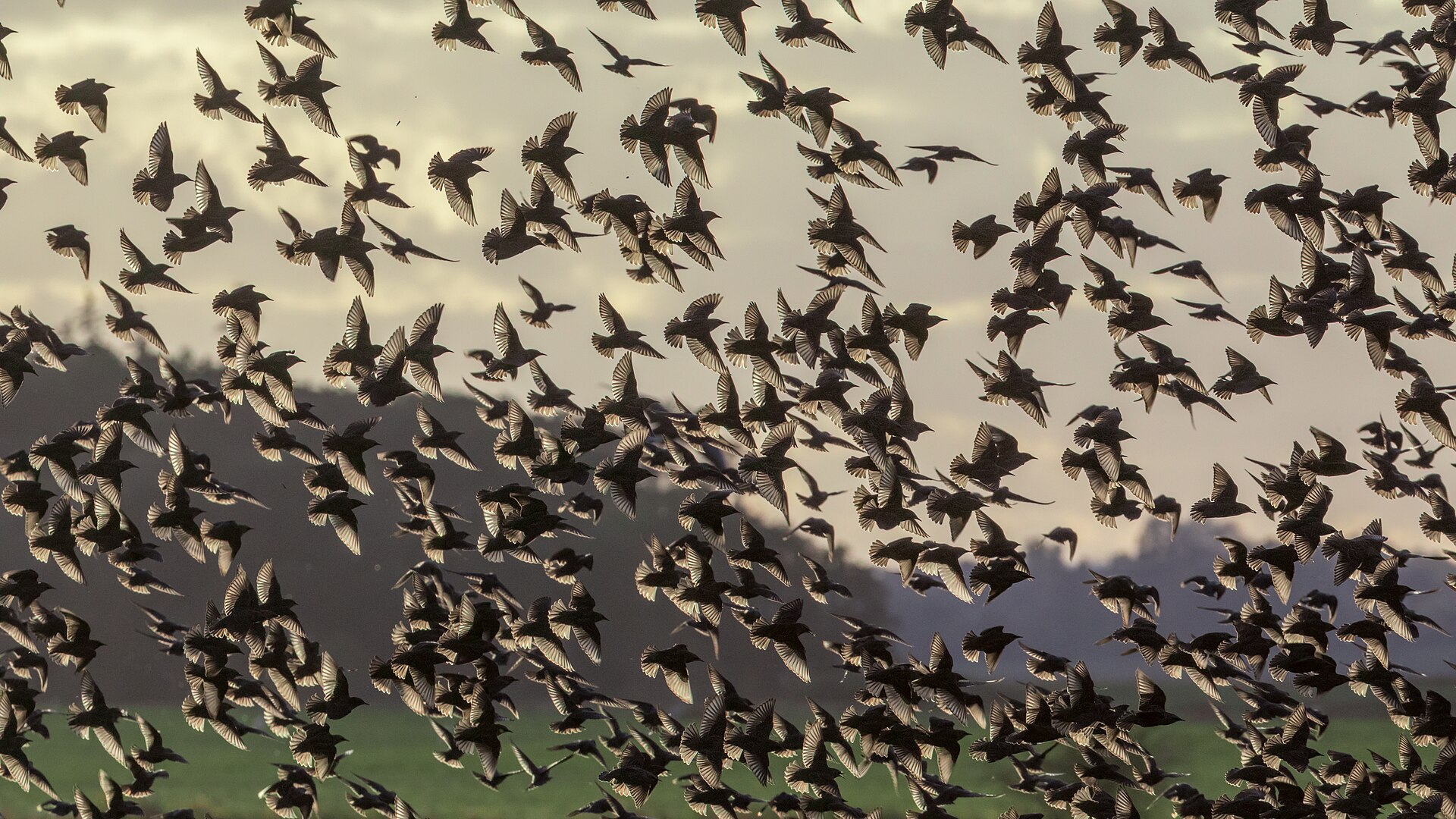
Photo by Andreas Weith (CC BY-SA 4.0, via Wikimedia Commons)
European Starlings, recognized by their shimmering dark plumage dotted with white specks and a distinct yellow beak, are an invasive species throughout the United States, including New Hampshire.
These birds, measuring between 7.9 to 9.1 inches in length, exhibit an aggressive nature towards other species.
Widespread across various environments, they adapt well but are not recommended for attraction due to their invasive and competitive behavior.
Brown-headed Cowbird

Brown-headed Cowbirds are known for their unique reproductive strategy as brood parasites. They lay their eggs in the nests of other bird species and do not raise their own young. Males of this species display glossy black bodies with a brown head.
This behavior poses threats to the biodiversity of local bird populations due to their reliance on other birds for offspring care.
House Wren
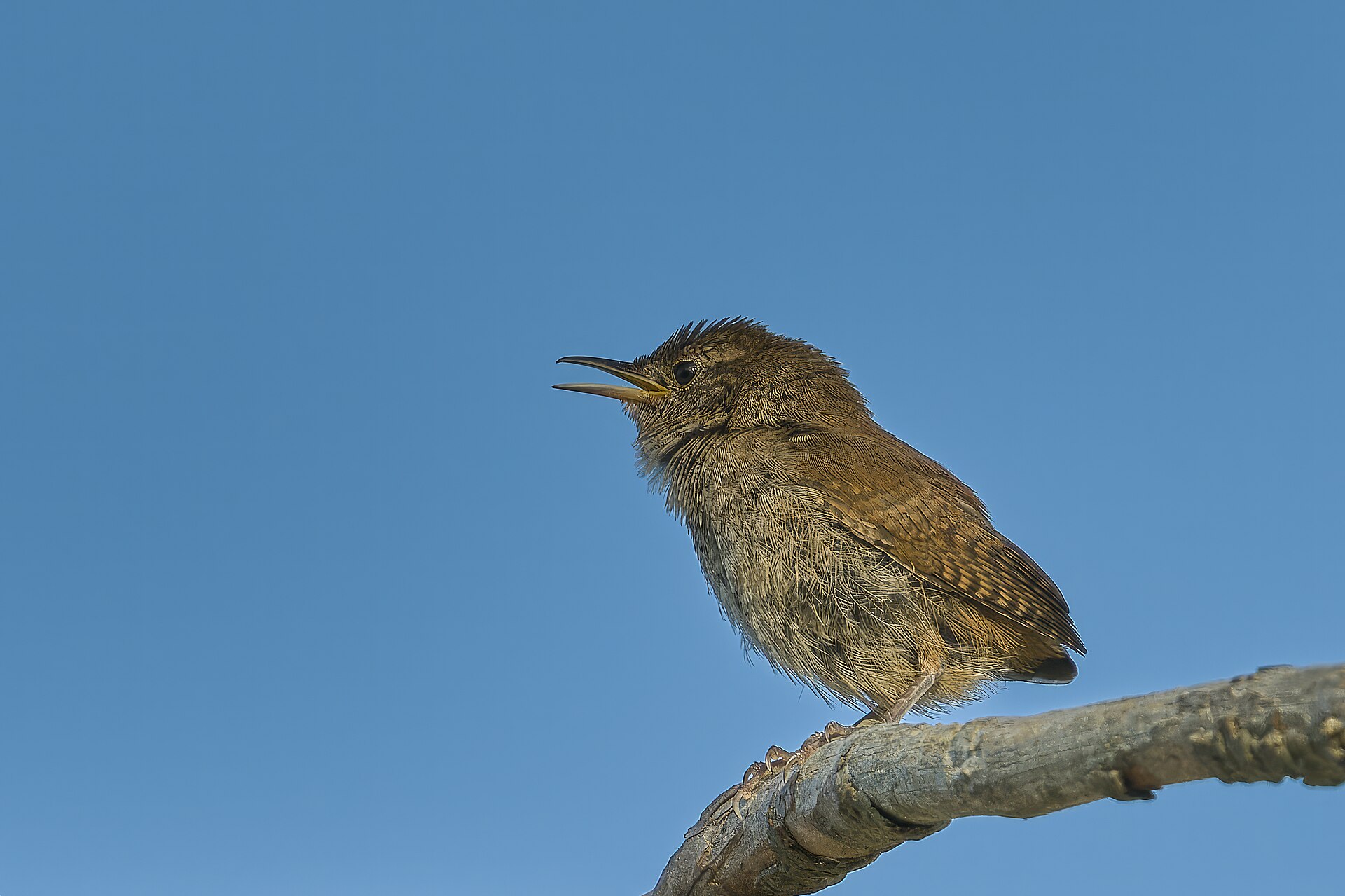
Photo by Paul Danese (CC BY-SA 4.0, via Wikimedia Commons)
In New Hampshire, the House Wren is a familiar sight, recognized by its small stature, brown body, and the vibrant songs it uses to mark its territory.
This small songbird captivates with its melodious songs. As insectivores, House Wrens feed on beetles, caterpillars, and spiders.
They build dome-shaped nests in cavities, thriving from late April until September.
Mourning Dove
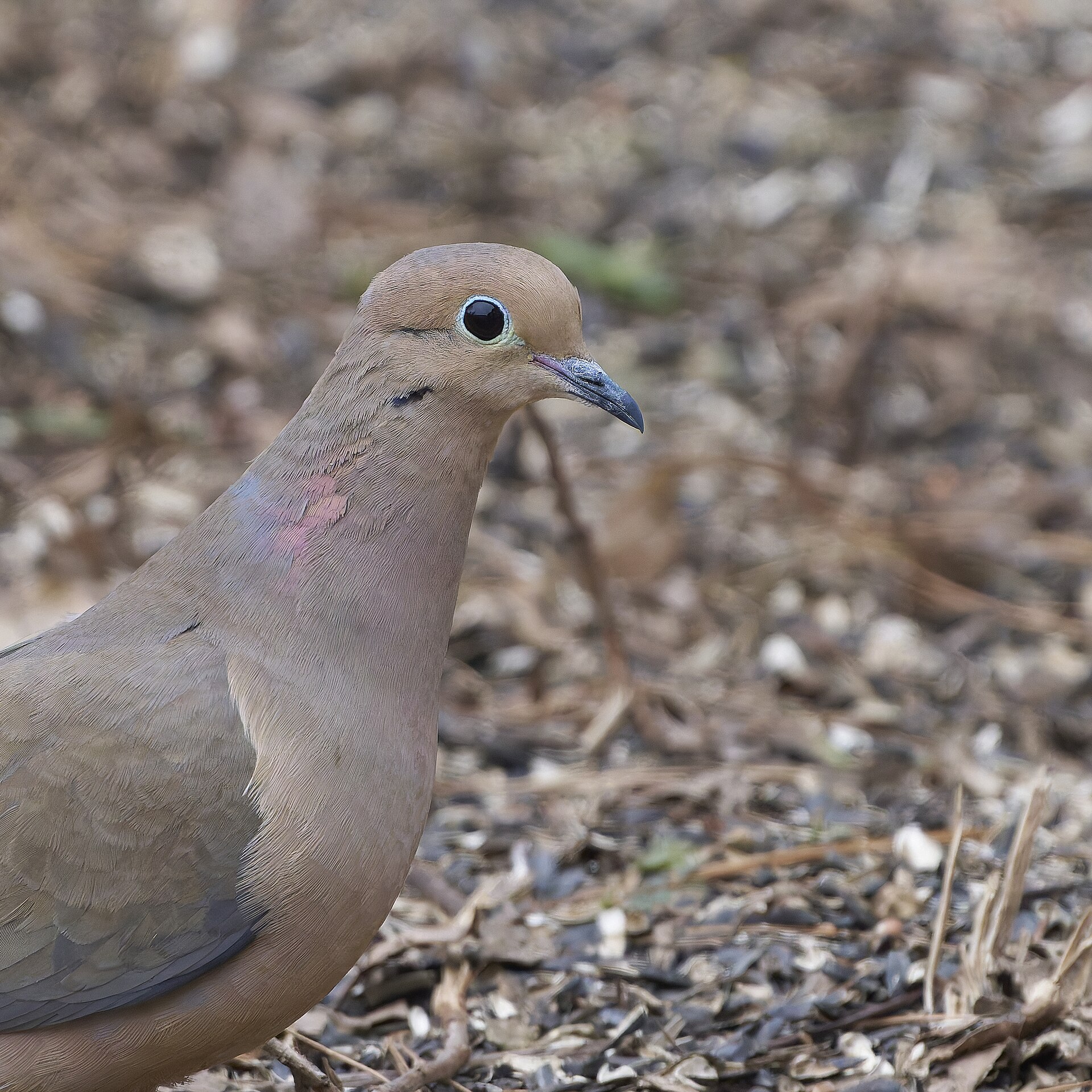
Photo by Paul Danese (CC BY-SA 4.0, via Wikimedia Commons)
From the lively songs of the House Wren, we shift our focus to another avian resident, the Mourning Dove, known for its soft cooing calls and presence throughout New Hampshire.
These common birds in New Hampshire are recognized by their muted gray-brown plumage and gentle demeanor.
As ground feeders, Mourning Doves frequently forage on the ground, preferring mixed seeds.
What Types of Birds Can Be Found In Both New Hampshire and New York?
New Hampshire and New York both boast a diverse range of wildlife, including numerous types of birds in New York. Some common species found in both states include the Eastern Bluebird, American Goldfinch, and the American Crow. Birdwatchers in both areas can enjoy observing a variety of avian species.
Rock Pigeon
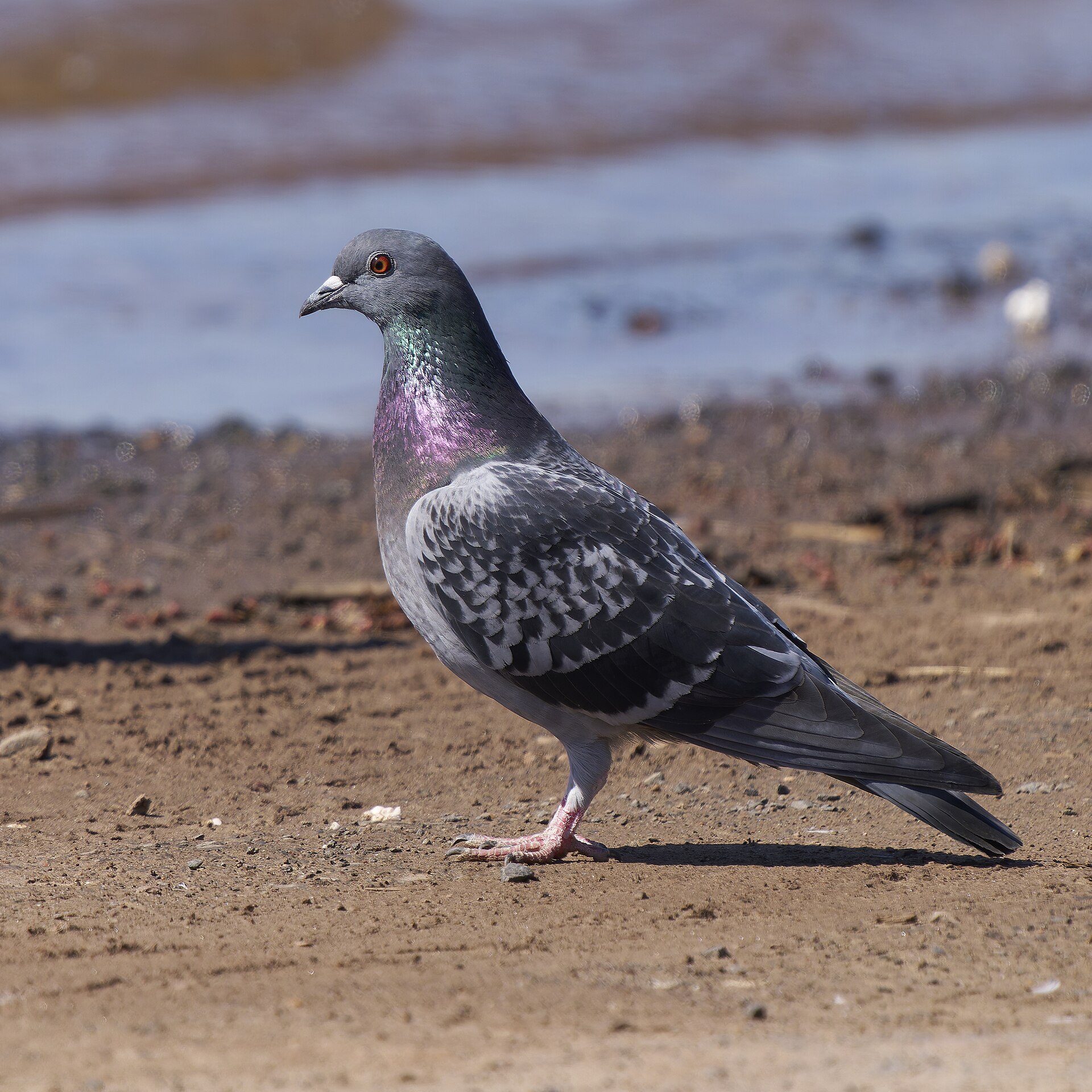
Photo by Paul Danese (CC BY-SA 4.0, via Wikimedia Commons)
Adapting seamlessly to urban environments, Rock Pigeons are a familiar sight throughout New Hampshire, displaying distinctive gray bodies and iridescent necks.
These birds, adept at foraging in urban locales, congregate in flocks to seek out seeds, grains, and food scraps.
Known for their cooing calls, Rock Pigeons thrive in diverse settings, from bustling cityscapes to serene cliffs, contributing to New Hampshire's avian diversity.
