
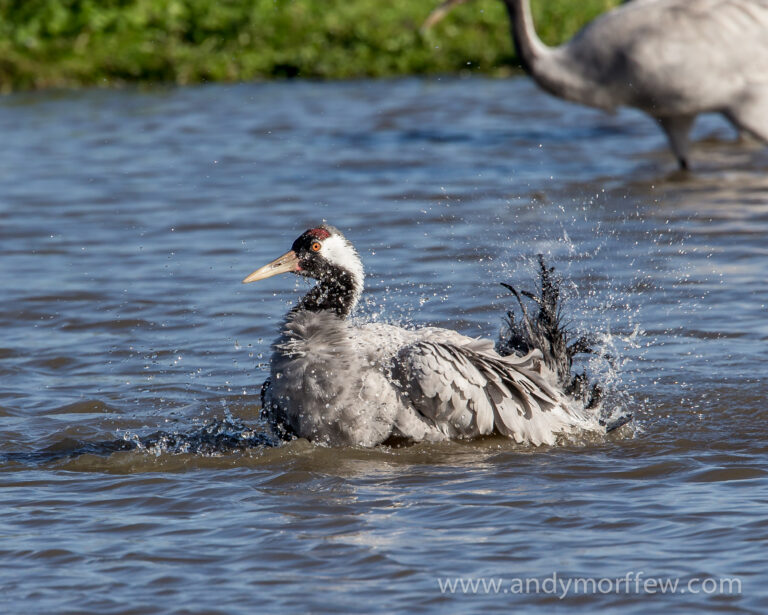
Introduction: The Enduring Allure of Cranes in Conservation
Cranes, with their majestic presence, intricate social behaviors, and often haunting calls, have captivated human imagination for millennia. These elegant birds are found across nearly every continent, inhabiting a diverse range of wetlands, grasslands, and agricultural fields. For birders, both novice and experienced, encountering a crane is often a memorable event, a testament to their striking beauty and often impressive size.
Beyond their aesthetic appeal, certain crane species have transcended their biological roles to become powerful, globally recognized symbols of conservation. Understanding why particular crane species have risen to this iconic status offers profound insights into the complex interplay between ecological vulnerability, cultural significance, and dedicated human effort in the realm of bird conservation.
This article delves into the fascinating world of cranes, exploring the unique characteristics that make them stand out, the historical and cultural contexts that have elevated them to symbolic importance, and the critical conservation challenges they face. We will examine practical aspects of identifying these magnificent birds in the field and discuss how birders can actively contribute to their protection.
By understanding the journey of these avian ambassadors, we gain a deeper appreciation for the intricate web of life and the urgent need to safeguard our planet’s biodiversity.
The Deep Roots of Cranes in Human Culture and Mythology
Long before the modern concept of conservation emerged, cranes held a revered place in human societies across the globe. Their long lifespans, graceful movements, and often monogamous pair bonds resonated deeply with human aspirations and beliefs. These cultural associations have played a pivotal role in galvanizing public support for their protection when their populations began to decline.
In many cultures, the crane’s ability to soar high into the sky and its association with water bodies have linked it to the heavens and the earth, making it a creature of both spiritual and natural significance. Its annual migrations, often covering vast distances, have also been interpreted as journeys of the soul or harbingers of seasonal change, further cementing its place in folklore and tradition.
East Asia: Symbols of Longevity, Peace, and Hope
In countries like Japan, China, and Korea, the crane (particularly the Red-crowned Crane, Grus japonensis) is an enduring symbol of longevity, good fortune, and fidelity. Its elegant posture and striking plumage have been immortalized in art, literature, and traditional crafts for centuries. The Japanese tradition of senbazuru, folding one thousand origami cranes, is a powerful act of hope and healing, famously associated with the story of Sadako Sasaki and the call for world peace.
This deep cultural reverence means that the plight of these birds often evokes a strong emotional response, making them ideal flagships for broader environmental campaigns. For example, in Japan, the Red-crowned Crane is a national treasure, and its image is ubiquitous, from currency to corporate logos, reinforcing its cultural importance.
In Chinese mythology, cranes are often depicted as companions to immortals and symbols of wisdom and nobility. The White Crane, in particular, is associated with spiritual enlightenment and purity. This deep-seated respect means that conservation messages resonate strongly with a populace that already holds the bird in high esteem. Similarly, in Korea, the crane symbolizes purity, peace, and prosperity, frequently appearing in traditional paintings and ceremonies.
Europe and North America: Harbingers of Change and Wilderness
While perhaps not as universally revered as in Asia, cranes in Western cultures have also held symbolic weight. In ancient Greece, cranes were associated with Apollo and represented vigilance and a good harvest. Their migratory patterns were observed and understood as indicators of seasonal shifts. In North America, species like the Sandhill Crane (Antigone canadensis) and the Whooping Crane (Grus americana) have become symbols of the continent’s wild spaces and the challenges of preserving them.
Their annual migrations are often celebrated events, connecting communities to the rhythms of nature, such as the famous ‘Crane Fest’ in Michigan or the ‘Festival of the Cranes’ in New Mexico, where thousands gather to witness their spectacular arrival.
The Whooping Crane, in particular, has become an emblem of the American wilderness and the nation’s commitment to protecting its most vulnerable species. Its recovery story, though ongoing, is a testament to dedicated conservation efforts and public engagement. For many, the sight and sound of a crane evoke a sense of wildness and a connection to ancient landscapes, making their protection a matter of preserving natural heritage.
These rich cultural narratives provide a powerful foundation for conservation efforts, transforming a biological species into a relatable emblem for environmental causes. When a bird is seen not just as an animal, but as a living representation of peace, longevity, or a pristine wilderness, the impetus to protect it becomes much stronger, garnering public and political will that might otherwise be difficult to achieve for less charismatic species.
Distinguishing Cranes: Key Identification Features for Birders
Before one can appreciate the conservation status of cranes, it’s essential to be able to identify them accurately in the field. Cranes belong to the family Gruidae, distinct from herons and storks, with which they are sometimes confused. While all are large, long-legged wading birds, cranes possess several unique characteristics that set them apart.
Accurate identification is not just for enjoyment; it’s a critical component of citizen science and conservation monitoring, as misidentification can lead to inaccurate data.
General Characteristics of Cranes:
- Size and Stature: Cranes are typically very large birds, standing taller than most other wading birds. They possess long legs and exceptionally long necks, often held straight during flight and while walking. The largest species, the Sarus Crane (Antigone antigone), can stand up to 5.9 feet (1.8 meters) tall, making it the world’s tallest flying bird.
- Plumage: Most crane species exhibit shades of gray, white, or brown, often with striking patterns of bare skin or colored feathers on their heads and necks. For example, the Red-crowned Crane has a distinctive patch of bare red skin on its crown, while the Whooping Crane is almost entirely white with black wingtips. The Wattled Crane (Bugeranus carunculatus) has prominent fleshy wattles hanging from its chin, a unique feature among cranes.
- Calls: One of the most distinctive features of cranes is their vocalizations. They possess a long trachea that coils within their sternum, acting as a resonating chamber. This allows them to produce loud, trumpeting, and often far-carrying calls, which are crucial for communication, especially during mating rituals and territorial defense. Each species has a unique call, which can be a primary identification tool. For instance, the Sandhill Crane’s call is a rattling, guttural trumpet, while the Whooping Crane’s is a more piercing, bugling sound.
- Flight Pattern: Unlike herons, which fly with their necks retracted in an ‘S’ shape, cranes fly with their necks fully extended. Their wingbeats are powerful, deliberate, and often appear slow and graceful. They often fly in V-formations or long lines during migration, a truly spectacular sight that can involve thousands of individuals.
- Habitat: Cranes are typically associated with wetlands, marshes, wet grasslands, and agricultural fields, where they forage for a diverse diet of grains, insects, small vertebrates, and plant matter. Their long legs allow them to wade into shallow waters, while their strong bills are used for probing the ground for food.
Practical Field Identification Tips:
When observing cranes in the field, a systematic approach to identification will yield the best results. Always carry a good field guide specific to your region and a pair of binoculars or a spotting scope.
- Observe Neck Position in Flight: This is a primary differentiator from herons. If the neck is extended, it’s likely a crane or a stork. If it’s tucked back, it’s a heron or a related species. This single field mark can immediately narrow down your options.
- Listen Carefully: Familiarize yourself with the calls of local crane species. A distant trumpeting call can often alert you to their presence long before you see them. For example, in North America, the distinctive ‘gar-oo-oo’ call of a Sandhill Crane is unmistakable. Recordings are readily available on platforms like eBird and Xeno-canto, which are excellent resources for learning vocalizations.
- Note Head and Neck Markings: Many species have distinctive bare patches of skin, feather patterns, or colors on their heads and upper necks. For instance, the Sandhill Crane has a red forehead, while the Common Crane (Grus grus) has a white stripe extending from its eye down its neck. The Black-necked Crane (Grus nigricollis) has a black head and neck, contrasting with its pale gray body. Pay close attention to these details, as they are often the most reliable visual cues.
- Consider Size and Overall Coloration: While some species are predominantly white (e.g., Whooping Crane, Siberian Crane), others are gray (e.g., Sandhill Crane, Common Crane), or a mix (e.g., Wattled Crane). The overall impression of color, combined with size, can help distinguish between similar-looking species, especially at a distance.
- Habitat Context: While not foolproof, knowing which crane species are typically found in your region’s habitats can narrow down possibilities. For example, if you are in a high-altitude wetland in the Himalayas, you might expect to see Black-necked Cranes. If you’re in the vast wetlands of the American Midwest, Sandhill Cranes are a common sight.
- Avoid Confusion with Storks: While storks also fly with extended necks, they generally have heavier, often dagger-like bills and often lack the intricate head patterns or trumpeting calls of cranes. Storks also tend to be more solitary or in smaller groups compared to the large flocks often formed by cranes, especially during migration. Their foraging behavior can also differ, with storks often seen stalking prey in shallow water, while cranes may also graze in fields.
Identification Caution: Always use multiple field marks for identification. Lighting conditions, distance, and the bird’s posture can all affect how it appears. A bird seen against the sun might appear as a silhouette, making color patterns impossible to discern. In such cases, rely on shape, flight pattern, and especially vocalizations. When in doubt, consult a field guide or a local expert, or take a photograph to review later.
It’s better to be unsure than to misidentify and potentially report incorrect data.
The Path to Icon Status: Why Specific Cranes Become Conservation Symbols
Not all of the world’s 15 crane species have achieved the same level of symbolic prominence in conservation. The elevation of certain species to iconic status is often a confluence of several critical factors, making them natural choices for rallying public support and resources for broader environmental causes. These ‘flagship’ species often represent the health of entire ecosystems.
1. Extreme Endangerment and Rarity:
Species teetering on the brink of extinction naturally draw significant attention. Their rarity makes their loss feel more imminent and their survival more precious. The Whooping Crane (Grus americana) is a prime example. Once numbering only 15 individuals in the wild in the 1940s, its dramatic decline made it a rallying cry for early wildlife conservation efforts in North America.
Its stark white plumage and impressive size made it an unmistakable symbol of endangered wilderness, compelling conservationists to act with urgency. The story of its near-extinction and ongoing recovery is one of the most celebrated in conservation history, inspiring generations of environmentalists.
Similarly, the Siberian Crane (Grus leucogeranus), with its pure white body and striking red face, is one of the most critically endangered cranes. Its long migratory routes, traversing multiple countries from the Arctic tundra to wetlands in China and India, highlight the need for international cooperation. This makes it a powerful symbol for cross-border conservation initiatives, demonstrating that environmental challenges often transcend political boundaries and require a global response.
2. High Cultural Significance:
As discussed, species already embedded in cultural narratives possess an inherent advantage. The Japanese or Red-crowned Crane (Grus japonensis) is a testament to this. Its beauty, grace, and association with longevity and good fortune in East Asian cultures made it a natural choice for conservation campaigns when its populations plummeted due to habitat loss and hunting. Protecting this bird was seen not just as an ecological imperative but as preserving a piece of cultural heritage.
The deep emotional connection people have with this bird translates directly into public support for conservation funding and policy. The cultural value adds a layer of urgency and personal relevance to its survival.
3. Aesthetic Appeal and Charisma:
While perhaps less scientific, the sheer beauty and charisma of certain species cannot be underestimated. Large, elegant birds with striking plumage and captivating displays naturally garner more public attention and sympathy than less visually impressive species. The Whooping Crane’s pristine white, the Red-crowned Crane’s vibrant red crown, and the Black-necked Crane’s (Grus nigricollis) unique high-altitude habitat all contribute to their iconic status, making them easier to ‘market’ as conservation flagships.
Their elaborate courtship dances, often involving bowing, leaping, and calling, are mesmerizing to watch and create a strong emotional connection with observers. This inherent charisma makes them ideal poster children for conservation campaigns, easily capturing the public’s imagination and empathy.
4. Flagship Species Potential:
Iconic cranes often serve as ‘flagship species.’ Protecting them requires safeguarding their habitats, which in turn benefits a multitude of other, less charismatic species that share the same ecosystem. This is known as the ‘umbrella effect.’ For example, efforts to conserve the Wattled Crane (Bugeranus carunculatus) in African wetlands protect entire wetland ecosystems, benefiting countless amphibians, fish, and other bird species, including smaller waders and waterfowl.
By focusing on a charismatic species like a crane, conservationists can secure funding and political will to protect large, biodiverse areas that might otherwise be overlooked. This makes them strategic choices for conservation investment, maximizing the impact of limited resources.
5. Observable and Relatable Threats:
The threats facing many crane species are often tangible and relatable: habitat destruction, particularly wetland drainage for agriculture or development; illegal hunting; and the impacts of climate change. When the cause of decline is clear, it’s easier to mobilize public support and direct conservation actions. For instance, the direct link between the draining of wetlands for development and the decline of crane populations is easy for the public to understand.
This clarity allows for targeted advocacy and public awareness campaigns, making their story a compelling call to action. The visible nature of these threats, such as a construction project encroaching on a crane habitat, can galvanize local communities to protest and demand protection.
Major Conservation Challenges and Inspiring Successes
The journey of crane conservation is a microcosm of broader global environmental challenges. Despite their symbolic power, cranes face immense pressures, primarily stemming from human activities. However, dedicated efforts have also yielded remarkable successes, offering hope and demonstrating the power of concerted conservation when science, policy, and public engagement align.
Primary Threats to Crane Populations:
- Habitat Loss and Degradation: This remains the single greatest threat across all crane species. Wetlands, vital for cranes’ feeding, breeding, and roosting, are among the most threatened ecosystems globally. Drainage for agriculture, urbanization, industrial development, and pollution directly destroy or degrade these critical habitats. For instance, the loss of vast wetland complexes in Asia, particularly along the Yangtze River basin, has severely impacted Siberian Crane populations, forcing them into smaller, more fragmented wintering grounds. The construction of dams and water diversion projects also alters natural hydrological regimes, making habitats unsuitable.
- Illegal Hunting and Poaching: Despite legal protections in most countries, some crane species are still hunted for food, sport, or the illegal wildlife trade, particularly along their migratory routes. This is a significant issue in parts of Central Asia and Africa, where enforcement can be challenging. Even accidental shooting can contribute to population declines, especially for critically endangered species with small numbers.
- Climate Change: Altered rainfall patterns, increased frequency of droughts or floods, and rising sea levels directly impact wetland availability and quality. Changes in temperature can also affect food sources, alter migration timings, and impact breeding success. For example, prolonged droughts can dry up crucial wetlands, forcing cranes to abandon traditional breeding or wintering sites, while extreme weather events can directly kill birds or destroy nests.
- Collisions with Power Lines: Large, long-necked birds like cranes are particularly vulnerable to collisions with power lines, especially during migration or in areas with poor visibility (e.g., fog, low light). Their large wingspan and relatively slow maneuverability make them susceptible. This is a significant cause of mortality in many regions, leading to calls for marking power lines or burying them in sensitive areas.
- Human Disturbance: Unregulated tourism, recreational activities (e.g., boating, off-road vehicles), and agricultural practices can disturb nesting sites and feeding grounds, leading to reduced breeding success or displacement from optimal habitats. Even seemingly benign activities, if conducted too close or too frequently, can cause chronic stress to birds, impacting their survival and reproductive output.
- Pesticide Use and Contamination: In agricultural landscapes, the widespread use of pesticides can directly poison cranes or reduce their insect and invertebrate food sources. Runoff from agricultural fields can also contaminate wetlands, impacting water quality and the health of the entire ecosystem.
Notable Conservation Successes and Strategies:
Despite these daunting challenges, the story of crane conservation is also one of resilience and triumph, thanks to innovative strategies and dedicated individuals and organizations. These successes provide models for broader conservation efforts.
- Captive Breeding and Reintroduction Programs: The Whooping Crane’s recovery is a prime example. Intensive captive breeding programs, primarily led by the International Crane Foundation (ICF) and the Patuxent Wildlife Research Center, coupled with innovative reintroduction techniques (including guiding young cranes with ultralight aircraft along new migratory routes to teach them historical flyways), have slowly but steadily increased their numbers from a perilous low of 15 individuals in the 1940s to over 800 today (both wild and captive). This demonstrates the power of direct intervention for critically endangered species.
- Habitat Protection and Restoration: Establishing protected areas, such as national parks, wildlife refuges, and Ramsar Sites (wetlands of international importance), is crucial. Restoration efforts, like re-wetting drained lands, managing water levels in reservoirs, or creating artificial wetlands, directly benefit crane populations. The protection of the Demilitarized Zone (DMZ) between North and South Korea, which has inadvertently become a vital wintering ground for Red-crowned and White-naped Cranes (Antigone vipio), highlights how even geopolitical circumstances can create conservation opportunities, albeit unintended ones.
- International Cooperation: Cranes are highly migratory, often crossing multiple national borders. International agreements and collaborative efforts, such as those facilitated by the International Crane Foundation (ICF) and the Convention on Migratory Species (CMS), are essential for protecting these birds across their entire range. The ‘Flyway Approach’ to conservation, which focuses on protecting a network of sites along migratory routes, is particularly effective for cranes.
- Community Engagement and Education: Involving local communities in conservation efforts, providing economic incentives for habitat protection, and raising public awareness through educational programs are vital for long-term success. For instance, in some parts of Asia, farmers are compensated for adopting crane-friendly agricultural practices, such as delaying harvesting or maintaining flooded fields, which provides vital wintering habitat. Education campaigns help reduce poaching and foster a sense of stewardship.
- Citizen Science and Monitoring: Birders play a crucial role in monitoring crane populations. Regular surveys, reporting sightings to platforms like eBird, and participating in annual crane counts (such as the annual Sandhill Crane count in North America) provide invaluable data on population trends, distribution, and habitat use, which directly informs conservation strategies. This data helps identify critical areas, track migration patterns, and assess the effectiveness of conservation interventions.
- Policy and Legislation: Strong national and international laws protecting cranes and their habitats are fundamental. This includes designating species as endangered, regulating hunting, and enforcing environmental protection laws. The Endangered Species Act in the United States, for example, has been instrumental in the Whooping Crane’s recovery.
Field Observation Tips for Responsible Birding and Conservation Contribution
For birders, observing cranes is a truly rewarding experience, offering glimpses into their complex social structures and impressive natural behaviors. However, responsible birding practices are paramount to ensure that our presence does not inadvertently harm these sensitive birds, especially endangered species or those in critical habitats.
- Maintain Distance: Always use binoculars or a spotting scope to observe cranes from a respectful distance. Approaching too closely can cause stress, disrupt feeding, or even lead to abandonment of nests, especially during breeding season. A general rule is to stay far enough away that the birds do not alter their behavior due to your presence. If a crane stops feeding, raises its head, or starts walking away, you are too close.
- Minimize Disturbance: Avoid sudden movements or loud noises. Speak in low tones, if at all. If observing from a vehicle, remain inside if possible, as birds often perceive vehicles as less threatening than a walking human. When walking, move slowly and deliberately. Avoid flushing birds, as this expends their valuable energy, especially during migration or harsh weather.
- Respect Roosting and Nesting Sites: These areas are particularly sensitive. Never approach a nest or a communal roost site. Many conservation areas have designated viewing platforms or blinds specifically designed for observing cranes without disturbance. Use these facilities whenever available. During breeding season, even a brief disturbance can expose eggs or chicks to predators or temperature extremes.
- Report Sightings (with Caution): Contribute to citizen science by reporting your sightings to platforms like eBird. This data is invaluable for tracking populations and informing conservation decisions. However, for extremely rare or sensitive species, consider withholding precise location data, especially during breeding season, to prevent disturbance from excessive visitor traffic. Some platforms allow for ‘sensitive species’ protocols, which automatically obscure exact locations. Always follow the guidelines of the platform you are using.
- Learn Local Regulations: Be aware of any specific rules or guidelines for birding in protected areas where cranes are present. These regulations are in place for a reason – to protect the wildlife. This might include restrictions on access, photography, or group size.
- Support Conservation Organizations: Financial contributions or volunteering with organizations dedicated to crane conservation, such as the International Crane Foundation, directly aid their efforts in habitat protection, research, and captive breeding. Your support helps ensure the long-term survival of these magnificent birds.
- Educate Others: Share your knowledge of responsible birding practices and the importance of crane conservation with fellow birders and the general public. Encourage others to appreciate and protect these birds and their habitats.
Conclusion: Cranes as Beacons of Hope and Environmental Stewardship
The journey of certain crane species from magnificent birds to global conservation symbols is a compelling narrative of ecological vulnerability, cultural reverence, and dedicated human intervention. Their elegant forms, distinctive calls, and often precarious existence have made them powerful ambassadors for the preservation of wetlands and biodiversity worldwide. For birders, the ability to identify these species and understand their ecological needs enriches the observation experience and underscores the importance of responsible engagement with nature.
The challenges facing cranes—habitat loss, climate change, and human disturbance—are formidable, mirroring the broader environmental crises confronting our planet. Yet, the successes in crane conservation, from the painstaking efforts of captive breeding to the widespread protection of critical habitats, offer a beacon of hope. These achievements demonstrate that with scientific understanding, international cooperation, and sustained public support, even the most endangered species can be pulled back from the brink.
The story of the Whooping Crane, in particular, stands as a powerful testament to what can be achieved when humanity commits to protecting its natural heritage.
By continuing to champion these iconic birds, we not only secure their future but also foster a deeper, more profound connection to the natural world and inspire a greater commitment to environmental stewardship for all living things. The trumpeting call of a crane across a vast wetland is a reminder of the wild beauty that still exists and the urgent responsibility we have to preserve it for generations to come.
Their survival is inextricably linked to the health of our planet, making their conservation a measure of our own commitment to a sustainable future.
Featured image: licensed image via Wikimedia Commons. Credit: Andy Morffew from Itchen Abbas, Hampshire, UK. License: CC BY 2.0. Used with attribution.
