
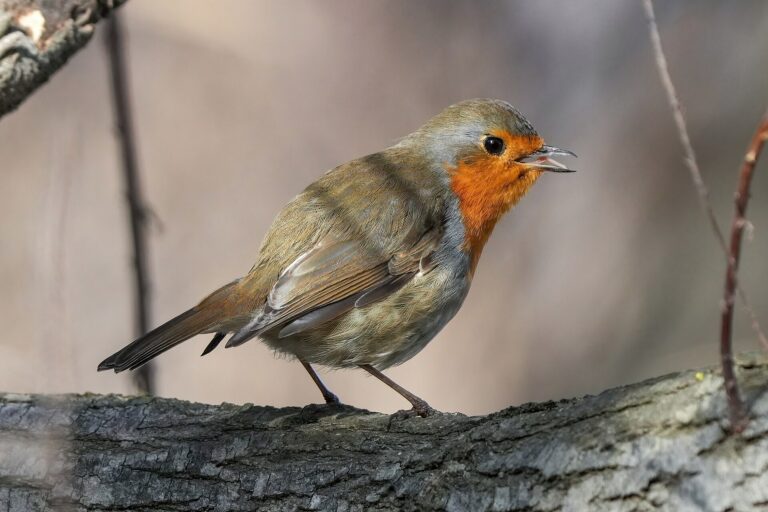
Embarking on the journey of bird watching is a rewarding experience that connects you with the natural world. Whether you are observing a common robin in your backyard or spotting a rare warbler on a trail, each encounter offers a chance to learn. One of the most effective tools for beginners is a bird watching journal. Far more than a notebook, a well-maintained journal becomes a personalized field guide, a repository of memories, and a powerful instrument for developing your identification skills.
Journaling compels you to slow down, observe more closely, and engage all your senses. Instead of merely glancing at a bird, you scrutinize its plumage, listen to its calls, and note its behavior. This deliberate process turns casual observation into a focused study, deepening your understanding of avian life.
Why Keep a Bird Watching Journal?
For many, the initial appeal is the joy of seeing beautiful creatures. As you go deeper, you will find a journal offers tangible benefits that accelerate your learning. It is a personal record that serves multiple purposes, not a perfect scientific document.
Sharpening Identification Skills
Journaling trains your eye. Instead of thinking, “It was a small brown bird,” you ask: What shade of brown? Were there streaks on its breast? What was the shape of its bill? This structured approach helps you notice the subtle differences that separate species.
Consider two common backyard birds: the House Sparrow and the Song Sparrow. Both are small, brown, and streaky. A journal entry might note: “House Sparrow: stocky, male has gray cap, black bib, and chestnut nape; female is duller and plain brown. Song Sparrow: slimmer, central breast spot, streaking on flanks, pumps tail when flying.” Recording these specifics forces you to compare and contrast.
Tracking Bird Activity and Patterns
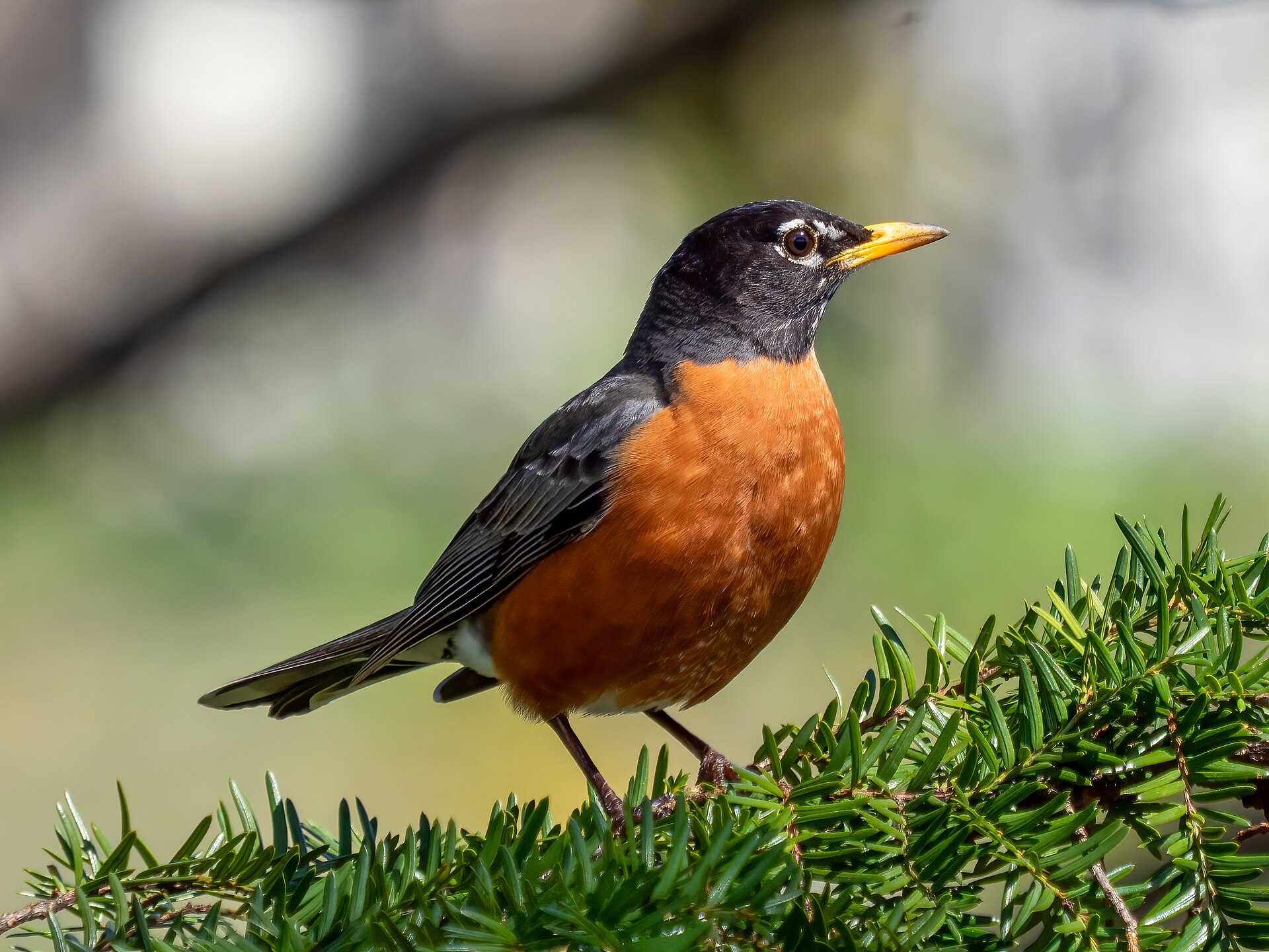
Your journal records activity over time: when migrants arrive and depart, when nesting begins, and when birds are most active. This long-term data reveals patterns about your local environment. If you note the first spring arrival of an American Robin each year, you may observe trends related to climate patterns. Documenting a species like the Northern Flicker throughout the year helps you understand its seasonal behavior.
A Personal Field Guide and Memory Keeper
Over time the journal becomes a personalized field guide based on your own locations and observations, far more memorable than generic descriptions. The notes and sketches you make from direct observation will be more useful than a published guide. It also serves as a cherished record of past encounters and rare sightings.
What to Include in Your Bird Watching Journal
There is no single right way to keep a journal, but certain elements are universally helpful. The key is consistency and detail, not artistic perfection.
Essential Information for Every Entry
- Date and Time: Crucial for tracking seasonal changes and activity patterns. Note the start and end of your observation period.
- Location: Be specific. “Backyard” is good, but “near the oak tree by the feeder” is better. If in a park, note the specific trail or section. GPS coordinates from your phone are useful for future reference.
- Weather Conditions: Temperature, wind, cloud cover, and precipitation all influence bird behavior and visibility.
- Species Observed: List every bird you confidently identify and note the number of individuals seen.
Detailed Observation Notes for Unidentified or Interesting Birds
This is where the real learning happens. For any bird you cannot identify, or for species you want to study closely, dedicate a section to detailed notes and gather clues like a detective.
- Size and Shape: Compare to a bird you know. Note overall shape, bill shape (thin, thick, hooked), and tail length.
- Color and Markings: Describe plumage in detail: eye rings, wing bars, crown colors, breast patterns. A Chipping Sparrow has a rusty cap and a white stripe above the eye; a Field Sparrow has a pink bill and no strong head markings.
- Behavior: What was it doing? Foraging, soaring, perching, singing, chasing? Did it hop, walk, or climb?
- Voice/Calls: Describe sounds with words like “chip,” “trill,” or “whistle,” and try to mimic them phonetically. A Carolina Wren’s song is often written as “teakettle, teakettle, teakettle.”
- Habitat: In a tree, on the ground, near water, in dense shrubs? This narrows identification possibilities.
- Field Marks: Specific features such as wing bars, eye rings, or breast streaks that distinguish species.
Sketches and Drawings
You do not need to be an artist. Simple, quick sketches capture key features words alone can miss. Focus on proportions, bill shape, leg length, and prominent markings, and try to sketch from different angles or focus on a single feature like the head or wing.
Choosing Your Journal and Tools
The best journal is one you will actually use. Consider practicality, durability, and personal preference.
Physical Journal Options
- Notebooks: A spiral-bound notebook or sturdy composition book with good-quality paper works well, even for a bit of watercolor.
- Dedicated Birding Journals: Pre-printed templates for date, location, and species help beginners capture the important details.
- Waterproof Journals: If you bird in all weather, a waterproof notebook (like Rite in the Rain) is invaluable.
Writing and Drawing Tools
- Pencils: Graphite pencils (HB or 2B) are great for sketching and note-taking; they do not bleed and can be erased.
- Waterproof Pens: A fine-point permanent pen keeps notes and outlines legible, especially if you add color later.
- Colored Pencils or Watercolors: For adding color; even just noting primary colors is helpful.
Essential Field Gear to Complement Your Journal
- Binoculars: Essential for bringing distant birds into view. A good pair (8×42 or 10×42) is a common beginner recommendation.
- Field Guide: Your primary identification reference; use it with your journal, not as a replacement.
- Camera (Optional): A camera or smartphone captures images that complement your notes and sketches with visual evidence.
- Birding Apps: Apps like Merlin Bird ID (Cornell Lab) help with sound recognition and photo analysis, but always cross-reference with your own observations.
Field Observation Tips for Journaling
Effective journaling starts with effective observation. Here are tips to maximize your time in the field.
Patience and Stillness
Birds are often shy. Find a comfortable spot, remain still, and let them come to you. Rushing or sudden movements will scare them away. The longer you observe, the more details you notice.
Focus on One Bird at a Time
It is tempting to identify every bird in a flock, but for detailed journaling, focus on one individual and observe it thoroughly before moving on.
Use All Your Senses
Do not rely on sight alone. Listen for calls and songs, which are often the first clue to a bird’s presence and can be diagnostic. Pay attention to sounds of movement in foliage.
Note the Context
Context matters. A small, streaky brown bird foraging on the ground in an open field might be a Savannah Sparrow, while a similar bird in dense undergrowth might be a Swamp Sparrow. Habitat is a key differentiator.
Start with the Obvious, Then Refine
When you spot a new bird, jot down the most prominent features first: size, dominant colors, and striking patterns. Then add finer details like bill shape and leg color as you keep observing.
Identification Cautions for Beginners
Bird identification is challenging even for experienced birders. Here are common pitfalls and how your journal can help.
Variations Within Species
Birds of one species can look different by age, sex, season, or location. A male American Goldfinch is bright yellow in summer but dull olive in winter; females are always duller than breeding males. Note whether a bird is juvenile, adult, or in breeding plumage.
Lighting and Distance Distortions
Poor lighting changes apparent colors and distance hides detail; a bird against the sun becomes a silhouette, making color identification impossible. Note the lighting conditions and your uncertainty.
Similar-Looking Species
Many species look alike, especially sparrows, warblers, and empids. Focus on subtle differences: eye rings, wing-bar patterns, tail shape, and calls. A Downy and a Hairy Woodpecker differ mainly in bill length relative to head size and spots on the outer tail feathers, details easily captured in a sketch.
Don’t Rush to Identify
It is better to leave a bird unidentified with thorough notes than to misidentify it. A detailed description is a valuable learning tool you can confirm later with a field guide or your birding community.
Making Your Journal a Habit
The true power of a journal comes from consistent use. Here are tips for making it a regular practice.
Set Aside Dedicated Journaling Time
Even just 10-15 minutes after each outing helps. Transfer field notes and elaborate on your observations; this solidifies memories and allows fuller entries.
Review Your Entries Regularly
Flip through your journal periodically. It reinforces learning, reveals patterns, and shows your progress, like recognizing a bird you struggled with months ago.
Don’t Strive for Perfection
Your journal is a learning tool, not a work of art. Do not let imperfect drawings or notes prevent you from using it.
Share Your Journal (Optional)
Sharing interesting entries or sketches with fellow birders engages the community and can earn you useful feedback, and may even inspire others.
Beyond the Basics: Expanding Your Journal’s Scope
Once you are comfortable with the fundamentals, expand your journal to include more of your birding journey.
- Life List/Year List: Track all species seen in your lifetime (life list) or within a calendar year (year list).
- Backyard birding tips: Note your feeder setup, which seeds attract which birds, and changes that enhance bird habitat.
- Phenology Notes: Record when plants bloom or insects emerge; these ecological connections give valuable context to bird behavior.
- Using birding apps: Note which apps you find helpful and how they complement your field guide and journal.
- Participating in citizen science: Record submissions and observations for projects like eBird or the Christmas Bird Count.
- Personal Reflections: Include your thoughts and feelings; they add a rich, personal dimension.
A bird watching journal transforms passive observation into active learning and deepens your connection to nature. Start today, and watch your birding skills, and your appreciation for birds, take flight.
