
Mastering Your Birding Excursion: A Comprehensive Guide to Park and Wetland Exploration
Introduction
Embarking on a birding trip to a local park or wetland can be both exhilarating and profoundly rewarding. These natural havens, teeming with diverse avian life, offer a unique opportunity to connect with nature. Proper preparation is a cornerstone for maximizing your time in the field, increasing your chances of spotting a wide variety of species, and observing birds responsibly and ethically.
Understanding the Environment: The Foundation of Successful Birding
Before packing your binoculars, the most critical step is to familiarize yourself with the specific habitat you intend to visit. Not all wetlands or parks are created equal; they are dynamic ecosystems, each hosting distinct bird communities influenced by fluctuating water levels, vegetation, geology, and, most significantly, seasonal changes. A marsh teeming with waterfowl in winter might host a completely different array of wading birds and songbirds during spring migration.
Consult local bird guides for information on resident and migratory species. Online resources such as eBird are invaluable—explore its hotspots and recent sightings for your chosen location to gain real-time intelligence on what species have been observed and where. The Audubon Society website offers information on identification and local birding opportunities, while local Audubon chapters provide even more granular details about specific parks.
Consider the specific features of the site. A reed bed in a wetland will likely host different species than a mature oak forest in a park. Learning about the plant life also gives clues about the birds you might encounter, since many birds have dietary or nesting preferences tied to particular plants.
Preparing Your Gear and Supplies: Your Essential Birding Toolkit
A successful birding trip often depends on having the right tools. Thoughtful preparation can make the difference between a frustrating outing and a fulfilling one.
Optics and Identification Tools: Your Eyes and Brain in the Field
At the heart of any birder’s kit are high-quality optics. Binoculars are essential for observing birds at a distance, bringing distant subjects into clear view and revealing details invisible to the naked eye. Consider magnification (e.g., 8x or 10x) and objective lens diameter (e.g., 42mm). An 8×42 pair is often recommended for beginners, offering a good balance of magnification, brightness, and a wide field of view.
For serious birders or those visiting large open wetlands, a spotting scope is an invaluable addition, providing detailed views of distant waterfowl, raptors, and shorebirds. It typically requires a tripod for stability.
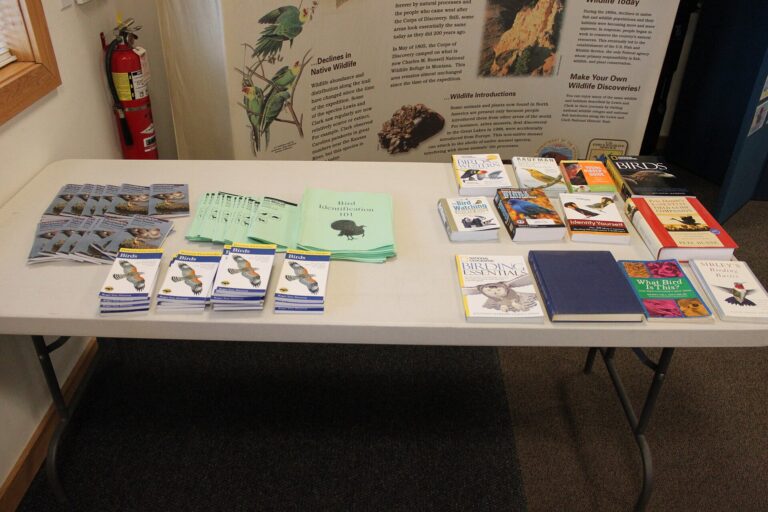
Equally important is a reliable field guide, tailored to your specific region. For beginners, a good field guide acts as a mentor, with illustrations or photographs, range maps, and descriptions of key identification features, habitat, and vocalizations. Familiarize yourself with its layout before you head out.
Carry a notebook and pencil, or use a birding app, to record your sightings. This practice enhances learning and contributes to citizen science projects like eBird. Many modern apps include bird call identification, which is especially helpful in dense habitats where birds are more often heard than seen.
Clothing and Personal Items: Comfort and Protection in the Wild
The unpredictable nature of outdoor environments necessitates careful attention to attire. Layered clothing lets you adjust to fluctuating temperatures, and waterproof gear is a wise inclusion, even on a seemingly clear day. Choose breathable fabrics that wick moisture.
Sturdy, comfortable walking shoes or hiking boots are non-negotiable on uneven or muddy terrain; make sure they are broken in before your trip. Sun protection—a wide-brimmed hat and sunglasses—reduces glare, making it easier to spot birds over water. Apply sunscreen even on cloudy days. Insect repellent is often vital in wetlands, where mosquitoes and ticks are prevalent, especially at dawn and dusk.
Finally, hydration is key. Carry plenty of water and some snacks like granola bars or nuts to maintain your energy throughout the outing.
Additional Equipment: Enhancing Your Field Experience
- Camera with Telephoto Lens: Useful for documenting sightings and reviewing details for identification; even a smartphone with a good zoom can help.
- Map or GPS Device: Carry a map or use a GPS-enabled device to navigate trails and locate hotspots; download offline maps if cell service is unreliable.
- Portable Chair or Stool: For extended observation at a vantage point, a lightweight stool enhances comfort and patience.
- Small First-Aid Kit: Bandages, antiseptic wipes, pain relievers, and personal medications cover common scrapes and bites.
- Headlamp or Flashlight: Essential for safety if you’re out before dawn or after dusk; a headlamp leaves your hands free.
- Power Bank: A lifesaver if you rely on your smartphone for field guides, maps, or eBird submissions.
- Trash Bag: Pack out any litter you encounter to keep the environment clean.
Planning Your Visit: Timing and Logistics for Optimal Encounters
The success of your trip hinges significantly on timing and logistics, which dramatically influence the number and variety of birds you encounter.
Optimal Timing: The Early Bird Catches the Worm (and the Best Sightings)
Early mornings, particularly around dawn, consistently offer the best bird activity. Many species are most active and vocal then, engaging in foraging and territorial singing. The cooler temperatures and softer light also make the experience more pleasant and better for photography. As the day warms, many birds become less active, so plan for a mid-day lull.
Late afternoons and evenings can also be productive, especially for owls and other crepuscular species, and for birds returning to roosts. Beyond time of day, consider the season: spring and fall migrations offer opportunities to see diverse species passing through, winter is excellent for waterfowl and raptors (and bare deciduous trees make birds easier to spot), and summer is prime for nesting behavior and fledglings.
Checking Conditions and Access
Always check the local weather forecast before your visit. Heavy rain or strong winds drive birds into shelter, while a light drizzle might encourage more active foraging. If visiting tidal wetlands, consult tide charts: high tide can push birds closer to shore, while low tide exposes vast feeding grounds.
Review the park’s opening hours, access points, and any restrictions or permits required. Some areas close seasonally to protect nesting birds or require booking during peak migration. Check for trail closures, and consider accessibility—whether paths are paved or rugged matters if you’re birding with companions who have different mobility needs.
Understanding Bird Behavior and Identification: Becoming a Savvy Observer
While optics are your eyes, understanding bird behavior is your key to unlocking the avian world.
Decoding Avian Clues
Feeding habits offer critical clues to identity: a thrush flipping leaves or a sandpiper probing wet sand each point to specific families. Flight patterns are also distinctive—a soaring raptor differs from a bounding woodpecker. These subtle cues can be as important as plumage, especially at a distance.
Bird calls and songs are perhaps the most powerful identification tools, especially in dense habitats. Apps like Merlin Bird ID can help identify calls in real time. For visual identification, pay close attention to bill shape, leg length and color, tail shape, and distinctive markings like eye rings and wing bars. Remember that lighting and distance affect perception—a bird seen against the sun may appear as a silhouette.
Don’t be discouraged if identification isn’t immediate; it’s a skill that develops with practice. Use the process of elimination, and consider behavior in context: Is the bird alone or in a flock? Where is it in the habitat? All these clues contribute to a more complete picture.
Responsible Birding and Conservation: Protecting Our Feathered Friends
Birding carries a responsibility to protect the wildlife and habitats we cherish. Ethical practices ensure our activities don’t harm the very creatures we seek to observe.
Minimizing Your Impact
Always maintain a safe, respectful distance from wildlife, especially from nesting sites and roosts. Disturbing nesting birds can cause them to abandon their eggs or young. Stay far enough away that a bird’s behavior remains unchanged by your presence, and avoid flushing birds unnecessarily—it expends energy and can exhaust migrants.
Adhere to park rules, stay on marked trails, refrain from playing bird calls loudly, and never feed wild birds. Use playback sparingly, if at all, and never during nesting season. Follow “leave no trace”: carry out all trash, and strive to leave the environment exactly as you found it, or better.
Go a step further by contributing to citizen science. Platforms like eBird let you submit observations that directly aid research and conservation. Support local conservation organizations, and educate others about ethical birding to build a broader culture of stewardship.
Additional Resources and Internal Links: Deepening Your Birding Knowledge
To further enrich your birding journey, we offer a range of specialized resources:
- For detailed regional information, consult our regional birding guides for localized insights into the unique avian communities near you.
- To prepare for specific seasons, explore our seasonal birding tips and habitat-specific advice throughout the year.
- If you’re new to birding, our birding basics section covers essential skills, from binocular use to basic identification strategies.
- To contribute to conservation, learn about citizen science projects and how your observations can support research.
- Explore our guide on choosing the right birding optics to select binoculars or a spotting scope that best fits your needs.
- Enhance your auditory identification with our article on understanding bird calls and songs.
Sources
- Audubon Society: A leading voice in bird conservation and education.
- eBird: A global database of bird observations for research and citizen science.
- RSPB: A prominent UK-based bird conservation charity.
- Cornell Lab of Ornithology: A world leader in the study, appreciation, and conservation of birds, including the Merlin Bird ID app and All About Birds website.
- Regional field guides and local wildlife agencies: Essential for localized identification and habitat understanding.
- National Park Service and BirdLife International: Offer information on birding opportunities and conservation efforts.
