
Costa Rica is home to an impressive array of birds, making it a haven for birdwatchers. Among the most notable are the Resplendent Quetzal, famed for its brilliant emerald and ruby plumage and long tail feathers. The Keel-Billed Toucan, with its colorful bill and important role in seed dispersal, thrives in the tropical forests. The Scarlet Macaw dazzles with its vivid red, blue, and green feathers, often gathering in large colonies. Bird enthusiasts also admire the Blue-Crowned Motmot and the Fiery-Throated Hummingbird, each distinguished by their unique and vibrant coloration and significant ecological roles. Discovering these species can further enhance appreciation for Costa Rica's rich biodiversity.
Resplendent Quetzal

Renowned for its magnificent emerald feathers and striking ruby red chest, the Resplendent Quetzal is a symbol of beauty in Costa Rica's cloud forests.
This bird captivates birdwatchers with its long tail feathers, which can extend up to 30 inches.
The male Quetzal's vibrant plumage and elongated coverts enhance its majestic presence, making it a quintessential sight in these lush habitats.
Keel-Billed Toucan
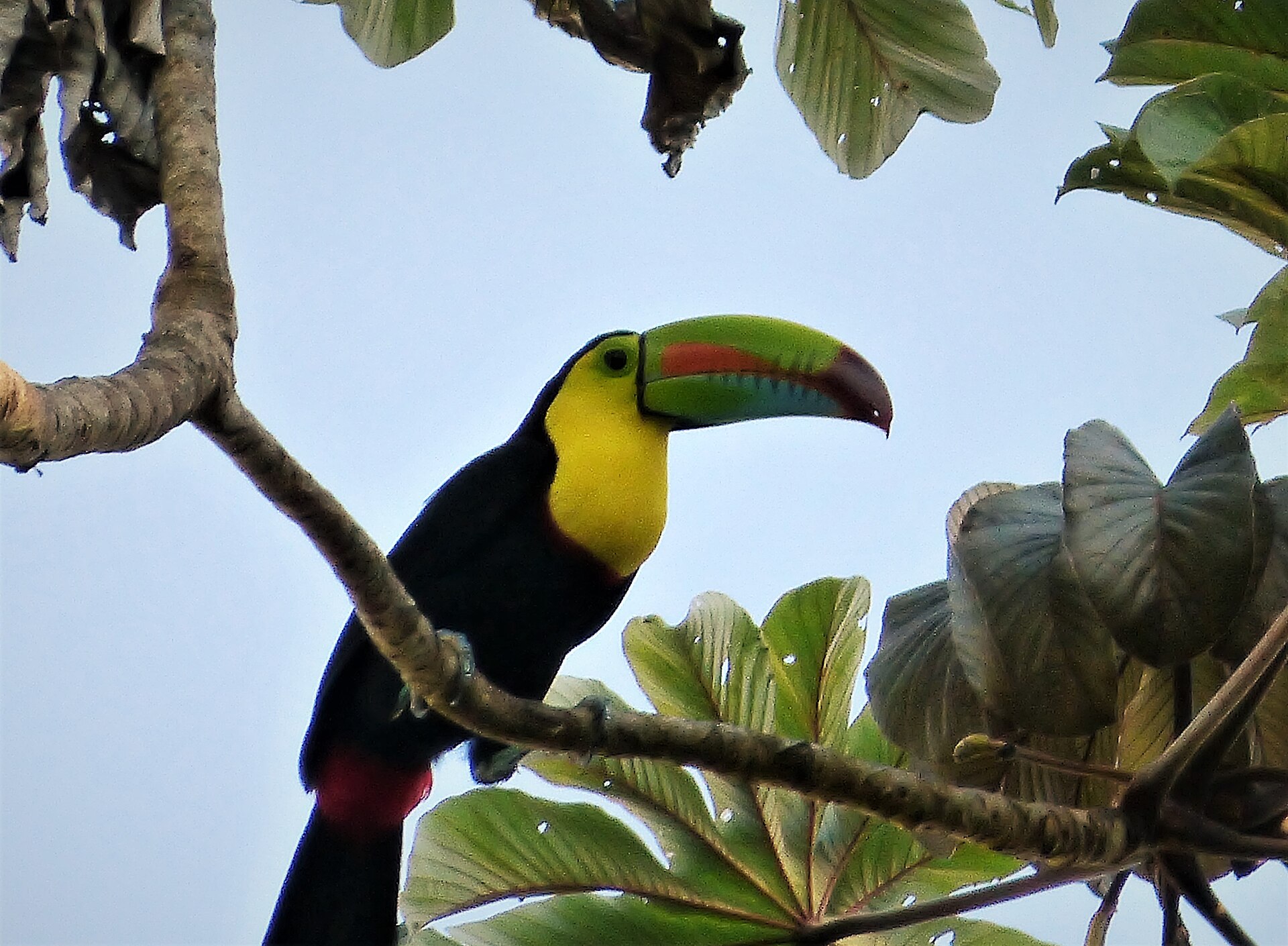
Photo by gailhampshire from Cradley, Malvern, U.K (CC BY 2.0, via Wikimedia Commons)
Commonly spotted throughout Costa Rica's jungles, the Keel-Billed Toucan is celebrated for its vividly colored bill, which showcases an array of brilliant hues.
This vibrant bird species thrives in both primary rainforests and tropical landscapes, playing an important role in seed dispersal.
Its colorful bill and distinctive call make it a popular sight, contributing greatly to the ecological balance of Costa Rica.
Scarlet Macaw
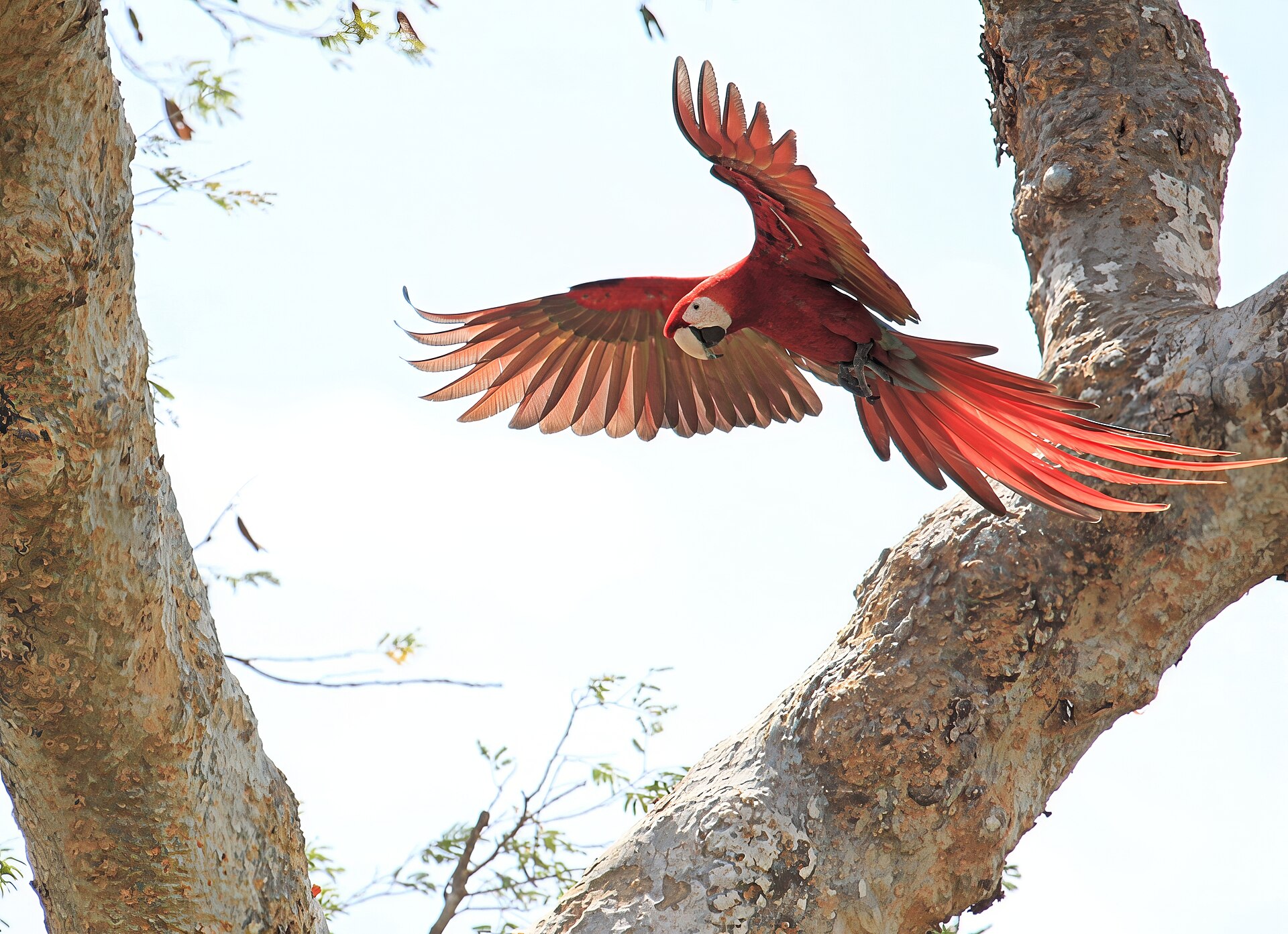
Photo by ImagePerson (CC BY 4.0, via Wikimedia Commons)
Shifting focus to another avian spectacle, the Scarlet Macaw enchants observers with its strikingly vivid plumage and robust presence in Costa Rica's central regions. These birds form colonies of over 300, showcasing vibrant red, blue, green, and yellow feathers.
Renowned for their loud squawks and distinctive appearance, conservation efforts have helped expand their presence, highlighting the species' significance in local biodiversity.
Blue-Crowned Motmot
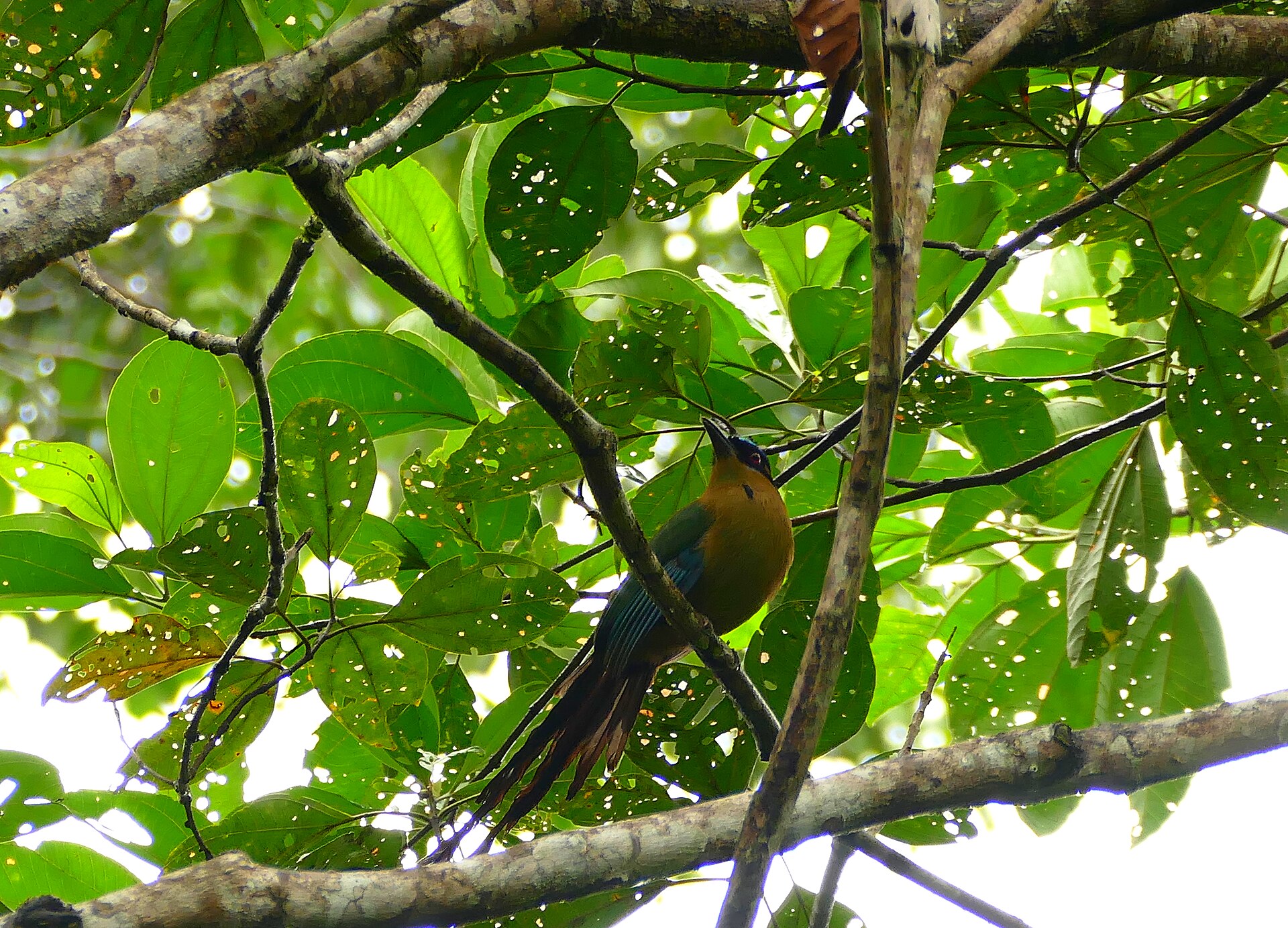
Photo by Bernard DUPONT from FRANCE (CC BY-SA 2.0, via Wikimedia Commons)
Perched quietly among the dense foliage, the Blue-Crowned Motmot captivates with its vibrant blue crown and elongated tail feathers. Formerly known as the Lessons Motmot, this bird thrives in the forests and wooded habitats of Costa Rica, feeding on a diet of fruit and insects.
Its distinctive appearance and elusive nature make it a fascinating subject for bird enthusiasts and researchers alike.
Fiery-Throated Hummingbird
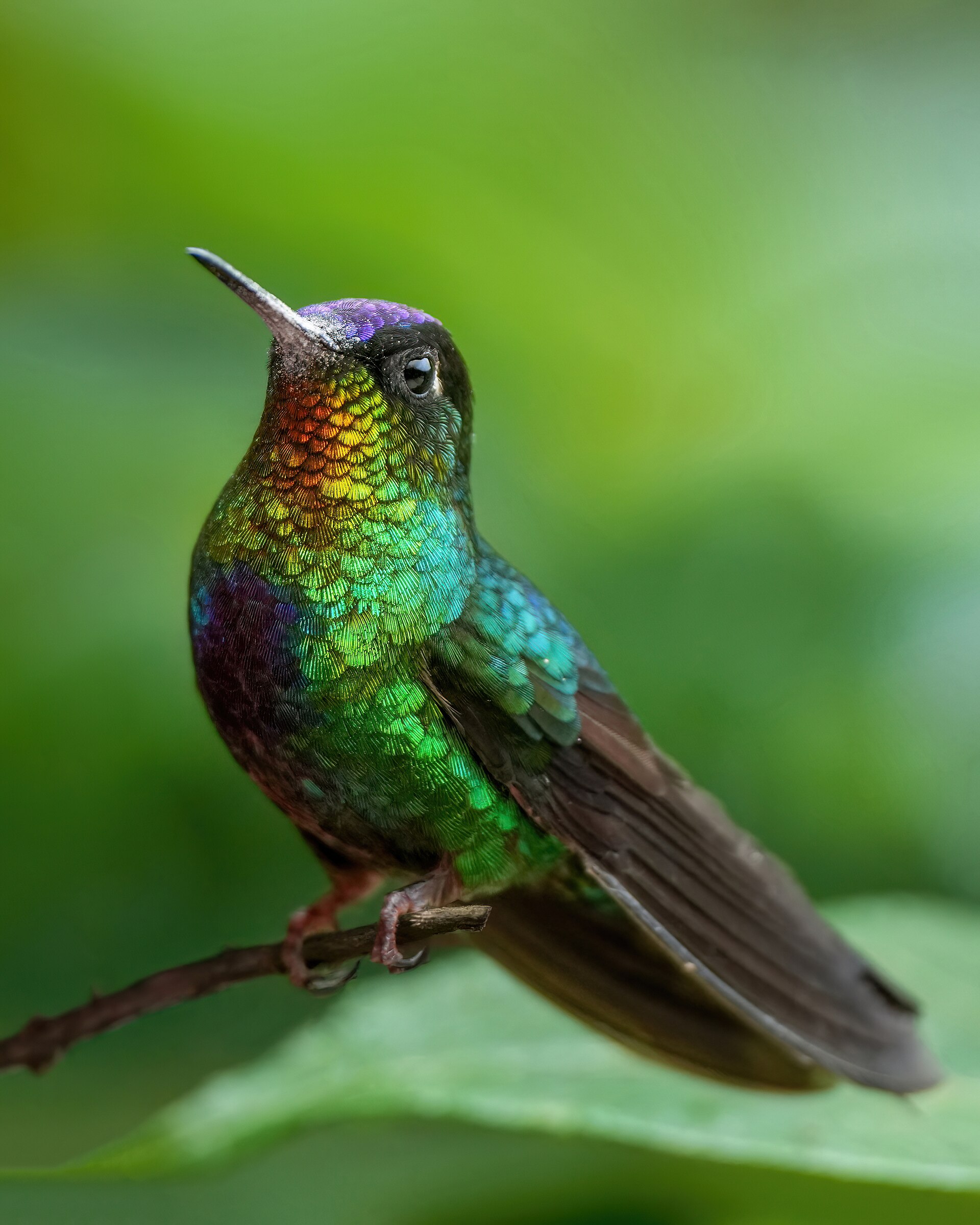
Photo by Giles Laurent (CC BY-SA 4.0, via Wikimedia Commons)
Among the myriad of bird species in Costa Rica, the Fiery-Throated Hummingbird stands out with its striking, iridescent plumage that shimmers in hues of fiery red, green, and blue.
Inhabiting the highlands and cloud forests, this small, nectar-feeding bird plays a vital role in pollination and maintains biodiversity.
Its vibrant appearance and dynamic behavior make it a sought-after species for birdwatchers.
Bay-Headed Tanager
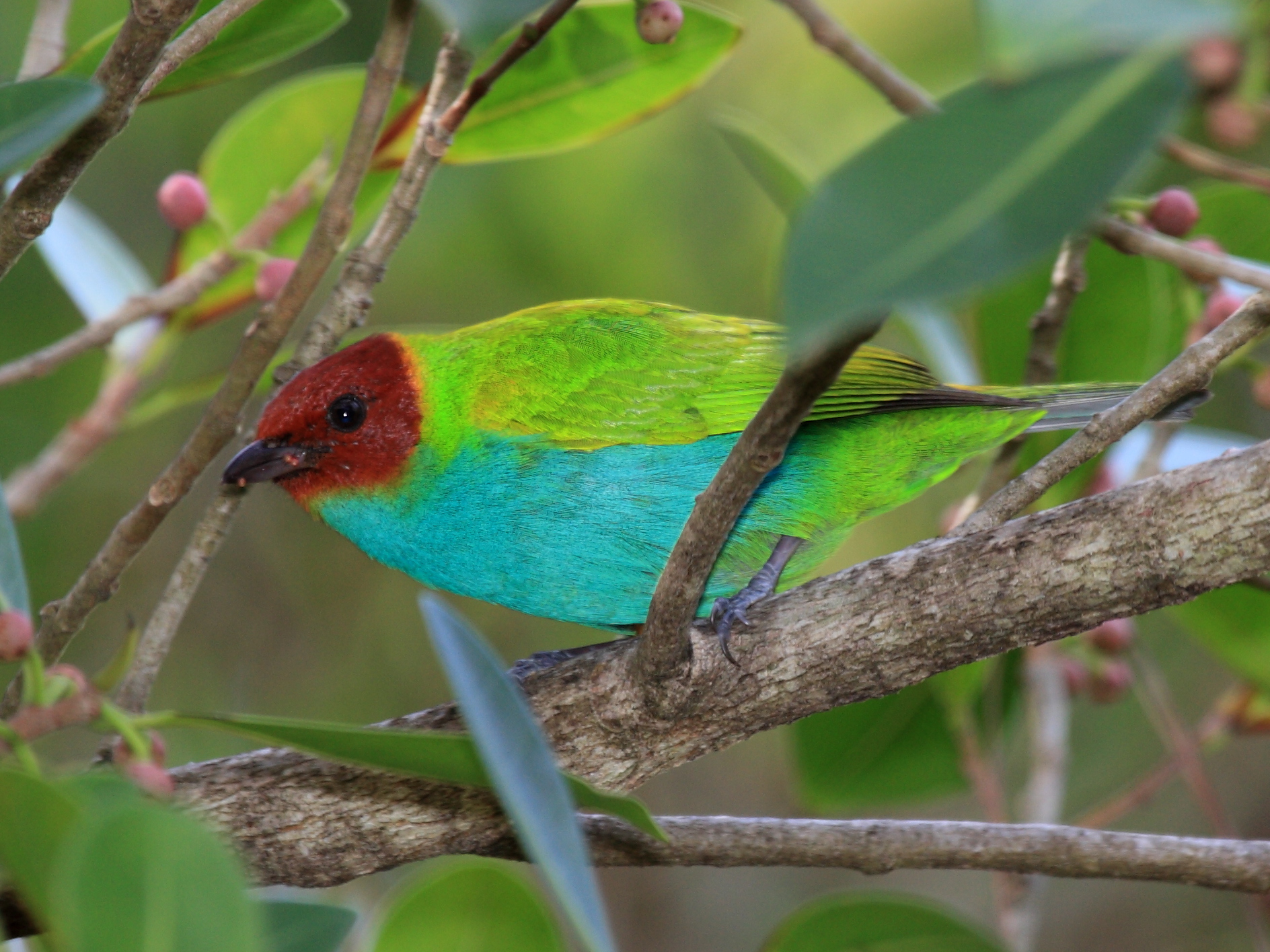
Photo by Dominic Sherony (CC BY-SA 2.0, via Wikimedia Commons)
The Bay-Headed Tanager captivates with its vivid bay-colored head contrasted against a black back and bright yellow underparts, making it a standout species in Costa Rica's bird population. Found in the canopy of humid forests, these members of the tanager family are celebrated for their melodious songs and striking appearance.
Birdwatchers cherish their beautiful distinctiveness, making them a prized sighting in Costa Rica.
King Vulture

Dominating the skies of Costa Rica, the King Vulture commands attention with its impressive six-foot wingspan and vividly colored head.
As scavengers, these birds play a crucial role in the ecosystem by consuming carrion. They thrive in the rainforests, utilizing their keen eyesight and strong sense of smell to locate food from above, thereby maintaining the health and cleanliness of their environment.
Rufous-Naped Wren
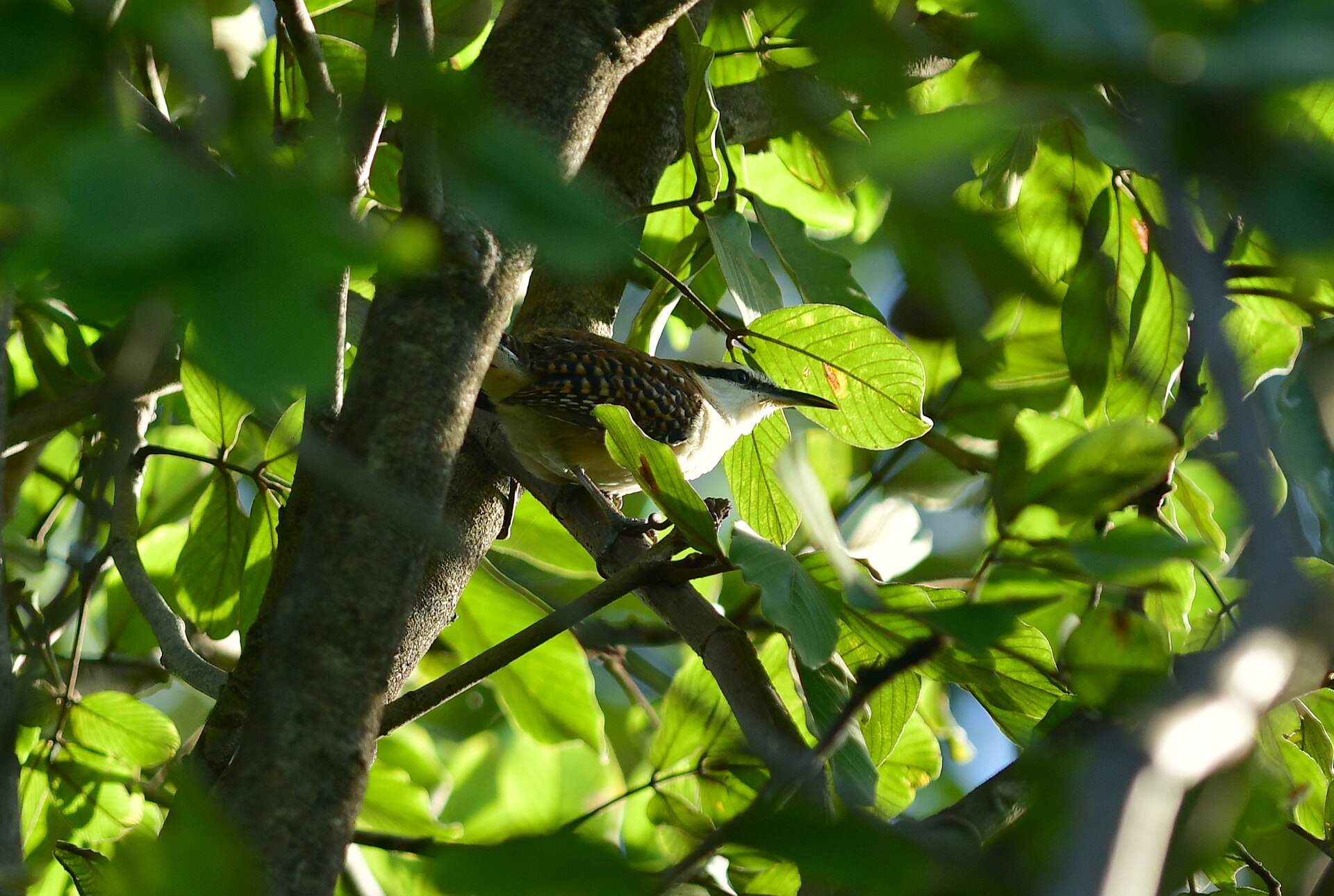
Photo by Panegyrics of Granovetter (CC BY-SA 2.0, via Wikimedia Commons)
Renowned for their melodious and intricate songs, Rufous-Naped Wrens captivate both the ears and eyes of onlookers in Costa Rica's diverse habitats.
This small bird features distinctive rufous-colored nape and brown plumage.
Active in their foraging behavior, they traverse dense vegetation, searching for insects and small fruits.
Their varied vocalizations add a melodic backdrop to the Costa Rican forests, enhancing the region's natural symphony.
Great Green Macaw
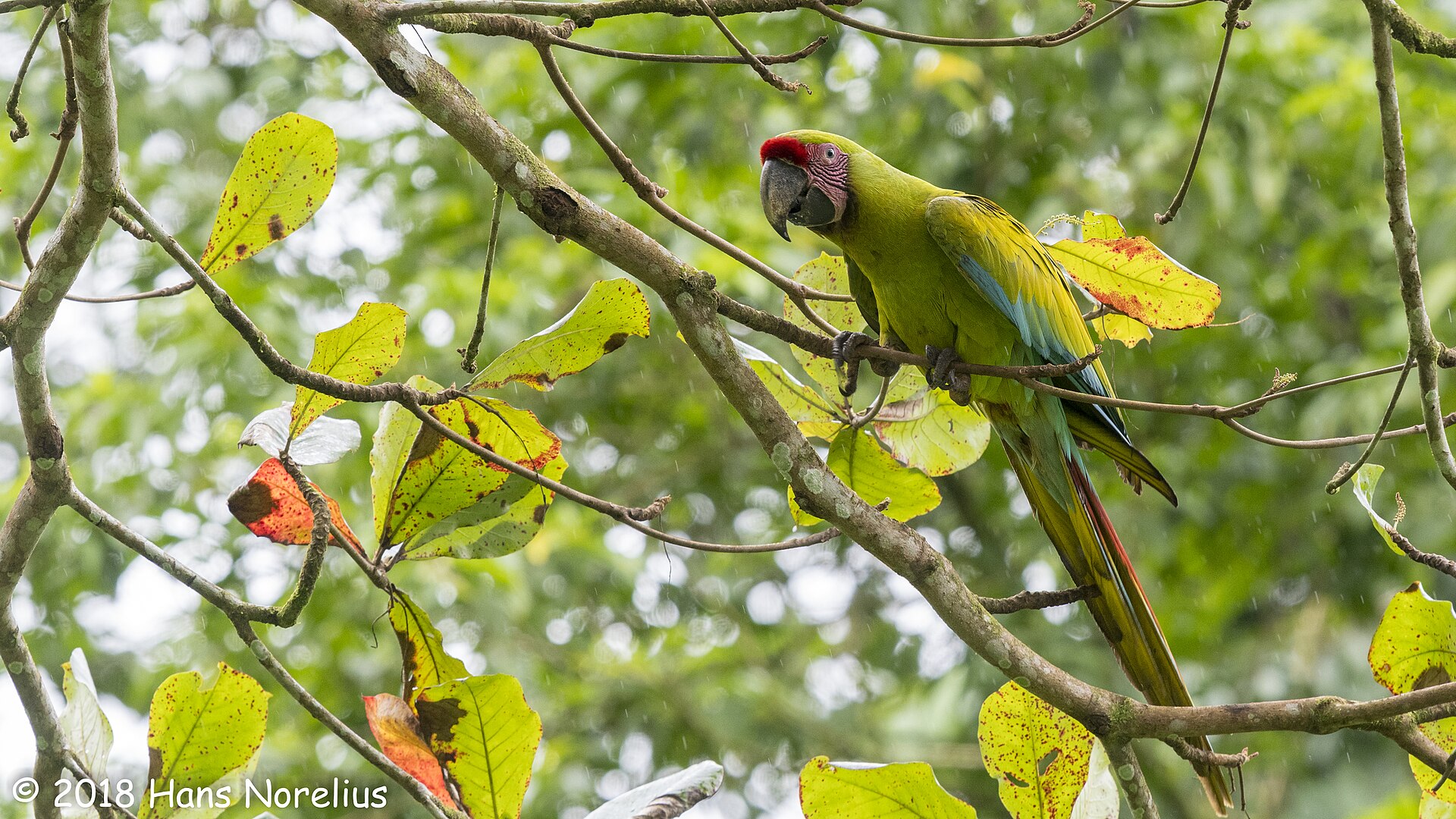
Photo by Hans Norelius from Älvsjö, Sweden (CC BY 2.0, via Wikimedia Commons)
While Rufous-Naped Wrens enchant with their songs, the Great Green Macaw captures attention through its vibrant plumage and significant role in the ecosystem.
As the largest parrot in Costa Rica, their loud squawks echo through the northern Caribbean lowlands. Their striking coloration aids conservation efforts, spotlighting their vulnerable status.
Importantly, these parrots are essential seed dispersers, pivotal in forest regeneration efforts.
Acorn Woodpecker
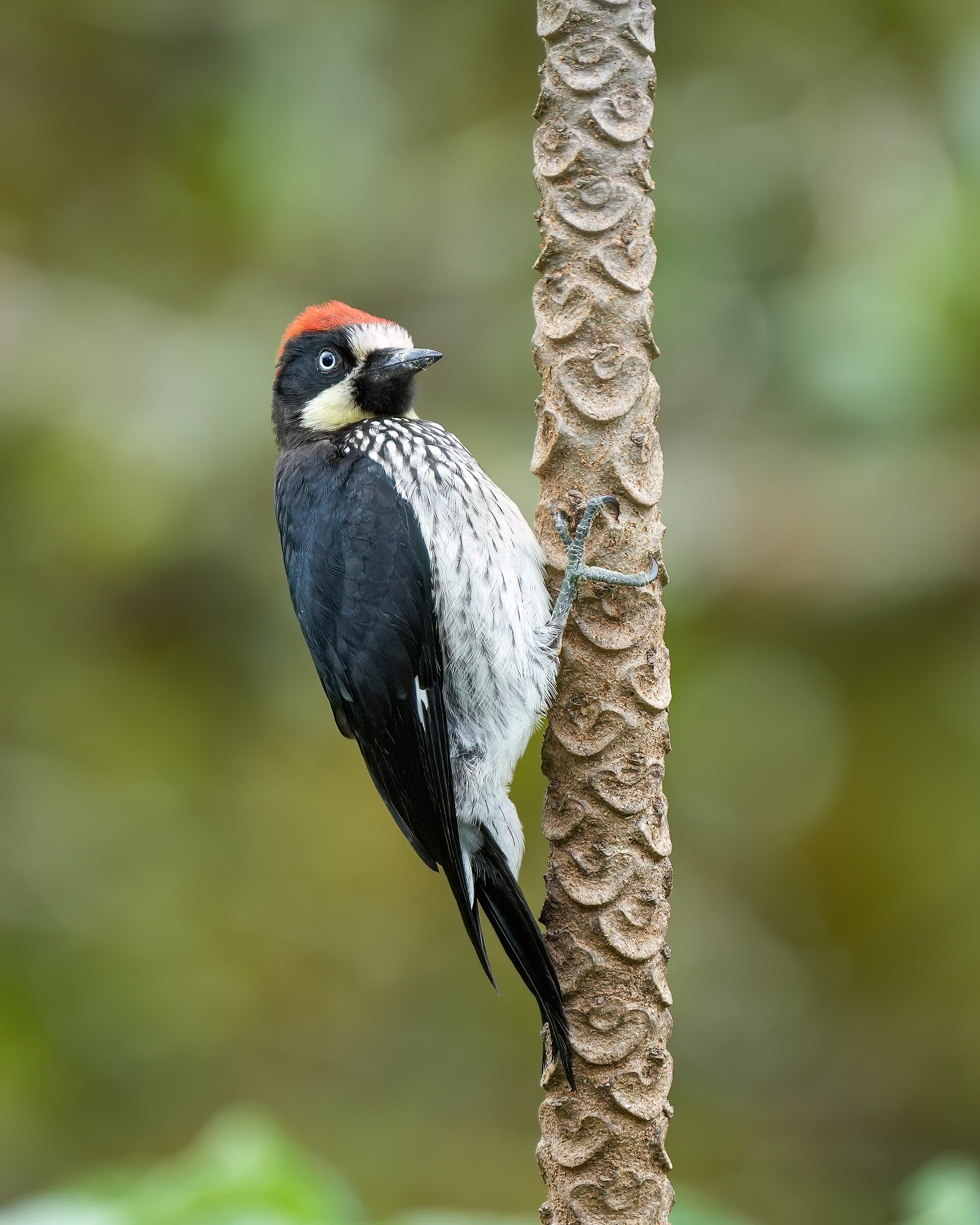
Photo by Giles Laurent (CC BY-SA 4.0, via Wikimedia Commons)
Acorn Woodpeckers, characterized by their clown-like facial markings, engage in the remarkable behavior of creating extensive granaries for acorn storage. In Costa Rica, these social birds exemplify cooperative breeding and foraging within oak woodlands.
Their unique behavior includes maintaining communal granaries, essential for their survival during scarce periods. Costa Rica Birding enthusiasts often observe these vibrant communities, marveling at their structured social dynamics and resourcefulness.
Fiery-Billed Aracari
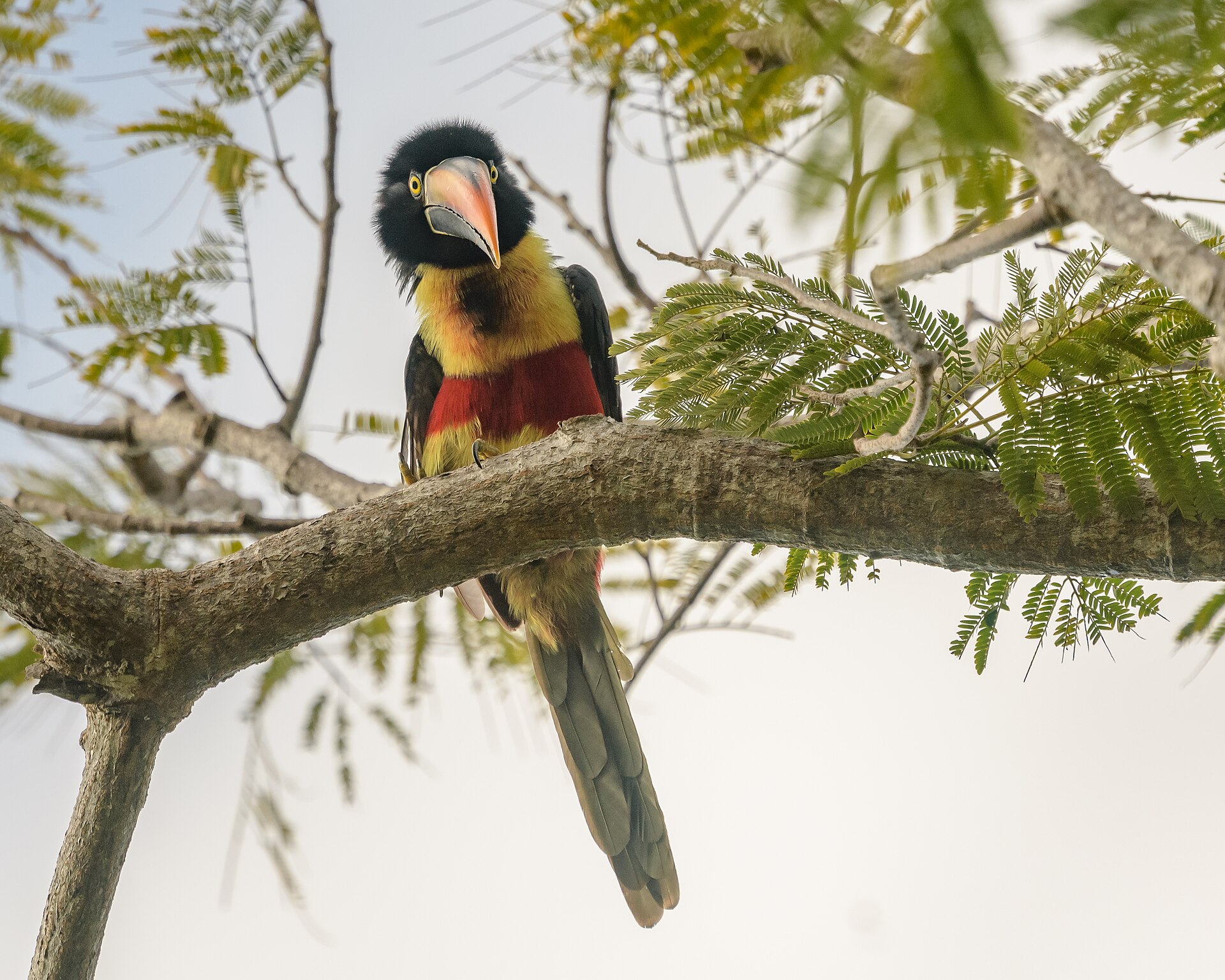
Photo by Becky Matsubara from El Sobrante, California (CC BY 2.0, via Wikimedia Commons)
Distinguished by its striking red-orange upper mandible, the Fiery-Billed Aracari thrives in the lush Central and Pacific slope regions of Costa Rica.
This small, social Toucan species is a colorful bird, well known for its playful behavior.
Featuring a black head, yellow collar, and bright red belly, it contributes to the ecosystem through seed dispersal, feeding primarily on fruits, insects, and small vertebrates.
White-Naped Brushfinch
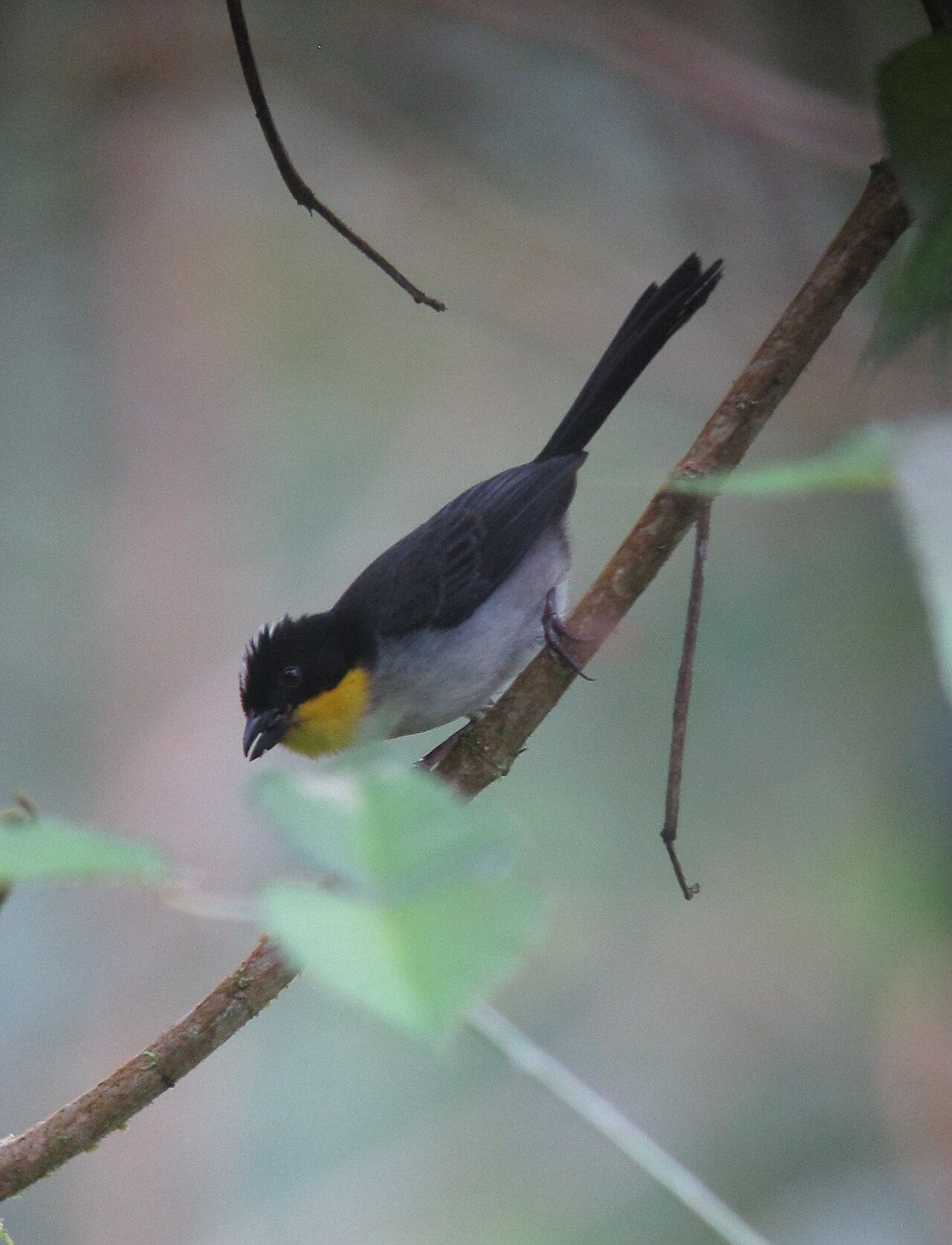
Photo by Félix Uribe from Rionegro, Antioquia, Colombia (CC BY-SA 2.0, via Wikimedia Commons)
Shifting focus to another unique avian resident of Costa Rica, the White-Naped Brushfinch is a medium-sized bird recognized by the distinctive white patch on its neck. Endemic to Costa Rica's cloud and oak forests, this shy and elusive bird faces challenges from habitat loss.
Conservation efforts are essential to protect its restricted range and guarantee the survival of this fascinating species.
Emerald Toucanet
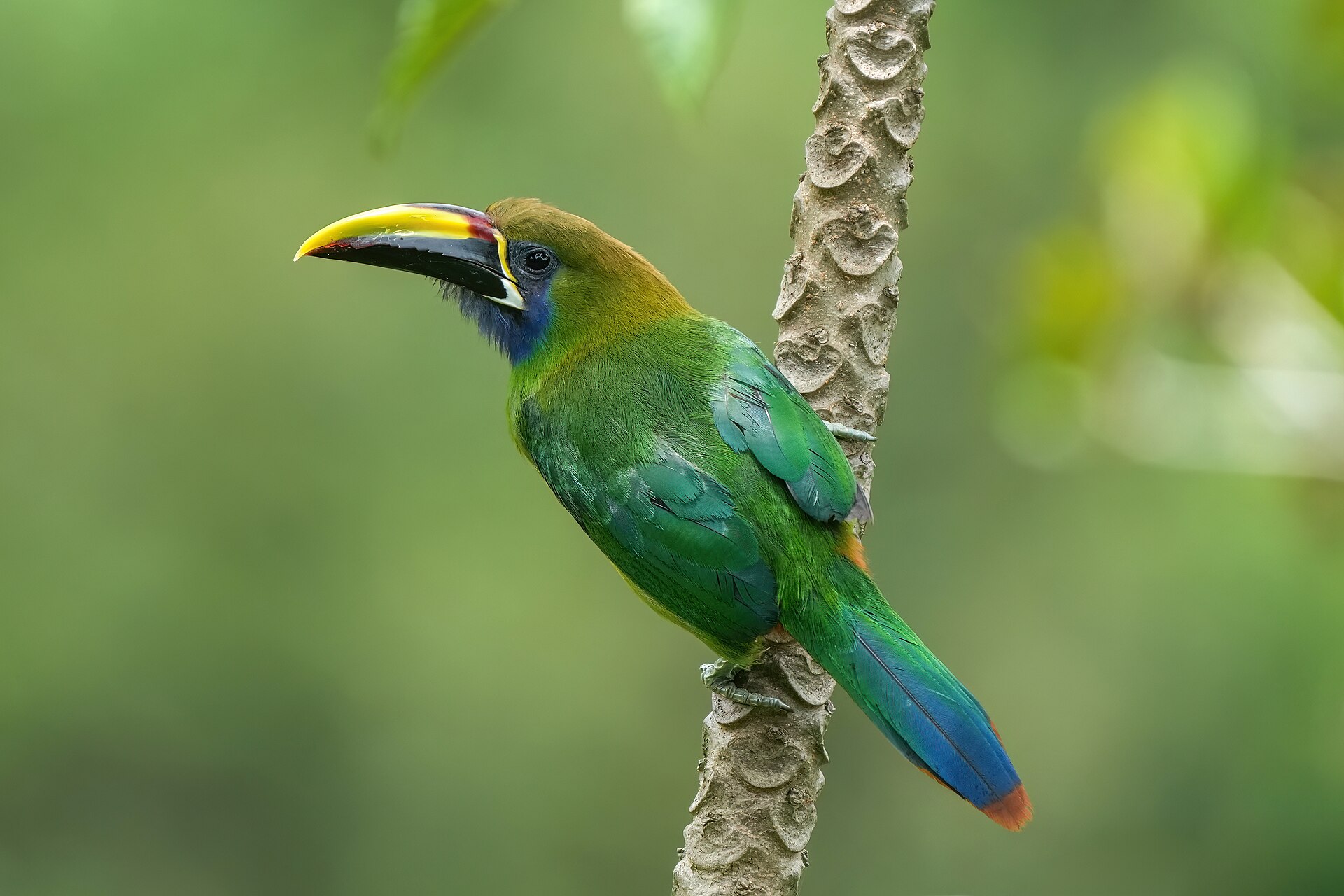
Photo by Giles Laurent (CC BY-SA 4.0, via Wikimedia Commons)
The Emerald Toucanet, a small yet vibrant member of the toucan family, thrives in the montane wet forests of Costa Rica.
This small toucan species, recognized by its lush green breast and distinctive blue area around the bill, showcases vibrant colors and a medium size.
It beautifies the canopy of Costa Rica's forests, epitomizing the rich bird diversity in its natural habitat.
Brown Pelican
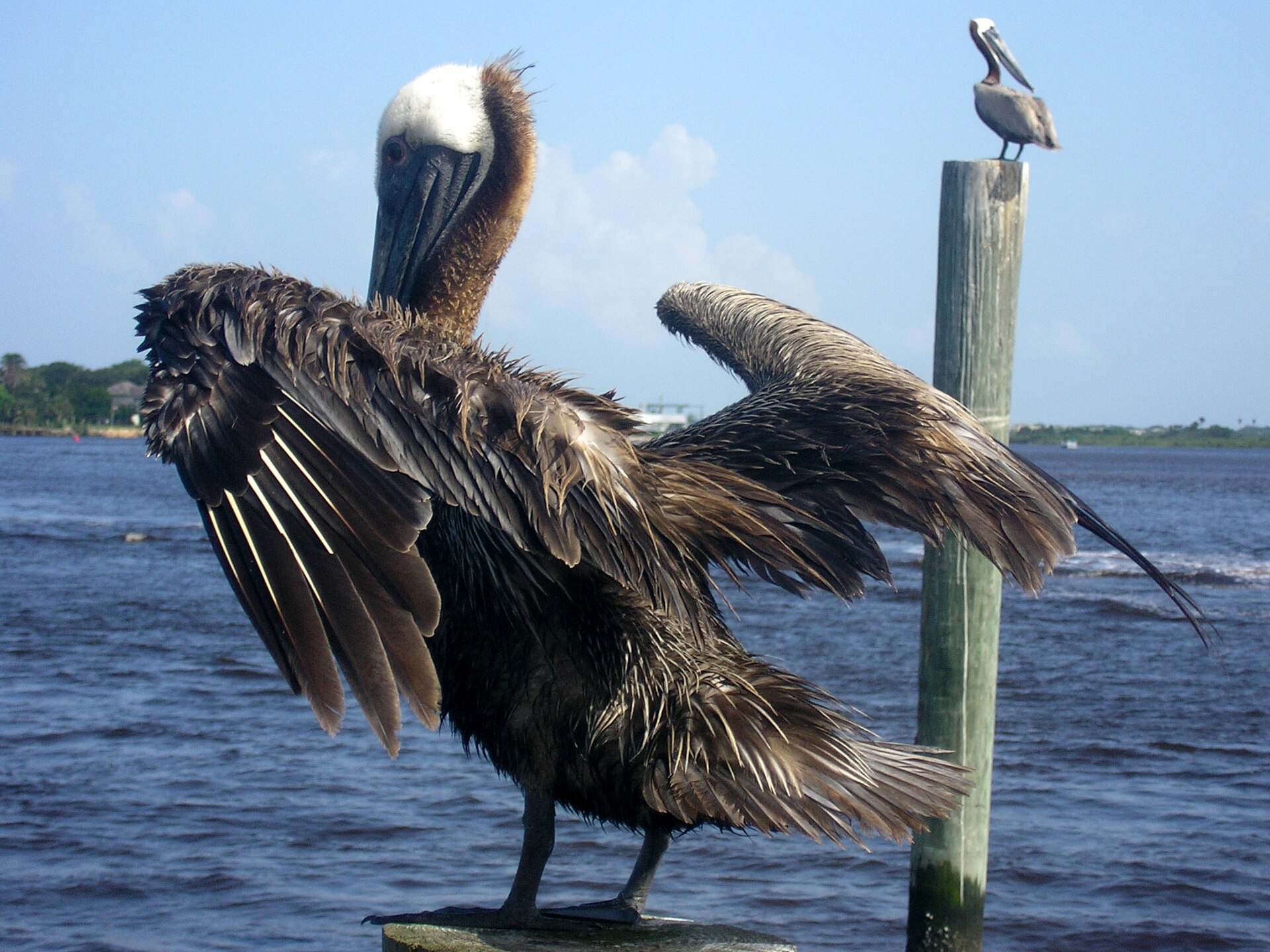
Photo by Uploaded by Mrmiscellanious (CC BY 1.0, via Wikimedia Commons)
Brown Pelicans, with their expansive wingspan reaching up to 7.5 feet, are a prominent sight along the coastal regions of Costa Rica.
This seabird is adept at plunge diving, skillfully scooping up fish with its distinctive pouch.
Primarily inhabiting coastal areas and estuaries, these excellent swimmers are often seen floating serenely on the water, embodying a fascinating blend of grace and agility.
What are the similarities and differences between the bird species in Costa Rica and Honduras?
Costa Rica and Honduras boast a diverse range of bird species. Both countries are home to a variety of tropical birds, including parrots, toucans, and hummingbirds. However, the types of birds in Honduras also include macaws and motmots, distinct from those found in Costa Rica.
Violet Sabrewing

From the coastal prowess of the Brown Pelican, we move inland to admire the enchanting Violet Sabrewing, a hummingbird that thrives in the cloud forests and highlands of Costa Rica.
Known for its iridescent plumage and long curved bill, this large hummingbird is an essential pollinator. Birdwatchers prize the male's shimmering throat patch, making the Violet Sabrewing a celebrated sight in Costa Rica's high-altitude habitats.
