

Birds that specialize in fishing employ fascinating techniques to capture their aquatic prey. The Green Heron uses tools like bait, while the Black Heron creates shaded areas with its wings to attract fish. The Snowy Egret herds fish towards shallow banks, and the Yellow-billed Stork utilizes its bill to snap up fish in African waterways. The African Fish Eagle and the Western Osprey are remarkable for their powerful talons used in catching fish from freshwater systems. The African Skimmer, with its unique lower mandible, skims the water surface for fish, demonstrating exceptional adaptability and skill among piscivorous birds. Each species showcases distinct behaviors and adaptations that allow them to thrive in their habitats, revealing more about their complex interactions with ecosystems.
Green Heron
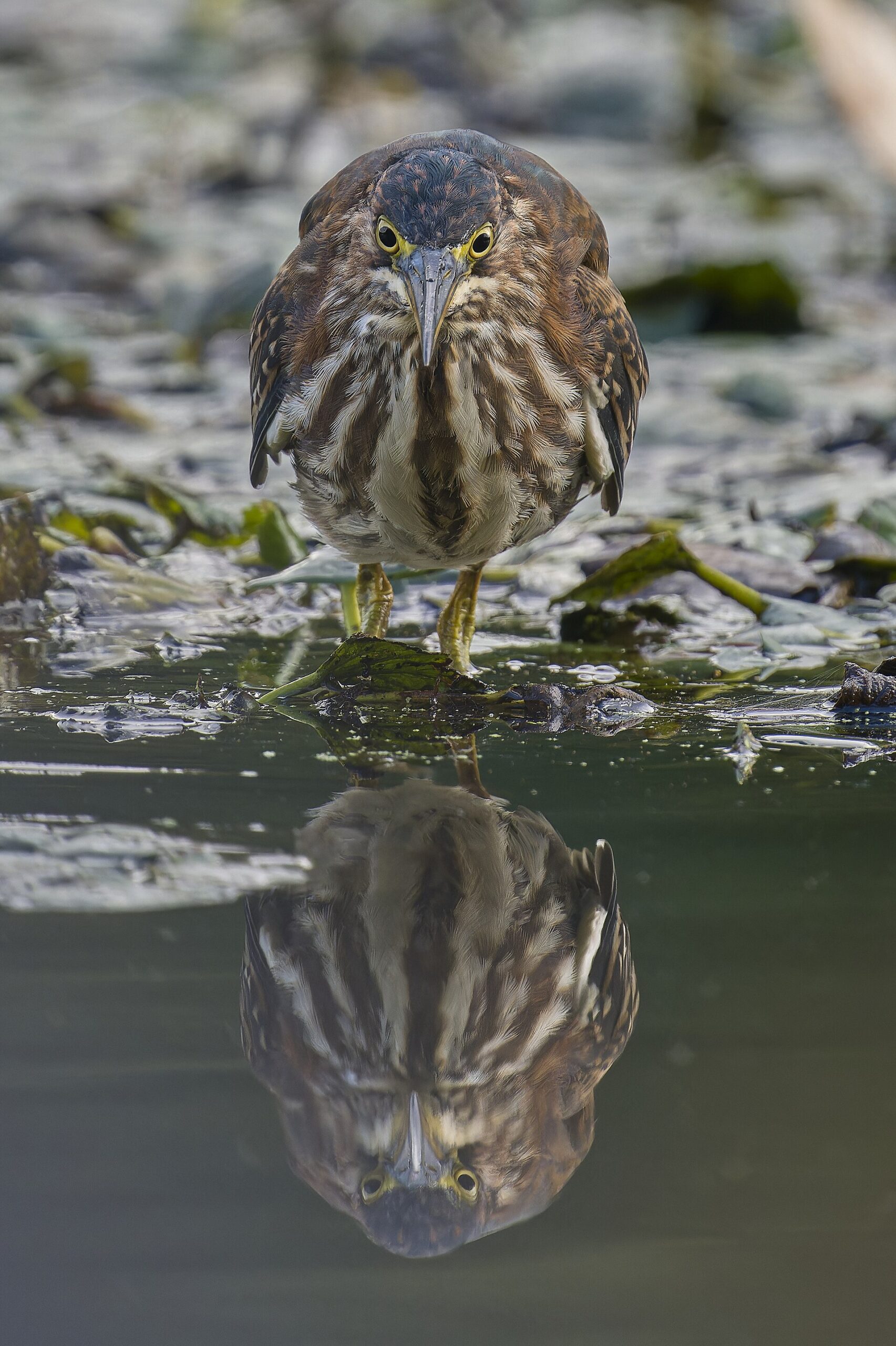
Photo by Paul Danese (CC BY-SA 4.0, via Wikimedia Commons)
The Green Heron, adept in nocturnal hunting, utilizes its compact size and intelligence to expertly capture fish along shallow water edges.
As one of the smaller fish-eating birds, this heron excels in stealth, often using tools like bait to lure its prey closer.
Their remarkable method of attracting fish demonstrates a sophisticated level of hunting prowess unique among herons.
Black Heron
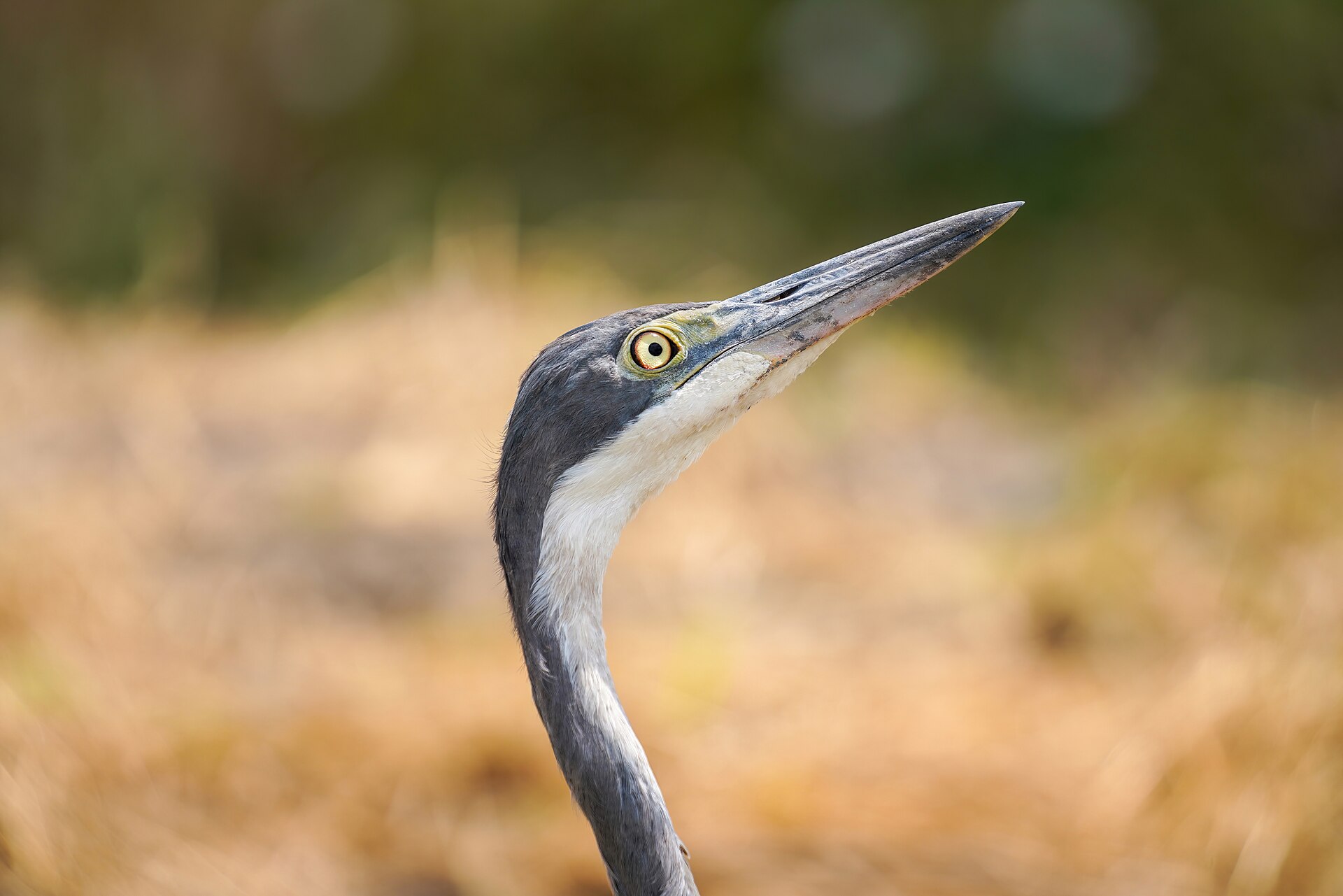
Photo by Giles Laurent (CC BY-SA 4.0, via Wikimedia Commons)
Employing a distinctive hunting strategy known as the 'umbrella method,' Black Herons create shaded areas to effectively attract and catch fish. Standing about 60 cm tall, these herons utilize the canopy hunting technique, stirring mud to lure fish into their trap.
Snowy Egret
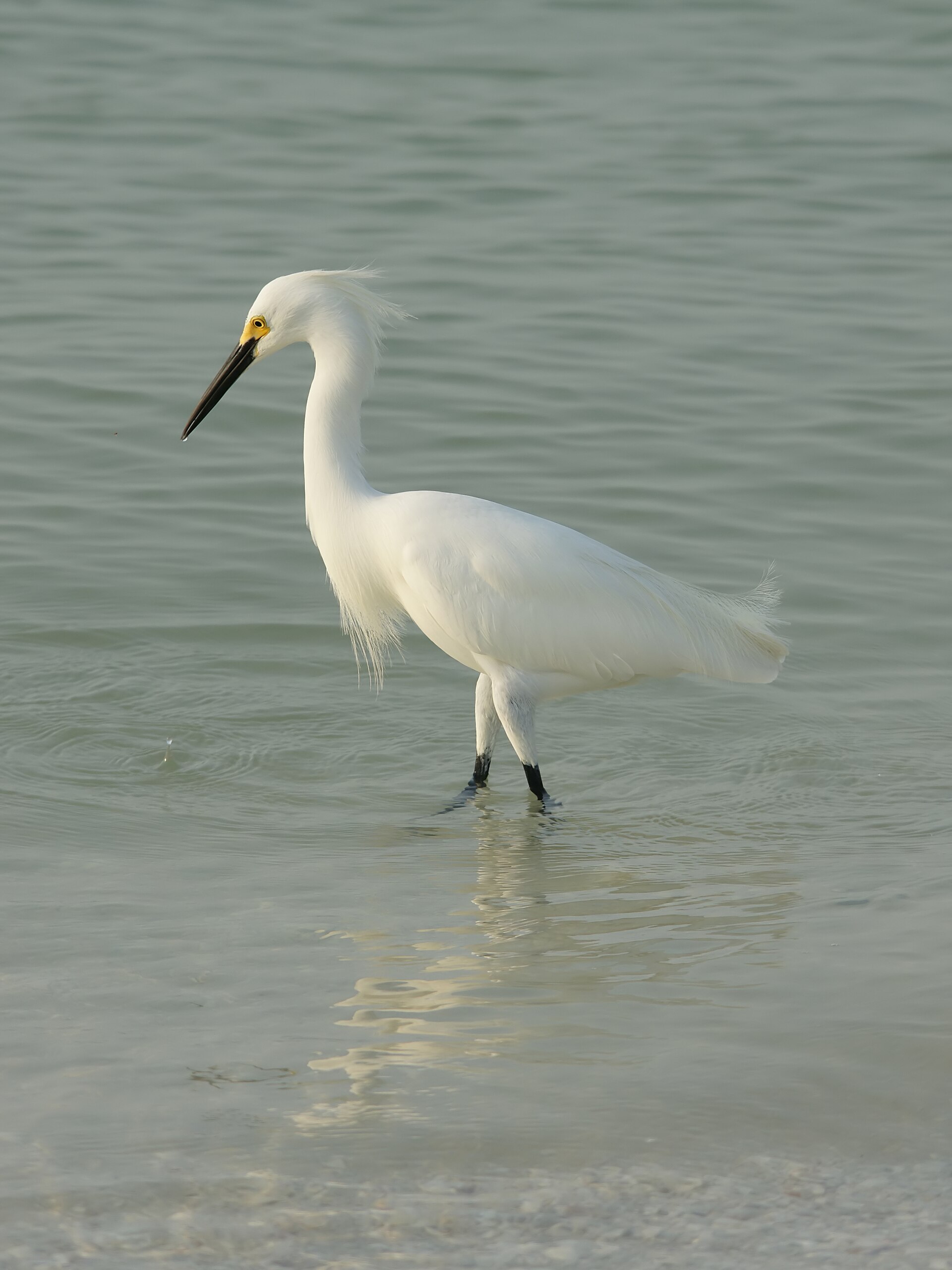
Photo by Hans Hillewaert (CC BY-SA 3.0, via Wikimedia Commons)
Snowy Egrets, standing just over 60 cm tall, primarily hunt fish by stalking and stabbing their prey in the Americas.
They skillfully forage in tidal channels and lagoons, employing techniques like running, hopping, or flying low over water with feet skimming the surface to catch fish.
These birds herd fish towards banks for easier catching and consume them head-first for safety and efficiency.
Yellow-billed Stork
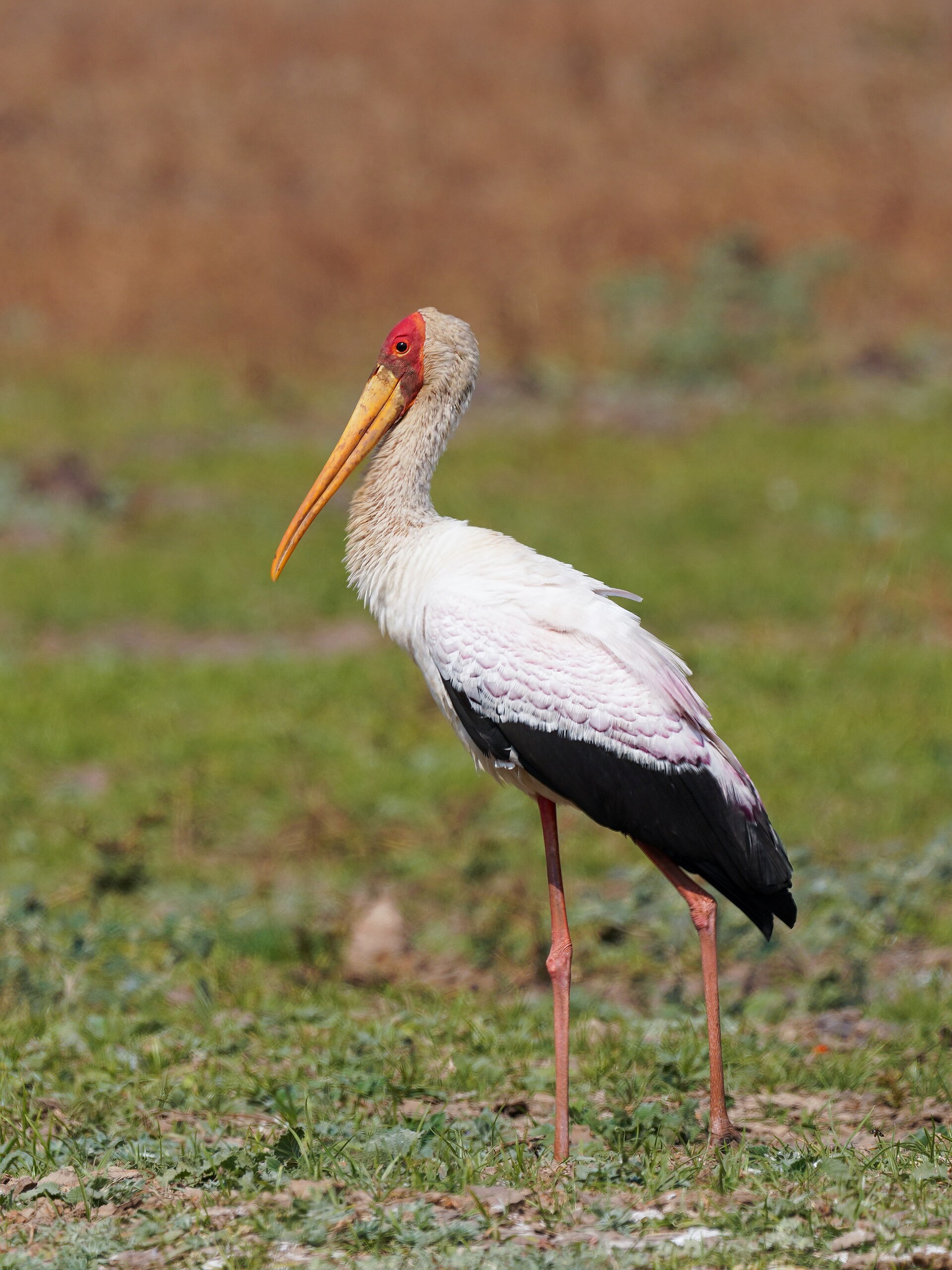
Photo by This Photo was taken by Timothy A. Gonsalves. Feel free to use my photos, but please mention me as the author. I would much appreciate if you send me an email tagooty@yahoo.com or write on my talk page, for my information. Please contact me before commercial use. Please do not upload an edited image here without consulting me. I would like to make corrections only at my own source to ensure that the changes improve the image and are preserved.Otherwise you may upload an edited image with a new name. Please use one of the templates derivative or extract. (CC BY-SA 4.0, via Wikimedia Commons)
Similar to the Snowy Egret, the Yellow-billed Stork is another bird adept at fishing, utilizing a notable technique where it wades and snaps its bill to capture prey in African waterways.
This tall bird often follows Hippopotami and crocodiles, using their movements to disturb fish, which it swiftly catches and manipulates before swallowing, showcasing its proficiency as one of the birds that eat fish.
African Fish Eagle
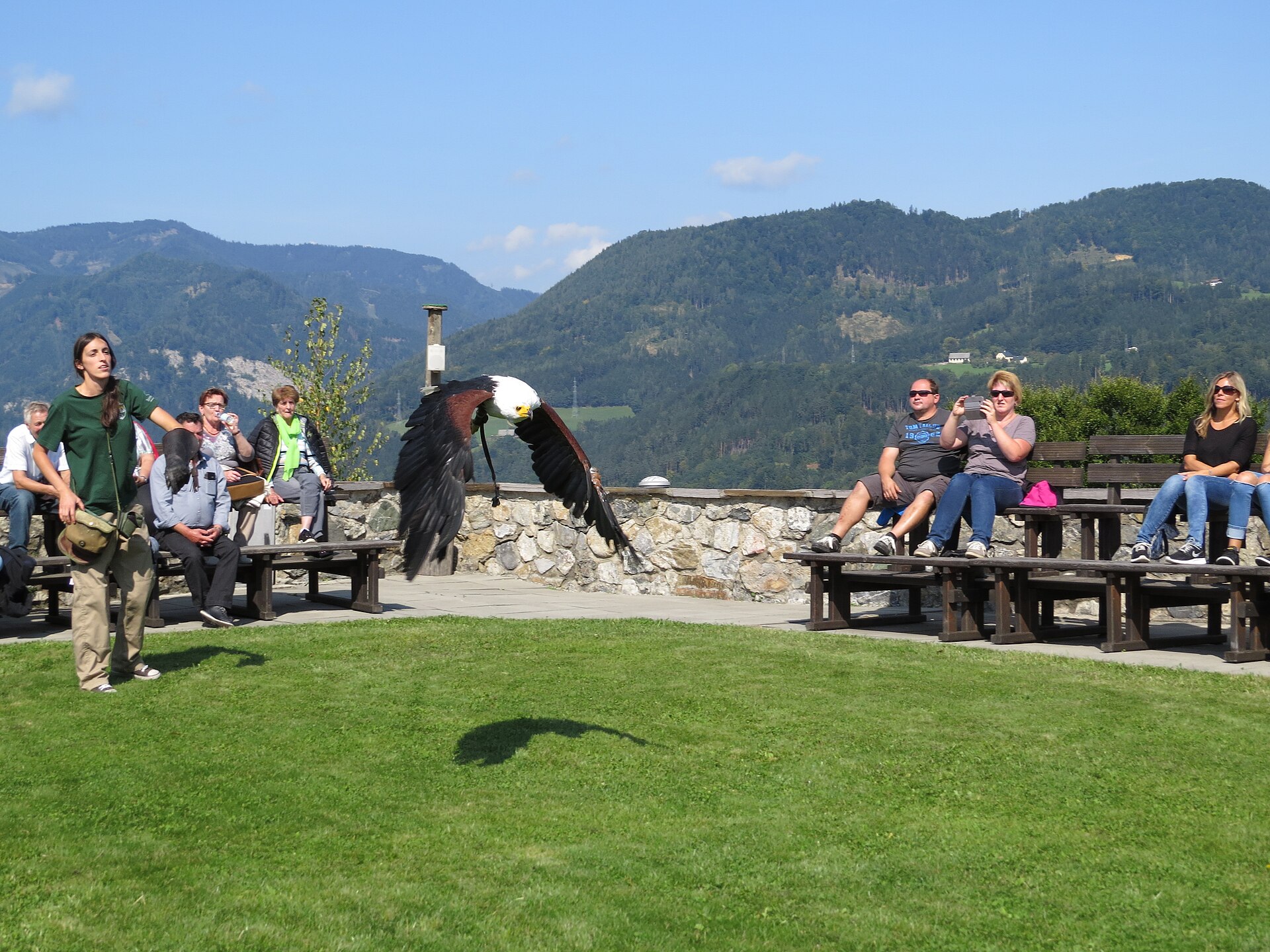
Photo by GT1976 (CC BY-SA 4.0, via Wikimedia Commons)
The African Fish Eagle is easily identifiable by its striking white head and chestnut body. It expertly hunts by swooping down to snatch fish with its powerful talons. Perched above freshwater systems, it utilizes coastal winds to enhance its hunting abilities.
This eagle's technique of gripping fish securely guarantees successful catches, showcasing its prowess as an adept hunter in its natural habitat.
Western Osprey
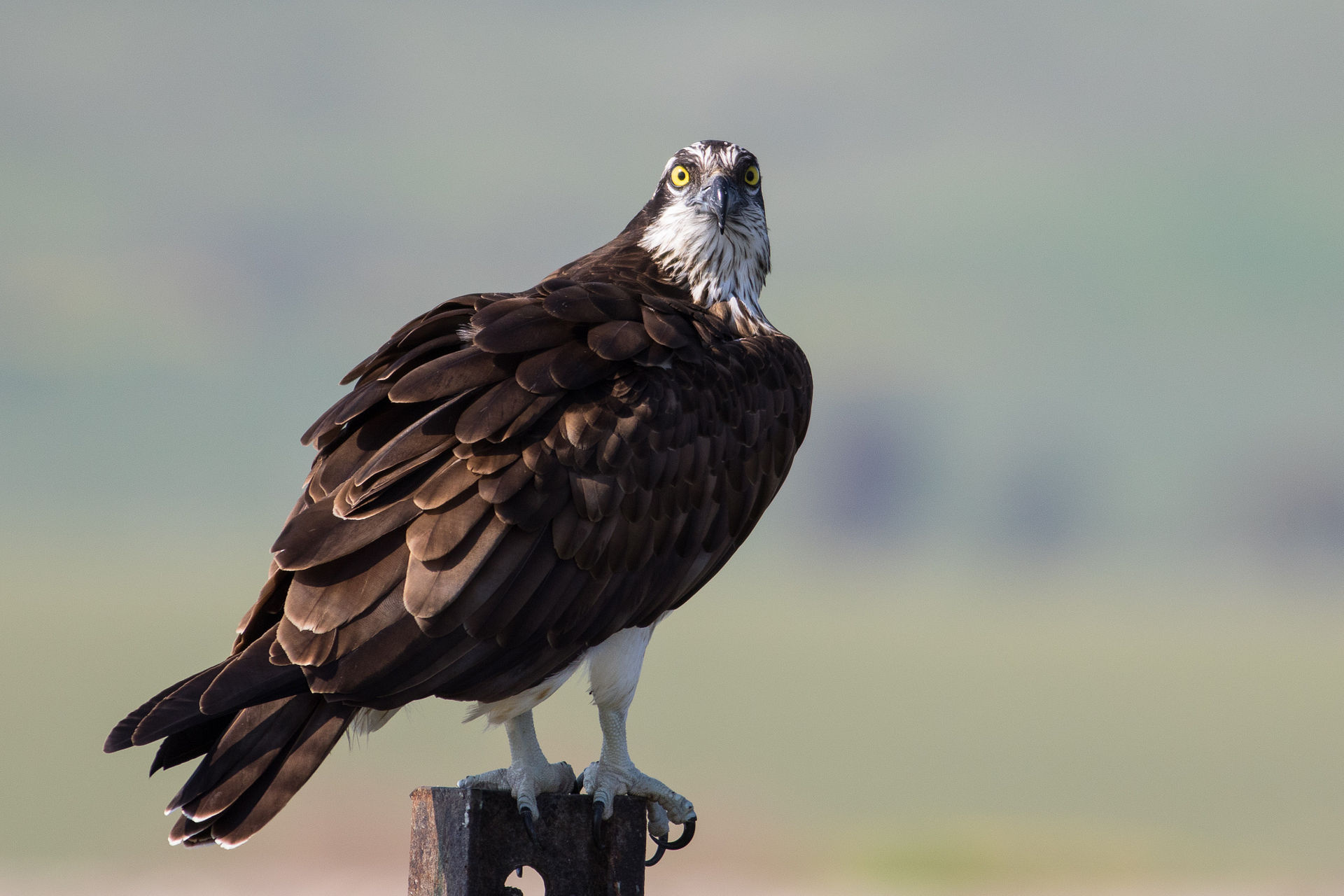
Photo by מינוזיג (CC BY-SA 4.0, via Wikimedia Commons)
Diving with unmatched skill, Western Ospreys are celebrated for their ability to catch fish from deeper waters using their robust talons. These birds exhibit exceptional diving prowess, utilizing reversible outer toes and retractable nostrils to enhance their fishing efficiency.
Found near large water bodies, Western Ospreys are adept at spotting and capturing fish, making them formidable hunters in their aquatic environments.
African Skimmer
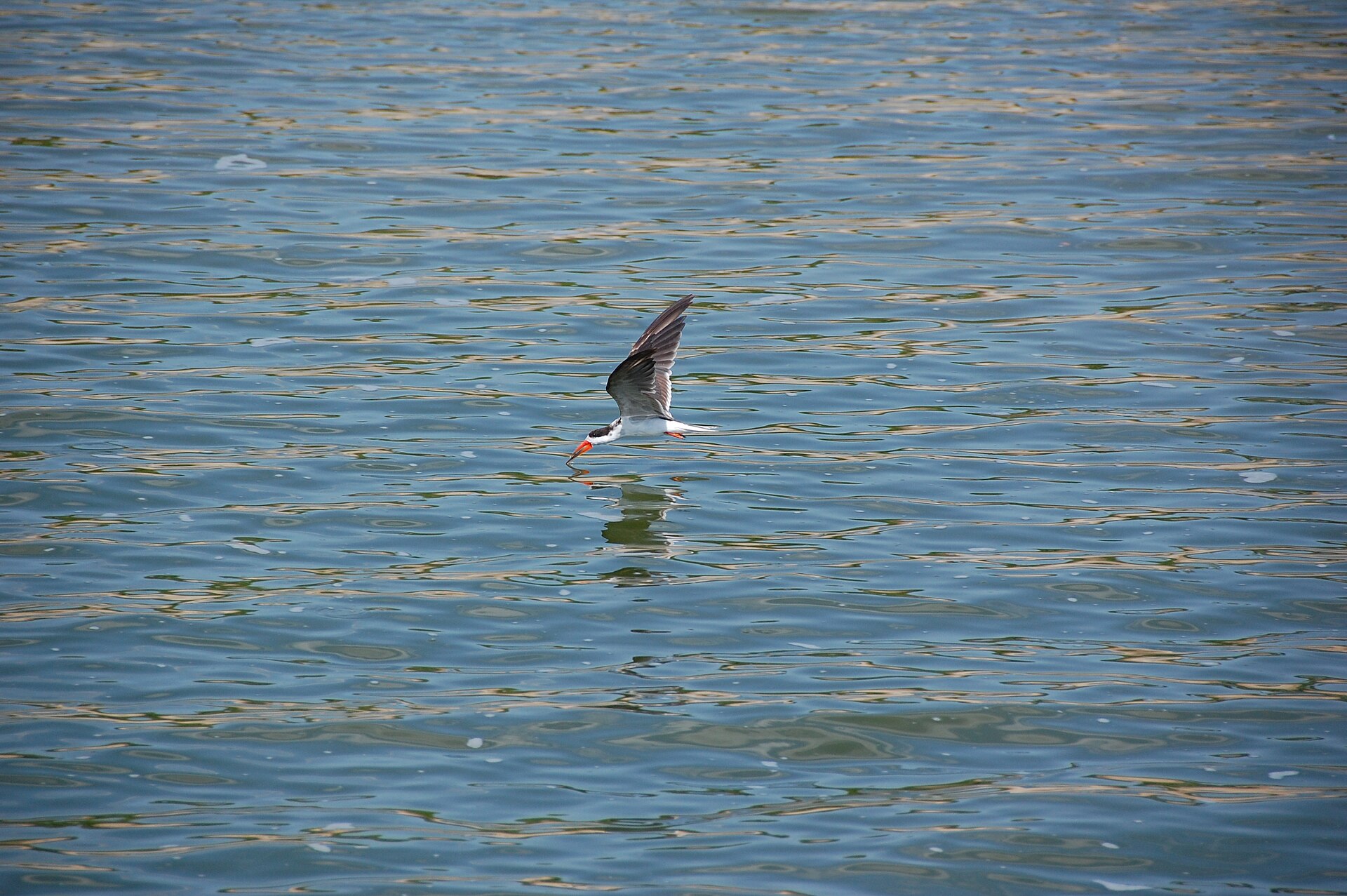
Photo by Noel Reynolds (CC BY 2.0, via Wikimedia Commons)
African Skimmers execute a distinctive fishing technique by skimming their elongated lower mandibles across the water surface to snatch unsuspecting fish. Found along lowland rivers with exposed sandbanks, these birds glide just above the water, adeptly closing their bills to capture fish.
If initially unsuccessful, they persistently return to skim the same area, showcasing their specialized hunting skills among fish-eating birds.
Great White Pelican
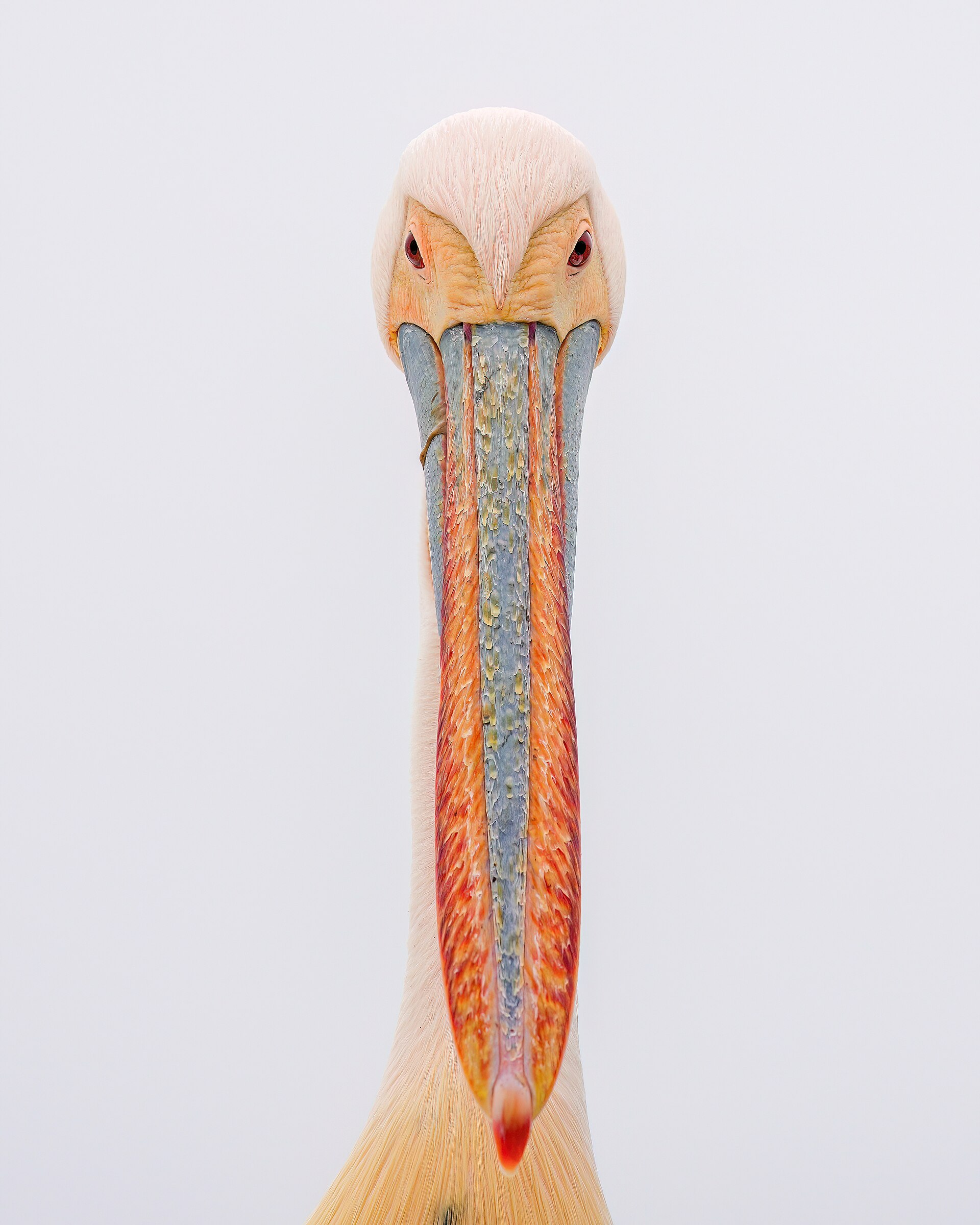
Photo by Giles Laurent (CC BY-SA 4.0, via Wikimedia Commons)
Great White Pelicans, known for their collaborative hunting strategies, employ a trawling technique to efficiently capture fish in various aquatic environments. Found in lakes, estuaries, and dams, these fish catchers work in groups, forming a U-shape to corral and scoop fish into their large pouches.
Their unique approach highlights a distinctive contrast in fishing behaviors among water-dwelling White Pelicans.
Black Guillemots
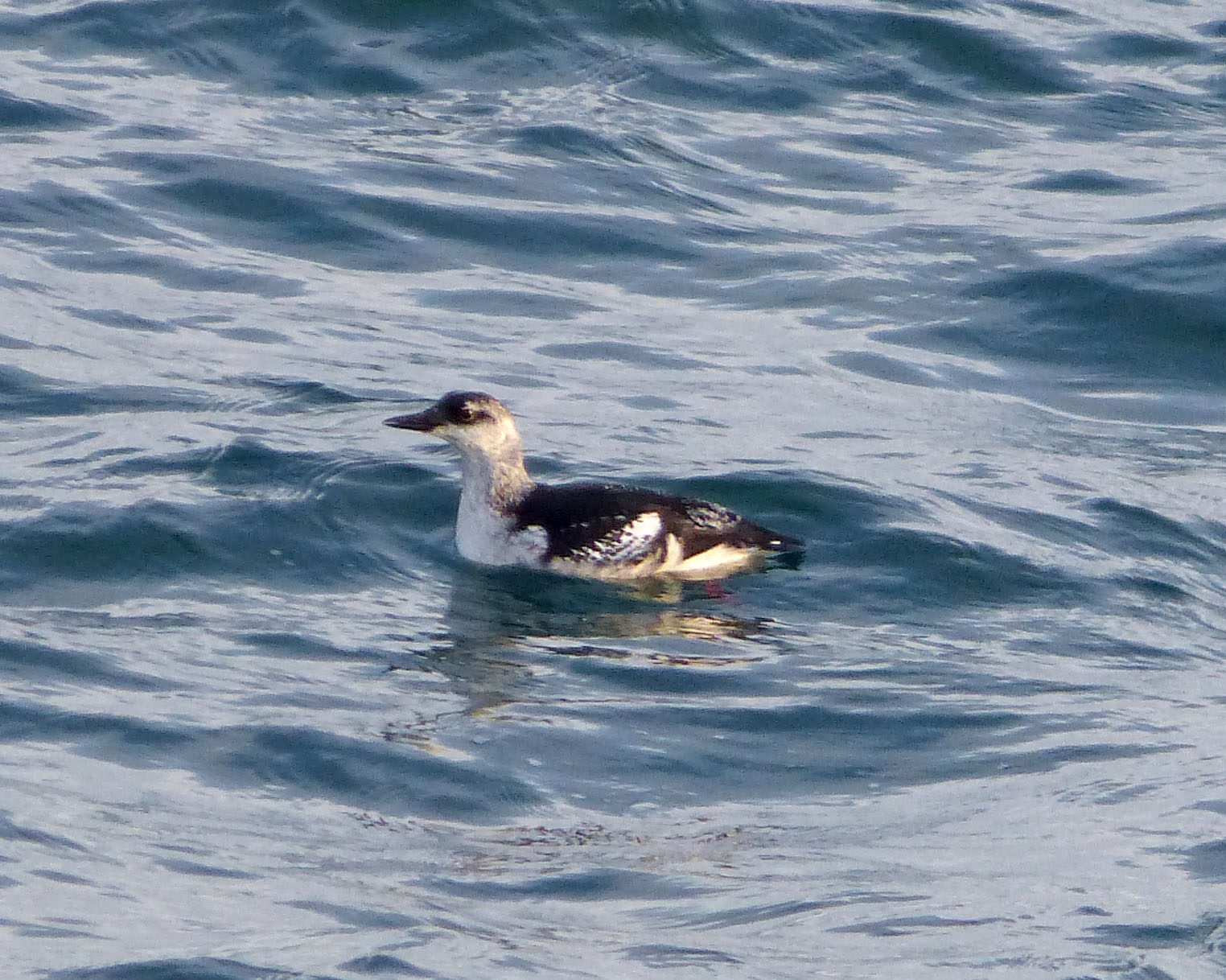
Photo by gailhampshire from Cradley, Malvern, U.K (CC BY 2.0, via Wikimedia Commons)
Black Guillemots are medium-sized seabirds distinguished by their sleek black plumage and a striking white wing patch. They skillfully hunt fish by diving underwater, with finely tuned diving skills for capturing fish, making them adept hunters within their marine ecosystems.
Observers often admire these seabirds for their unique appearance and effective fishing techniques. These skills are essential for their survival in their natural aquatic habitats.
Emperor Penguin
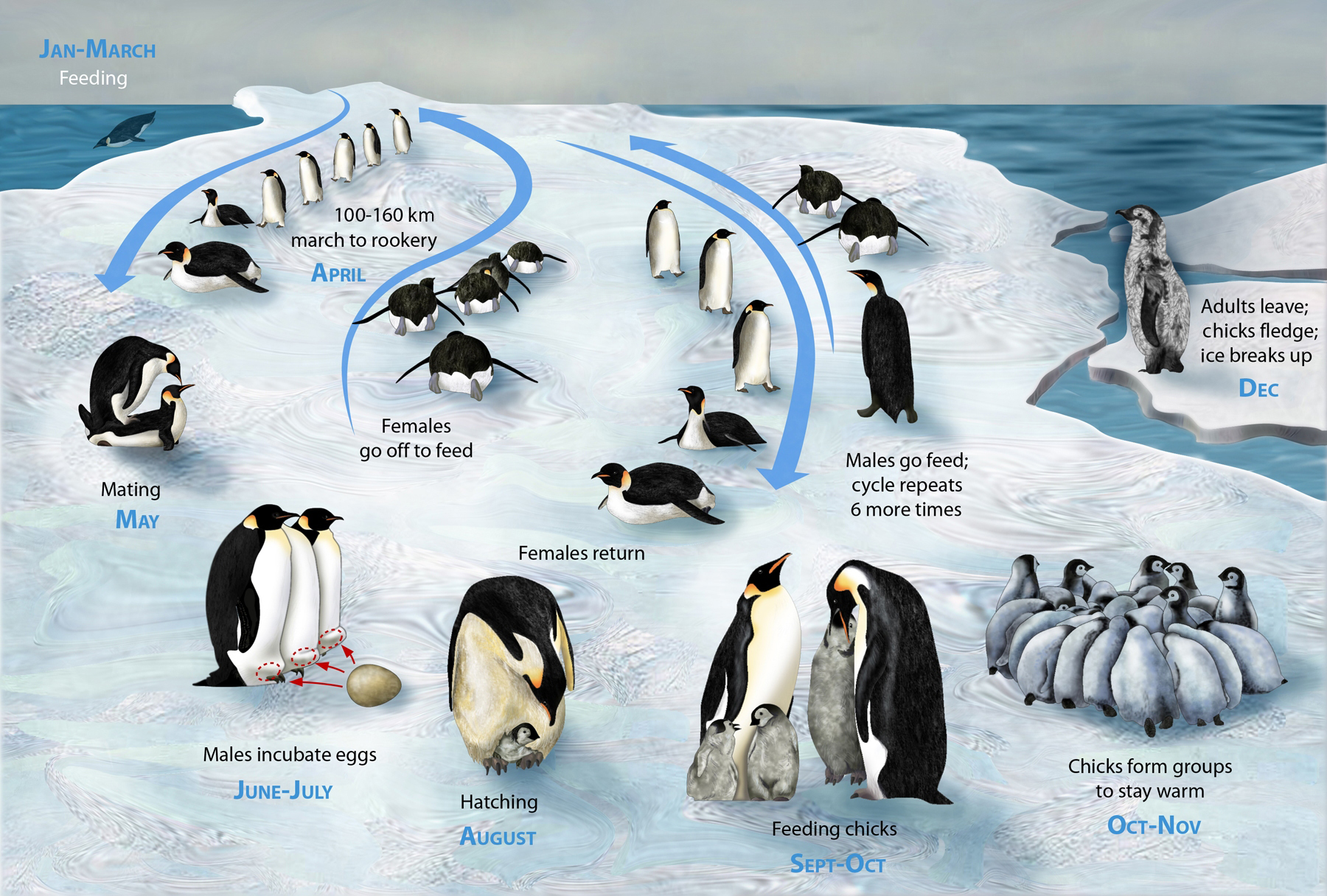
Photo by Zina Deretsky, National Science Foundation (Public domain, via Wikimedia Commons)
The Emperor Penguin, recognized as the tallest of its species, exhibits remarkable diving abilities essential for its fish-based diet. Capable of diving over 500 meters and staying submerged for 15 minutes, these penguins efficiently catch their prey.
Their rough, barbed tongues help secure fish, consuming up to 1.5 kg per meal. This penguin's diet and hunting prowess underscore its adaptation to the aquatic life.
Cape Gannets
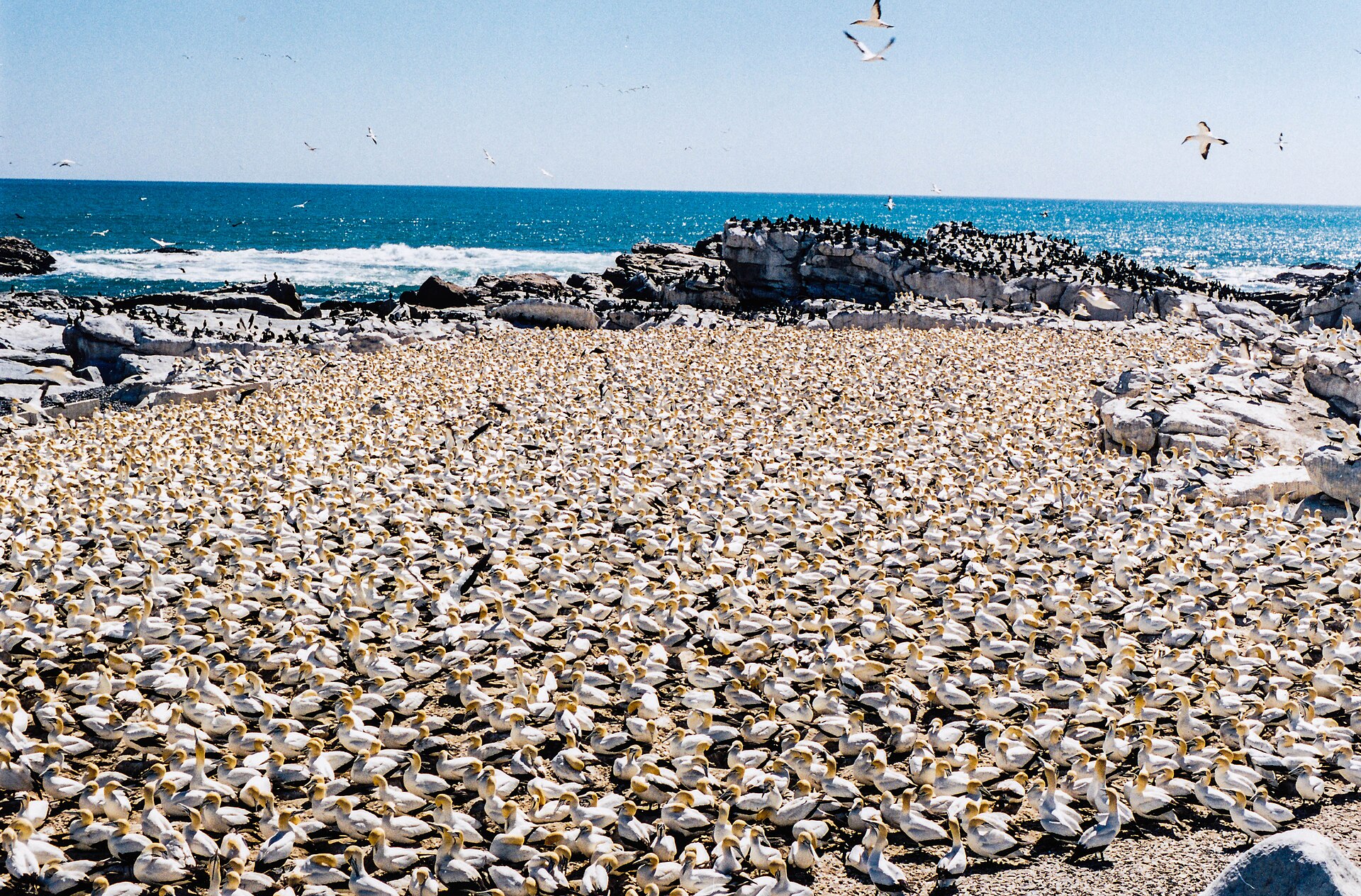
Photo by sussexbirder (CC BY 2.0, via Wikimedia Commons)
Cape Gannets, distinguished by their striking yellow heads and large white bodies, are formidable fish hunters renowned for their dynamic diving techniques. These seabirds excel in aerial agility, using a shallow dive approach to catch baitfish near the surface.
Their ability to travel over 100 km across the ocean underlines their impressive endurance in pursuit of schools of sardines and other fish.
Pied Kingfisher
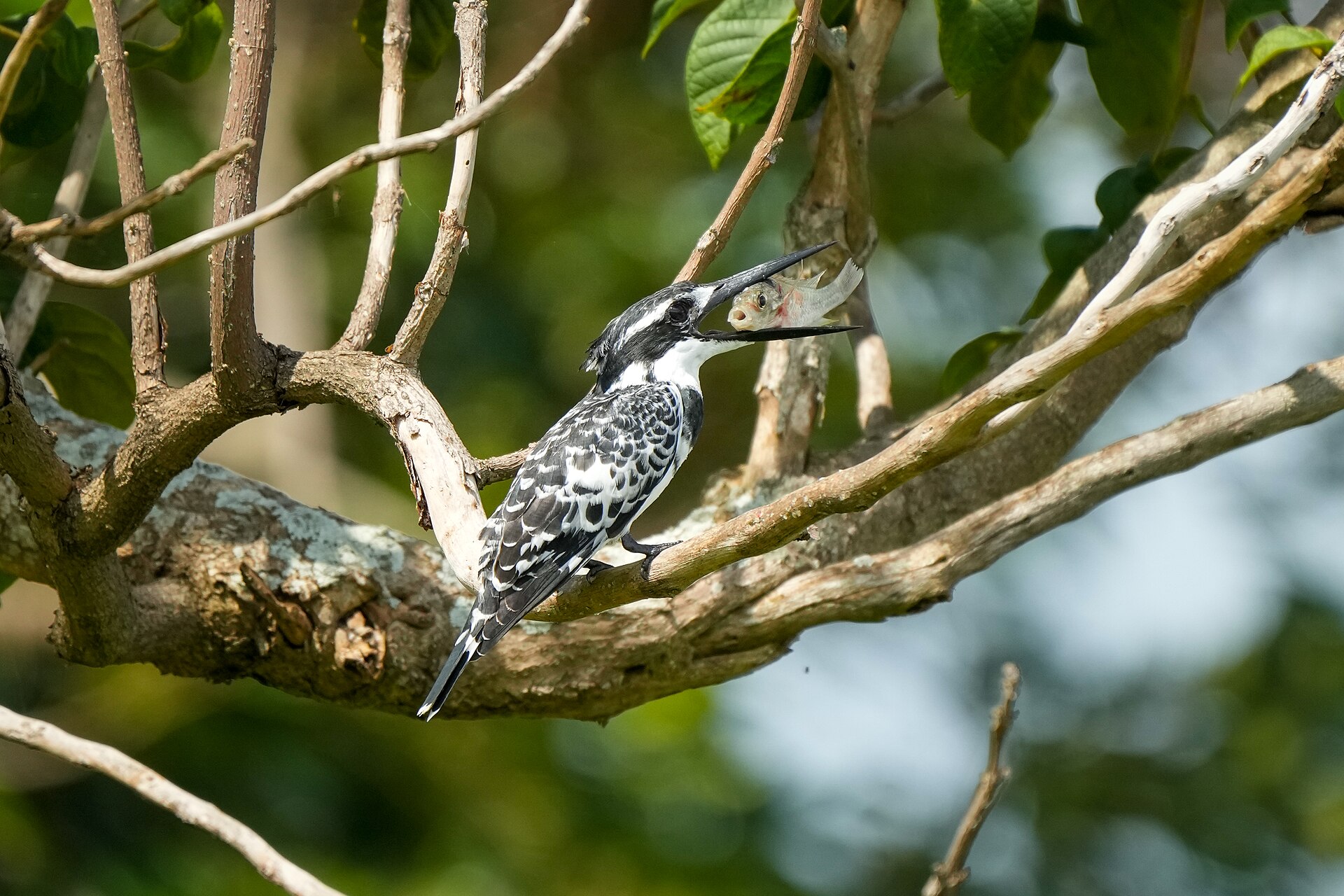
Photo by Giles Laurent (CC BY-SA 4.0, via Wikimedia Commons)
Frequently seen darting over lakes and rivers, the Pied Kingfisher (Ceryle rudis) exhibits a distinct black and white plumage that makes it easily recognizable.
Renowned for its hovering and diving tactics, this bird skillfully uses its sharp beak to snatch fish from water.
Its impressive fishing technique and adaptability across varied aquatic habitats highlight its role as a proficient hunter in diverse ecosystems.
Anhinga
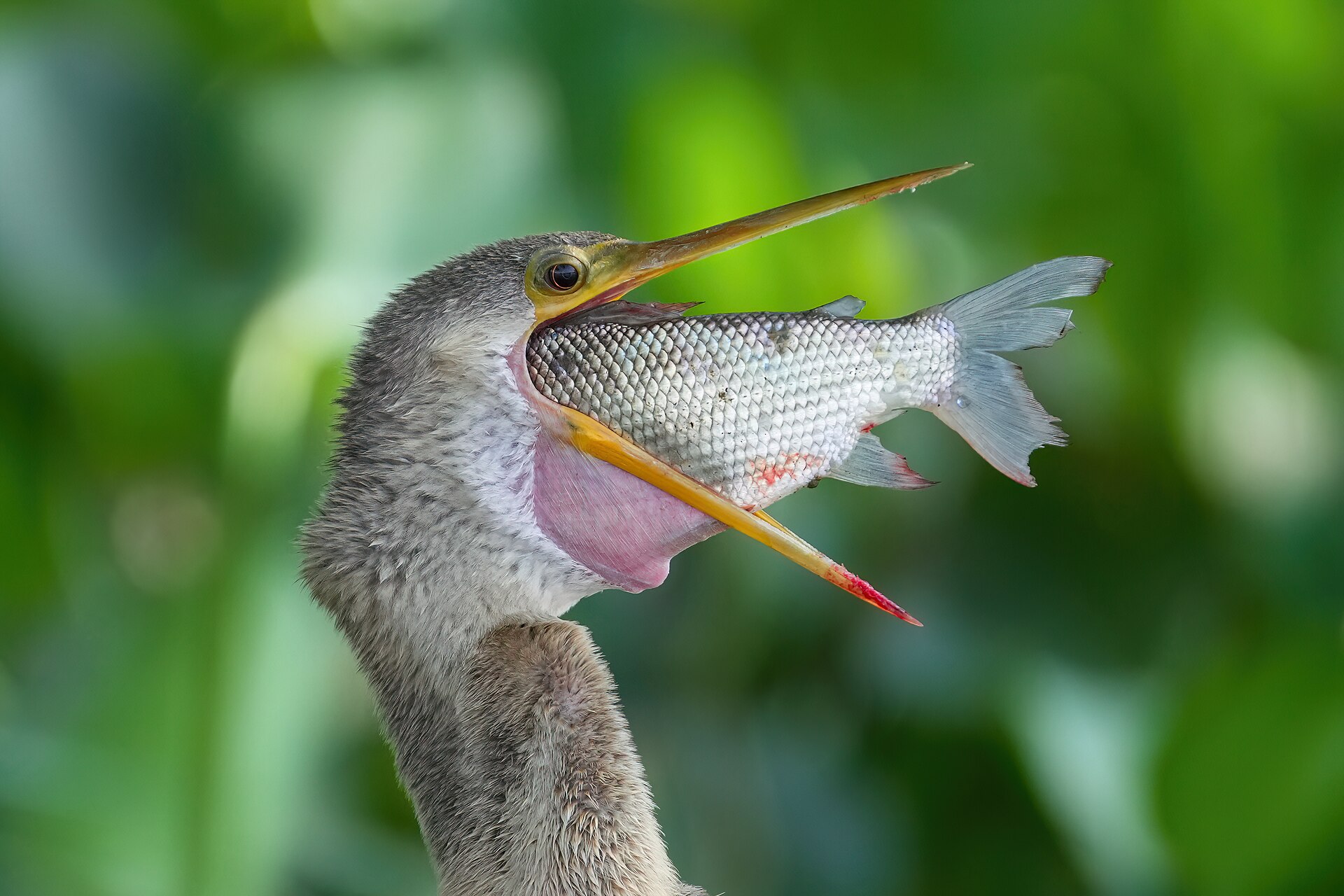
Photo by Giles Laurent (CC BY-SA 4.0, via Wikimedia Commons)
Similar to the Pied Kingfisher, Anhingas are also formidable fish predators, employing a unique hunting strategy in aquatic environments. These expert fish catchers glide through water, using their razor-sharp bills to skillfully stab and seize fish.
Anhingas cleverly blend into their surroundings and sometimes use twigs or insects to lure prey, demonstrating their patient and strategic approach to fishing.
Great Egret
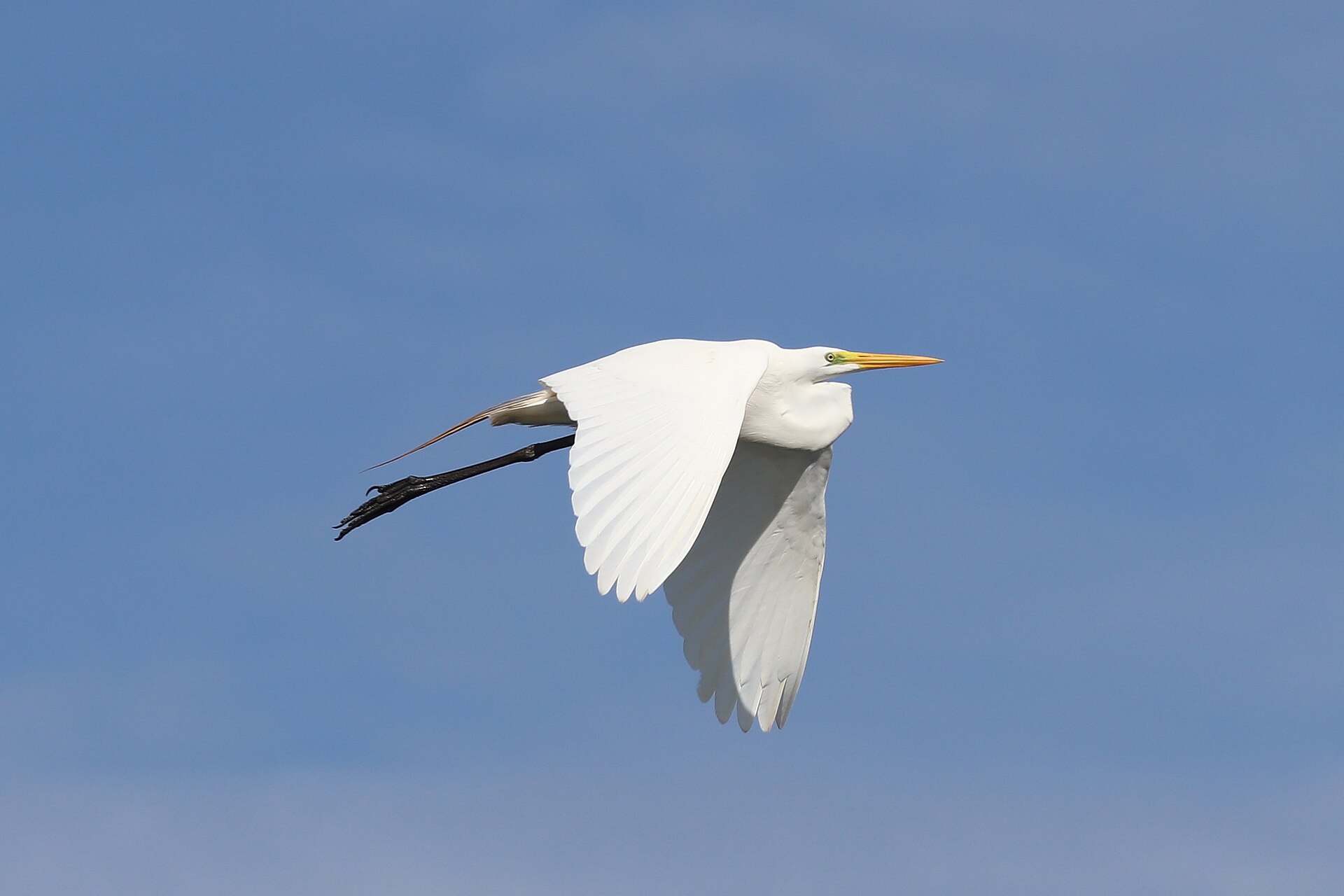
Photo by Charles J. Sharp (CC BY-SA 4.0, via Wikimedia Commons)
The Great Egret is a masterful predator in aquatic environments, distinguished by its impressive wingspan of up to 1.7 meters. With elegant black legs and yellow feet, these egrets catch fish by patiently standing in shallow waters, utilizing their sharp bills to spear prey as it swims by.
They gracefully fly across diverse regions, inhabiting marshes and wetlands worldwide.
Do Carnivorous Birds Also Eat Fish?
Yes, carnivorous birds also eat fish. There are many types of carnivorous birds with pictures showing them hunting and devouring fish as their primary food source. Some popular examples include eagles, ospreys, and herons. They are well adapted to catching and consuming fish in their natural habitats.
Double-crested Cormorant
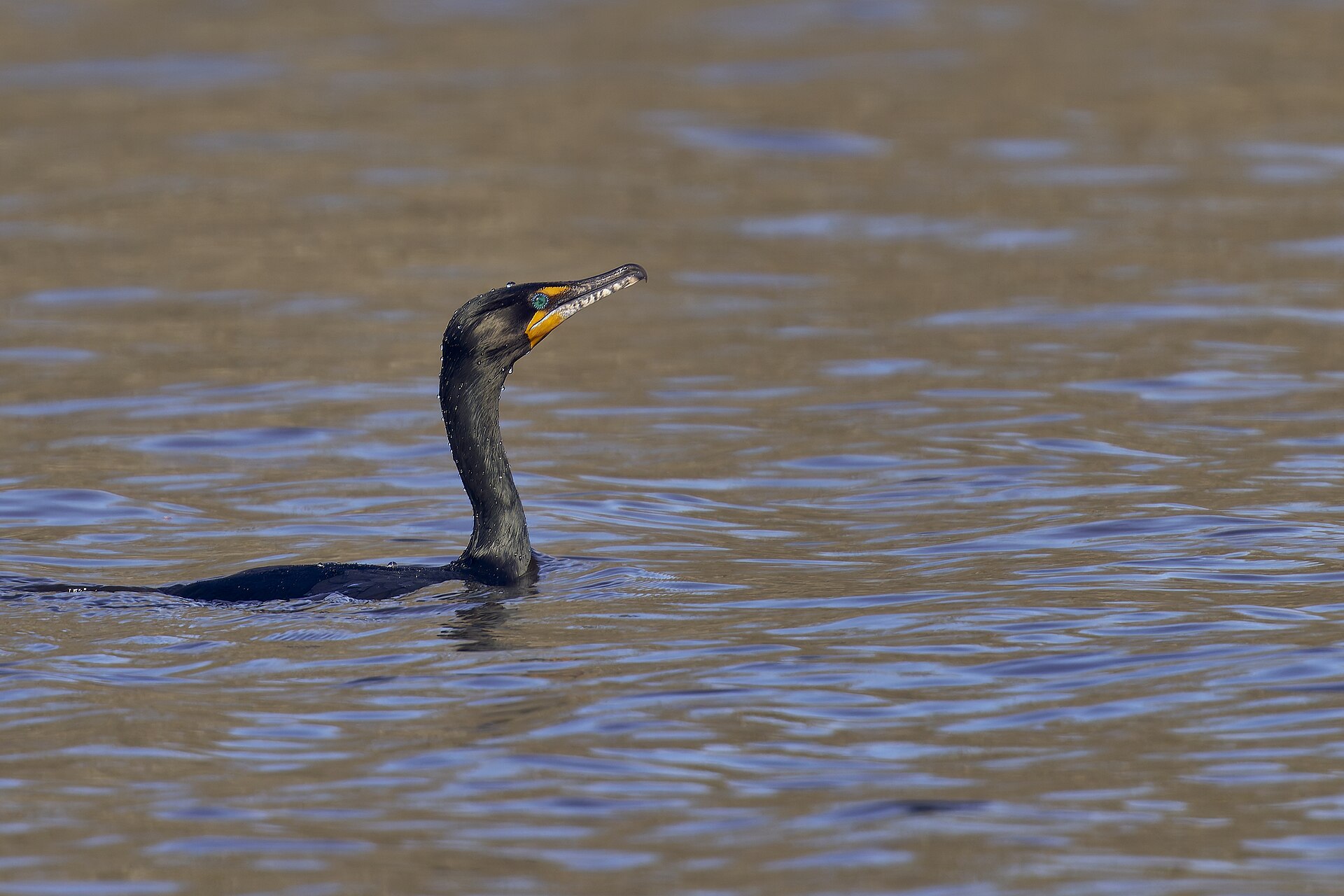
Photo by Paul Danese (CC BY-SA 4.0, via Wikimedia Commons)
Double-crested Cormorants, with their distinctive S-shaped necks, are adept hunters that skillfully stalk their fish prey underwater. Their fishing technique mirrors that of Anhingas, showing great excitement and skill in aquatic environments.
These medium-sized birds demonstrate a focused, determined hunting behavior, patiently waiting and efficiently stalking to capture fish, highlighting their adaptability and strong survival instincts.
