
Mastering Wetland Bird Identification: A Comprehensive Guide for Beginners
Introduction: Unveiling the Avian Wonders of Wetlands
The sheer variety of shapes, sizes, and behaviors exhibited by wetland birds can initially feel overwhelming. However, by systematically understanding their core features, behaviors, and ecological niches, you can unlock the secrets to identifying and profoundly appreciating these magnificent species in their natural, often fragile, environments.
Understanding Wetland Bird Habitats: Where to Find What
Marshes: Grasslands of the Water
Marshes are characterized by emergent herbaceous vegetation like cattails, reeds, sedges, and rushes. They are typically shallow, nutrient-rich, and often experience fluctuating water levels. This environment provides excellent cover and nesting sites for secretive species.
Swamps: Forests on Water
Swamps are dominated by woody vegetation, including trees like cypress and tupelo, and various shrubs. They can be either freshwater or saltwater, depending on their location and hydrology. The flooded forest environment offers unique ecological niches.
Bogs and Fens: Peat-Forming Wetlands
Bogs and fens are unique peat-accumulating wetlands. Bogs are typically acidic, fed primarily by rainwater, and characterized by sphagnum moss and specialized plants like carnivorous pitcher plants. Fens, conversely, are alkaline or neutral, fed by groundwater, and support a more diverse array of sedges and wildflowers.
Lakes and Ponds: Open Water Havens
Lakes and ponds are larger, more open bodies of water, ranging from small farm ponds to vast inland seas. These habitats are prime for waterfowl and other aquatic birds. The open water provides ample space for swimming, diving, and foraging.
Rivers and Streams (Riparian Zones): Linear Lifelines
Rivers and streams, along with their adjacent riparian zones, provide linear wetland habitats that connect different ecosystems. These areas are characterized by flowing water and the unique plant communities that thrive along their banks. The dynamic nature of these environments supports a specific set of avian species.
Estuaries and Coastal Wetlands: Where Fresh Meets Salt
Estuaries and coastal wetlands are dynamic environments where freshwater rivers meet the saltwater of the ocean. This includes salt marshes, mudflats, and mangrove forests. These areas are incredibly productive due to the mixing of nutrients and are vital for a vast array of birdlife.
Key Features for Wetland Bird Identification: A Birder’s Toolkit
When confronted with a new bird, a systematic approach to observation is crucial. Focus on these key features, and you’ll quickly develop a mental checklist that aids in rapid and accurate identification. Each element provides a piece of the puzzle, helping you narrow down possibilities and confidently name the species.
Size and Overall Shape (Silhouette)
Before noting colors, assess the bird’s general size relative to familiar objects or other birds, and its overall silhouette. Is it small and compact like a rail, or large and gangly like a heron? Does it have a long neck, a short tail, or a stocky body? This initial impression can immediately place the bird into a broad category, such as “small duck” or “large wading bird,” significantly reducing the number of potential species.
Bill Type and Position
The bill is a powerful indicator of a bird’s diet and feeding strategy, reflecting its evolutionary adaptations. Observe its length, thickness, curvature, and color. Is it long and dagger-like for spearing fish, as seen in herons and egrets? Is it short and stout for cracking seeds, a feature of some ducks? Perhaps it’s broad and flattened for filtering food from water, characteristic of dabbling ducks, or long and slender for probing mud, typical of many shorebirds. Also, note its position: does it point upwards, downwards, or straight ahead?
Leg Length and Color
Legs are adapted to the bird’s movement and foraging environment. Wading birds, by definition, possess remarkably long legs to navigate shallow water without getting their bodies wet, keeping their plumage dry. Shorebirds often have moderately long, slender legs, ideal for running on mudflats. Ducks and geese, primarily aquatic, have shorter, stouter legs positioned further back on their bodies for efficient swimming. Pay close attention to leg color, which can range from dull grays and blacks to vibrant yellows, greens, or reds, often being a species-specific identifier that helps distinguish between similar-looking birds.
Plumage and Coloration
While often the most striking feature, plumage can also be the most variable due to age, sex, and seasonal changes. Look for overall color patterns: is the bird uniformly colored, or does it have distinct patches, streaks, or spots? Note the color of the head, back, wings, and underparts. Be aware of sexual dimorphism, where males and females look different (common in ducks), and seasonal plumage changes, such as breeding versus non-breeding attire, which can drastically alter a bird’s appearance.
Behavior and Posture
How a bird moves and holds itself provides invaluable clues that are often as diagnostic as physical features. Does it wade slowly and deliberately, like a heron patiently waiting for prey? Does it dabble its head in the water, a common feeding behavior of mallards? Does it dive completely underwater, characteristic of loons and diving ducks? Or does it skulk secretively in dense vegetation, a hallmark of rails and bitterns?
Vocalizations
For many secretive wetland birds, their calls are the primary means of detection and identification. Learning the distinctive hoots, croaks, quacks, whistles, and trills of common wetland species is an essential skill. A bird’s voice can often lead you to a hidden individual that would otherwise remain unseen, or confirm the presence of a species you suspect is nearby. Many field guides and apps include sound recordings to aid in this aspect of identification.
Common Wetland Bird Groups and How to Recognize Them
To simplify identification, it’s helpful to categorize wetland birds into common groups, each with shared characteristics and behaviors. Understanding these broad classifications provides a framework for narrowing down possibilities and focusing your identification efforts.
Herons and Egrets (Family Ardeidae)
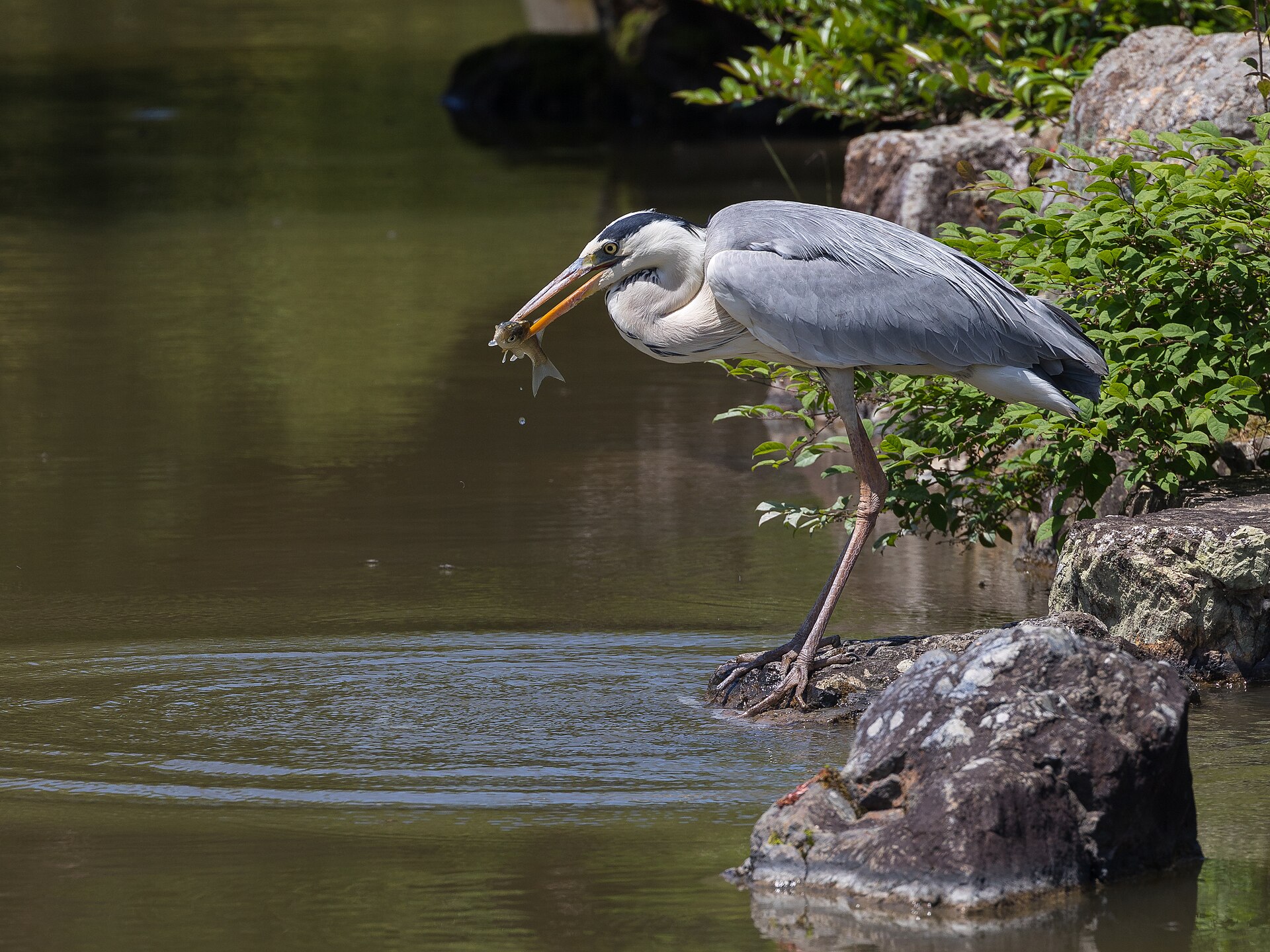
These are the quintessential wading birds, instantly recognizable by their long legs, long necks, and sharp, dagger-like bills. They typically hunt by standing motionless or slowly stalking prey in shallow water, patiently waiting for fish, amphibians, or insects. Their flight is distinctive, characterized by slow, deliberate wingbeats and their necks often tucked into an ‘S’ shape, which differentiates them from cranes that fly with outstretched necks.
- Great Blue Heron: This majestic bird is large and grayish-blue, often seen standing regally at the water’s edge or flying overhead with powerful wingbeats. It is one of the most widespread and easily recognized wading birds.
- Great Egret: A large, pure white bird with a striking yellow bill and black legs. During breeding season, it often sports elegant, flowing plumes on its back, adding to its graceful appearance.
- Snowy Egret: Smaller than the Great Egret, this bird is also pure white but has a black bill, black legs, and striking yellow feet, often referred to as ‘golden slippers.’ These bright feet are used to stir up prey in shallow water.
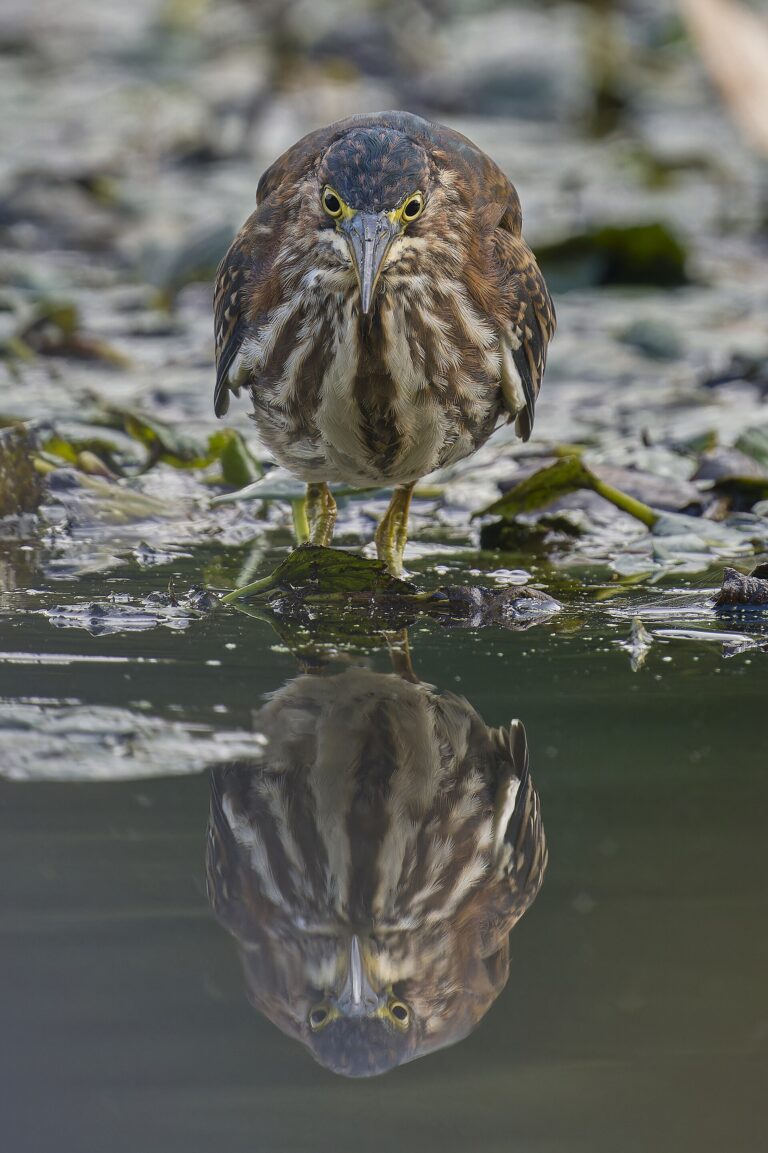
- Green Heron: A smaller, stocky heron with a greenish-black cap, chestnut neck, and greenish-gray back. It often perches low over the water, sometimes dropping bait to lure fish, showcasing a remarkable intelligence.
- American Bittern: A master of camouflage, this streaky brown bird often stands perfectly still with its bill pointed skyward, blending seamlessly with reeds. Its booming ‘oong-ka-choonk’ call is far more often heard than the bird itself is seen, a true testament to its secretive nature.
Waterfowl (Family Anatidae: Ducks, Geese, Swans)
This diverse group is characterized by webbed feet for swimming, waterproof plumage, and bills adapted for feeding on aquatic vegetation or invertebrates. They are broadly divided into dabbling and diving ducks, a key distinction in their feeding behavior and body structure.
Dabbling Ducks
These ducks feed by tipping their bodies forward, keeping their tails in the air, to reach submerged vegetation or by skimming food from the surface. They typically take off directly from the water with a powerful leap, rather than needing a running start.
Diving Ducks
These ducks dive completely underwater to forage for food, using their powerful webbed feet for propulsion. Their legs are set further back on their bodies, making them excellent swimmers but somewhat awkward on land. They often need a running start on the water to become airborne.
Geese and Swans
These are generally larger than ducks, with longer necks and more terrestrial habits, though still highly aquatic. They are often seen grazing on land as well as foraging in water.
Rails, Gallinules, and Coots (Family Rallidae)
This family includes some of the most secretive marsh dwellers, alongside more conspicuous water birds. They generally have strong legs and long toes, adapted for walking on soft ground or floating vegetation.
Shorebirds (Order Charadriiformes: Sandpipers, Plovers, Stilts, Avocets)
While many shorebirds prefer coastal mudflats, several species are common in inland wetlands, especially during migration. They typically have long legs and bills adapted for probing mud or picking insects from the surface. Their camouflage can make them challenging to spot.
Grebes and Loons (Families Podicipedidae and Gaviidae)
These are highly specialized diving water birds, often mistaken for ducks, but with distinct features. They have legs set far back on their bodies, making them excellent swimmers and divers but extremely awkward on land, where they can barely walk.
Practical Birding Tips for Wetland Habitats
Birding in wetlands presents unique opportunities and challenges. The dense vegetation, open water, and often muddy terrain require a specific approach. Employing these practical tips will significantly enhance your chances of successful identification and an enjoyable experience, while also ensuring your safety and minimizing disturbance to wildlife.
Patience and Observation are Paramount
Wetland birding is not a race. Many species are secretive, well-camouflaged, or simply move slowly. Find a comfortable spot, remain still, and observe your surroundings. Let the birds come to you, or slowly scan the area with your binoculars. The longer you observe, the more likely you are to notice subtle behaviors, movements, or glimpses that aid identification. Rushing through a wetland often means missing out on its hidden treasures.
Essential Gear for Wetland Birding
Having the right equipment can make all the difference in your wetland birding experience, enhancing your ability to see, identify, and enjoy the birds.
Optimal Timing for Bird Activity
Timing your visits can significantly impact the number and variety of birds you encounter. Early mornings and late afternoons are generally the most active times for birds, as they are busy foraging, singing, and interacting. Many species are more vocal and visible during these periods. Migration seasons (spring and fall) offer the greatest diversity of species, as many shorebirds and waterfowl pass through wetlands on their epic journeys, using them as crucial stopover points for rest and refueling.
Listen Actively and Learn Calls
For secretive species like rails, bitterns, and some marsh wrens, listening is often the primary means of detection. These birds are experts at hiding in dense vegetation, making visual identification difficult. Familiarize yourself with common wetland bird vocalizations using apps, online resources, or sound libraries. Learning calls can lead you to birds you might otherwise never see.
