
Introduction: The Resilience of Birds in Winter
Winter, with its biting winds, freezing temperatures, and often scarce food resources, presents one of the most formidable challenges for avian life. For bird enthusiasts, however, it also offers a unique and rewarding opportunity to witness the incredible resilience and ingenious adaptations of our feathered friends. While many species migrate to warmer climes, a surprising number remain, transforming our winter landscapes into a vibrant, albeit often subtle, stage for survival.
Understanding how these birds endure the cold not only deepens our appreciation for them but also enhances our birding experience, allowing for more informed observation and a greater connection to the natural world. This comprehensive guide delves into the fascinating strategies birds employ to survive winter, provides practical advice for identifying them in their seasonal guise, and offers tips for responsible observation and conservation.
Understanding Bird Adaptations to Winter: A Masterclass in Survival
Physiological Marvels: The Internal Furnace
Birds are warm-blooded creatures, meaning they maintain a constant internal body temperature regardless of their surroundings. This is a significant advantage in cold weather, but it requires a substantial energy investment. To combat heat loss, birds have evolved several physiological adaptations:
- Feather Insulation: Feathers are not just for flight; they are exceptional insulators. Birds can fluff up their feathers, trapping a layer of air close to their bodies, much like a down jacket. This increases the insulating layer and reduces heat loss. The density of feathers can also increase in winter, providing an even thicker barrier against the cold. For example, a Black-capped Chickadee, a common winter resident across much of North America, can increase its feather insulation by up to 30% in colder temperatures.
- Fat Reserves: Before winter sets in, or even daily, birds will actively forage to build up fat reserves. Fat is a highly efficient energy source, providing fuel for metabolic processes that generate heat. Smaller birds, with their higher metabolic rates and larger surface area-to-volume ratio, often need to feed almost constantly throughout the short winter days to accumulate enough fat to survive the long, cold nights.
- Shivering Thermogenesis: Just like humans, birds shiver to generate heat. This involuntary muscle contraction is a highly effective way to produce warmth when temperatures drop. You might observe a small bird like a Dark-eyed Junco perched on a branch, its body subtly trembling, a clear sign it’s actively working to stay warm.
- Countercurrent Heat Exchange: This remarkable adaptation is particularly evident in birds that spend time in or near cold water, such as ducks and geese. Arteries carrying warm blood to the feet run immediately alongside veins carrying cold blood back to the body. Heat is transferred from the warm arterial blood to the cold venous blood, warming it before it returns to the body core. This minimizes heat loss from the extremities, allowing birds to stand on ice or swim in frigid water without losing excessive body heat.
Behavioral Ingenuity: Smart Choices for Survival
Beyond their internal mechanisms, birds exhibit a range of clever behaviors to navigate winter’s challenges:
- Roosting and Huddling: Many species seek sheltered locations for roosting, such as dense conifer trees, tree cavities, or even birdhouses. Cavity nesters like woodpeckers and chickadees often use their excavated holes as winter shelters. Some species, like European Starlings or American Goldfinches, will huddle together in large groups, sharing body heat to conserve energy. Observing a tight cluster of finches on a branch at dusk can be a heartwarming sight and a testament to their communal survival strategy.
- Foraging Strategies: Food scarcity is a major winter hurdle. Birds adapt their foraging behaviors to find available resources. Some, like nuthatches and chickadees, cache food during warmer months, storing seeds and insects in tree bark crevices for later retrieval. Others, such as Northern Cardinals, switch their diet to rely more heavily on readily available seeds and berries. Woodpeckers continue to probe for insects under bark, while raptors like the Red-tailed Hawk maintain their predatory role, often becoming more visible as they hunt in open winter landscapes.
- Torpor: A more extreme energy-saving measure, torpor is a state of reduced metabolic activity, similar to a short-term, less severe form of hibernation. During torpor, a bird’s body temperature, heart rate, and respiration rate drop significantly, conserving precious energy. Hummingbirds, for instance, are known to enter torpor on cold nights, emerging with the morning sun to forage. While less common in larger birds, some small passerines can also utilize torpor when food is scarce and temperatures plummet.
- Sun-Basking: On sunny winter days, you might observe birds perching with their backs to the sun, fluffing their feathers to maximize exposure. This simple act helps them absorb solar radiation, providing a free source of warmth and reducing the need to expend metabolic energy.
Migration vs. Residency: A Tale of Two Strategies
The most dramatic avian response to winter is migration. Species like the American Robin, Cedar Waxwing, and many warblers undertake epic journeys to warmer southern regions where food is abundant. This strategy avoids the harsh conditions altogether. However, migration is incredibly energy-intensive and fraught with perils, including predators, storms, and habitat loss along the route.
Conversely, resident species, such as the Black-capped Chickadee, Northern Cardinal, Downy Woodpecker, and White-breasted Nuthatch, choose to brave the winter. Their survival hinges on the physiological and behavioral adaptations described above. These birds have specialized diets, robust insulation, and often a deep understanding of their local environment, including reliable food sources and sheltered roosting sites. The choice between migration and residency is a complex evolutionary trade-off, with each strategy offering distinct advantages and disadvantages.
Identifying Birds in Winter: Sharpening Your Observational Skills
Winter birding presents unique identification challenges and opportunities. With deciduous trees bare, birds can be easier to spot, but their behavior and sometimes their plumage may differ from warmer months.
Key Visual Clues: Beyond Breeding Plumage
While many birds retain their basic appearance year-round, winter can bring subtle changes. Some species, particularly males, may lose their vibrant breeding colors, adopting a more subdued ‘basic’ plumage that offers better camouflage against the muted winter landscape. For example, male American Goldfinches transform from brilliant yellow to a duller, olive-brown. Always consult a regional field guide that illustrates both breeding and non-breeding plumages.
Focus on these consistent field marks:
- Size and Shape: These are fundamental and rarely change. Is the bird robin-sized or sparrow-sized? Is its body stout or slender? Does it have a long tail or a short one?
- Beak Shape: A bird’s beak is a strong indicator of its diet and, therefore, its species. A thick, conical beak suggests a seed-eater (finches, sparrows), while a thin, pointed beak might belong to an insectivore (wrens, kinglets). A strong, chisel-like beak points to a woodpecker.
- Overall Coloration and Patterns: Even in subdued winter plumage, look for consistent patterns like wing bars, eye rings, streaking on the breast, or patches of color. The bold black bib and cap of a Black-capped Chickadee, or the striking red of a male Northern Cardinal, are unmistakable year-round.
- Flight Pattern: Does the bird fly in an undulating (wavy) pattern, like many finches and woodpeckers, or in a straight, direct flight, like a robin or starling?
- Behavior: How does the bird move? Does it hop on the ground, climb tree trunks, or flit through branches? Does it forage alone or in a flock? Is it constantly flicking its tail? These behaviors are often species-specific and can be crucial for identification. For instance, a small bird spiraling down a tree trunk headfirst is almost certainly a nuthatch.
Practical tip: Invest in a good pair of binoculars (8×42 or 10×42 are common choices) with excellent light-gathering capabilities, as winter days can be dim. Practice using them quickly and efficiently. A spotting scope can be invaluable for observing waterfowl or distant raptors without disturbing them. Also, consider carrying a small notebook to jot down observations – even rough sketches can help solidify details in your mind.
Seasonal Variations in Plumage: The Winter Wardrobe
While some species maintain consistent plumage, others undergo significant molts. The American Tree Sparrow, for example, has a distinctive rusty cap and a dark spot on its otherwise plain breast, features that remain consistent in winter. However, a Snow Bunting, a true winter visitor to many northern regions, will be primarily white with black wingtips, a stark contrast to its summer breeding plumage.
Familiarize yourself with these seasonal changes through a reliable field guide specific to your region. Remember that juvenile birds may also have different plumages than adults, adding another layer of complexity to winter identification.
Practical Birding Tips for Winter: Embracing the Cold
Winter birding requires a bit more preparation, but the rewards are immense. The stark beauty of the landscape, the often-clear visibility, and the sheer determination of the birds make it a truly special experience.
Choosing the Right Locations: Where the Birds Are
Birds in winter prioritize two things: food and shelter. Focus your birding efforts on areas that provide these essentials:
- Feeders and Backyards: Your own backyard can be a winter birding hotspot. Well-maintained feeders stocked with appropriate seeds (black oil sunflower, nyjer, suet) can attract a diverse array of species, including chickadees, titmice, cardinals, finches, and woodpeckers.
- Dense Conifer Stands: Evergreens like pines, spruces, and firs offer excellent protection from wind and snow, providing crucial roosting sites. Look for owls, finches, and kinglets sheltering within their branches.
- Shrubby Areas and Thickets: Dense undergrowth provides cover from predators and often holds lingering berries or seeds. Sparrows, juncos, and even some thrushes can be found here.
- Open Water: Unfrozen ponds, rivers, and lakes become magnets for waterfowl. Ducks, geese, and sometimes even rare gulls or loons will congregate in these areas. Check local sewage treatment plants or power plant outflow areas, as the slightly warmer water can keep them ice-free.
- Parks and Nature Reserves: These managed areas often have a mix of habitats and are excellent places to find a variety of winter birds. Look for areas with diverse vegetation and water sources.
- Forest Edges and Fields: The interface between different habitats often supports a greater diversity of species. Raptors may hunt over open fields, while sparrows and finches forage along the forest edge.
Feeding and Attracting Birds: A Helping Hand
Supplemental feeding can be a lifeline for birds in winter, especially during periods of extreme cold or heavy snow. However, it’s crucial to do it responsibly:
- Choose the Right Food: Black oil sunflower seeds are a universal favorite. Nyjer (thistle) seeds attract finches like American Goldfinches and Pine Siskins. Suet cakes provide high-energy fat for woodpeckers, nuthatches, and chickadees. Cracked corn is good for ground-feeding birds like juncos and doves. Avoid cheap seed mixes with a lot of filler like red milo, which many birds discard.
- Maintain Cleanliness: Regularly clean your feeders to prevent the spread of diseases. A dilute bleach solution (1 part bleach to 9 parts water) followed by a thorough rinse and drying is effective. Rotate feeder locations to prevent accumulation of waste.
- Provide Water: A reliable source of unfrozen water is just as important as food. Heated bird baths are an excellent way to provide this. Even a shallow dish of water changed frequently can be beneficial.
- Offer Shelter: Consider planting native shrubs and trees that provide natural shelter and food sources. Brush piles can also offer refuge for small birds.
Respecting Wildlife and Habitats: Ethical Birding
Your presence in winter can have a greater impact on birds, as their energy reserves are often stretched thin. Always prioritize their well-being:
- Maintain Distance: Use your binoculars and spotting scope to observe birds from a respectful distance. If a bird changes its behavior (stops feeding, looks agitated, flies away) due to your presence, you are too close.
- Be Quiet and Still: Move slowly and quietly. Avoid sudden movements or loud noises that could startle birds.
- Stay on Trails: Stick to designated paths to minimize disturbance to sensitive habitats and avoid trampling vegetation that birds might rely on for food or shelter.
- Never Harass or Feed Inappropriately: Do not attempt to flush birds for a better look or offer them inappropriate food like bread, which has little nutritional value.
- Protect Roosting Sites: Be especially cautious around known roosting sites, particularly for owls or other nocturnal birds, as disturbing them during the day can deplete their energy reserves and make them vulnerable.
Conservation and Regional Considerations: Protecting Our Winter Birds
Winter birding isn’t just a hobby; it’s an opportunity to contribute to conservation. By observing and documenting birds, you become an important part of the larger scientific effort to understand bird populations.
Citizen Science: Your Observations Matter
Participating in citizen science projects like the Great Backyard Bird Count (GBBC) or eBird is a fantastic way to turn your observations into valuable data. These platforms allow you to record your sightings, which then contribute to large-scale datasets used by ornithologists to track bird populations, migration patterns, and the impacts of environmental changes. Even a simple checklist from your backyard can be incredibly useful.
Climate Change and Habitat Loss: The Winter Threat
Wintering birds face increasing threats from climate change, which can alter food availability, disrupt migration patterns, and lead to more extreme weather events. Habitat loss, both in breeding grounds and wintering areas, also poses a significant challenge. By supporting local conservation organizations, advocating for protected natural spaces, and making environmentally conscious choices in your daily life, you can play a role in safeguarding these vulnerable populations.
Regional Specifics: Know Your Local Birds
Bird species and their wintering strategies vary significantly by region. A bird that is a common winter resident in New England might be a rare vagrant in the Pacific Northwest. Always consult field guides and online resources specific to your geographic area. Websites like the Cornell Lab of Ornithology’s All About Birds or your state’s Audubon chapter often provide excellent regional information, including expected winter species and recent sightings.
Understanding the typical range maps for species during winter months is crucial for accurate identification and for recognizing unusual occurrences.
FAQs: Common Questions About Winter Birding
1. How can I tell if a bird is a winter resident or a migrant?
This is a common question! The best way is to consult a regional field guide or an online resource like eBird, which provides detailed range maps showing a species’ presence during different seasons. Generally, if a species is consistently present in your area from late autumn through early spring, it’s a winter resident. If it appears only for a few weeks in spring and fall, it’s likely a migrant passing through.
Some species, like American Robins, can be both; some individuals migrate south, while others remain in areas where food is available.
2. Are there any safety tips for birding in cold weather?
Absolutely. Dressing in layers is paramount. Start with a moisture-wicking base layer, add insulating layers (fleece, down), and finish with a waterproof and windproof outer shell. Wear warm, waterproof boots, thick socks, a hat that covers your ears, and insulated gloves or mittens. Hand warmers can be a lifesaver. Carry a thermos with a hot beverage.
Be aware of your surroundings, especially on icy or snow-covered paths, and inform someone of your plans if you’re venturing into remote areas. Protect your camera and binoculars from moisture with rain covers or by keeping them tucked inside your jacket.
3. What are some common winter bird species in my region?
This varies greatly by location. However, some widespread winter residents across much of North America include Black-capped Chickadees, Tufted Titmice, White-breasted Nuthatches, Downy Woodpeckers, Hairy Woodpeckers, Northern Cardinals, Blue Jays, American Crows, Dark-eyed Juncos, and various sparrows (e.g., American Tree Sparrow). In open fields, you might spot Horned Larks or Snow Buntings. Waterfowl like various duck species, Canada Geese, and sometimes swans are common on unfrozen water bodies.
Consulting your local Audubon chapter or a regional birding group’s website is the best way to get a specific list for your area.
4. Should I continue feeding birds in winter if I start?
Yes, if you start feeding birds in winter, it’s generally recommended to continue consistently until natural food sources become abundant in spring. Birds can become reliant on your feeders, and a sudden cessation of food could be detrimental, especially during extreme cold. If you need to stop, try to do so gradually, reducing the amount of food over several weeks.
5. Do birds get frostbite?
While rare, birds can suffer from frostbite, particularly on their unfeathered legs and feet. However, their countercurrent heat exchange system (as described above) is highly effective at preventing this. They also employ behaviors like tucking their feet into their feathers or standing on one leg to minimize exposure. Extreme cold and prolonged exposure, especially in conjunction with poor health or injury, can make them more susceptible.
Sources and Further Reading
- Cornell Lab of Ornithology – All About Birds & eBird: An invaluable resource for species identification, range maps, and citizen science.
- Audubon Society: Offers regional birding information, conservation initiatives, and local chapter resources.
- RSPB (Royal Society for the Protection of Birds): A leading conservation organization for birds in the UK, with excellent resources on winter bird care.
- State Wildlife Agencies: Your state’s Department of Natural Resources or equivalent agency often provides localized birding guides and conservation information.
- American Birding Association (ABA): A community for birders, offering resources and ethical guidelines.
- Regional Field Guides: Purchase a comprehensive field guide specific to your region (e.g., Sibley Guide to Birds, National Geographic Field Guide to the Birds of North America).
Conclusion: A Deeper Connection to Nature’s Resilience
Winter birding is more than just a pastime; it’s an immersive experience that reveals the profound resilience and adaptability of the natural world. By understanding the intricate physiological and behavioral strategies birds employ to survive the coldest months, we gain a deeper appreciation for their struggle and triumph. Armed with practical identification tips, ethical observation guidelines, and a commitment to conservation, birders can transform winter’s stark landscapes into vibrant classrooms.
So, bundle up, grab your binoculars, and step outside. The quiet beauty of winter awaits, offering unparalleled opportunities to connect with the enduring spirit of our feathered companions and contribute to their continued well-being.
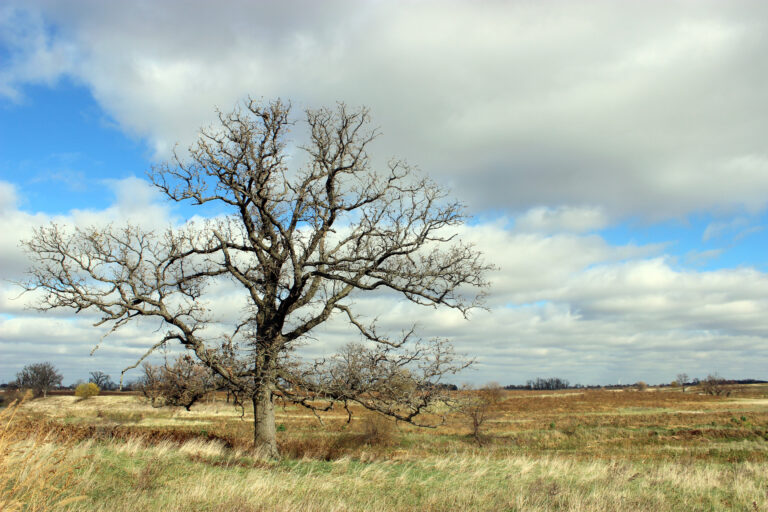
Featured image: licensed image via Wikimedia Commons. Credit: JyotiPN. License: CC BY 4.0. Used with attribution.
