
Introduction: Unveiling the Avian World in Your City Park
City parks serve as vital refuges for a surprising variety of bird species, offering both urban dwellers and dedicated birders unparalleled opportunities to observe avian diversity close to home.
From the bustling pathways of Central Park in New York City to the serene green expanses of Zilker Park in Austin, the lush lakeside parks of Orlando, or the urban forests and shorelines of Seattle, understanding how to identify birds in these environments significantly enhances your connection to nature and appreciation of urban biodiversity.
This comprehensive guide provides practical, beginner-friendly advice tailored specifically to city park habitats. We’ll help you distinguish common species through their appearance, characteristic behaviors, and preferred locations within parks. Recognizing that avian communities vary significantly by geography, we’ll also highlight how to adapt your identification strategies based on your specific region, drawing upon authoritative sources such as the Cornell Lab of Ornithology, the Audubon Society, and regional wildlife agencies.
Birdwatching in urban parks is not just a hobby; it’s an accessible gateway to ecological understanding. With a little patience and the right approach, you’ll soon be identifying the feathered residents and visitors that share your urban landscape, transforming a simple walk in the park into an exciting expedition.
Understanding Urban Bird Habitats: Mosaics of Life
City parks are far from monolithic; they are intricate mosaics of diverse habitats, each attracting distinct bird communities. Learning to recognize these micro-habitats and the birds they typically host is a fundamental step in effective identification. Instead of searching everywhere at once, focus your efforts where specific birds are most likely to be found.
Understanding these habitat preferences is key to successful urban birding. Birds, like all animals, seek out environments that provide essential resources: food, water, shelter from predators and weather, and safe nesting sites. Different species have evolved to thrive in specific niches, and city parks, with their varied landscapes, offer a surprising array of these niches.
Wooded Areas and Tree Canopies
These zones, ranging from dense groves to scattered mature trees, are often the most biodiverse sections of a park. They are hotspots for many songbirds, woodpeckers, and raptors. The vertical structure of trees provides multiple layers for foraging and nesting, from the understory to the canopy.
Look for species like the energetic Black-capped Chickadee (common in northern cities like Seattle), the vibrant Northern Cardinal (widespread across eastern and central North America), or various warblers during migration. You might also spot woodpeckers like the Downy Woodpecker clinging to tree trunks, searching for insects.
Pay close attention to their size, the patterns on their plumage, and especially their calls, which are often the first clue to their presence in dense foliage. Many forest-dwelling birds are more often heard than seen, their songs echoing through the leaves.
Practical Example:
In a wooded section of Prospect Park, Brooklyn, you might hear a rapid, high-pitched “chick-a-dee-dee-dee.” Looking up, you’d likely spot a small, active bird with a black cap and bib, confirming it’s a Black-capped Chickadee. If you hear a loud, ringing “teacher, teacher, teacher,” you might be near an Ovenbird, a ground-dwelling warbler often found in mature woodlands.
Other common residents of wooded areas include various thrushes, vireos, and nuthatches, each with their own distinct foraging styles. Some birds, like the Blue Jay, are generalists and can be found in both wooded and more open areas, often near oak trees where they favor acorns.
Open Lawns and Grasslands
Expansive grassy areas, whether manicured or more naturalized, provide foraging grounds for ground-feeding birds. These areas are often easier for beginners to bird, as birds are more visible against the open backdrop. Here, you’ll frequently encounter species like the ubiquitous American Robin, busily pulling earthworms, or the European Starling, often seen in large, chattering flocks.
Sparrows, such as the House Sparrow or various native sparrows depending on the region, also frequent these areas, pecking at seeds. Their behavior—such as scratching at the soil, running and stopping, or pecking at seeds—can be a strong indicator of their identity. Raptors like the Red-tailed Hawk might also perch on tall trees overlooking these open spaces, scanning for prey, or even hunt directly over the lawns.
Practical Example:
Walking through Zilker Park in Austin, you observe a medium-sized bird with a reddish-brown breast and dark back, hopping across the lawn, then stopping abruptly to cock its head. This classic behavior, combined with its appearance, strongly suggests an American Robin. If you see a smaller, streaky brown bird pecking at grass seeds near a picnic table, it’s likely a House Sparrow.
Beyond these common species, open lawns can attract less expected visitors. During migration, shorebirds might briefly stop in wet grassy areas, and various swallows and swifts can be seen hawking insects high above these open spaces. Even some species of plovers and killdeer can be found in short-grass areas, especially near water.
Water Features: Ponds, Lakes, and Streams
Any body of water, from decorative fountains to large lakes, will attract a distinct set of avian residents and visitors. Water is a fundamental resource, providing drinking water, bathing opportunities, and a rich source of food like fish, insects, and aquatic plants. These habitats are often among the most dynamic in a park.
These can include various waterfowl like Mallards and Canada Geese, wading birds such as Great Blue Herons or Great Egrets, and sometimes even a flash of iridescent blue from a Belted Kingfisher. Observe their feeding behavior (dabbling, diving, stalking), their flight patterns, and their unique calls. Even small puddles after rain can attract shorebirds or songbirds looking to drink or bathe.
Practical Example:
At Lake Eola Park in Orlando, you spot a large, grey-blue bird standing motionless at the water’s edge, suddenly striking with its long beak. This patient fishing behavior, coupled with its size and color, identifies it as a Great Blue Heron. Nearby, a smaller, chunky bird with a shaggy crest and a rattling call flies low over the water, diving headfirst for fish – a tell-tale sign of a Belted Kingfisher.
Other birds commonly found near water include various species of ducks, coots, and gallinules. In some regions, you might even spot cormorants drying their wings on branches overhanging the water, or terns gracefully diving for fish. The presence of water often dramatically increases the diversity of birds you can expect to find in a city park.
Shrubbery and Undergrowth
Dense bushes and low-lying vegetation provide crucial cover and nesting sites for many smaller birds. These areas offer protection from predators and harsh weather, as well as a rich source of berries, seeds, and insects. They are often overlooked but are incredibly productive habitats for birdwatching.
Look for species like Song Sparrows, Northern Mockingbirds, Wrens, and sometimes even shy thrushes. These areas are excellent for observing birds at eye level. Their movements are often quick and furtive, so patience is key. You might need to stand still for several minutes, allowing the birds to become accustomed to your presence before they emerge from the dense foliage.
Many warblers, especially during migration, will forage actively in shrubs, gleaning insects from the leaves. Catbirds and towhees also favor these dense thickets. Listen for rustling sounds in the leaves, which often indicate a bird foraging on the ground beneath the shrubs.
Practical Identification Tips for Urban Birding: Beyond Just Looking
While visual cues are paramount, combining observations of behavior, habitat preference, and vocalizations significantly enhances identification accuracy. Think of yourself as a detective, gathering multiple pieces of evidence. A single piece of information might be misleading, but a combination of clues often points directly to the correct identification.
- Observe Size and Shape (GISS – General Impression of Size and Shape): Before focusing on colors, get a general sense of the bird’s silhouette. Is it plump or slender? Long-tailed or short-tailed? Does it have a long neck or short legs? Use nearby objects (a leaf, a branch, a known bird like a robin) as references. For instance, a Mourning Dove is slender with a long, pointed tail, while a Rock Pigeon is much plumper with a shorter, fan-shaped tail. This initial impression helps narrow down possibilities quickly.
- Note Markings and Coloration: Once you have the GISS, look for distinctive patterns. Are there wing bars (stripes on the wings)? An eye ring? A prominent eyebrow stripe? A patch of color on the throat or rump? Is the belly streaky or plain? These details are often crucial. For example, the bright red cap of a male House Finch distinguishes it from the more subdued American Goldfinch. Pay attention to the color of the beak and legs, as these can also be important identifiers.
- Listen to Calls and Songs: Many urban birds have unique vocalizations. Learning these can often lead to an identification before you even see the bird. Apps like Merlin Bird ID (from Cornell Lab) can even listen and suggest identifications in real-time. The cheerful “cheer-up, cheerily, cheer-up” of an American Robin is distinct from the varied, mimicked songs of a Northern Mockingbird. Bird songs are often more reliable than visual cues in dense foliage.
- Behavioral Clues: How does the bird move? Does it hop or walk? Does it pump its tail? Does it forage on the ground, in trees, or by diving into water? Does it fly in a straight line or an undulating pattern? A Dark-eyed Junco often forages on the ground with a distinctive hopping motion, while a European Starling walks with a swagger. Observing feeding habits, flight patterns, and interactions with other birds can provide critical clues.
- Time of Day and Season: Bird activity peaks at certain times. Early mornings, especially around dawn, are generally the best for birdwatching as birds are most active in feeding and singing. During spring and fall, migratory birds pass through, offering a chance to see species not present during other times of the year. For instance, many colorful warblers are only seen in city parks during their spring and fall migrations. Understanding seasonal patterns helps manage expectations and target specific species.
- Patience and Observation: Don’t rush. Find a comfortable spot and simply watch. The longer you observe, the more details you’ll notice about a bird’s appearance and behavior. Sometimes, a bird that initially appears plain will reveal subtle markings or a unique habit with extended observation. Birds are often shy, and remaining still and quiet will increase your chances of a prolonged and detailed view.
Identification Cautions: Avoiding Common Pitfalls
Even experienced birders can be fooled. Here are some common pitfalls to avoid, which can lead to misidentification:
- Lighting: Poor lighting can drastically alter a bird’s perceived colors. A bird silhouetted against the sky will appear dark, hiding its true plumage. Try to observe birds with the sun behind you, or at least not directly in front of you. Overcast days can sometimes offer the best, most even lighting for viewing plumage.
- Juveniles vs. Adults: Young birds often have different plumage than adults, making identification challenging. For example, juvenile American Robins have spotted breasts, which can easily confuse a beginner expecting the solid reddish-orange of an adult. Many young birds also have duller, streaky plumage for camouflage.
- Seasonal Plumage: Many species change their plumage between breeding and non-breeding seasons. Male American Goldfinches are bright yellow in summer but duller olive-brown in winter, often leading to confusion with sparrows or other finches. Ducks, gulls, and some shorebirds also exhibit significant seasonal plumage changes.
- Sexual Dimorphism: Males and females of the same species can look very different. The male Northern Cardinal is brilliant red, while the female is a duller reddish-brown, though she still possesses the distinctive crest and red beak. This difference is common in many songbirds and waterfowl.
- Hybridization: Occasionally, different species can interbreed, creating individuals with mixed characteristics that don’t perfectly match any field guide entry. This is rare but can be perplexing. For example, some flickers can hybridize, showing a mix of red and yellow underwings.
- Molting Birds: Birds undergoing molt can look disheveled, patchy, or have missing feathers, temporarily altering their appearance and making identification difficult.
Regional Variations and Common Urban Birds: A Local Perspective
While some species are widespread across North America, many others are regionally specific. Familiarity with your local avian community is crucial. Knowing what to expect in your area will help you narrow down possibilities and focus your identification efforts. Here’s a glimpse into common birds you might encounter in specific city parks:
| Region/City | Example Parks | Common Resident Birds | Notable Migratory/Seasonal Birds |
|---|---|---|---|
| New York City | Central Park, Prospect Park | Rock Pigeons, House Sparrows, European Starlings, American Robins, Northern Cardinals, Blue Jays, American Crows, Downy Woodpeckers, Mourning Doves, Gray Squirrels (not a bird, but a common park resident!) | Dozens of warbler species, vireos, thrushes (spring/fall migration); Red-tailed Hawks (year-round, but more visible in winter); various ducks on ponds (winter). |
| Austin, TX | Zilker Park, Lady Bird Lake | Northern Mockingbird, Great-tailed Grackle, Carolina Chickadee, Tufted Titmouse, Lesser Goldfinch, Inca Dove, White-winged Dove, Loggerhead Shrike. | Neotropic Cormorants, various ducks (winter); Green Kingfisher (rare, but possible); many neotropical migrants in spring/fall. |
| Orlando, FL | Lake Eola Park, Leu Gardens | Ospreys, Anhingas, White Ibises, Common Gallinules, Red-shouldered Hawks, Snowy Egrets, Little Blue Herons, Fish Crows, Loggerhead Shrike. | Limpkin (often year-round, but more vocal in breeding season); various wintering ducks and shorebirds. |
| Seattle, WA | Discovery Park, Green Lake Park | Black-capped Chickadee, Bushtit, American Crow, Dark-eyed Junco (Oregon subspecies), Varied Thrush, Steller’s Jay, Northern Flicker, Hairy Woodpecker. | Various gulls and cormorants (coastal areas); many waterfowl on lakes (winter); migratory warblers and flycatchers (spring/fall). |
To truly master regional identification, consult local birding resources, join local Audubon chapters, or use regional field guides specific to your area. Websites like eBird, maintained by the Cornell Lab of Ornithology, allow you to explore recent sightings in specific parks, giving you a real-time snapshot of what birds are present.
Using Field Guides and Resources: Your Essential Tools
Reliable field guides are indispensable for any birder. For urban birding, a compact, regional guide is often best. However, digital resources have revolutionized bird identification, making it more accessible and interactive than ever before. Combining traditional guides with modern technology offers the most comprehensive approach.
- Field Guides (Print & Digital): Choose a guide specific to your region (e.g., “Birds of Eastern North America” or “Birds of the West”). Look for guides with clear illustrations or photographs, range maps, and concise descriptions of key identification features, habitat, and vocalizations. Digital versions often include bird calls, which is a significant advantage.
- eBird: A fantastic online database and app from the Cornell Lab of Ornithology. You can submit your sightings, explore hotspots, and see what birds have been reported in parks near you. This helps you know what to expect and where to look. It’s also a powerful tool for citizen science, contributing valuable data to ornithological research.
- Merlin Bird ID App: Also from Cornell Lab, Merlin is incredibly beginner-friendly. You can answer a few questions about a bird’s appearance and location, and it will suggest possible species. Its “Sound ID” feature can even identify birds by their songs and calls in real-time, a game-changer for many, especially when birds are hidden in dense foliage.
- Audubon Society App: Offers a comprehensive field guide, bird calls, and a way to log your sightings. The Audubon app also provides information on bird-friendly plants and conservation efforts relevant to your area.
- Local Birding Groups and Websites: Many parks have interpretive centers, Friends of the Park groups, or local Audubon chapters that offer guided bird walks, maintain species checklists, and provide valuable local insights. These groups are an excellent way to learn from experienced birders and discover local hotspots.
- Online Birding Forums and Social Media Groups: Platforms like Facebook have numerous birding groups where you can post photos for identification help or ask questions. Be sure to specify your location for accurate responses.
Photography and Visual Aids: Capturing the Moment for Later Review
Capturing photos or even short videos of birds can be an incredibly helpful reference, especially when you’re unsure of an identification in the field. Modern smartphone cameras are often sufficient for capturing enough detail for later review, and dedicated cameras with telephoto lenses can provide stunning results. Photography can also deepen your appreciation for the intricate beauty of birds.
When photographing, try to:
- Focus on Key Features: Aim to get clear shots of the bird’s head (beak shape, eye ring, eyebrow), wings (wing bars, primary/secondary feather colors), tail (length, shape, patterns), and overall body shape. These are the details that field guides emphasize for identification.
- Capture Behavior: A photo of a bird foraging in a particular way or interacting with others can provide crucial behavioral clues. For example, a picture of a bird probing mud with a long bill immediately suggests a shorebird.
- Use Zoom Wisely: Digital zoom can quickly degrade image quality. Optical zoom is always preferred. If you have binoculars, consider digiscoping (holding your phone camera up to one of the binocular eyepieces) for surprisingly good results, allowing you to get closer views than your phone camera alone.
- Take Multiple Shots: Birds are constantly moving. Take a burst of photos to increase your chances of getting a clear, in-focus image. You can always delete the blurry ones later.
- Ethical Photography: Always prioritize the bird’s well-being. Avoid flushing birds, disturbing nests, or using playback calls excessively, as these can cause stress and disrupt natural behaviors. Maintain a respectful distance and use your zoom instead of approaching too closely.
Once you have a photo, you can compare it to your field guide, upload it to an app like Merlin, or even share it with online birding communities for help with identification. This process of reviewing and confirming identifications post-sighting is a powerful learning tool.
Conclusion: Your Journey into Urban Avian Discovery
Identifying birds in city parks is a profoundly rewarding pursuit that enriches urban living and fosters a deeper connection with the natural world right outside your door. By understanding habitat preferences, honing your observational skills, and utilizing the wealth of reliable resources available, even complete beginners can quickly become confident and knowledgeable urban birders.
Remember that patience, persistence, and a keen sense of curiosity are your greatest assets. Birding is a journey of continuous learning, and every outing offers new insights. Don’t be discouraged by initial challenges; every misidentification is an opportunity to learn and refine your skills.
Each new sighting, each unfamiliar call, offers a fresh opportunity to learn and deepen your appreciation for the vibrant avian life that thrives amidst our urban landscapes. So grab your binoculars, step into your local park, and begin your journey of discovery – the birds are waiting!
Additional Resources for the Aspiring Urban Birder
- Cornell Lab of Ornithology: A world leader in bird research and conservation, offering numerous resources including All About Birds, Merlin Bird ID, and eBird. Their website is a treasure trove of information on bird identification, behavior, and conservation.
- Audubon Society: Dedicated to bird conservation, providing field guides, local chapter information, and advocacy efforts. Joining a local Audubon chapter can connect you with a community of birders and guided walks.
- RSPB (Royal Society for the Protection of Birds): While UK-based, their general birding tips and conservation information are universally useful, offering a global perspective on bird protection.
- Local Wildlife Agencies and Park Websites: Often provide specific bird checklists for their areas, information on local birding events, and details on park regulations.
- Regional Field Guides and Birding Apps: Invest in resources tailored to your specific geographic location. A good regional guide will be more focused and therefore easier to navigate for local species.
- Local Birding Clubs/Chapters: A fantastic way to learn from experienced birders and discover local hotspots. Many clubs offer beginner-friendly walks and workshops.
- Online Courses and Webinars: Many organizations, including the Cornell Lab and Audubon, offer online courses that can further enhance your bird identification skills and ecological knowledge.
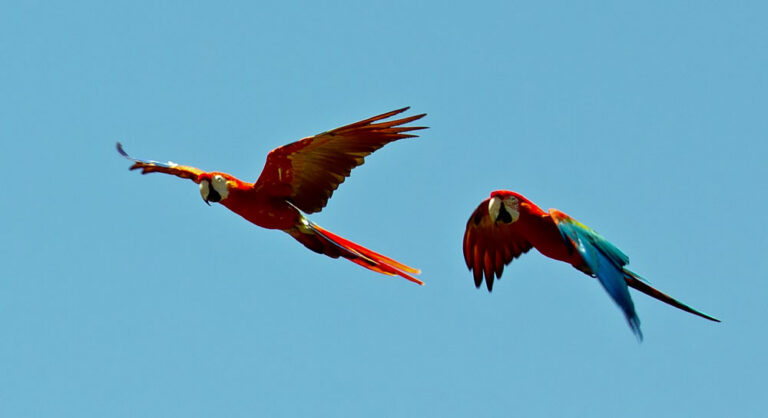
Featured image: licensed image via Wikimedia Commons. Credit: Becker1999 from Grove City, OH. License: CC BY 2.0. Used with attribution.
