
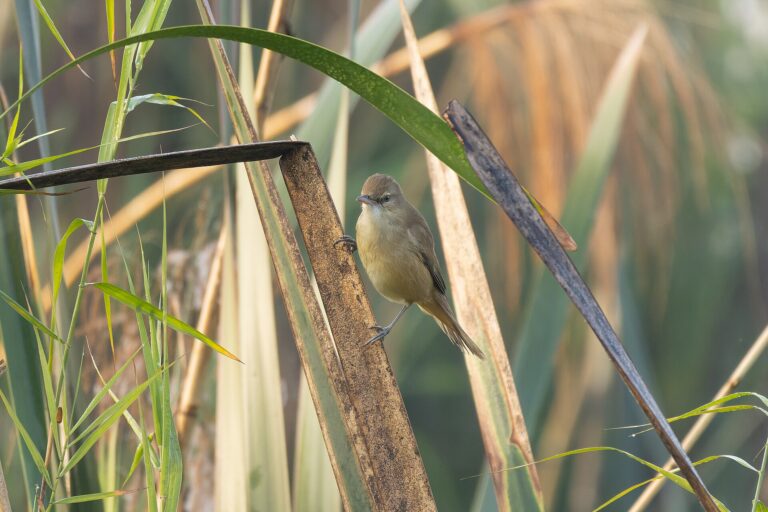
Introduction: Unlocking the World of Birds
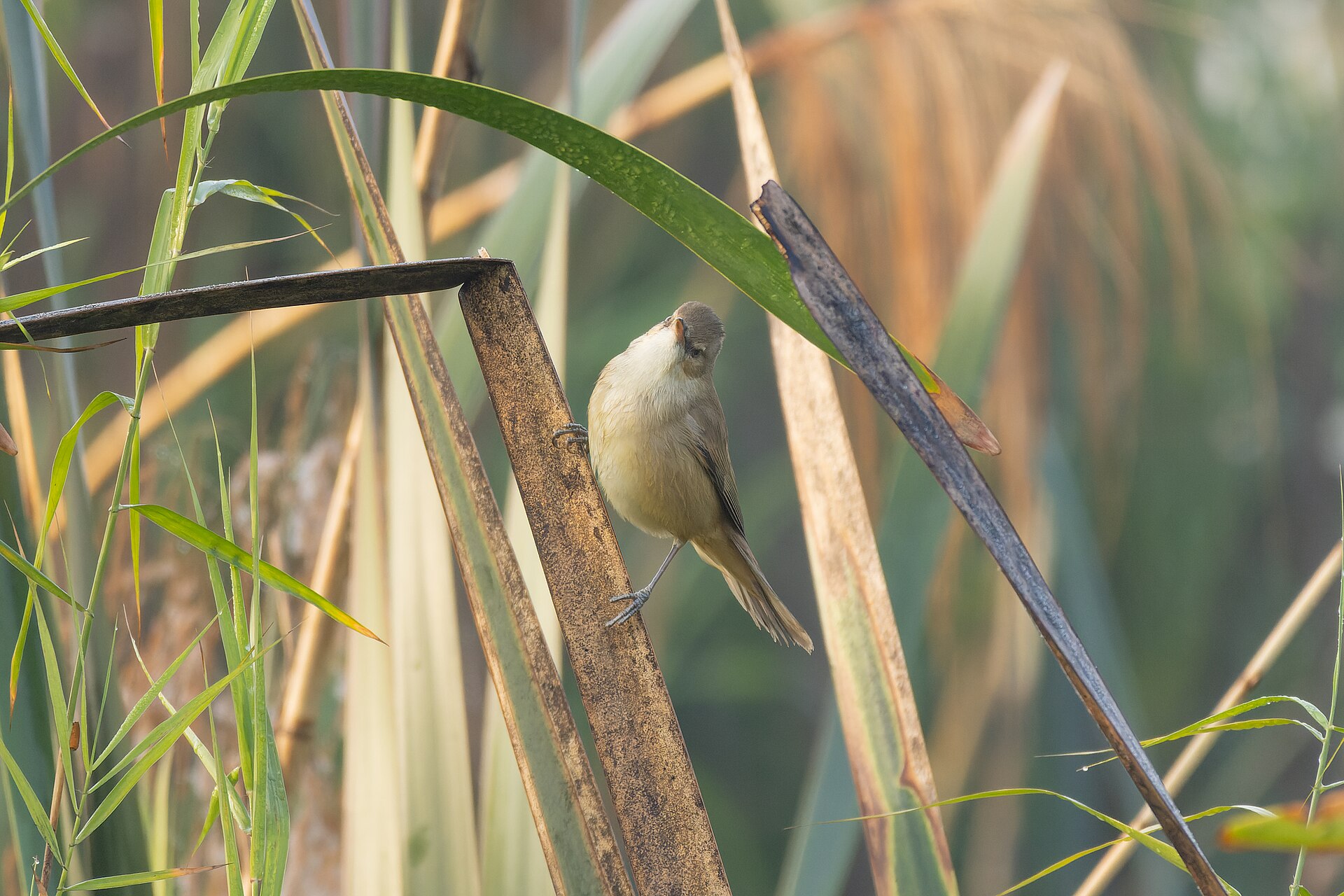
Encountering an unfamiliar bird in your backyard or on a nature trail sparks a natural question: “What bird did I just see?” With countless species and variations, identification can feel daunting for newcomers. This guide offers a practical, step-by-step method built on careful observation, thoughtful comparison, and confident confirmation – transforming fleeting glimpses into meaningful discoveries.
Understanding the Foundation of Bird Identification
Bird identification is less about memorizing every species than about recognizing patterns. Birds are distinguished by a combination of visual cues, auditory signals, and behavioral traits. Think of yourself as a detective: the more clues you collect, the clearer the picture becomes.
The Importance of Context: When and Where Matters
Context filters your options before you ever open a field guide. A small brown bird in a dense forest may be a different species than one on a coastal beach. Note where you are, the time of year, and the habitat – a large, dark bird soaring overhead in late autumn in North America suggests a migrating hawk, while a small, bright bird flitting among spring blossoms points to a very different set of possibilities.
Step 1: The First Impression – Observing Basic Features
When you first spot a bird, resist opening a field guide immediately. Your initial impression, even if brief, provides crucial foundational clues.
Size and Shape: The Avian Silhouette and Structure
Estimate relative size rather than exact measurements – is it sparrow-, robin-, or crow-sized? The silhouette is often more reliable than color, especially in poor light. Note whether the body is long and slender or plump, whether the tail is long or stubby, whether there is a crest, and whether the wings are long and pointed or short and rounded. A long, slender bird with pointed wings is likely a swallow or swift; a chunky bird with a short tail and conical bill points to a finch or sparrow.
Posture and Behavior: What is it Doing and How?
How a bird moves and feeds is often species-specific. Woodpeckers cling to trunks in upward jerks, swallows catch insects in acrobatic flight, and a bird that bobs its head or tail might be a phoebe or wagtail. Note whether it is hopping, clinging, soaring, or darting, whether it holds its tail up or flicks its wings, and whether it feeds by probing, gleaning, or cracking seeds.
Step 2: Zooming In – Examining Field Marks and Plumage
Once you have a sense of size, shape, and behavior, focus on the finer details called ‘field marks.’ Good binoculars, even 8x42s, are essential for picking these out.
Color and Pattern: The Bird’s Attire and Camouflage
Note the primary colors and any patterns – streaks on the breast, bars on the wings, patches on the rump or tail. Lighting changes how colors appear, so observe from different angles; a bird dull in shadow may be vivid in sun. The location of color matters: a red cap differs from a red breast. A bright red breast with a gray back points to an American Robin, while a black bib and gray cap suggest a House Finch.
Head and Beak: Key to Identity and Diet
The head holds key marks: eye rings, eye lines, superciliary (eyebrow) stripes, and eye color. The beak is equally telling. A short conical bill signals a seed-eater (finch, sparrow), a long slender curved bill a nectar feeder (hummingbird), a strong hooked bill a raptor, and a long thin pointed bill an insectivore. Even bill color can separate similar species.
Legs and Feet: Subtle but Informative
Leg and foot structure and color can be distinguishing, especially for shorebirds, waterfowl, and ground birds. Note their length, color, and whether the toes are webbed. A wader with long, bright yellow legs is almost certainly a sandpiper or plover, and the leg color itself can narrow the species.
Step 3: Setting the Scene – Habitat and Range
Where you see a bird is as important as what it looks like – habitat acts as a powerful filter.
Habitat Preference: Home Sweet Home
Is the bird in dense forest, open field, marsh, or coastline? A Great Blue Heron is almost exclusively near water, while an Eastern Bluebird prefers open woodlands. Note the microhabitat too – canopy, undergrowth, or ground. A streaky brown bird in a meadow points to sparrows or pipits; the same bird clinging to a cattail in a marsh suggests a marsh wren or juvenile red-winged blackbird.
Geographical Range: Are You in the Right Place?
Each species has a specific range that shifts seasonally with migration, so check a range map before making a final call. Avoid identifying a bird far outside its known range without clear evidence – vagrants occur, but a misidentified common local species is far more likely.
Step 4: The Soundtrack – Listening to Bird Sounds and Calls
Many birds are heard more often than seen, and learning their sounds unlocks a new dimension of identification.
Songs vs. Calls: What’s the Difference?
A ‘song’ is a complex, musical vocalization used mainly by males to attract mates and defend territory in breeding season. ‘Calls’ are shorter sounds used for alarm, contact, or begging. Both are valuable clues, and some species have wide repertoires while others are limited.
Learning to Listen Actively
Start with a few common birds in your area, using sound libraries like Cornell’s All About Birds or eBird. Pay attention to rhythm, pitch, and quality – buzzy, clear, trilling, harsh, or whistled – and whether the notes repeat or ascend. The cheerful ‘cheer-cheer-cheer, what-cheer’ of a Northern Cardinal and the ‘chick-a-dee-dee-dee’ of a Black-capped Chickadee are easy to learn and identify.
Step 5: The Reference Library – Using Field Guides and Identification Resources
Once you’ve gathered your observations, compare them to documented information.
Choosing a Field Guide: Your Essential Companion
Choose a guide specific to your region with clear illustrations or photos, descriptions of field marks, habitat notes, range maps, and vocalization descriptions. Digital guides and apps like Merlin Bird ID and the Audubon Bird Guide include sound clips and in-the-field identification tools. Many birders use both illustrations (which highlight features) and photos (which show life-like birds).
How to Use Your Guide Effectively: A Systematic Approach
- Start Broad: use size, shape, and color to narrow to a bird family, since guides are organized by family.
- Match Field Marks: scrutinize details like eye rings, wing bars, streaking, and bill shape rather than just the overall picture.
- Check Habitat and Range: confirm the species occurs in your location and habitat type.
- Read the Description: the text often highlights subtle differences between similar species and describes behavior.
- Consider Similar Species: guides point out ‘look-alikes’ and how to tell them apart – essential in challenging groups.
Step 6: The Verdict – Confirming and Recording Your Find
After comparison you should have one or two strong candidates. This final step solidifies and documents your identification.
Confirmation: Building Confidence and Accuracy
Review all your observations – size, shape, color, behavior, habitat, and range – and make sure they align. If not, re-evaluate; it is better to record ‘unidentified sparrow’ than to confidently misidentify. Be especially careful with difficult groups like Empidonax flycatchers, certain sparrows, and female or juvenile plumages, and don’t hesitate to seek help from experienced birders.
Recording Your Observations: The Birder’s Journal and Citizen Science
Keep a birding journal – physical or digital – noting the date, time, location, species, and key features you used. Apps like eBird let you submit sightings, contributing to citizen science that helps researchers track populations, migration, and habitat change.
Practical Tips for Successful Bird Identification in the Field
- Patience is a Virtue: wait quietly and let birds come to you.
- Respectful Distance: observe without disturbing; binoculars let you stay far enough away.
- Optimal Lighting: keep the sun behind you; in poor light focus on shape and behavior.
- Take Field Notes: jot colors, patterns, and behaviors immediately – memory is unreliable.
- Use Your Phone (Wisely): quick photos or Merlin Bird ID help, but don’t skip direct observation.
- Learn Common Birds First: master the 10-20 species in your area to spot something different.
- Join a Community: clubs and online forums connect you with helpful, experienced birders.
- Dress Appropriately: muted clothing blends in and startles birds less.
- Move Slowly and Quietly: sudden motion and noise scare birds away.
Common Challenges and How to Overcome Them
- Poor Views: focus on what you can see – even a distinctive tail shape or single mark helps; wait for better light.
- Juvenile and Female Plumages: females are duller and juveniles look different; rely on structure and behavior, and check the guide’s variations.
- Similar Species (Look-alikes): compare subtle field marks and the guide’s ‘similar species’ section side by side.
- Molting Birds: patchy plumage during feather replacement makes ID hard, so rely on structure and behavior.
- Hybrids: rare interbreeding mixes traits of both parents – rule out all common species first.
- Lighting and Distance Distortions: shadow can turn a dark blue bird black, and distance blurs detail, so factor this into your judgment.
Conclusion: Your Journey into the Avian World
By adopting this step-by-step method – observing basic features, examining field marks, considering habitat and range, listening to sounds, consulting resources, and confirming your find – you’ll build a solid foundation for confident identification. Practice and patience are your most valuable allies, and every outing is a chance to learn. Grab your binoculars, open your field guide, and step outside – the world of birds awaits.
Sources and Further Reading
- Cornell Lab of Ornithology – A leading authority with extensive guides, sounds, and research.
- All About Birds – An excellent online field guide with species accounts, photos, and sounds.
- eBird – A global database of observations for range maps and citizen science.
- Audubon Society – Bird guides, articles, and local chapters.
- RSPB – A key resource for identification and conservation in the UK.
- Regional field guides specific to your area (e.g., Peterson, Sibley, National Geographic).
Related reading: Hummingbird nectar ratio: the exact sugar-to-water formula and How often to change hummingbird feeder nectar and Hummingbird feeder sugar calculator.
