
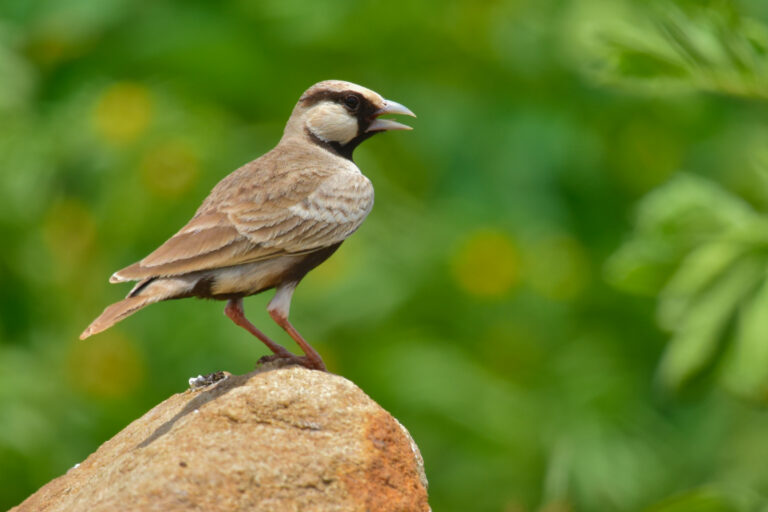
Introduction: The Resilient Avians of Arid Lands
Desert environments, often perceived as desolate and inhospitable, are in fact vibrant ecosystems teeming with life, including a fascinating array of bird species. These arid landscapes, characterized by extreme temperatures, minimal rainfall, and sparse vegetation, present formidable challenges. Yet, desert birds have evolved an astonishing suite of adaptations, allowing them to not only survive but to flourish in conditions that would be lethal to most other avian life.
For the budding birder, understanding these unique survival strategies and mastering the art of identifying these resilient creatures can transform a seemingly barren landscape into a captivating theater of natural wonder. The subtle movements, the distinctive calls, and the sheer tenacity of these birds offer endless opportunities for discovery and appreciation.
This comprehensive guide aims to demystify desert bird identification, offering practical advice, detailed insights into their adaptations, and specific examples to enhance your birding experience. We will look at the intricate relationship between desert birds and their harsh environments, providing you with the knowledge to appreciate their tenacity and contribute to their conservation.
Understanding Desert Habitats and the Ingenuity of Bird Adaptations
Desert ecosystems are incredibly diverse, ranging from vast sandy dunes and rocky mesas to arid scrublands and ephemeral riverbeds. Each microhabitat within these larger biomes offers distinct challenges and opportunities, shaping the evolutionary paths of the birds that call them home. The defining characteristics of deserts—extreme temperature fluctuations, scarcity of water, and limited food resources—have driven the development of some of nature’s most ingenious survival mechanisms.
Key Environmental Pressures in Desert Habitats
Life in the desert is a constant balancing act against environmental extremes. Birds must contend with a combination of factors that are often more intense than in other biomes.
- Temperature Extremes: Daytime temperatures can soar well above 100°F (38°C), while nights can plummet below freezing. This diurnal range necessitates sophisticated thermoregulation strategies to prevent overheating during the day and hypothermia at night. The ground itself can reach even higher temperatures, posing a significant threat to ground-dwelling species.
- Water Scarcity: Water is the most precious resource. Rainfall is infrequent and unpredictable, often occurring as intense, short-lived events. Birds must either find reliable water sources, extract moisture from their food, or minimize water loss through highly efficient physiological processes. This scarcity drives many behavioral adaptations.
- Sparse Vegetation: Plant life is often widely dispersed and specialized, such as cacti, succulents, and drought-deciduous shrubs. This impacts food availability, limits suitable nesting sites, and reduces cover from predators. Birds must be highly efficient foragers and often rely on specific plant species for survival.
- Predation Pressure: With less dense cover compared to forests or grasslands, birds are often more exposed to predators like raptors, snakes, and coyotes. This has led to adaptations in camouflage, vigilance, flocking behaviors, and rapid escape strategies.
- Nutrient-Poor Soils: Desert soils are often low in organic matter and essential nutrients, which affects the types and abundance of vegetation, indirectly impacting the food chain for birds.
Common Adaptations: A Masterclass in Survival
Desert birds exhibit a remarkable array of adaptations, falling into three main categories: physiological, behavioral, and morphological. These are not isolated traits but often work in concert to ensure survival.
Physiological Adaptations: The Internal Machinery of Survival
These are the hidden mechanisms that allow birds to cope with the internal stresses of desert life.
- Efficient Water Conservation: Many desert birds possess highly efficient kidneys that produce concentrated urine, minimizing water loss. This is a critical adaptation, as water is rarely abundant. Some species, like the Sandgrouse of the Old World deserts, have specialized belly feathers that can absorb and transport water over long distances to their chicks. Others, such as various finches and sparrows, can meet their entire water needs from the metabolic water produced by digesting dry seeds, eliminating the need to drink free water.
- Heat Tolerance and Dissipation: Birds generally have higher body temperatures than mammals, which can be an advantage in hot environments as it reduces the temperature gradient for heat absorption. Some species can tolerate a temporary increase in body temperature (facultative hyperthermia) to reduce water loss through evaporative cooling. Panting and gular fluttering (rapid vibration of the moist membranes in the throat) are common evaporative cooling methods, particularly effective in species like doves and quail, which rapidly evaporate water from their respiratory surfaces.
- Salt Glands: While more common in seabirds, some desert species, particularly those that consume salty foods (like brine flies) or drink saline water, may possess salt glands located above the eyes. These glands excrete excess salt as a concentrated solution, allowing the kidneys to focus on water conservation.
- Metabolic Rate Adjustment: Some species can adjust their metabolic rate to conserve energy and reduce heat production during the hottest parts of the day or when food is scarce.
Behavioral Adaptations: Smart Choices for a Harsh World
These are the actions birds take to mitigate the challenges of their environment.
- Crepuscular or Nocturnal Activity: To avoid the scorching midday sun and conserve water, many desert birds are most active during the cooler hours of dawn and dusk (crepuscular) or even at night (nocturnal), such as owls, nighthawks, and some species of poorwills. This shift in activity patterns minimizes heat stress and water loss.
- Shade Seeking and Microclimates: Birds will actively seek out shade under shrubs, rocks, or within burrows during the hottest parts of the day. They utilize microclimates, which can be significantly cooler than the ambient air temperature. Some species, like the Cactus Wren, build their large, insulated nests in the protective spines of cacti, providing both insulation from heat and protection from predators.
- Water Source Utilization: Many species congregate around permanent water sources like oases, springs, or even human-made water features (guzzlers). Others learn to exploit ephemeral water sources after rain, or rely on dew collected on vegetation. Some species, like the Verdin, have been observed to drink nectar from desert flowers, which provides both energy and moisture.
- Dietary Flexibility: Some desert birds are opportunistic feeders, switching between insects, seeds, fruits, and even small vertebrates depending on availability. This ensures a consistent food supply, which can also be a significant source of moisture. For example, insectivorous birds obtain water directly from the bodies of their prey.
- Migration and Nomadism: While some desert birds are resident, others undertake local or regional migrations to areas with more favorable conditions or food availability, especially during extreme drought. Some species are nomadic, moving opportunistically to areas where recent rainfall has stimulated plant growth and insect activity.
- Dust Bathing: Many ground-dwelling desert birds engage in dust bathing, which helps to clean feathers, remove parasites, and may also play a role in thermoregulation by absorbing excess oils.
Morphological Adaptations: Form Follows Function
These are the physical characteristics that have evolved to suit the desert environment.
- Coloration: The vast majority of desert birds exhibit cryptic coloration – shades of brown, gray, and sandy tones that allow them to blend seamlessly with their arid surroundings. This serves as excellent camouflage against predators and also helps in ambushing prey. Think of the muted tones of a Horned Lark, a Desert Sparrow, or a Common Poorwill, which virtually disappear against the desert floor.
- Body Size and Shape: The relationship between body size and heat regulation is complex. Smaller body sizes can dissipate heat more quickly due to a higher surface area to volume ratio, but larger bodies can retain water more effectively. Desert birds often strike a balance. Long legs, seen in species like the Greater Roadrunner, elevate the body above the hot ground, reducing heat absorption from the substrate. Long tails can aid in balance, display, and potentially thermoregulation.
- Feather Structure: Some species have specialized feather structures that provide insulation against both heat and cold. The density and arrangement of feathers can be crucial for maintaining a stable body temperature. For example, dense plumage can create an insulating layer that prevents heat from reaching the body, similar to how a down jacket works in cold weather.
- Bill Shape: Bill shapes are adapted to diet, but in deserts, they can also relate to water acquisition. Seed-eaters have strong, conical bills, while insectivores have finer bills. Some species with longer bills may be able to access water or nectar from deep within flowers.
Identifying Desert Birds in the Field: A Systematic Approach
Birding in the desert requires patience, keen observation, and an understanding of the unique challenges these birds face. While many desert birds share general features, careful attention to detail is paramount for accurate identification. The open nature of many desert habitats can sometimes make birds easier to spot, but their cryptic coloration can also make them vanish before your eyes.
Key Identification Cues: Beyond the Basics
When you encounter a bird in the desert, go beyond just its color. Consider these factors holistically to build a complete picture for identification.
- Size and Shape (Silhouette): This is often the first and most reliable cue. Is it small and plump like a quail, or long and slender like a roadrunner? Pay attention to beak shape (short and conical for seed-eaters, long and curved for probing, or fine and pointed for insectivores), leg length, and tail length (short, long, forked, rounded). A Gila Woodpecker, for instance, has a distinctive upright posture, a strong, chisel-like bill, and a somewhat stocky body. Compare its silhouette to a sleek, long-tailed Phainopepla.
- Plumage and Markings: While many desert birds are cryptically colored, look for subtle patterns and distinctive features. Does it have an eye-stripe (like the Black-throated Sparrow), wing bars, a distinctive breast pattern, or a crest? The Phainopepla, though mostly glossy black (male) or gray (female), has a noticeable crest, striking red eyes, and males flash prominent white wing patches in flight. Look for streaking, spotting, or barring patterns on the back, flanks, or breast.
- Vocalizations: Learning bird calls and songs is invaluable, especially in dense scrub where birds can be hard to see. Many desert birds have distinctive calls that are often the first indication of their presence. The ‘coo-coo-coo-coo’ of a Mourning Dove is a common sound, but listen for the unique, high-pitched ‘chip’ of a Black-tailed Gnatcatcher, the complex, varied song of a Cactus Wren, or the distinctive ‘peep’ of a Verdin. Apps like Merlin Bird ID can be incredibly helpful for real-time sound identification.
- Behavioral Traits: How does it move? Does it hop on the ground, run swiftly, climb tree trunks (like a woodpecker), or dart through the air? Is it solitary or in a flock? A Verdin, for example, is a tiny, active bird that constantly forages among thorny branches, often hanging upside down. Observe its feeding habits – is it gleaning insects from leaves, probing flowers for nectar, cracking seeds on the ground, or hawking insects in flight? Does it pump its tail, bob its head, or flick its wings?
- Habitat Preferences (Microhabitat): Where exactly is the bird found? Is it in a dense mesquite thicket, on an open rocky slope, near a permanent water source, or in a saguaro forest? A LeConte’s Thrasher prefers sparsely vegetated saltbush flats, while a Gambel’s Quail is often found near denser cover along washes. Understanding these preferences can narrow down possibilities significantly.
- Time of Day: As mentioned, many desert birds are most active during cooler periods. If you see a bird active at midday, it might be a species with high heat tolerance (like a Roadrunner) or one seeking out specific resources (like a hummingbird at a feeder). Conversely, if you’re out at dusk, you might encounter nocturnal species like owls or nighthawks.
Identification Cautions: Avoiding Common Pitfalls
Even experienced birders can make mistakes, especially in challenging environments. Be mindful of these common pitfalls.
- Similar-Looking Species: Many desert regions host multiple species that look very similar, especially among sparrows, empids (flycatchers), or thrashers. Always consider the full suite of identification cues, not just one. For example, distinguishing between a Black-throated Sparrow and a Sagebrush Sparrow requires careful attention to subtle plumage differences, vocalizations, and specific habitat preferences. A quick glance might not be enough.
- Juvenile Plumage: Young birds often have different plumage than adults, which can be confusing. They might be duller, have different streaking patterns, or lack certain adult markings. Always consult your field guide for descriptions of juvenile birds if you suspect you’re seeing a young individual.
- Seasonal Variation: Some birds may have slightly different plumages depending on the season (e.g., breeding vs. non-breeding). While less pronounced in many desert residents, it’s a factor to consider for migratory species.
- Lighting Conditions: Harsh desert light, especially at midday, can wash out colors or create misleading shadows, making accurate color assessment difficult. Try to observe birds with the sun at your back to get the best view of their true colors and markings. Early morning or late afternoon light is often ideal.
- Range Overlap: Always consult range maps in your field guide. A bird that looks exactly like a species from a different region is likely a misidentification or, in rare cases, a vagrant. Knowing what species are expected in your specific location is crucial for accurate identification.
- Hybridization: In some areas, closely related species may hybridize, leading to individuals with mixed characteristics that can be very challenging to identify.
Spotlight on Iconic Desert Birds: Practical Identification Examples
Let’s look at a few common and distinctive desert birds, highlighting their key identification features and adaptations. These examples illustrate how the combination of cues leads to confident identification.
Greater Roadrunner (Geococcyx californianus)
Identification: Unmistakable. A large, slender ground cuckoo, about 20-24 inches long, with a shaggy crest, very long thick tail, and a distinctive streaky brown and white plumage that provides excellent camouflage. Its most striking feature is its powerful, Z-shaped legs, built for incredible speed. Often seen running at up to 20 mph rather than flying, with its tail held high for balance. Its eye is often surrounded by bare skin that can show blue and orange hues.
Listen for its distinctive ‘coo-coo-coo-coo-coo-coo-cooo’ call, which descends in pitch, and a rapid, clattering bill snap.
Adaptations: Its speed allows it to hunt lizards, snakes (including rattlesnakes), large insects, and small rodents. It can regulate its body temperature by exposing or concealing a dark patch of skin on its back to absorb or reflect solar radiation. It gets most of its water from its prey, rarely needing to drink free water. Its long tail acts as a counterbalance and rudder during high-speed chases and sudden turns.
Field Observation Tip: Look for them in open desert scrub with scattered mesquite or creosote bushes. They often perch on low branches, fence posts, or rocks to survey their territory before dropping to the ground to hunt. They are surprisingly wary despite their size, so approach slowly and quietly.
Cactus Wren (Campylorhynchus brunneicapillus)
Identification: The largest wren in North America, about 7-9 inches long. It has a robust, slightly decurved bill, a prominent white eyebrow stripe, and heavily spotted underparts that transition to a rusty vent. Its back is mottled brown, perfectly camouflaged against desert vegetation. Often seen hopping and climbing among cacti and thorny shrubs with its tail cocked. Its call is a loud, chugging, unmusical series of notes, often described as ‘chug-chug-chug-chug-chug’ or a mechanical ‘rattle’.
Adaptations: Builds large, football-shaped nests with a side entrance, often deep within the protective spines of cholla or saguaro cacti. This provides excellent insulation from heat and protection from predators like snakes and coyotes. It is primarily an insectivore but will also eat seeds and small fruits, obtaining moisture from its diet. Its strong legs and feet allow it to navigate thorny plants with ease.
Field Observation Tip: Listen for its distinctive call, which often gives away its presence. Look for them actively foraging in dense cactus patches or mesquite thickets. Their nests are quite conspicuous and can be a good indicator of their presence, often built several feet off the ground.
Gambel’s Quail (Callipepla gambelii)
Identification: A plump, ground-dwelling bird, about 10-12 inches long, with a distinctive comma-shaped topknot feather on its head. Males have a striking black face, white border, and a chestnut crown, while females are duller with a smaller, less prominent topknot. Often seen in coveys (groups) foraging on the ground, especially at dawn and dusk. Their call is a loud, often repeated ‘chi-CA-go’ or ‘ka-KAA-ka’, used for communication within the covey.
Adaptations: Highly social, forming coveys that provide safety in numbers through increased vigilance. They are adept at finding water sources, including dew and succulent plants, and can survive on metabolic water from seeds. When threatened, they prefer to run rapidly through dense vegetation rather than fly, bursting into a rapid, whirring flight only as a last resort. They dust-bathe to maintain feather health and remove parasites, often creating visible depressions in the dust.
Field Observation Tip: Look for coveys scurrying across roads or foraging near dense cover, especially mesquite bosques, washes, or riparian areas. They are often heard before they are seen, especially as the covey communicates. Be patient, as they can be quite shy and quickly disappear into cover.
Gila Woodpecker (Melanerpes uropygialis)
Identification: A medium-sized woodpecker, about 9-10 inches long, with a barred black and white back and wings, and a pale brown head and underparts. Males have a small red cap on the top of their head, which is absent in females. They are unique for often nesting in cavities excavated in living saguaro cacti.
Listen for their distinctive rolling ‘churr’ call, often repeated, and their drumming on cacti or dead trees, which is less resonant than drumming on wood.
Adaptations: Their ability to excavate nests in saguaros provides crucial nesting sites in an environment with few large trees. The thick, fleshy walls of the saguaro provide excellent insulation against extreme temperatures. These abandoned cavities, known as ‘saguaro boots’, are then used by many other desert species (e.g., Elf Owls, American Kestrels, Cactus Wrens), making the Gila Woodpecker a ‘keystone species’ that creates habitat for others.
They feed on insects (often gleaned from cacti or trees), cactus fruits, and nectar, showing remarkable dietary flexibility.
Field Observation Tip: Look for them on saguaro cacti, telephone poles, or mesquite trees. Their presence is often indicated by the distinctive holes they create in saguaros. They are quite vocal and can be seen actively foraging on the sides of cacti, probing for insects or feeding on fruit.
Verdin (Auriparus flaviceps)
Identification: A tiny, active songbird, only about 4.5 inches long, making it one of the smallest desert birds. It has a dull gray body, a bright yellow head and throat (more intense in adults), and a distinctive rufous (reddish-brown) patch at the bend of its wing. Its bill is small and pointed. It moves constantly, often hanging upside down while foraging.
Its call is a sharp, high-pitched ‘chip’ or ‘tseet’, and its song is a series of clear, whistled notes, ‘tsee-tsee-tsee-tsu-tsu’.
Adaptations: Builds a remarkably sturdy, globular nest with a side entrance, often in thorny shrubs like mesquite or acacia. These nests provide excellent insulation from both heat and cold, and protection from predators. It is primarily insectivorous, gleaning tiny insects and spiders from foliage. It also feeds on nectar from desert flowers, which provides both energy and moisture, and small berries.
Its small size and active foraging allow it to exploit resources that larger birds might miss.
Field Observation Tip: Look for this tiny bird flitting rapidly through dense, thorny desert shrubs. Its bright yellow head and rufous wing patch are key visual cues, but its constant movement can make it challenging to photograph. Listen for its distinctive ‘chip’ call, which is often the first indication of its presence.
Practical Birding Tips for Desert Environments: Safety and Success
Birding in deserts is immensely rewarding but requires careful preparation and respect for the environment. Your safety and the well-being of the birds are paramount. The desert is beautiful but unforgiving if not approached with caution.
- Time of Day is Crucial: As many desert birds are crepuscular, the best times for birding are typically the first few hours after sunrise and the last few hours before sunset. Not only is bird activity highest, but temperatures are also more tolerable for you. Midday birding is generally unproductive and potentially dangerous due to heat. Plan your outings accordingly.
- Hydration is Non-Negotiable: Always carry significantly more water than you think you’ll need. A good rule of thumb is at least one liter per hour of activity. Dehydration can set in quickly and silently in arid conditions. Electrolyte drinks can also be beneficial to replenish salts lost through sweating. Do not rely on finding water sources in the desert.
- Dress for Success (and Safety): Wear lightweight, light-colored, long-sleeved shirts and long pants to protect against sun exposure, thorny vegetation, and insect bites. Light colors reflect sunlight, helping to keep you cooler. A wide-brimmed hat, sunglasses, and high-SPF sunscreen are essential. Sturdy, comfortable hiking boots are a must for navigating uneven terrain, which can include loose sand, sharp rocks, and thorny plants.
- Optics and Field Guides: High-quality binoculars (8×42 or 10×42 are popular choices) are indispensable for observing details from a distance. A spotting scope can be useful for distant observations of raptors or birds at water sources. Bring a regional field guide specific to the desert you are visiting, as species can vary significantly between different desert biomes (e.g., Sonoran vs. Mojave vs. Chihuahuan). Apps like Merlin Bird ID can also be incredibly helpful for identifying calls and visual cues, but ensure your phone is charged and consider a portable power bank.
- Respect the Habitat and Wildlife: Stay on designated trails to minimize disturbance to fragile desert soils and vegetation. Never approach nests or disturb birds, especially during breeding season. Avoid playing bird calls excessively, as this can stress birds, disrupt their natural behaviors, and potentially draw them away from critical activities like feeding or nesting. Pack out everything you pack in, leaving no trace.
- Be Aware of Wildlife: Deserts are home to venomous snakes (like rattlesnakes), scorpions, Gila monsters, and other potentially dangerous creatures. Watch where you step and place your hands. Never reach into crevices or under rocks without looking. If you encounter a snake, give it a wide berth and do not provoke it.
- Inform Others: If you’re venturing into remote areas, inform someone of your itinerary, including your route and expected return time. Cell service can be unreliable or nonexistent in many desert locations. Consider carrying a satellite messenger or personal locator beacon for emergencies.
- Consider a Local Guide: Especially for your first few desert birding trips, hiring a local guide can significantly enhance your experience, helping you locate elusive species, navigate the terrain safely, and provide invaluable local knowledge about bird behavior and ecology.
- Check Weather Forecasts: Desert weather can change rapidly. Be aware of flash flood warnings, especially during monsoon seasons, and be prepared for sudden temperature drops after sunset.
Conservation of Desert Birds: Protecting Fragile Ecosystems
Despite their incredible resilience, desert birds face increasing threats from human activities and climate change. These fragile ecosystems are particularly vulnerable to disturbance, and the specialized adaptations of desert birds mean they often have limited capacity to adjust to rapid environmental changes.
Habitat loss is a primary concern. Urban sprawl, agricultural expansion, and large-scale energy projects (solar farms, wind farms) fragment and destroy critical desert habitats. This leads to reduced foraging areas, fewer nesting sites, and increased isolation of bird populations. Water diversion projects, which reroute precious desert water for human use, reduce vital water sources that many birds depend on for survival.
Climate change exacerbates these challenges. Rising temperatures increase heat stress on birds, potentially pushing them beyond their physiological limits. Altered precipitation patterns, including more frequent and intense droughts, impact food availability (seeds, insects, fruits) and breeding success. Changes in plant communities due to climate change can also directly affect species that rely on specific plants for food or nesting.
As birders, we play a crucial role in conservation. By supporting organizations dedicated to desert conservation, advocating for responsible land use policies, and practicing ethical birding, we can contribute to the long-term survival of these remarkable species. Reporting your sightings to platforms like eBird provides valuable data for researchers and conservationists, helping them monitor populations, understand distribution changes, and identify areas of concern.
Participating in citizen science projects, volunteering for habitat restoration, and educating others about the importance of desert ecosystems are all vital contributions.
Conclusion: A Testament to Life’s Resilience
Birding in desert habitats offers a profound and rewarding experience, revealing a world where life not only persists but thrives against seemingly insurmountable odds. The birds of the desert are living testaments to the power of adaptation and the intricate beauty of natural selection. Their ability to find water where there is none, to endure scorching heat and freezing nights, and to raise their young in thorny fortresses is nothing short of miraculous.
By understanding their unique survival strategies, mastering the art of identification through careful observation, and practicing responsible birding, we not only enhance our personal connection to these remarkable creatures but also contribute to their ongoing conservation. Each sighting, each identified call, and each moment spent observing these tenacious birds deepens our appreciation for the delicate balance of desert ecosystems.
So, pack your water, grab your binoculars, and step into the silence and grandeur of the desert. You’ll discover that far from being empty, these arid lands are alive with the calls, movements, and vibrant lives of some of the most specialized and resilient birds on Earth. The desert waits to reveal its avian treasures to those who are patient and prepared.
Featured image: licensed image via Wikimedia Commons. Credit: Shiv's fotografia. License: CC BY-SA 4.0. Used with attribution.
