
Introduction: The Avian Divide in Human Landscapes
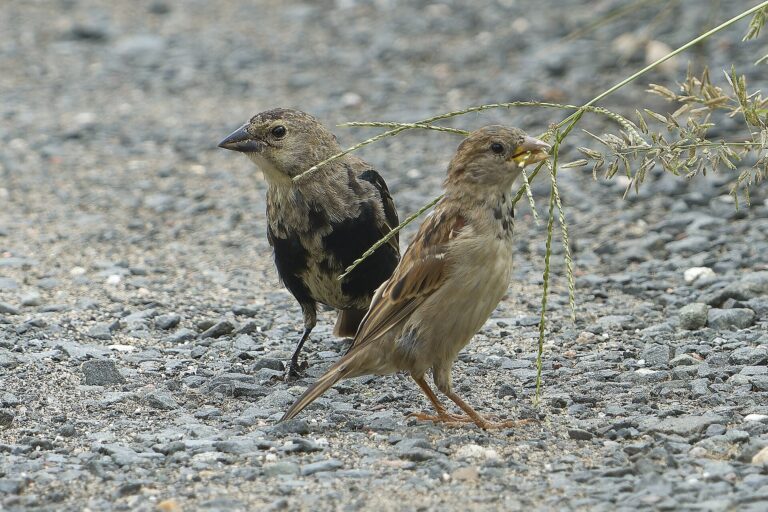
As bird enthusiasts, we often notice a striking dichotomy in avian presence. Some species, like the ubiquitous House Sparrow or the bold American Robin, seem to flourish in our backyards, urban parks, and bustling city centers. They build nests in our eaves, forage on our lawns, and sing from telephone wires. Conversely, many other species remain elusive, requiring dedicated excursions into wilder, more remote habitats to catch even a fleeting glimpse.
The Foundation: Habitat Preferences and Ecological Niches
Defining ‘Human-Modified’ Habitats
- Urban Centers: Densely populated areas with extensive concrete, tall buildings, limited green space, and high levels of human activity, noise, and artificial light.
- Suburban Areas: A mix of residential housing, gardens, parks, and scattered natural areas. These often provide more green cover and diverse plant life than urban cores.
- Agricultural Lands: Farmlands, orchards, and pastures, which are heavily modified but can offer specific resources like open fields for ground-nesters or abundant insects.
- Exurban/Rural-Residential: Areas where human dwellings are interspersed with larger tracts of natural or semi-natural habitat, often at the edge of wildlands.
Adaptations to Urban Environments: The Traits of Human-Tolerant Birds
1. Dietary Flexibility and Opportunism
Consider the American Robin (Turdus migratorius). While primarily an insectivore, particularly fond of earthworms, it also readily consumes berries and fruits found in suburban gardens and parks. Its ability to switch between these food sources depending on availability makes it highly successful in human-modified landscapes.
2. Tolerance to Disturbance and Noise
For instance, a Rock Pigeon (Columba livia) will often forage mere feet from pedestrians in a city square, seemingly unfazed by the commotion. This reduced flight initiation distance is a clear indicator of their adaptation to urban life.
3. Nest Site Versatility and Resourcefulness
- Building Ledges and Eaves: Rock Pigeons, Peregrine Falcons (in some cities), and Barn Swallows often nest on buildings.
- Bridges and Overpasses: Cliff Swallows and Barn Swallows frequently build mud nests under bridges.
- Streetlights and Signage: House Sparrows and European Starlings can build nests in the nooks and crannies of these structures.
- Shrubs and Garden Plants: American Robins, Northern Mockingbirds, and many finches readily nest in ornamental shrubs and small trees in suburban yards.
4. Behavioral Flexibility and Problem-Solving
Urban birds often display remarkable behavioral flexibility. They might learn to open trash cans, navigate complex urban landscapes, or even use artificial light for extended foraging periods. Some studies suggest that urban birds may exhibit different problem-solving abilities or learning capacities compared to their rural counterparts, allowing them to adapt to novel challenges.
Why Some Birds Avoid Human Areas: The Specialists and the Sensitive
1. Specialized Habitat Requirements
- Old-Growth Forest Dwellers: Species like the Pileated Woodpecker (Dryocopus pileatus) or various ovenbirds (e.g., Seiurus aurocapilla) require large tracts of mature forest with dead or dying trees for foraging and nesting. These resources are rarely available in urban parks.
- Wetland Specialists: Many wading birds (e.g., herons, egrets), waterfowl, and marsh birds (e.g., rails, bitterns) depend on specific wetland types – marshes, swamps, bogs – with particular vegetation, water levels, and invertebrate populations. Urban development often drains or pollutes these critical habitats.
- Grassland Birds: Species like the Eastern Meadowlark (Sturnella magna) or various sparrows (e.g., Grasshopper Sparrow) rely on expansive, undisturbed grasslands for nesting and foraging. These habitats are rapidly disappearing due to agriculture and urban sprawl.
- Specific Elevation/Climate Needs: Some species are restricted to high-altitude forests, desert scrub, or coastal dunes, making them inherently unlikely to encounter human settlements in their preferred range.
2. Sensitivity to Disturbance and Predation Risk
- Increased Stress Hormones: Chronic exposure to human disturbance can elevate stress hormones, impacting a bird’s health, reproductive success, and immune function.
- Nest Abandonment: Some species are highly sensitive during nesting. Repeated human disturbance near a nest can lead to abandonment, especially for ground-nesting birds or those in exposed locations.
- Predation Risk: Human areas often attract generalist predators like domestic cats, raccoons, and crows, which can decimate vulnerable bird populations. Birds that avoid humans may be instinctively trying to avoid these increased predation pressures.
3. Intolerance to Artificial Light and Pollution
Artificial light at night (ALAN) can disorient migratory birds, disrupt circadian rhythms, and alter foraging behaviors. Air and water pollution can also directly harm birds or reduce their food sources. Species sensitive to these factors will naturally avoid highly developed areas.
4. Lack of Behavioral Flexibility
Examples of the Avian Divide: A Closer Look
Thriving Near Humans: The Urban Champions
-
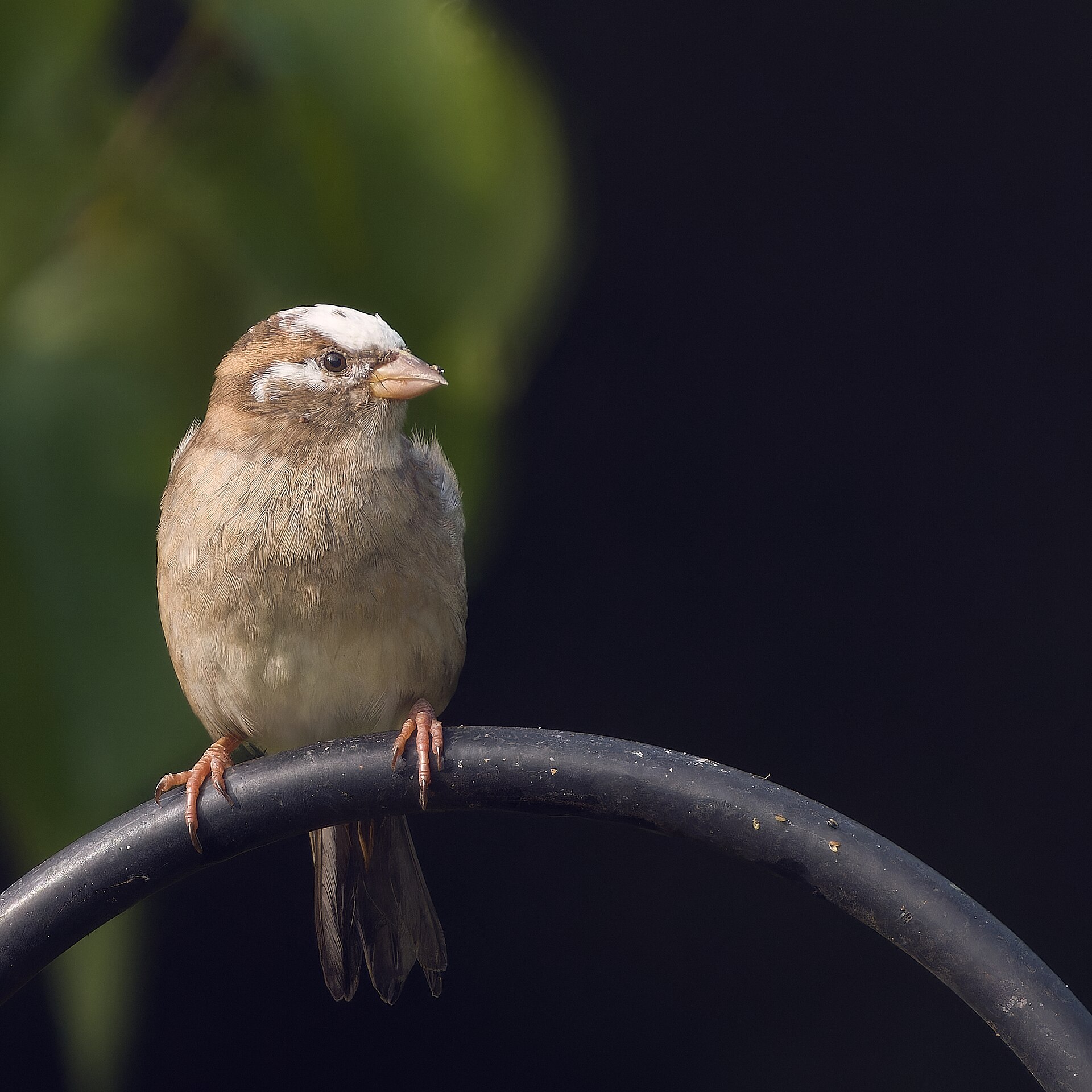
House Sparrow (Passer domesticus): Originating from the Middle East, this species has followed human migration across the globe. Its diet is incredibly varied, including seeds, insects, and human scraps. It nests in cavities, often utilizing holes in buildings, eaves, and streetlights. Its high reproductive rate and tolerance for disturbance make it a prime example of an urban adapter.
-
European Starling (Sturnus vulgaris): Another introduced species that has flourished. Starlings are omnivorous, consuming insects, fruits, and human refuse. They are aggressive cavity nesters, often outcompeting native species for prime spots in buildings, utility poles, and even traffic lights. Their flocking behavior also allows them to exploit abundant, localized food sources.
-
American Robin (Turdus migratorius): A native success story. Robins are highly adaptable to suburban lawns and parks, where they find earthworms and insects. They build sturdy cup nests in shrubs and small trees, often close to human dwellings. Their familiar song is a quintessential sound of spring in many neighborhoods.
-
Northern Mockingbird (Mimus polyglottos): Known for its complex songs, the mockingbird thrives in suburban areas with a mix of open lawns for foraging and dense shrubs for nesting and cover. Its omnivorous diet of insects and berries, combined with its territorial nature, allows it to carve out a niche in human-modified landscapes.
Avoiding Humans: The Wilderness Dwellers
-
Ovenbird (Seiurus aurocapilla): This small warbler is a classic forest interior specialist. It requires large, unbroken tracts of mature deciduous or mixed forest with a deep leaf litter layer for foraging and its distinctive dome-shaped, oven-like nest. Forest fragmentation and human disturbance quickly deter this species.
-
Loggerhead Shrike (Lanius ludovicianus): A predatory songbird that impales its prey on thorns or barbed wire. It requires open grasslands or savannas with scattered thorny shrubs for hunting and nesting. Habitat loss due to development and agricultural intensification has led to significant declines, making it rare near human settlements.
-
Common Loon (Gavia immer): This iconic waterfowl requires large, clear freshwater lakes with undisturbed shorelines for nesting. It is highly sensitive to human disturbance during nesting season, and boat traffic, shoreline development, and pollution can easily cause nest failure. You’ll rarely find a loon on a heavily trafficked urban pond.
-
Spotted Owl (Strix occidentalis): A prime example of a species requiring old-growth coniferous forests. It needs large, mature trees for nesting cavities and roosting, and its diet consists primarily of small mammals found in these specific forest ecosystems. Logging and habitat fragmentation are major threats, making it almost exclusively found in remote, protected areas.
Identification Cautions and Field Observation Tips
1. Regional Variation is Key
A bird that is common in urban areas in one part of the world might be rare or absent in another. For example, while Peregrine Falcons have adapted to nesting on skyscrapers in many North American cities, their presence is often tied to specific conservation efforts and the availability of prey (like pigeons). Always consult local field guides and eBird data for your specific region.
2. Not All Urban Areas Are Equal
A small, isolated patch of trees in a dense city will support fewer species than a large urban park with diverse habitats (forest, wetland, open field). Even within a city, microhabitats matter. A well-maintained backyard with native plants and water features will attract more diverse birds than a sterile, concrete-heavy one.
3. Look for the ‘Edge Effect’
Many species that avoid the deepest urban cores might be found at the periphery, in suburban areas or where urban development meets natural habitats. These ‘edge’ habitats can be surprisingly biodiverse, offering resources from both environments.
4. Observe Behavior, Not Just Presence
A bird might be present in a human-modified area but not truly thriving. Is it foraging successfully? Is it nesting? Is it exhibiting signs of stress (e.g., constant vigilance, poor feather condition)? True adaptation means successful reproduction and survival, not just occasional sightings.
5. Be Patient and Respectful
When observing birds, especially those that are more sensitive, maintain a respectful distance. Use binoculars or a spotting scope to get closer views without disturbing the bird. Avoid sudden movements or loud noises. If a bird shows signs of distress (e.g., alarm calls, agitated movements, flying away), you are too close.
6. Learn Local Calls and Songs
Many urban birds are highly vocal. Learning their calls and songs can help you identify them even when they are hidden in foliage. For shy species, vocalizations might be your only clue to their presence.
Implications for Birders and Conservation
For Birders: Enhancing Observation and Understanding
- Targeted Birding: Knowing which species prefer which environments allows birders to plan their outings more effectively. You wouldn’t typically look for an Ovenbird in a downtown park, nor would you expect to find a House Sparrow deep in a pristine forest.
- Appreciating Adaptations: Observing urban birds with an understanding of their adaptations fosters a deeper appreciation for their resilience and ingenuity.
- Citizen Science: Birders can contribute valuable data to projects like eBird, helping scientists track changes in bird distribution and abundance, especially in response to urbanization.
For Conservation: Protecting All Species
- Urban Conservation: For human-tolerant species, conservation efforts focus on creating bird-friendly urban spaces: planting native vegetation, reducing pesticide use, providing clean water, and managing urban predators (like feral cats).
- Wilderness Preservation: For human-avoiding species, the priority is protecting and restoring large, contiguous tracts of natural habitat, minimizing fragmentation, and reducing human disturbance in critical areas.
- Mitigating Human Impact: Understanding how human activities affect different species allows for targeted mitigation strategies, such as reducing light pollution during migration, designing bird-friendly buildings, or managing noise levels near sensitive nesting sites.
Practical Birding Tips for Urban and Suburban Settings
Even in the most developed areas, birding can be incredibly rewarding. Here’s how to maximize your chances and observe ethically:
Additional Resources and References
- Cornell Lab of Ornithology: An invaluable resource for bird identification, behavior, and conservation. Their All About Birds guide is comprehensive.
- eBird: A global citizen science project where you can record your sightings, explore bird distribution maps, and find local hotspots.
- Audubon Society: Focuses on bird conservation and offers resources for bird-friendly gardening and local birding groups.
- RSPB (Royal Society for the Protection of Birds): A leading conservation charity in the UK, with excellent resources on garden birds and habitat management.
- Local Field Guides: Essential for accurate identification in your specific region.
- Your Local Library: Often has a wealth of birding books and guides.
Conclusion: A Tapestry of Adaptation and Coexistence
The question of why some birds live near humans and others avoid us unravels into a fascinating exploration of ecological niches, evolutionary adaptations, and behavioral flexibility. From the bold, omnivorous generalists who thrive amidst our concrete and commotion to the specialized, sensitive species that retreat to the wild’s embrace, each bird’s relationship with humanity is a testament to its unique biology.
