Why Do Birds Build Different Types of Nests?
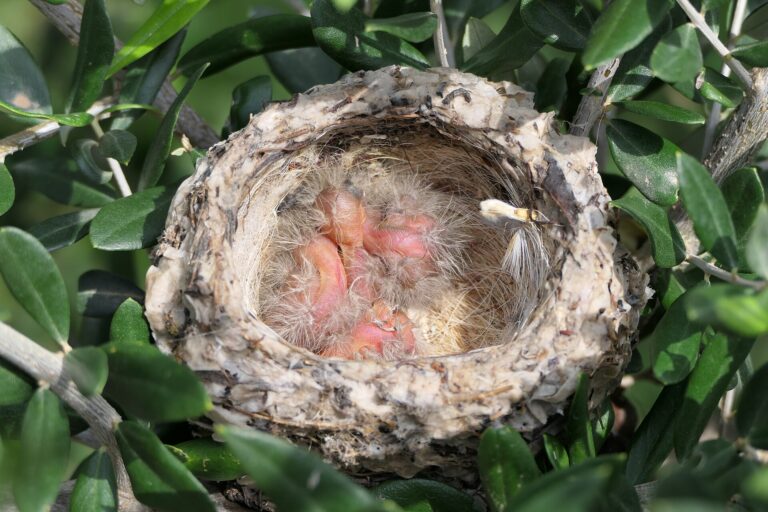
Birds build a variety of nests, each tailored to their needs and environment. This guide explains the reasons behind these differences and offers tips for birders and backyard enthusiasts.
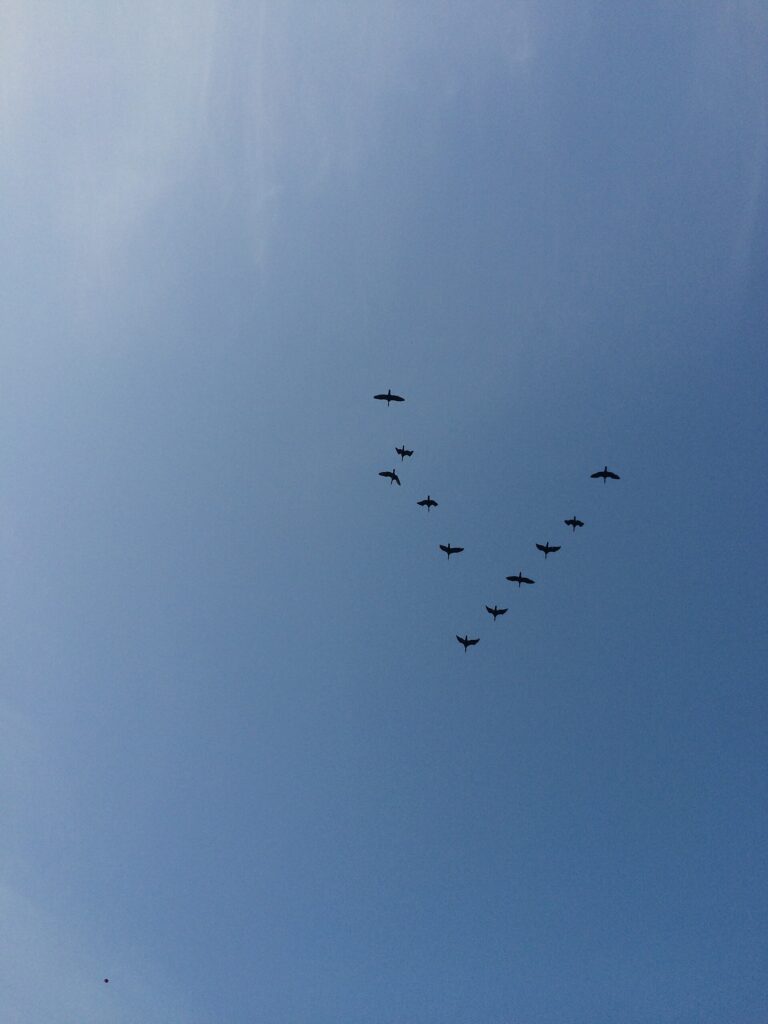
Birds often fly in a V formation during migration. This behavior enhances flight efficiency and communication. Learn how and why this remarkable pattern develops, and how to observe it in the field.
Birds sing in the morning as part of their daily routines, driven by factors like territory, mate attraction, and environmental conditions. Learn what the dawn chorus reveals about bird behavior.
Distinguishing between bird calls and songs is a fundamental skill for any birder. This comprehensive guide delves into their unique characteristics, purposes, and offers practical strategies for recognizing them in the wild.
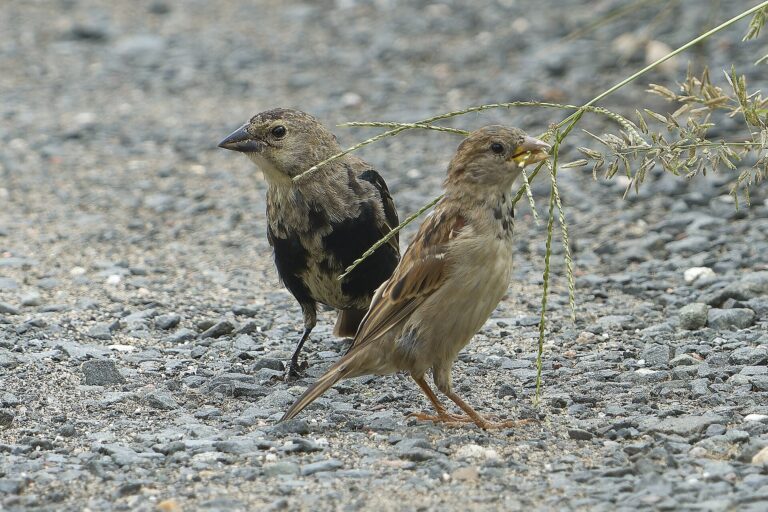
Discover the reasons behind birds’ varying proximity to human habitats, exploring their behaviors, adaptations, and how birders can identify and observe these differences.
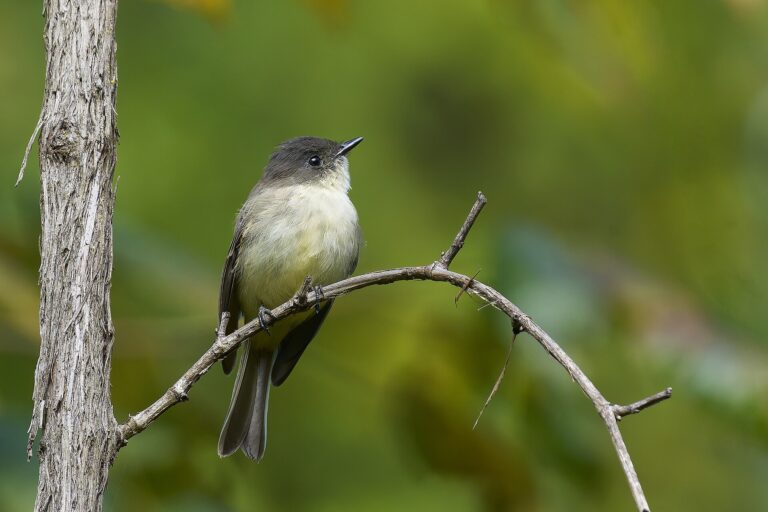
Phoebes are known for their distinctive tail flicking. This behavior serves multiple purposes, from communication to territorial displays. Learn what tail flicking reveals about these birds.
Birds often bob their heads, a behavior that can seem curious or confusing. This article explores the reasons behind head-bobbing, helping beginners understand and observe bird behavior more effectively.
Many backyard birders notice birds tapping or hitting windows. This article explores the reasons behind this behavior and offers humane solutions to keep birds safe.
Bird migration is a complex and awe-inspiring behavior driven by fundamental needs: sustenance, favorable climate, and reproductive success. Learn how and why birds undertake these incredible, often vast, annual journeys in this detailed explainer.