
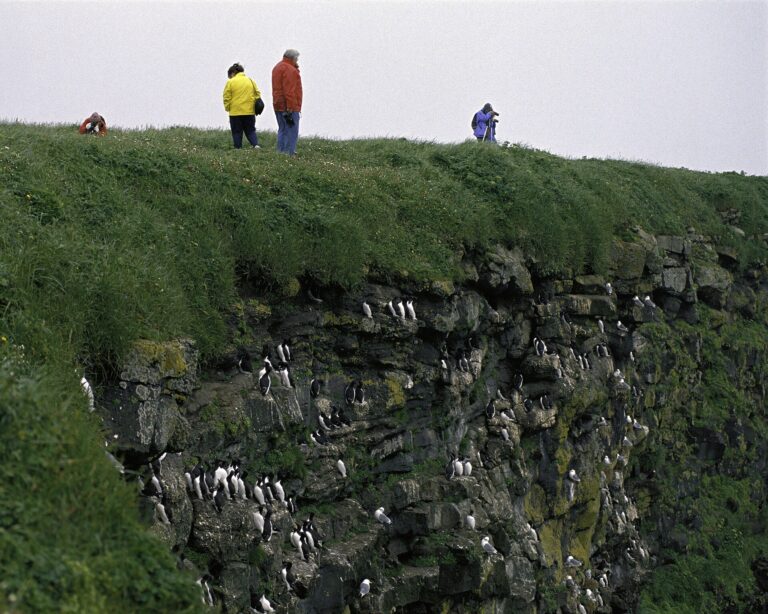
Introduction: The Art of Respectful Birdwatching
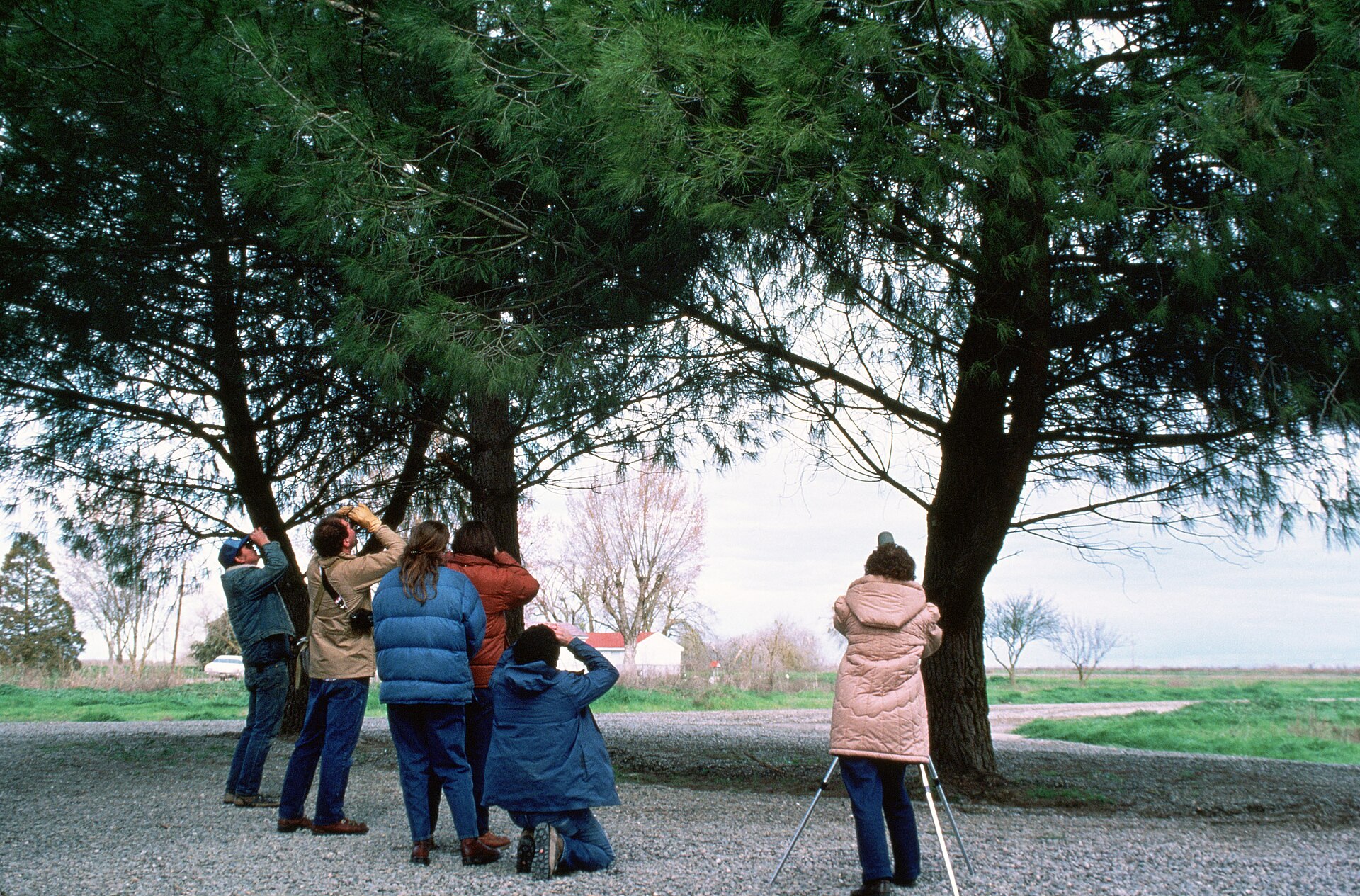
Birdwatching, or birding, is a deeply rewarding pursuit that connects us intimately with the natural world. It offers a window into the intricate lives of avian species, from their mesmerizing migrations to their complex social behaviors. However, this privilege comes with a significant responsibility: to observe birds without disturbing them.
Ethical birding is not just about identifying species; it’s about understanding and respecting their needs, ensuring our presence does not negatively impact their well-being or habitats. This guide offers practical advice to help you become a responsible and effective birder.
Understanding Bird Behavior and Sensitivity: Reading the Avian Cues
Birds are incredibly sensitive creatures, finely tuned to their environment for survival. Their daily lives revolve around finding food, seeking shelter, avoiding predators, and raising their young. Any perceived threat, including an overly close or noisy human, can trigger stress responses that disrupt these vital activities. Common indicators of stress include:
- Alarm Calls: Many species have distinct calls to warn others of danger. If you hear these, you are likely too close.
- Flushing: Birds suddenly flying away from their perch or feeding area indicate they feel threatened.
- Agitated Movements: Rapid head bobbing, tail flicking, or restless hopping can signal unease.
- Freezing: Some birds may become unnaturally still, trying to blend in, which is also a stress response.
- Changing Course: If a bird alters its flight path or foraging routine because of your presence, you’ve caused a disturbance.
Interpreting these behaviors allows you to adjust your approach. If a robin suddenly stops foraging and stares intently in your direction, it’s a cue to slowly retreat or freeze. By understanding these communications, birders can ensure their observations are truly unobtrusive.
Field Observation Tip: Pay attention not just to the bird but its surroundings. Are other birds reacting? Is the bird’s posture relaxed or tense? Your goal is to be so unobtrusive that the birds act as if you aren’t there at all.
Approaching Birds Respectfully: The Art of Stealth and Distance
Minimizing your impact begins with how you approach a birding location and individual birds. The goal is to be an observer, not a participant in their ecosystem.
Maintain Distance and Utilize Optical Aids
The golden rule of ethical birding is to keep a respectful distance. This not only protects the birds but also enhances your viewing experience; getting too close often results in the bird flying away. Instead, rely on optics:
- Binoculars: Essential for any birder. A good pair (e.g., 8×42 or 10×42) brings distant birds into clear view without requiring you to move closer.
- Spotting Scopes: For stationary observation of shorebirds, waterfowl, or raptors at great distances, a spotting scope (typically 20-60x) allows detailed study from hundreds of yards away.
Practical Example: If you spot a Great Blue Heron fishing in a shallow pond, find a discreet spot behind some vegetation, set up your binoculars or scope, and observe from a distance of 50-100 meters (160-330 feet). If you notice the heron lifting its head more frequently or changing its fishing spot, you might still be too close.
Move Quietly and Calmly
Sudden movements and loud noises are direct threats to birds. Adopt a slow, deliberate pace; avoid running, shouting, or abrupt gestures. When walking, pay attention to your footing to avoid snapping twigs. Wearing muted, natural-colored clothing (greens, browns, grays) helps you blend into the environment.
Field Observation Tip: When you spot a bird, approach indirectly, using trees or shrubs as cover rather than walking straight toward it. This ‘soft’ approach is less threatening and increases your chances of prolonged observation.
Choosing the Right Locations and Times: Maximizing Ethical Encounters
Your choice of when and where to birdwatch significantly impacts your ability to do so ethically.
Timing Your Visits
Birds are generally most active during dawn and early morning, and again in the late afternoon. These times offer the best viewing opportunities as birds forage, sing, and engage in social behaviors, but they are also when birds are most vulnerable and sensitive to disturbance. Visiting during these quieter periods often means fewer other people, reducing overall human impact.
Consider the season as well. During nesting season (typically spring and early summer), birds are particularly sensitive, and during migration they need to conserve energy, so disturbances can be especially detrimental.
Respecting Designated Areas and Regulations
Many birding hotspots feature established trails, boardwalks, viewing platforms, or hides. These are designed to allow observation with minimal disturbance. Always stay on designated paths, even if it means a less direct route. Going off-trail can damage vegetation, disturb ground-nesting birds, or lead you too close to sensitive areas. Obey all posted signs regarding restricted areas and seasonal closures.
Identification Caution: Resist the urge to shout out identifications, especially if birds are close. Use a quiet voice or hand signals; even a hushed conversation can carry to a wary bird.
Protecting Nests, Roosts, and Habitats: Guardians of Avian Life
The reproductive success of birds is incredibly fragile. Disturbing nests can lead to abandonment, exposure of eggs or chicks to predators, or even the death of young birds.
Maintaining Distance from Nests and Roosts
Never approach an active nest. If you accidentally discover one, back away immediately and discreetly, and avoid lingering. Similarly, avoid disturbing communal roosting sites, especially for species like owls or raptors. If you see a bird carrying nesting material or food, it’s a strong indication of a nearby nest; give it a wide berth.
Visual Observation Advice: When you see a bird repeatedly flying to the same spot with food in its beak, it’s a clear sign of a nest. Do not try to locate it; instead, observe from a distance, note the general area, and move on to avoid stressing the parents or revealing the nest’s location to predators.
Staying on Trails and Protecting Vegetation
Walking off-trail, especially in dense undergrowth, can inadvertently crush eggs or young birds or destroy critical habitat. Even seemingly minor damage to vegetation can have ripple effects on the ecosystem. By sticking to established paths, you minimize your footprint.
Practical Example: During spring, ground-nesting birds like Killdeer can have nests surprisingly close to trails. If you see a bird performing a ‘broken-wing display’ (feigning injury to lure you away), you are near a nest or chicks. Immediately move away, giving the bird ample space.
Practicing Responsible Photography: Prioritizing Welfare Over the Shot
Bird photography can be an incredible tool for conservation and education, but it must be done ethically. The welfare of the bird should always take precedence over capturing a perfect image.
- Use Long Lenses: A telephoto lens (400mm or more) allows you to capture stunning images from a significant distance, eliminating the need to approach too closely.
- Avoid Flash: Flash can startle, disorient, and stress birds, especially at night or in low light, and should be avoided entirely.
- No Baiting or Luring: Never use live bait, recordings of calls (beyond very brief, infrequent use), or artificial attractants to lure birds for a photo. This can disrupt natural foraging, expose birds to predators, or habituate them to humans.
- Respect Private Property and Regulations: Always seek permission before photographing on private land, and adhere to local regulations regarding drones, which can be highly disruptive to wildlife.
- Observe for Stress: If the bird shows signs of stress (stopping feeding, looking directly at you, alarm calls), stop photographing and retreat.
- Consider Your Impact: Before pressing the shutter, ask yourself if your actions are putting the bird at risk. If so, back off.
Supporting Ethical Birding and Conservation: Beyond Personal Observation
Ethical birding extends beyond your individual actions in the field. It involves contributing to broader efforts to protect birds and their habitats.
- Join and Support Organizations: Become a member or donate to reputable conservation organizations like the National Audubon Society, RSPB, or local bird clubs. These groups conduct vital research and manage critical habitats.
- Participate in Citizen Science: Programs like eBird, the Christmas Bird Count, or the Great Backyard Bird Count let you submit sightings that help scientists track populations and migration. It’s a fantastic way to turn your hobby into a scientific contribution.
- Educate Others: Share your knowledge of ethical practices with friends and fellow birders, leading by example and gently correcting others politely.
- Advocate for Conservation: Support policies that protect natural spaces, reduce pollution, and mitigate climate change.
- Support Bird-Friendly Products: Choose shade-grown coffee, which often preserves bird habitat, and avoid pesticides in your garden.
Practical Tips for Beginner Birders: Getting Started Right
Embarking on your birding journey with these tips will set you up for success and ethical practice:
- Invest in Good Optics: A quality pair of binoculars is your most important tool. You don’t need the most expensive, but a clear, bright image makes a huge difference.
- Get a Field Guide or App: A regional field guide or a bird identification app (like Merlin Bird ID) helps you identify species from a distance, reducing the need to get too close.
- Be Patient and Quiet: Find a comfortable spot, remain still and quiet, and let the birds come to you. Rushing or making noise will scare birds away.
- Observe Local Regulations: Always check the rules for any park, refuge, or natural area you visit. A quick search online can save you from unintentional rule-breaking.
- Record Your Sightings Responsibly: Keep a journal or use an app like eBird to log your observations, noting behaviors, habitat, and weather. It’s okay not to identify every bird.
- Go with Experienced Birders: Joining a local birding group provides invaluable lessons in both identification and ethical field practices.
- Dress Appropriately: Wear comfortable, sturdy shoes and dress in layers. Muted colors help you blend in.
Conclusion: A Lifelong Journey of Respect and Discovery
Birding is more than just a hobby; it’s a profound journey of discovery and a commitment to conservation. By consistently practicing ethical etiquette, beginners can ensure their passion contributes positively to the well-being of avian populations. Every time you keep a respectful distance, move quietly, or advocate for bird protection, you make a tangible difference.
Remember, responsible birdwatching not only enriches your personal experience but also safeguards the creatures that bring so much joy into our lives, ensuring future generations can marvel at their beauty.
