

California is home to a stunning variety of blue birds, each with distinctive traits and habitats. Among these, the California Scrub-Jay is notable for its vibrant blue-gray coloration and white belly, thriving in native shrubbery. The Mountain Bluebird, with its vivid sky-blue plumage, favors open woodlands and feeds primarily on insects. The Western Bluebird displays rich blue tops and enjoys a diet of insects and berries in northern California's woodlands. Steller's Jay, marked by its deep blue and black plumage, adapts well to human presence in coniferous forests. Each species presents a unique glimpse into the ecological tapestry of the state, offering more insights on their individual behaviors and environmental roles.
California Scrub-Jay
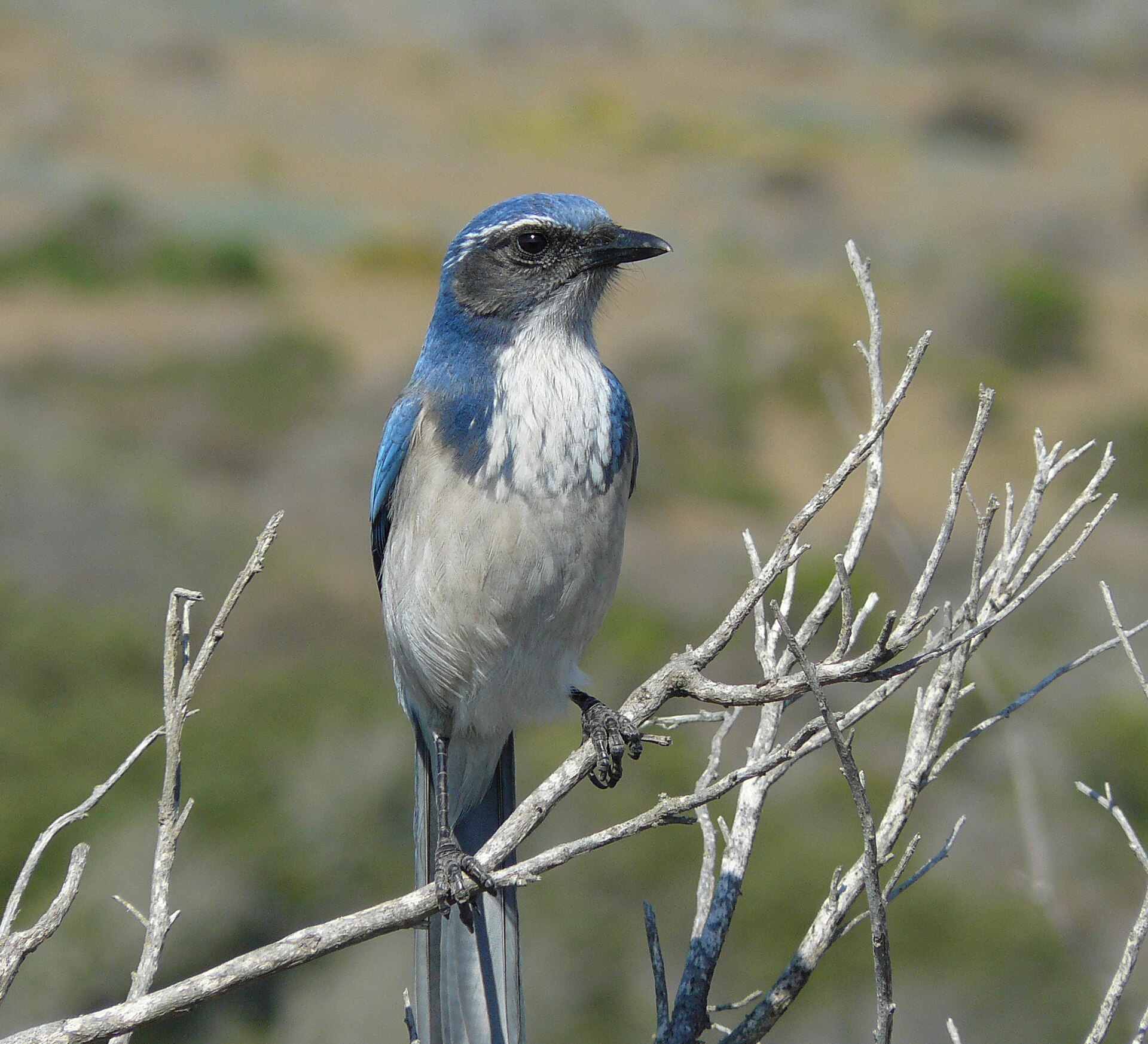
Photo by docentjoyce from u.s.a. (CC BY 2.0, via Wikimedia Commons)
Renowned for their striking azure blue and gray plumage, California Scrub-Jays are a prominent feature of the coastal and dry lowland regions of California.
These birds display a vibrant blue-gray coloration and a distinctive white belly, accented with a blue necklace.
Commonly nesting in dense shrubs, their long tails and bold colors make them easily recognizable within their native habitat.
Mountain Bluebird
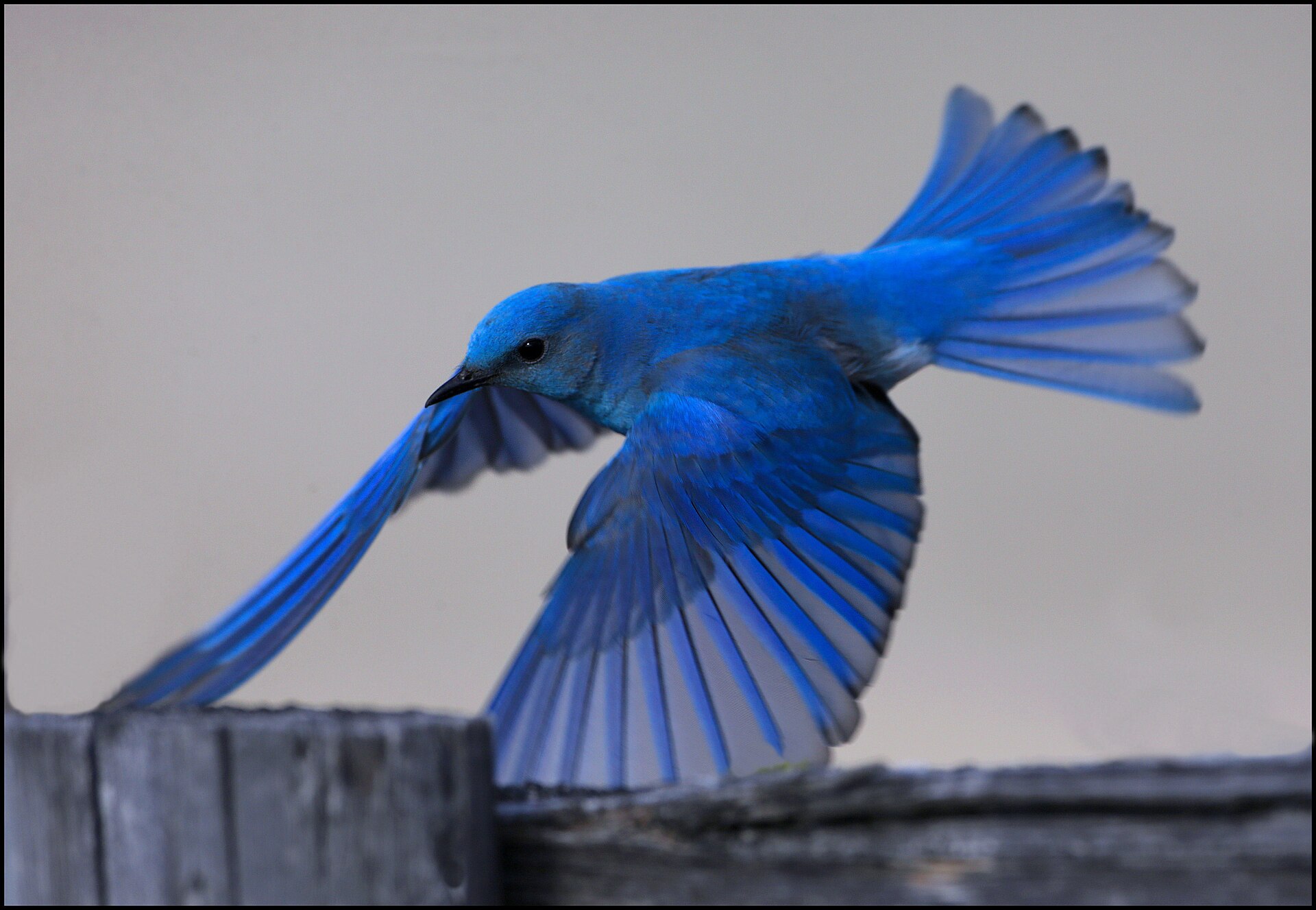
Photo by Nigel from vancouver, Canada (CC BY 2.0, via Wikimedia Commons)
Shifting our focus from the coastal dwellers, the Mountain Bluebird graces the more open landscapes of California with its vivid sky-blue plumage.
These types of blue birds thrive in open woodlands and prairies, feeding primarily on insects. They favor nesting in natural tree holes or nest boxes.
Fortunately, the populations of Mountain Bluebirds are on the rise, highlighting successful conservation efforts.
Western Bluebird
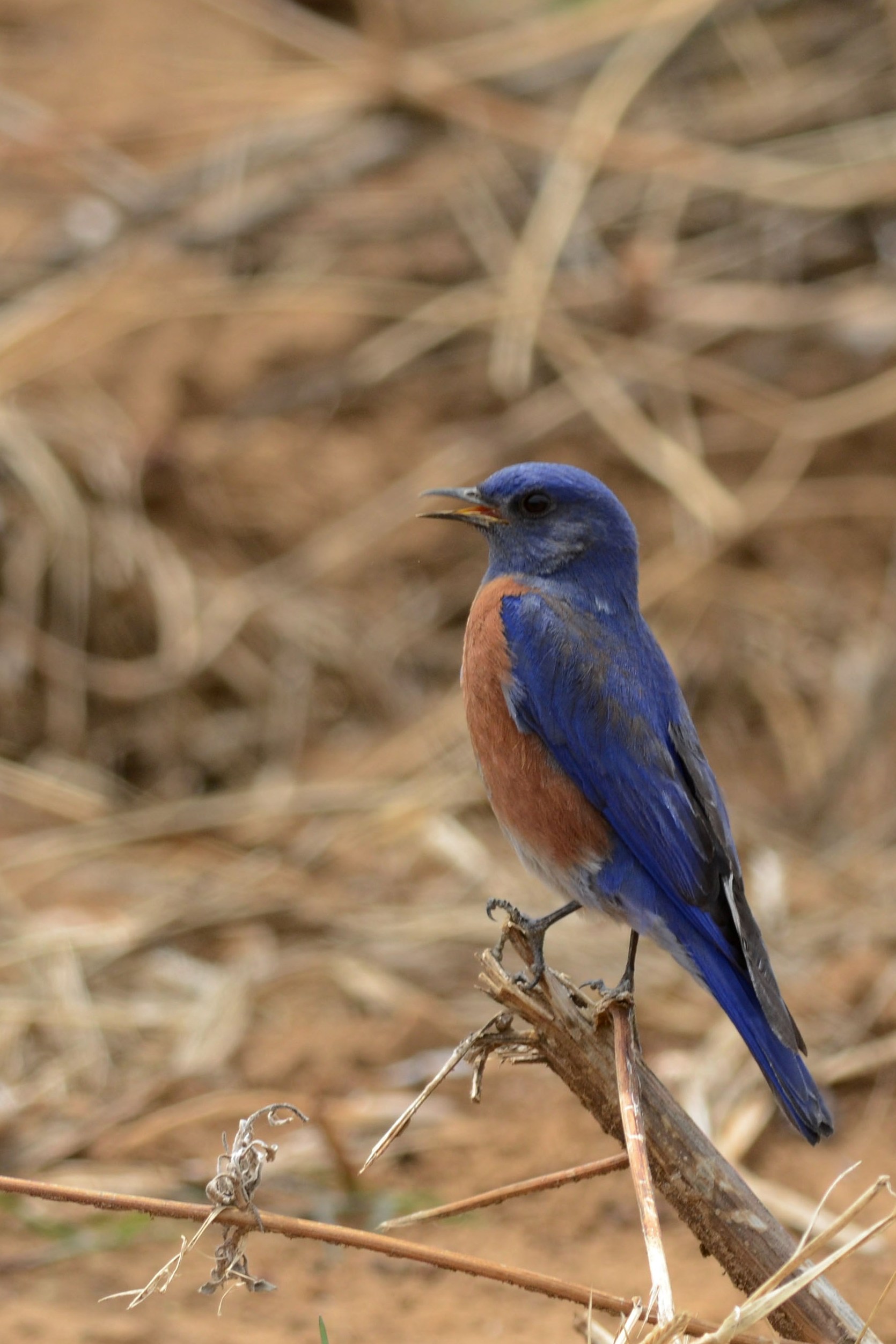
Photo by Amado Demesa from DF, México (CC BY-SA 2.0, via Wikimedia Commons)
Western Bluebirds, easily recognizable by their striking blue tops in males and bluish-gray hues in females, are a year-round presence in northern California. They thrive in open woodlands, feeding on insects and berries.
Their nesting habits involve using cavities, which highlights their importance. Conservation efforts are essential to provide suitable habitats and maintain healthy populations of this cherished California blue bird.
Steller's Jay

Steller's Jay, distinguished by its deep blue and black plumage and a notable crest, is a common resident in California's coniferous forests. This omnivorous bird feeds on a varied diet including seeds, nuts, insects, and berries.
Recognizable by its distinctive crest and vibrant color, Steller's Jay thrives in both wild and suburban settings, adapting well to human presence with its bold and social nature.
Purple Martin
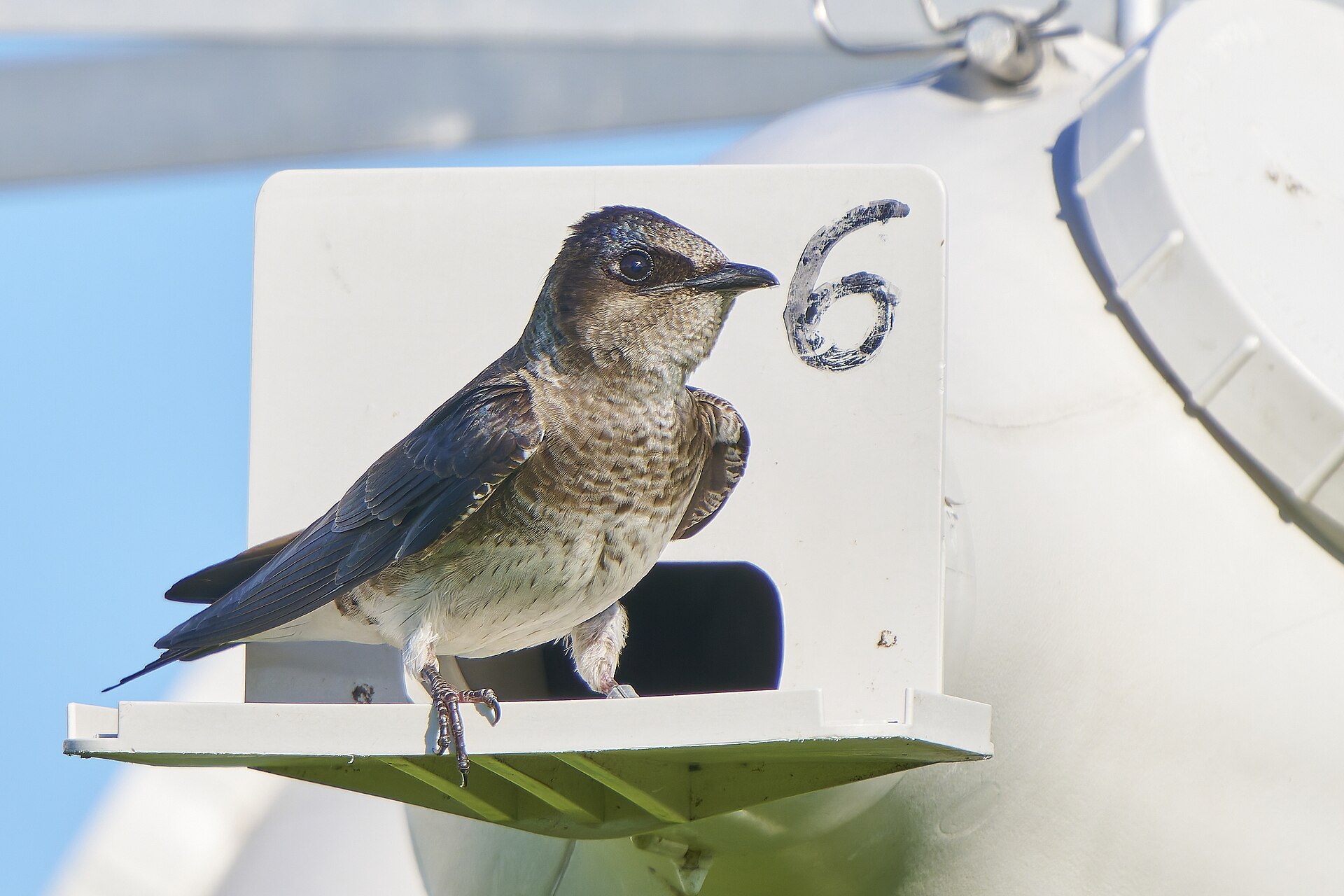
Photo by Paul Danese (CC BY-SA 4.0, via Wikimedia Commons)
Purple Martins, with their stunning deep bluish-purple coloration, are among the most visually enchanting birds found along the California coast.
These large swallows migrate to South America for winter but breed in California, where they are cavity nesters, often seen in specialized martin houses.
Observing these birds offers a unique opportunity to enjoy their vivid hues and behaviors.
Tree Swallow
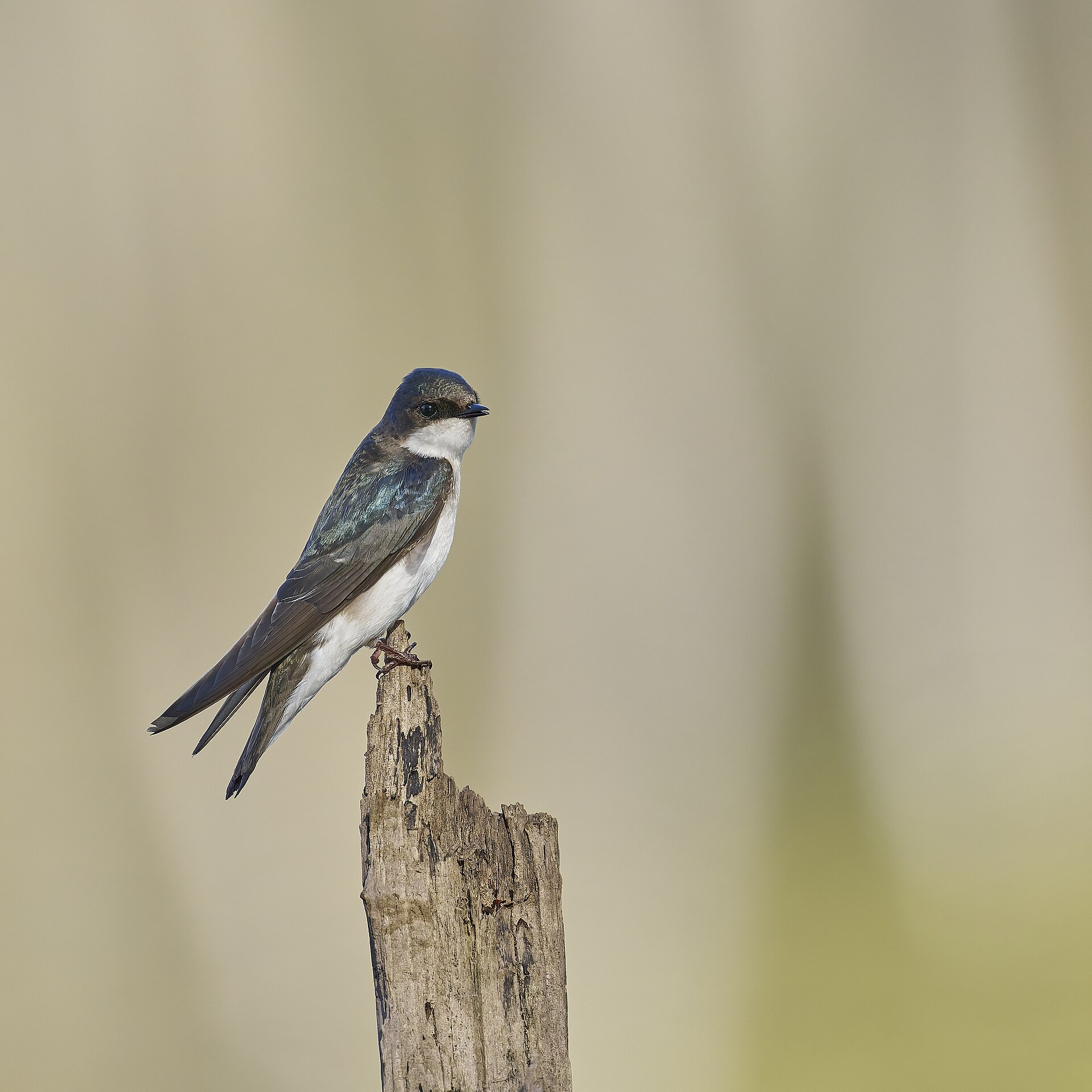
Photo by Paul Danese (CC BY-SA 4.0, via Wikimedia Commons)
Tree Swallows are characterized by their iridescent blue-green upperparts and white underparts. They are small, agile songbirds native to California. Their long, pointed wings and slightly forked tails enhance their aerial feeding habits. These birds expertly catch flying insects mid-air.
Adaptable in nesting, Tree Swallows often utilize tree cavities or artificial nest boxes. This support their breeding efforts and contributes to their widespread presence across the state.
Blue Grosbeak

Moving from the agile Tree Swallow, we now explore the Blue Grosbeak, a species distinguished by its vivid blue plumage and presence in California's marshy landscapes.
Blue Grosbeaks are easily recognizable by their striking appearance. They thrive in areas with abundant shrubs and trees, perfect for nesting and scanning the environment for food, making them a fascinating sight for birdwatchers.
Belted Kingfisher
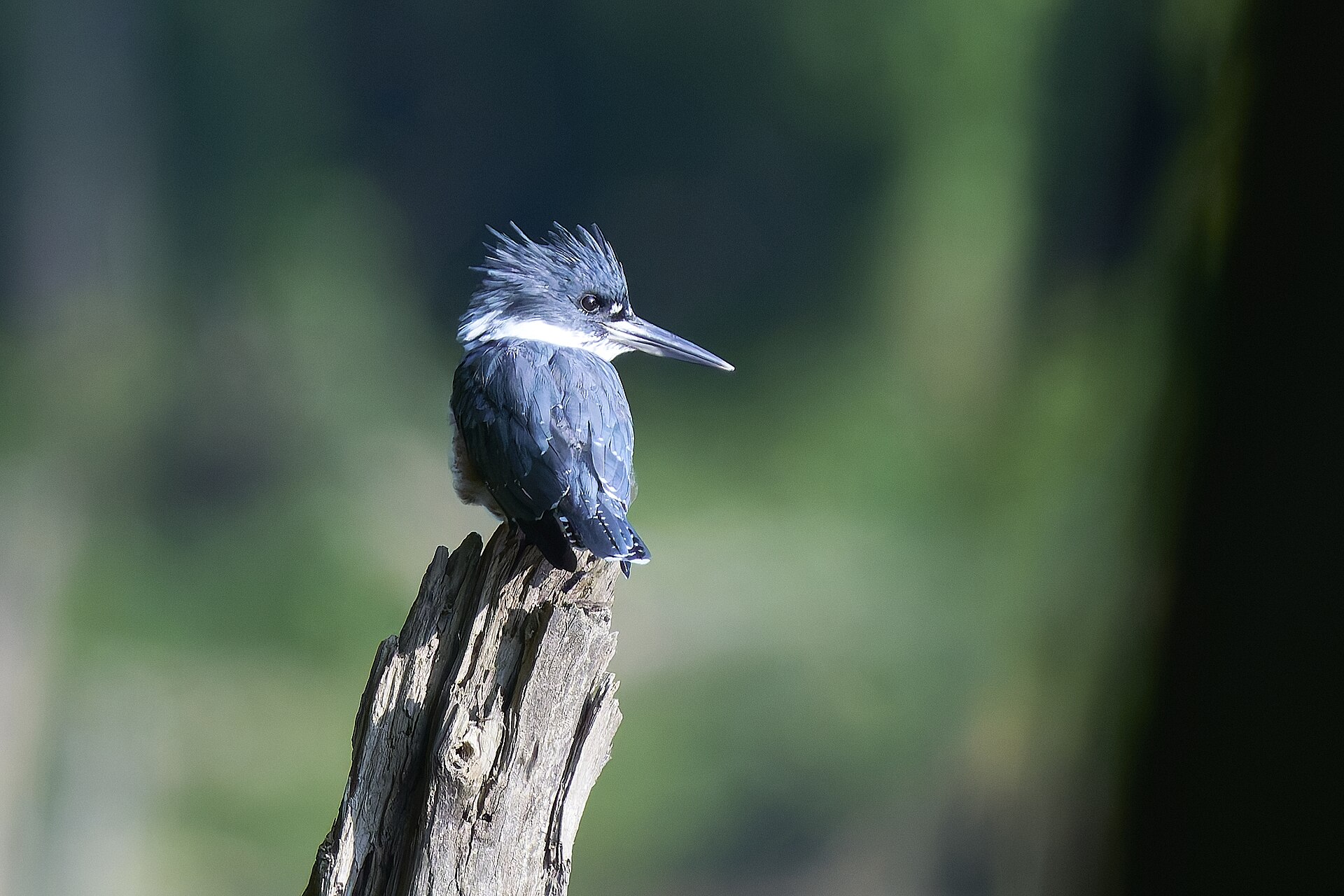
Photo by Paul Danese (CC BY-SA 4.0, via Wikimedia Commons)
The Belted Kingfisher, measuring about 13 inches long and adorned with a distinctive white ring around its blue/gray neck, is a prominent feature of California's aquatic landscapes.
This bird, recognized by its large bill and blue-gray plumage, excels in a unique fishing technique, diving into water-rich habitats to catch fish and aquatic insects, and as a result thrives in regions abundant with streams, rivers, and lakes.
Barn Swallow
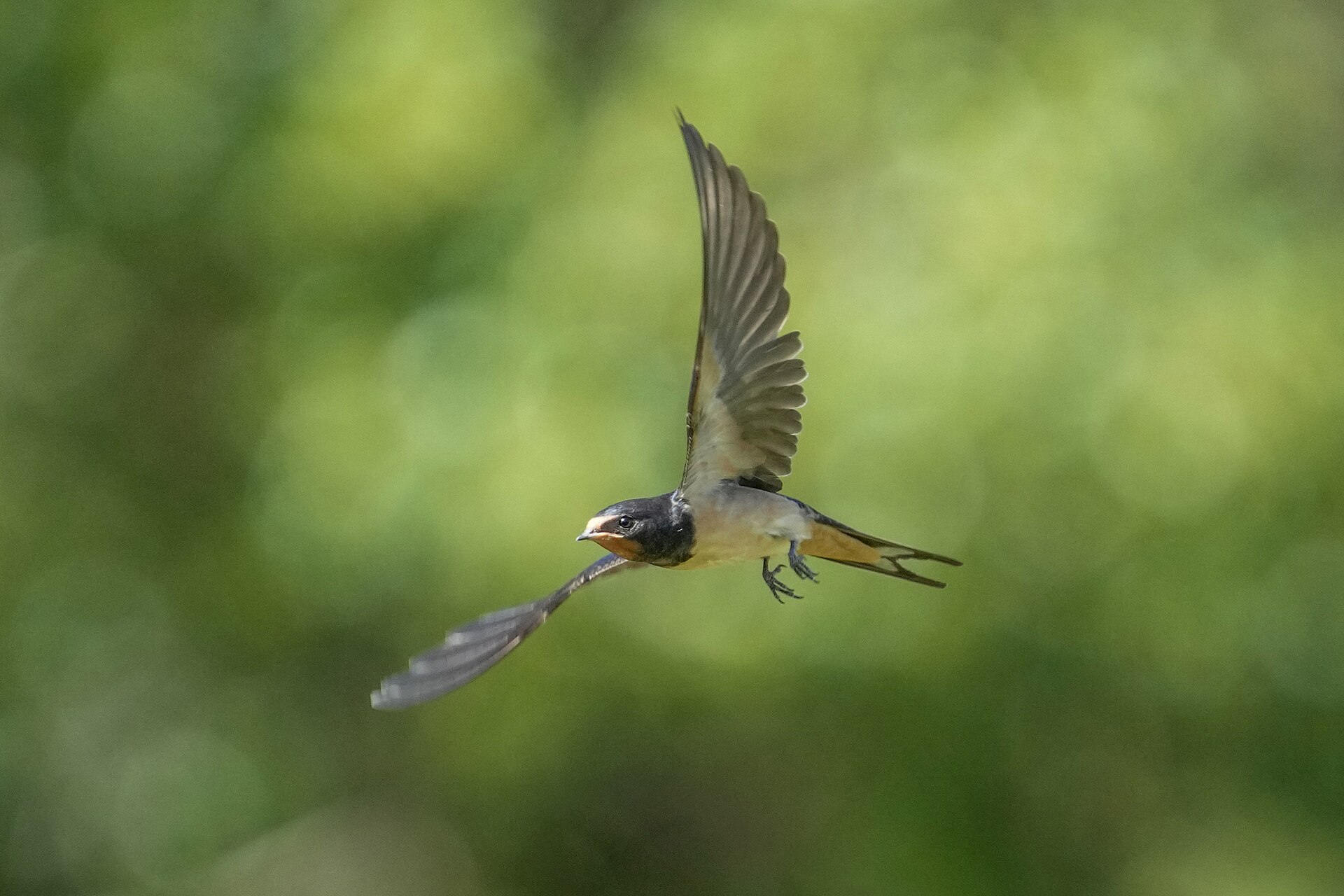
Photo by Giles Laurent (CC BY-SA 4.0, via Wikimedia Commons)
Shifting focus from the aquatic hunter, the Belted Kingfisher, we explore another avian species, the Barn Swallow, known for its acrobatic flight and presence in California's open landscapes.
Barn Swallows, about 7 inches long, display glossy steel blue feathers and a chestnut throat. They thrive in open fields and pastures, skillfully catching insects mid-air, and build nests on human-made structures, contributing to natural pest control.
Pinyon Jay
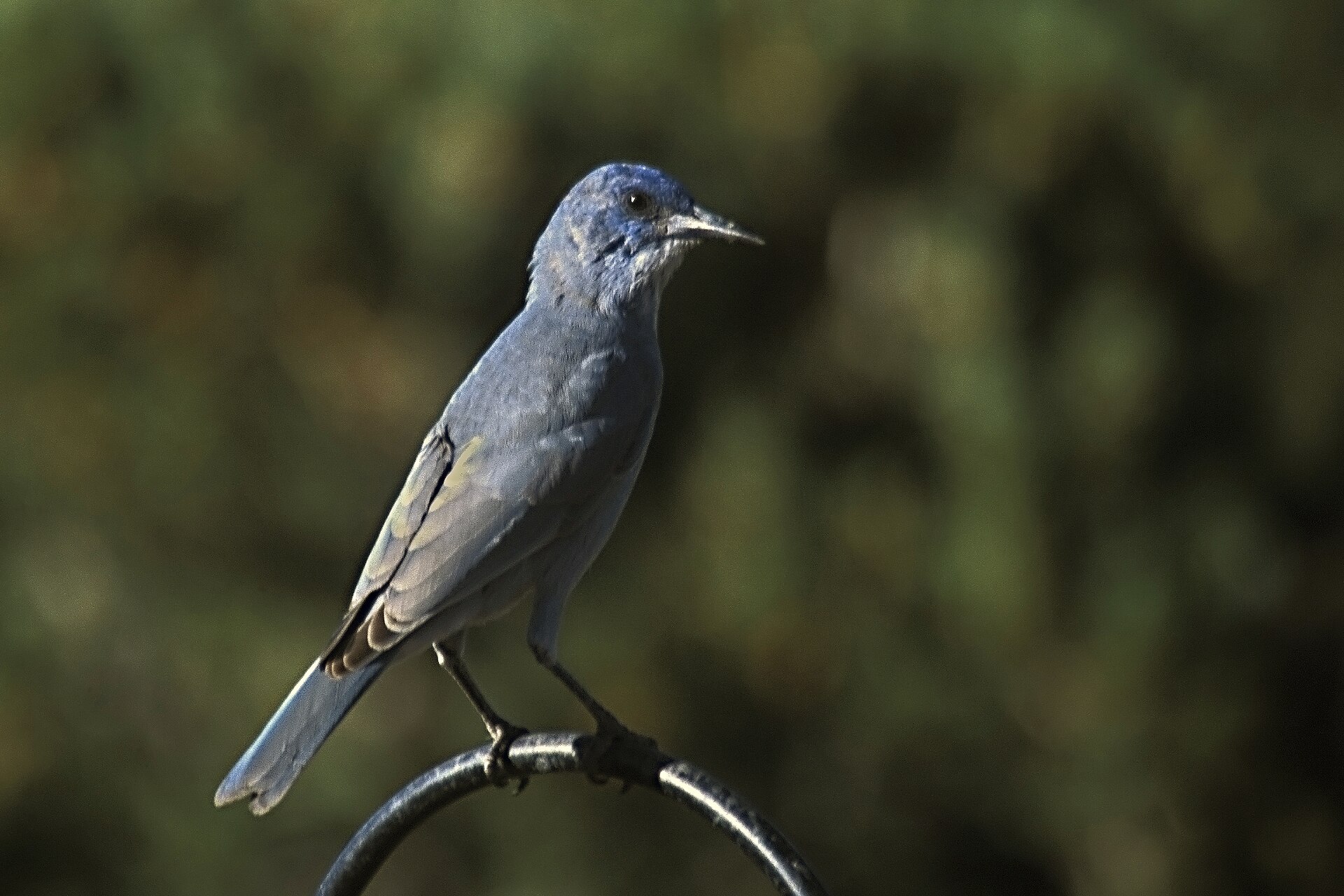
Photo by Peter Wallack (CC BY-SA 3.0, via Wikimedia Commons)
Inhabiting the forested regions of California, the Pinyon Jay boasts a unique dusty blue plumage and thrives among Pinyon-juniper woodlands and sagebrush expanses. These birds primarily feed on Pinyon-pine seeds and construct bulky nests within the trees for breeding.
Commonly found in dry shrublands and parks, Pinyon Jays are a notable part of the state's avian community.
Woodhouse's Scrub-Jay

Woodhouse's Scrub-Jay, measuring 11-12 inches, displays distinctive light blue and gray plumage, making it a prominent feature of California's avian landscape.
Commonly found in Pinyon pine habitats, this bird is easily recognizable by its bright blue chest stripe.
Its diverse diet includes insects, fruit, nuts, seeds, and even lizards, showcasing its adaptability within various environments.
Lazuli Bunting
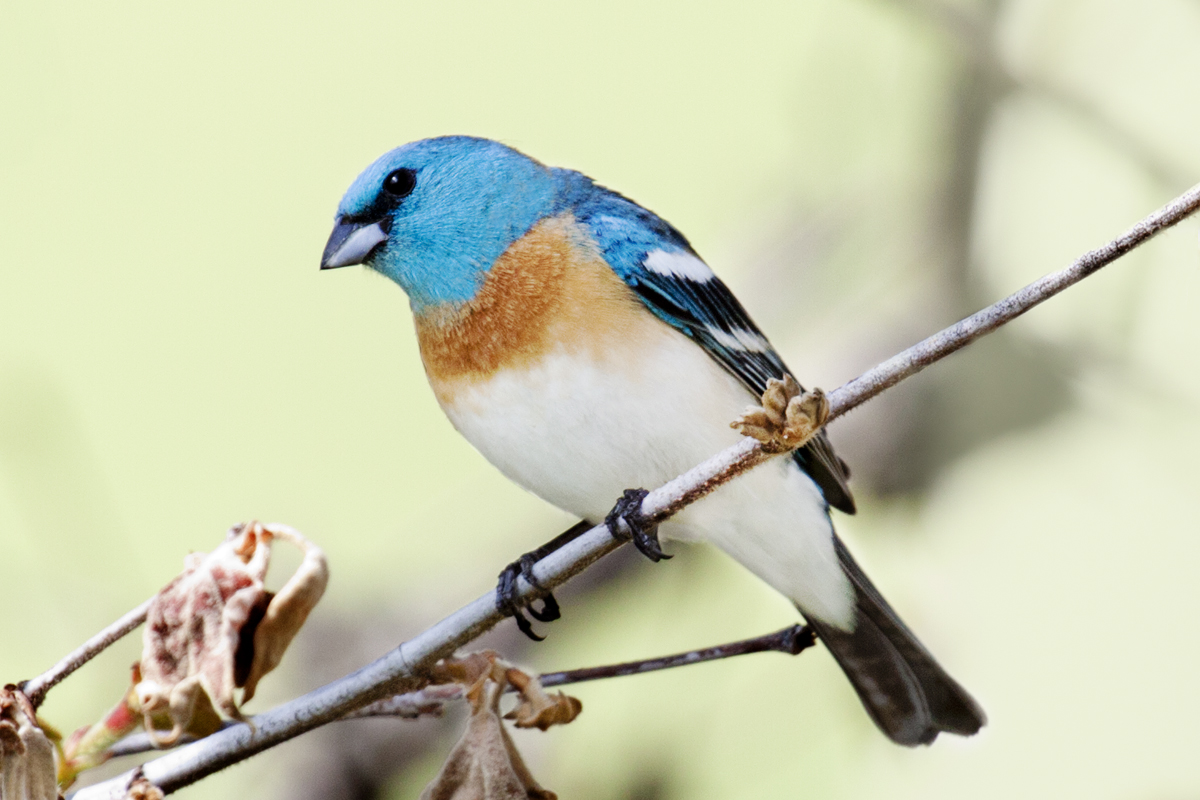
Photo by Bill Bouton (CC BY-SA 2.0, via Wikimedia Commons)
Continuing our exploration of California's blue birds, the Lazuli Bunting stands out with its striking blue upperparts and vibrant head.
These birds frequent brushy areas and thickets, where they feed on insects, berries, and seeds.
Easily spotted nesting low in shrubs, the Lazuli Bunting migrates to Mexico during winter, offering a spectacular view of their vivid plumage in natural settings.
Great Blue Heron
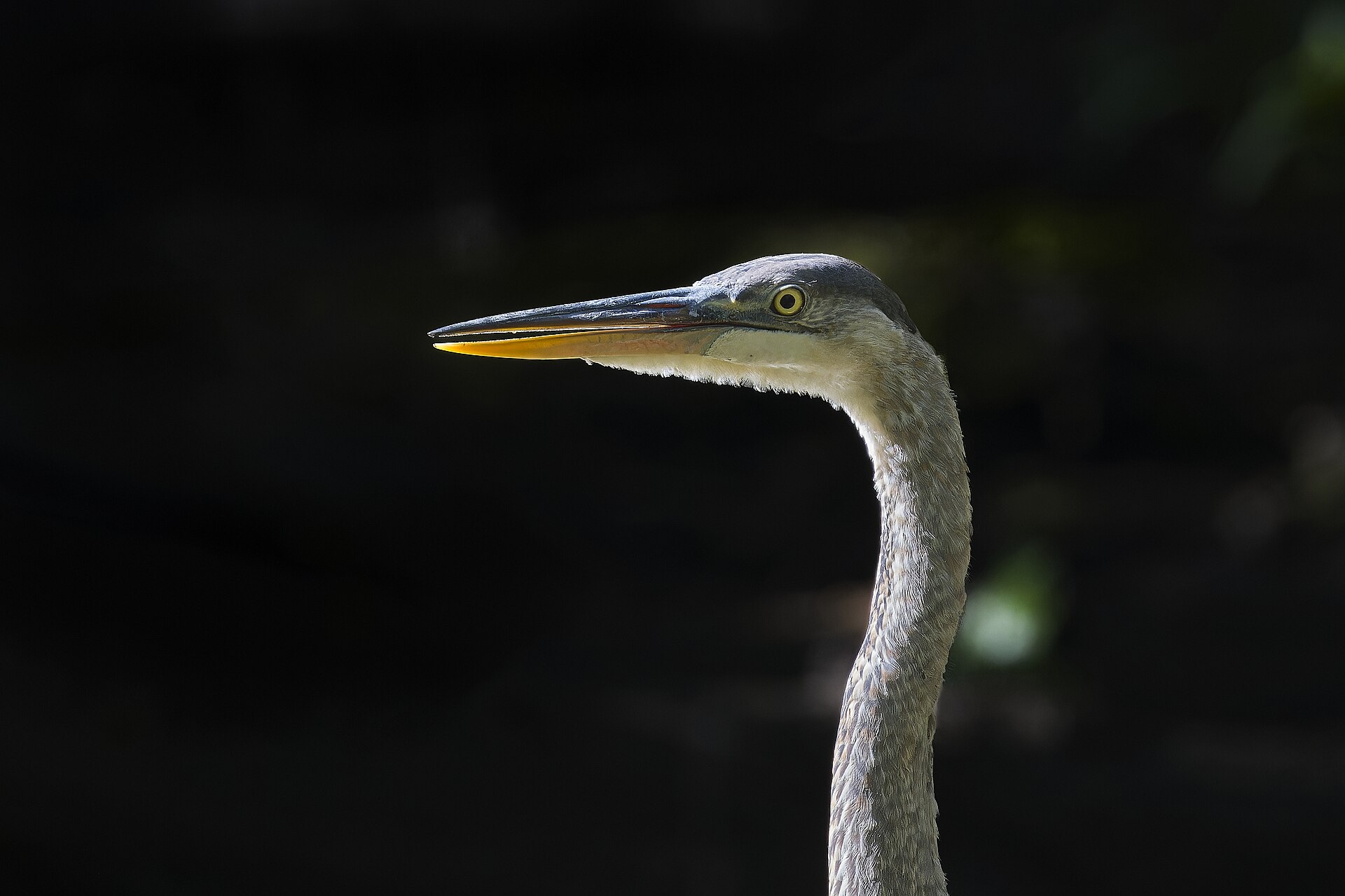
Photo by Paul Danese (CC BY-SA 4.0, via Wikimedia Commons)
Among the most majestic of California's avian residents, the Great Blue Heron stands nearly 4.5 feet tall, characterized by its grayish-blue feathers and prominent yellow beak.
This western bluebird is frequently observed in both freshwater and saltwater environments, gracefully gliding as it hunts in shallow waters.
Its significant presence and distinctive coloration make it an iconic species within California's diverse bird population.
Blue-gray Gnatcatcher
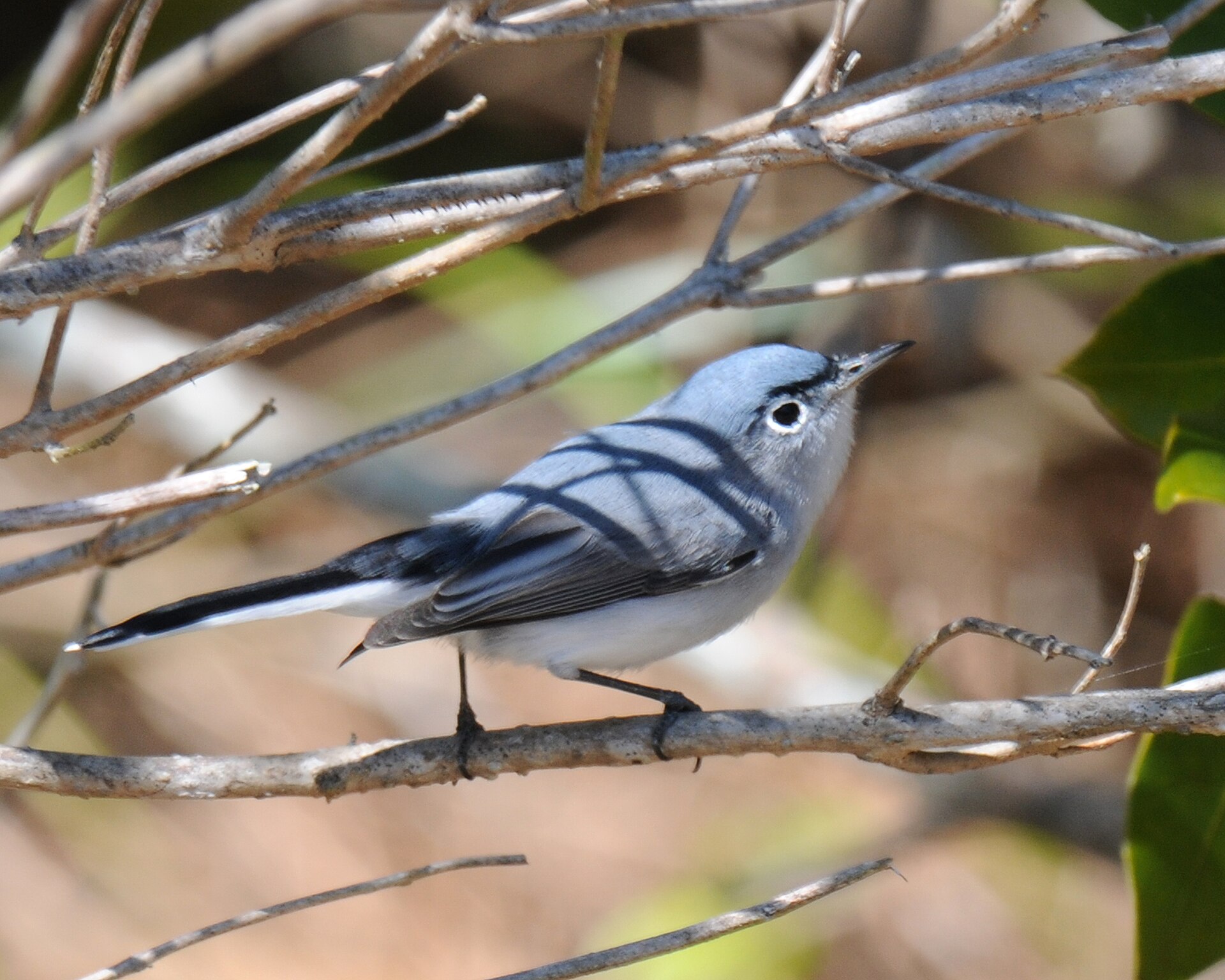
Photo by U.S. Fish and Wildlife Service Southeast Region (Public domain, via Wikimedia Commons)
The Blue-gray Gnatcatcher, with its bluish-gray plumage and distinctive black eyebrow, is a small yet active bird commonly found in California's arid and scrubby habitats.
These adept insect foragers are constantly on the move, searching for food in shrubs and trees.
They build cup-shaped nests and migrate short distances in winter, maintaining a seasonal presence in the state.
What Types of Blue Birds Can Be Found in California?
In California, bird enthusiasts can spot a variety of colorful birds with pictures of stunning blue feathers. Some of the blue birds that can be found in the state include the Western Scrub-Jay, Mountain Bluebird, and the iconic California Quail with its distinctive blue plumage.
Black-billed Magpie
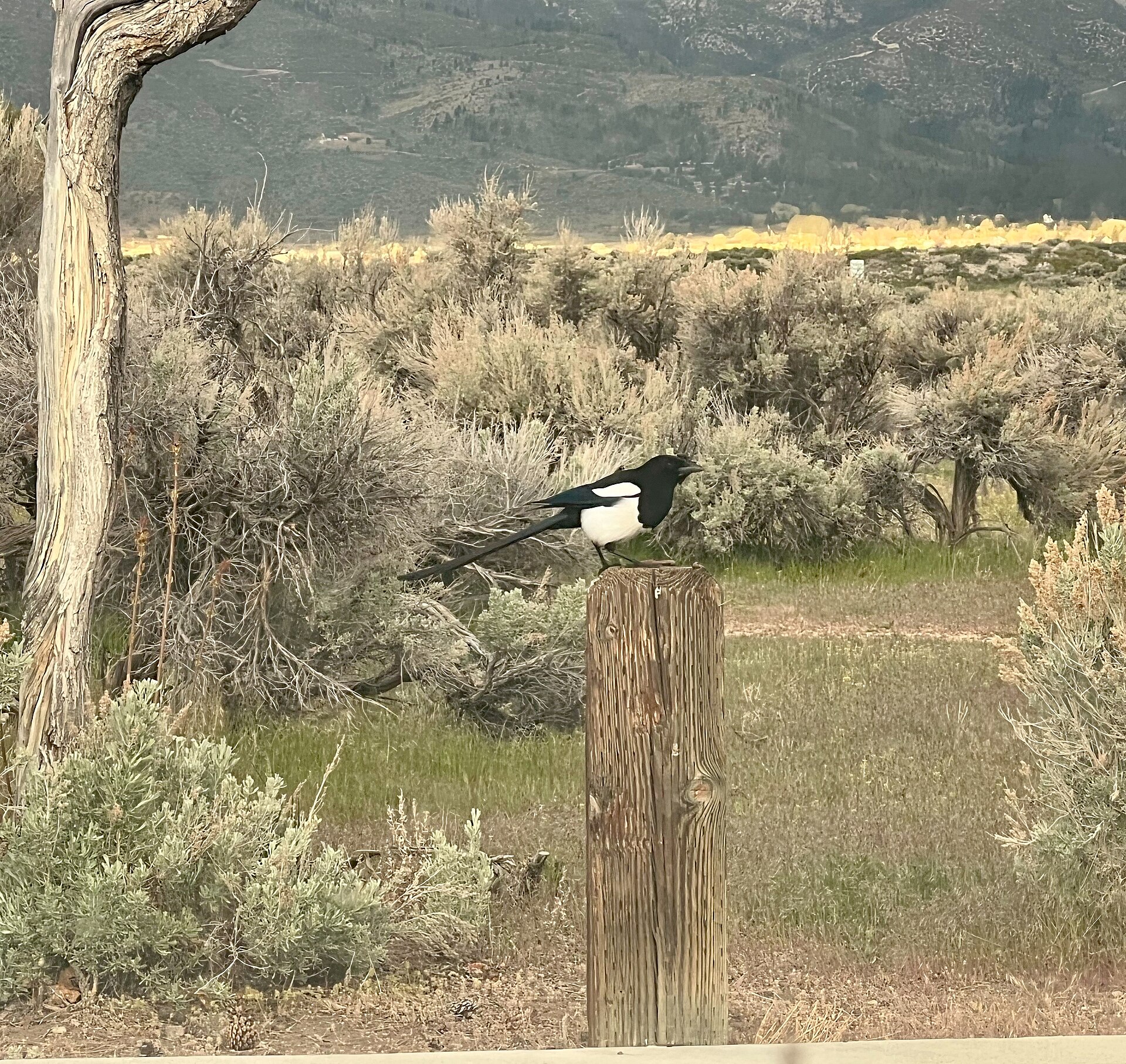
Photo by Z3lvs (CC0, via Wikimedia Commons)
Although similar in shape to a jay and the size of a crow, the Black-billed Magpie is easily recognized by its striking coloration and metallic blue wings.
With a black head and a year-round presence in northeastern California, this bird thrives on a diet that includes insects and small mammals, playing an important role in its ecosystem.
