
Introduction: Your Backyard, Your Birding Sanctuary
For many people, birdwatching begins in the most accessible place of all: their own backyard. Distinguishing the birds that visit your garden is a deeply rewarding and surprisingly beginner-friendly hobby. This guide gives you the tools, observation techniques, and confidence to recognize the common avian visitors you’ll see without leaving home – transforming everyday sounds and flashes of color into invitations to learn.
The Art and Science of Bird Identification: Beyond Just Color
Bird identification is a holistic process of observing several characteristics, listening to sounds, and understanding context. Think of yourself as a detective gathering clues. Instead of fixating on a single feature, you’ll learn to combine multiple pieces of information – a skill that improves with practice and leads to more accurate identifications.
Fundamental Clues for Identification: What to Look For
1. Size and Shape (The Silhouette): The First Impression
Before you consider color, gauge the bird’s size and proportions – is it sparrow-, robin-, or crow-sized? Compare it to a familiar object like a feeder or fence post. Note whether it is plump or slender, its tail length, and its beak shape: thin and pointed for insects, thick and conical for seeds, or long and curved for nectar. A small, round bird with a short tail and thick beak suggests a finch or sparrow; a larger, sleeker bird with a long tail could be a jay.
2. Color Patterns and Markings: The Distinctive Details
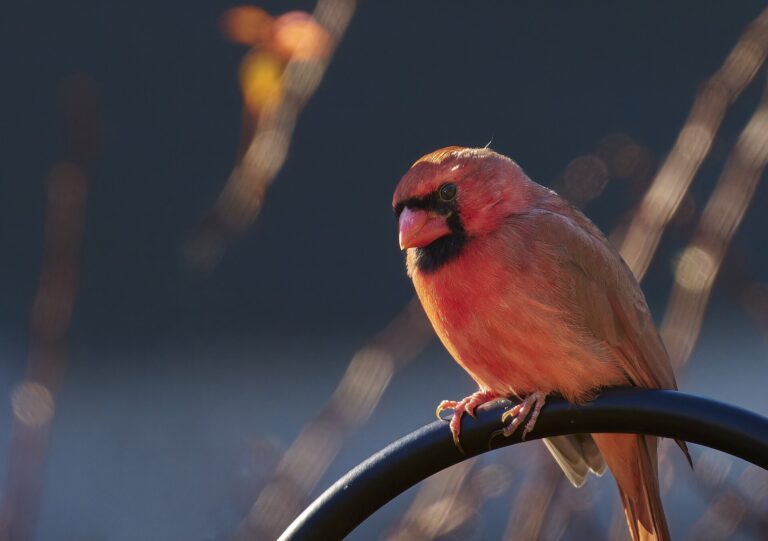
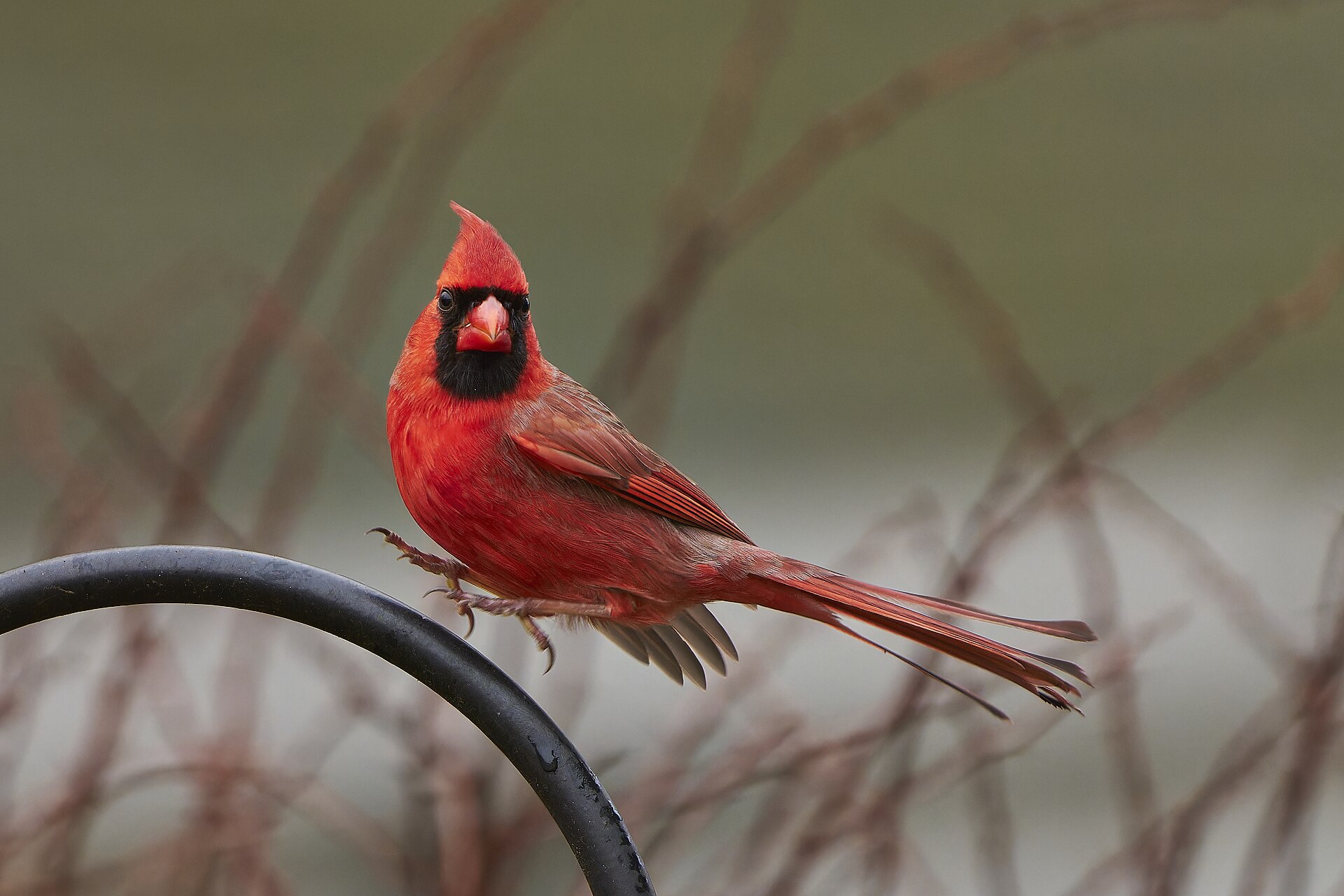
Color can vary with lighting, age, and sex, so focus on patterns, which are more consistent. Look for eye-stripes, caps, bibs, wing bars, rump patches, and whether the breast is streaked, spotted, or plain. A male Northern Cardinal’s red is unmistakable, but note its crest and thick orange beak too – the female retains both, offering reliable cues.
3. Behavior and Movement: Actions Speak Louder Than Words
How does the bird move and feed? A Downy Woodpecker hitches up tree trunks, while a robin hops and pulls worms from the lawn. Note flight style (the undulating flight of finches vs. the direct flight of starlings), how it perches, and how it feeds – these behaviors are often unique to a species or family.
4. Habitat and Location: Where the Bird Belongs
Where you see a bird narrows the options. A bird at a thistle feeder is likely a finch; one in dense undergrowth might be a wren or towhee. Consider the vegetation, proximity to water, and your geographic region, since species vary dramatically by location.
5. Vocalizations (Songs and Calls): The Sound of Identification
Birds are often heard before they are seen. Learn whether the sound is a warbling song, a sharp alarm call, or a repetitive chirp, and note its pitch, tempo, and pattern. Apps like Merlin Bird ID can identify birds by sound in real time, a great tool for beginners.
Common Backyard Birds: Your First Identification Targets
These species are widespread across North American backyards. Starting with them builds your confidence and observational skills.
1. American Robin (Turdus migratorius)
- Size & Shape: a medium thrush with a plump body, long legs, and upright posture.
- Color & Markings: brick-red breast, gray-brown back and wings, dark head with a broken white eye-ring; juveniles have spotted breasts.
- Behavior: hops on lawns, stops to listen for worms, then pulls them out; also eats berries; strong, direct flight.
- Vocalizations: a cheerful caroling song, a sharp ‘chip’ alarm, and a rapid ‘tut-tut-tut.’
- Field Tip: look for them on open lawns after rain; their worm-hunting posture is a strong clue.
2. Northern Cardinal (Cardinalis cardinalis)
- Size & Shape: stocky songbird with a prominent crest and a thick, conical reddish-orange beak for cracking seeds.
- Color & Markings: males are brilliant red with a black mask; females are duller reddish-brown but keep the crest and black mask.
- Behavior: often sings from prominent shrubs; a frequent visitor to sunflower-seed feeders and quite territorial.
- Vocalizations: a loud, clear ‘what-cheer, cheer, cheer’ whistle plus a sharp ‘chip’ call.
- Field Tip: even without seeing the male’s red, the crest and thick orange beak identify both sexes year-round.
3. Black-capped Chickadee (Poecile atricapillus)
- Size & Shape: very small and plump with a large head and short neck, giving a fluffy look.
- Color & Markings: black cap and bib, white cheeks, gray back, whitish underparts with buffy flanks.
- Behavior: acrobatic, often hanging upside down while foraging; curious and quick to approach food; caches seeds.
- Vocalizations: the namesake ‘chick-a-dee-dee-dee’ and a clear whistled ‘fee-bee’ song.
- Field Tip: listen for the call; the small size, black-and-white head, and acrobatics are excellent marks.
4. Downy Woodpecker (Dryobates pubescens)
- Size & Shape: North America’s smallest woodpecker, with a chisel-like beak and stiff tail feathers for propping.
- Color & Markings: black-and-white checkered pattern with a white back; males have a small red patch on the nape.
- Behavior: spirals up tree trunks pecking for insects; visits suet feeders; undulating flight.
- Vocalizations: a short ‘pik’ call, a rapid descending whinny, and light drumming.
- Field Tip: don’t confuse it with the larger Hairy Woodpecker – the Downy’s beak is noticeably shorter relative to its head.
5. House Sparrow (Passer domesticus)
- Size & Shape: small and stocky with a stout, conical beak for seeds.
- Color & Markings: males have a gray crown, chestnut nape, black bib, and streaked brown back; females are duller and streaky with a pale eyebrow.
- Behavior: found in flocks foraging on the ground; nests in building eaves and cavities; can be aggressive at feeders.
- Vocalizations: a monotonous series of chirps and cheeps.
- Field Tip: its ubiquity, ground feeding, and chirping make it easy to identify; the male’s black bib and gray crown are key.
6. Blue Jay (Cyanocitta cristata)
- Size & Shape: a large songbird with a prominent crest and strong, pointed beak, comparable to a robin but with a longer tail.
- Color & Markings: brilliant blue upperparts, white underparts, a black necklace, and black barring on wings and tail.
- Behavior: intelligent and boisterous, often dominant at feeders; mimics hawk calls to scare other birds; caches acorns.
- Vocalizations: a harsh ‘jay jay,’ a musical ‘tull-ull,’ and varied whistles and imitations.
- Field Tip: size, vibrant blue, crest, and loud calls are unmistakable; often found near oak trees.
7. European Starling (Sturnus vulgaris)
- Size & Shape: medium and stocky with a short tail and a pointed, fairly long beak.
- Color & Markings: iridescent black with purple and green sheens and a yellow beak in summer; heavily speckled with white and a dark beak in winter; juveniles dull gray-brown.
- Behavior: highly gregarious, forming huge flocks; probes lawns for insects and can outcompete native birds.
- Vocalizations: a complex mix of whistles, clicks, and chatters; an excellent mimic of other birds and even mechanical sounds.
- Field Tip: look for the speckled winter plumage or iridescent summer black, plus a walking (not hopping) gait.
8. American Goldfinch (Spinus tristis)
- Size & Shape: a small finch with a conical, pointed beak for extracting seeds from thistles.
- Color & Markings: summer males are lemon yellow with a black cap and black wings with white bars; females and winter birds are duller olive-brown but keep the black-and-white wings.
- Behavior: flocks with a distinctive ‘bouncy,’ undulating flight; strong preference for thistle and sunflower seeds.
- Vocalizations: a lively song of trills and warbles with a ‘potato-chip’ call in flight.
- Field Tip: the bright yellow and black of the summer male, or the black wings with white bars on duller birds, are reliable marks.
Practical Tips for the Aspiring Backyard Birder
A little preparation and patience go a long way in turning your yard into a birding haven.
Essential Gear (Optional, but Recommended): Enhancing Your View
- Binoculars: an 8×42 or 10×42 pair brings distant birds into clear view for subtle markings.
- Field Guide: choose one specific to your region, with clear illustrations and concise descriptions.
- Birding App: Merlin Bird ID’s Sound ID identifies birds by call in real time and offers photo identification.
- Notebook and Pen: jot down size, color, behavior, date, and location to reinforce learning.
- Camera (Optional): a smartphone photo lets you review or share an unidentified bird later.
Cultivating Your Backyard Birding Spot: Creating an Avian Oasis
- Provide Food: offer black-oil sunflower, nyjer, millet, suet, and nectar; platform feeders suit ground-feeders while tube feeders attract finches and chickadees. Keep feeders clean.
- Offer Water: a clean bird bath with fresh water daily draws birds in dry spells and winter; a dripper adds appeal.
- Plant Native Species: natives provide berries, seeds, nectar, insects, and shelter, supporting both birds and the insects they eat.
- Create Shelter: dense shrubs, evergreens, and brush piles give safe roosting and escape cover from cats and raptors.
- Minimize Disturbances: keep pets inside or leashed, avoid pesticides, and reduce night lighting during migration.
Observation Techniques: Mastering the Art of Seeing
- Patience is Key: sit still and quiet and let birds come to you.
- Observe Systematically: run through size, shape, color pattern, behavior, and vocalizations for each new bird.
- Note the Context: record what the bird was doing, where it perched, the time, and the weather.
- Use Your Ears: learn common calls, which are often heard before the bird is seen.
- Consider Lighting: keep the sun behind you so birds aren’t reduced to silhouettes.
Identification Cautions and Common Pitfalls
- Variability within species: birds differ by sex, age, season, and individual variation – a cardinal’s female is dull, juveniles are spotted, and winter plumages can be dramatic.
- Lighting and distance: poor light distorts colors and distance hides fine detail, so note when your identification is tentative.
- Similar-looking species: the Downy and Hairy Woodpeckers differ mainly in bill size relative to the head; sparrows and finches are notoriously tricky, so compare ‘confusion species’ in your guide.
- Mimicry: mockingbirds and starlings imitate other birds, so confirm sound-based IDs with a visual sighting.
- Hybridization: rare interbreeding can produce mixed traits that defy typical identification.
- Molting: birds shedding old feathers can look patchy and dull, making identification harder.
Beyond Identification: Engaging with the Birding Community
Once you’ve mastered the basics, a wider world of birding opens up.
- Citizen Science: submit observations to eBird or the Great Backyard Bird Count to help scientists track populations and migration.
- Join Local Birding Groups: Audubon chapters and clubs offer guided walks and workshops led by experienced birders.
- Explore Online Resources: All About Birds, Audubon.org, and eBird offer species accounts, range maps, photos, and sound recordings.
- Seasonal Birding: learn your local migration patterns to anticipate which species visit and when.
- Bird Photography: photographing birds lets you study features closely and share sightings.
- Conservation Efforts: join habitat restoration or advocate for bird-friendly policies.
Conclusion: Your Lifelong Birding Journey Begins Now
Backyard birding is a journey, not a destination. Start small, be patient, and don’t be discouraged by misidentifications – every observation refines your skills. With a keen eye and these tips, you’re well on your way to becoming a confident backyard birder, discovering the avian life right outside your door.
