
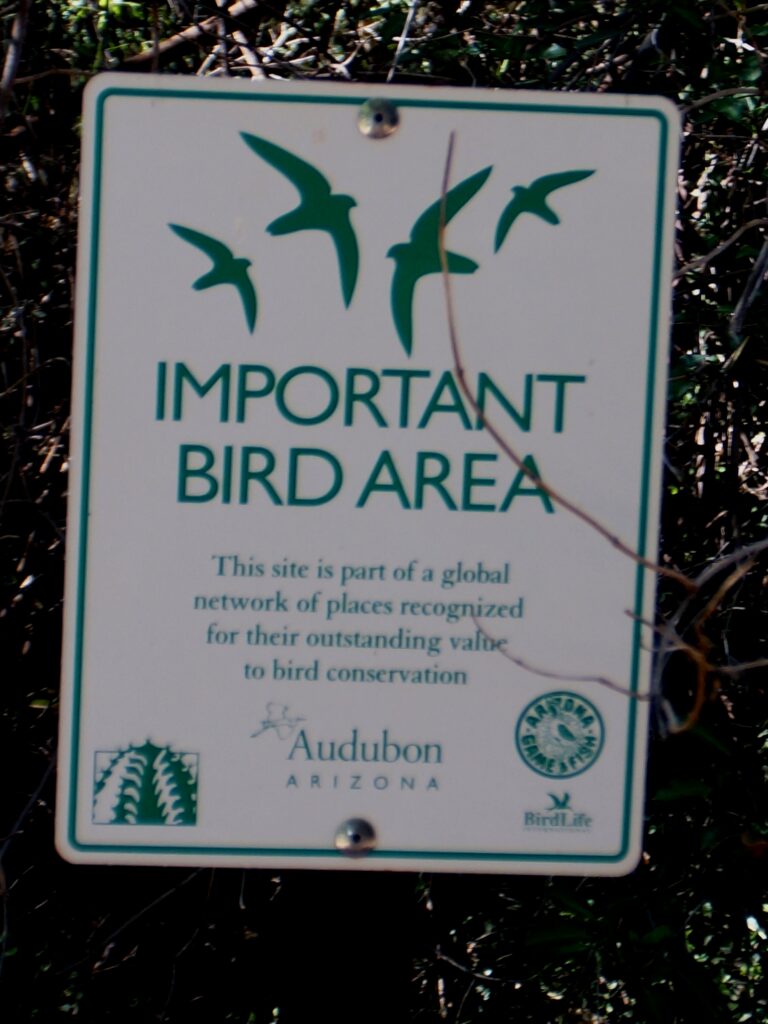
Understanding Bird Conservation Status: An Essential Guide for Bird Enthusiasts
For birders, knowing the conservation status of species adds an important layer of understanding to bird identification and appreciation. It provides insight into how populations are faring globally or regionally and highlights species that may require urgent conservation efforts. This knowledge transforms a simple sighting into a moment of ecological awareness, connecting you more deeply with the natural world.
Conservation status classifications are standardized across many organizations, most notably the IUCN Red List. These categories help scientists, policymakers, and birders alike grasp the current risks facing different bird species, from those thriving in the wild to those critically endangered. Understanding these classifications is not just academic; it’s a practical tool for responsible birding and effective conservation.
As you explore the world of birds, you’ll encounter species with varying conservation statuses. Recognizing these statuses can guide your field observations, inform your participation in citizen science, and even influence your travel choices. It’s about becoming a more informed and impactful member of the birding community.
The Categories of Bird Conservation Status: A Spectrum of Risk
The IUCN Red List of Threatened Species employs a comprehensive system to classify species according to their risk of extinction. This system is globally recognized and provides a consistent framework for assessing the health of species populations. Let’s explore each category, from the most secure to the most precarious.
Least Concern (LC)
Species classified as Least Concern are generally widespread and abundant. They are not currently at significant risk of extinction, meaning their populations are stable or even increasing across a broad geographic range. For birders, these species are often common in their habitats, making them accessible for observation in backyards, local parks, and common natural areas.
For example, in North America, the American Robin (Turdus migratorius) is a quintessential Least Concern species. You’ll find them almost everywhere, from urban lawns to dense forests, foraging for worms or singing their cheerful songs. Similarly, the European Robin (Erithacus rubecula) holds a Least Concern status across much of Europe. While their numbers are robust, even common species can face localized threats, such as pesticide use or habitat fragmentation in specific areas.
Therefore, ongoing monitoring, even of common species, remains important to detect early signs of decline.
When observing Least Concern species, you can practice your identification skills without the added pressure of potential disturbance to a vulnerable population. These are excellent birds for beginners to learn calls, flight patterns, and typical behaviors. Enjoy their presence and remember that their abundance is a sign of a relatively healthy ecosystem, at least for now.
Near Threatened (NT)
This category indicates species that are close to qualifying for a threatened category (Vulnerable, Endangered, or Critically Endangered) but do not meet the criteria yet. They might be experiencing significant declines, have restricted ranges, or face specific habitat pressures that could push them into a higher risk category if not addressed. Think of Near Threatened as a yellow warning light.
An example of a Near Threatened species is the Bar-tailed Godwit (Limosa lapponica). While still relatively numerous, certain populations, particularly those undertaking long-distance migrations, are experiencing declines due to habitat loss at crucial stopover sites and breeding grounds. Their epic migrations make them particularly susceptible to changes across vast geographical areas. For birders, spotting a Near Threatened species can be exciting, but it also carries a subtle reminder of their precarious position.
It’s an opportunity to appreciate them while recognizing the need for continued vigilance and conservation efforts.
When you encounter a Near Threatened species, consider what factors might be impacting it. Is its habitat being developed? Are there signs of pollution? Your observations, when submitted to platforms like eBird, contribute to the larger dataset that scientists use to track these trends.
Vulnerable (VU)
Vulnerable species face a high risk of extinction in the wild. This classification is assigned when a species’ population has declined significantly (typically by 30-50% over 10 years or three generations), its geographic range is severely restricted, or its population size is very small and fragmented. Factors contributing to this status often include widespread habitat loss, the introduction of invasive species, unsustainable hunting or poaching, and the impacts of climate change.
A well-known example of a Vulnerable bird is the Atlantic Puffin (Fratercula arctica). While iconic and beloved, puffin populations in some areas are struggling due to declining food sources (like sandeels) linked to climate change and overfishing, as well as disturbances at breeding colonies. Another example is the African Grey Parrot (Psittacus erithacus), which is highly sought after in the pet trade, leading to significant population declines in the wild due to illegal trapping.
For birders, observing a Vulnerable species is a special experience, but it comes with increased responsibility. Maintain respectful distances, use binoculars or a spotting scope to minimize disturbance, and avoid flushing birds from nests or feeding areas. Your detailed notes on behavior, location, and numbers can be invaluable. Reporting sightings to relevant conservation organizations or through citizen science platforms can directly contribute to monitoring efforts and help inform protective measures.
Endangered (EN)
Endangered species are at a very high risk of extinction in the wild. This category implies an even more severe situation than Vulnerable, often indicating a population decline of 50-70% or more, an extremely restricted range, or a very small and rapidly declining population. These species are often the focus of intensive conservation programs, as their survival hangs in a delicate balance.
The California Condor (Gymnogyps californianus) is a powerful example of an Endangered species. Once reduced to just 22 individuals in the 1980s, it has been brought back from the brink through a monumental captive breeding and reintroduction program. While their numbers are slowly increasing, they still face threats like lead poisoning from ammunition fragments and habitat degradation.
Another example is the Kakapo (Strigops habroptilus), a flightless, nocturnal parrot endemic to New Zealand, whose population is meticulously managed on predator-free islands.
Sightings of these birds often garner significant attention from conservation groups and the public. If you are fortunate enough to observe an Endangered species, your primary goal should be to minimize any impact. Do not approach closely, do not attempt to feed them, and avoid sharing precise location details publicly, especially if the species is sensitive to human presence or vulnerable to poaching.
Instead, report your sighting to local wildlife authorities or trusted conservation groups, who can use the data responsibly. Identifying and documenting these species, when done ethically, can help inform urgent protection measures and resource allocation.
Critically Endangered (CR)
The most severe category, Critically Endangered, signifies species on the brink of extinction. These species face an extremely high risk of extinction in the immediate future, often having suffered population declines of 80-90% or more, or existing in incredibly small numbers (e.g., fewer than 50 mature individuals) within a tiny, fragmented range. These are the species for which every individual counts, and their survival often depends on intensive, hands-on conservation interventions.
The Spoon-billed Sandpiper (Calidris pygmaea) is a poignant example of a Critically Endangered bird. Its distinctive spatulate bill makes it unmistakable, but its population has plummeted due to habitat loss on its breeding grounds in the Russian Far East and, critically, at its migratory stopover and wintering sites in East Asia, where coastal mudflats are being reclaimed for development.
Another example is the Northern Bald Ibis (Geronticus eremita), which has a tiny wild population in Morocco, supplemented by reintroduction efforts in Europe.
Sightings of Critically Endangered species are exceptionally rare and often represent a significant event for conservationists. Birders should be especially cautious and respectful when observing these species to avoid any disturbance whatsoever. Follow all local guidelines, stay on designated paths, and use long-range optics. Never attempt to handle or interfere with these birds.
Your role as a birder in this scenario is often to simply observe from a distance, appreciate their incredible resilience, and support the organizations working tirelessly for their survival. The data from such sightings, even if just a confirmation of presence, is vital for monitoring and conservation planning.
Extinct in the Wild (EW) and Extinct (EX)
Beyond the threatened categories, the IUCN also recognizes species that are no longer found in their natural habitats. Extinct in the Wild (EW) means that a species survives only in captivity or as a naturalized population outside its historic range. The Hawaiian Crow (Corvus hawaiiensis), or ‘Alalā, is an example, existing only in captive breeding facilities with hopes for future reintroduction.
Extinct (EX) signifies that there is no reasonable doubt that the last individual of the species has died. The Passenger Pigeon (Ectopistes migratorius), once numbering in the billions, and the Dodo (Raphus cucullatus) are tragic examples of species lost forever. While these categories represent a failure of conservation, they serve as stark reminders of what can happen if we do not act to protect species at risk.
How Conservation Status Is Determined: A Scientific Process
Assigning a conservation status is a rigorous, data-driven process. Organizations like the IUCN rely on a vast network of scientists, researchers, and field experts to gather and analyze information. They evaluate several key factors to make these critical determinations:
- Population Size: How many individuals of the species exist? Is it a large, stable population or a small, fragmented one?
- Population Trend: Is the population increasing, stable, decreasing, or fluctuating? The rate of change is crucial.
- Geographic Range: How widely distributed is the species? Is its range vast and continuous, or highly restricted and fragmented?
- Habitat Quality and Extent: Is the species’ habitat declining in quality or area? Are there sufficient suitable habitats to support the population?
- Threats: What specific pressures does the species face? These can include habitat destruction, climate change, invasive species, pollution, disease, and overexploitation.
Data is gathered from a variety of sources, including long-term field surveys, scientific research studies, museum collections, and increasingly, citizen science platforms like eBird. For example, a species with a rapidly shrinking population and a severely limited geographic range, facing intense habitat destruction, might quickly be classified as Vulnerable or Endangered. Conversely, a widespread and stable species with no significant threats remains in the Least Concern category.
The IUCN uses specific quantitative criteria for each category, which involve thresholds for population size, decline rates, and range size. These criteria are applied consistently across all species groups, ensuring a standardized and objective assessment. The process is iterative, with species assessments being reviewed and updated periodically as new data becomes available.
Practical Birding and Conservation: Your Role in the Field
Understanding these categories helps birders make informed and ethical decisions in the field. Your actions, however small, can contribute to conservation efforts or, if careless, inadvertently cause harm.
Identification Cautions and Field Observation Tips
Accurate Identification: Before you can understand a bird’s conservation status, you must correctly identify it. Many species have similar-looking relatives, and misidentification can lead to incorrect data reporting or unnecessary alarm. Use reliable field guides (like those from the Audubon Society or RSPB), consult with experienced birders, and pay attention to key field marks, vocalizations, and habitat.
For instance, distinguishing between a Least Concern species like the Common Tern and a Near Threatened species like the Roseate Tern requires careful observation of bill color, tail length, and flight style.
Respectful Distances: When observing any bird, but especially those that are Near Threatened, Vulnerable, Endangered, or Critically Endangered, it’s crucial to maintain respectful distances. Use binoculars or a spotting scope to get a closer look without approaching the bird. The general rule is: if the bird changes its behavior because of your presence (e.g., stops feeding, becomes agitated, flies away), you are too close.
This is particularly vital during nesting season or when birds are feeding, as disturbance can lead to nest abandonment or reduced foraging success.
Avoid Habitat Disturbance: Stick to designated trails and paths. Trampling vegetation can destroy delicate microhabitats, disturb ground-nesting birds, or degrade food sources. Avoid playing recordings of bird calls (playback) to attract birds, especially rare or threatened species, as this can stress them, disrupt their natural behaviors, and potentially draw predators to their location. If you must use playback for identification or research, do so sparingly and with caution.
Ethical Photography: Photos and visual examples are wonderful for documenting sightings, but they should be taken responsibly. Never prioritize a photo over the bird’s well-being. Avoid using flash photography at night or in low light, as it can disorient birds. Do not bait birds with food to get closer shots, as this can alter their natural foraging behaviors and make them dependent on humans.
Reporting Sightings Responsibly: For common species, reporting to eBird is generally encouraged. However, for rare, endangered, or sensitive species, consider withholding precise location data from public platforms. Instead, report to local wildlife agencies, park rangers, or specific conservation projects that can use the data for monitoring without exposing the birds to undue attention or disturbance. Some eBird users opt to ‘obscure’ locations for sensitive species, which provides data for scientists while protecting the birds.
Visual and Field Observation Advice
Learn Local Regulations: Before heading out, familiarize yourself with any specific rules or guidelines for the area you’re visiting, especially if it’s a protected area or known habitat for sensitive species. Some areas have seasonal closures or restrictions on access to protect nesting birds.
Observe Behavior: Beyond identification, pay attention to a bird’s behavior. Is it feeding, preening, nesting, or interacting with other birds? These observations can provide valuable insights into its ecology and well-being. For example, observing a Vulnerable shorebird struggling to find food on a heavily disturbed beach might highlight a local conservation issue.
Environmental Context: Note the habitat type, weather conditions, and any human impacts. Is the bird in a pristine wetland or a degraded urban patch? This context helps paint a fuller picture of the challenges or successes a species might be experiencing.
Volunteer and Participate: Many conservation organizations rely on volunteers for habitat restoration, bird counts, and monitoring. Participating in these activities is a direct way to contribute to the well-being of local bird populations, including those with threatened statuses.
Why Conservation Status Matters: A Call to Action
Knowing a bird’s conservation status underscores the importance of habitat preservation and responsible birding. It’s not just about categorizing species; it’s about understanding the health of our planet’s biodiversity and identifying where our efforts are most needed. This knowledge empowers us to act.
Conservation status highlights species that may need targeted conservation actions, such as habitat restoration, anti-poaching initiatives, captive breeding programs, or policy changes. It guides funding decisions and shapes international agreements. For example, the Critically Endangered status of the Kakapo led to an intensive, multi-million dollar recovery program that has slowly brought the species back from the brink.
As birders, we are often the first to notice changes in bird populations or habitat quality. Our collective observations, when responsibly shared, form a crucial dataset for scientists. We can support these efforts through various means: by donating to reputable conservation organizations, volunteering our time for habitat restoration or citizen science projects, advocating for protective legislation, or simply by spreading awareness among friends and family about the importance of bird conservation.
Every time you identify a bird, you’re not just ticking a box; you’re connecting with a living creature that has a story, a place in the ecosystem, and potentially a struggle for survival. Understanding its conservation status deepens that connection and transforms casual observation into meaningful engagement.
Resources for Birders: Staying Informed and Involved
To continue your journey as an informed and responsible birder, consult these reputable resources:
- IUCN Red List – The global authority on conservation status, providing detailed assessments for thousands of species.
- eBird – A global citizen science platform from the Cornell Lab of Ornithology, where you can record your sightings and explore bird distribution and abundance data.
- Audubon Field Guide – An excellent resource for identification, habitat information, and conservation news, particularly for North American birds.
- RSPB Bird Guides – A comprehensive resource for bird identification, range maps, and conservation information, focusing on birds in the UK and Europe.
- Local Ornithological Societies and Wildlife Agencies: Many regions have dedicated groups and government bodies that provide specific information on local bird populations, conservation efforts, and how to report sightings of sensitive species.
Conclusion
Conservation status provides a vital context for birding, fostering a deeper awareness and promoting responsible observation. Whether a species is common and thriving (Least Concern) or teetering on the brink of extinction (Critically Endangered), understanding its status encourages a more profound appreciation for avian biodiversity and a commitment to its protection. As birders, we are uniquely positioned to be advocates for birds and their habitats.
By staying informed, observing ethically, and contributing to citizen science, we can play a crucial role in ensuring that future generations will also have the opportunity to marvel at the incredible diversity of birds that grace our planet. Remember to consult reputable sources and local guides to stay informed about the species you encounter, and let your passion for birds translate into action for their conservation.
Featured image: licensed image via Wikimedia Commons. Credit: Chris English. License: CC BY-SA 3.0. Used with attribution.
