
Introduction: Unraveling the Mysteries of Raptors
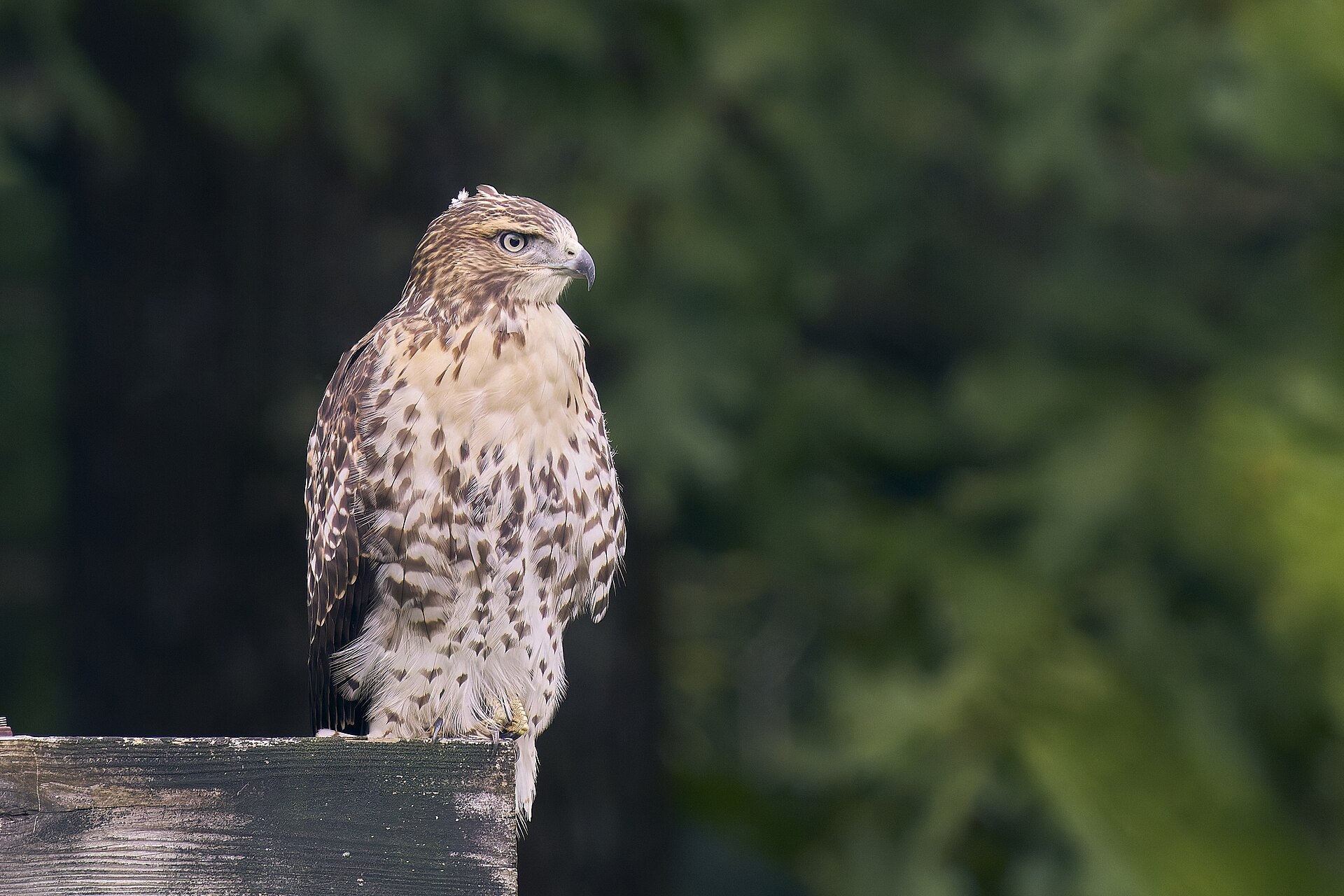
For many birding enthusiasts, the sight of a raptor soaring overhead is a truly captivating experience. These magnificent birds of prey, including hawks, falcons, and eagles, command attention with their powerful presence. While they share sharp talons, hooked beaks, and keen eyesight, crucial differences allow us to distinguish between these groups. Accurately identifying raptors enriches your birding experience and contributes valuable data to citizen science projects.
This guide aims to demystify raptor identification for birders of all levels. We will look at the characteristics that set hawks, falcons, and eagles apart. Successful identification often comes down to observing a combination of clues rather than a single feature.
Understanding Raptor Families: A Glimpse into Avian Predation
Raptors, from the Latin ‘rapere’ meaning ‘to seize,’ are birds characterized by their predatory lifestyle. Hawks generally belong to the family Accipitridae, a diverse group; eagles are often considered a type of large hawk within this family. Falcons belong to the family Falconidae and represent a distinct lineage with unique characteristics.
The world of raptors encompasses over 500 species globally, from the small American Kestrel to the massive Harpy Eagle. As apex predators, they regulate populations of smaller animals, and their presence often indicates a healthy environment.
Key Identification Features: Decoding Raptor Clues
When you spot a raptor, the initial excitement can make identification challenging. By systematically observing a few key features, you can narrow down the possibilities significantly.
1. Size and Overall Shape: The First Impression
The first clue is overall size and body shape. Try to compare the raptor’s size to a familiar bird nearby.
- Eagles: Typically the largest, with impressive wingspans and robust, powerful bodies. Their heads often appear large and prominent. Think of them as flying tanks, built for power.
- Hawks: Generally medium-sized, falling between eagles and falcons, with a compact build. There is considerable variation, from broad-winged Buteos to slender Accipiters.
- Falcons: Usually the smallest and most streamlined, with a sleek, aerodynamic shape built for speed. They typically have a relatively small head in proportion to their body.
Practical Example: A massive raptor with broad, deep wings is likely an eagle, such as a Bald Eagle (Haliaeetus leucocephalus) or Golden Eagle (Aquila chrysaetos). A bird the size of a large crow with broader wings might be a Red-tailed Hawk (Buteo jamaicensis). A slender bird with very pointed wings moving with incredible agility suggests a falcon like the Peregrine (Falco peregrinus). Perceived size can be influenced by distance, so focus on overall silhouette and proportions.
2. Wing Shape and Flight Style: Masters of the Air
Wing shape and flight style are perhaps the most critical field marks, especially for distant or soaring birds.
- Eagles: Hold broad, rectangular wings flat or in a slight dihedral, with deep, deliberate wingbeats. They glide on thermals with ‘fingered’ primary feathers splayed at the wingtips.
- Hawks: Display a varied flight style:
- Buteos (Soaring Hawks): Classic broad-winged hawks like the Red-tailed Hawk, soaring on broad, rounded wings in a shallow dihedral.
- Accipiters (Forest Hawks): Species like the Cooper’s Hawk (Accipiter cooperii) have short, rounded wings and a long tail, with a ‘flap-flap-glide’ pattern for maneuvering through vegetation.
- Harriers: The Northern Harrier (Circus hudsonius) flies with wings in a strong dihedral low over open fields; its white rump patch makes it easy to identify.
- Falcons: Built for speed, with long, pointed, scythe-like wings swept back and rapid, shallow wingbeats. They rarely soar for long, preferring active pursuit or spectacular stoops. Pointed wingtips are a key identifier.
Field Observation Tip: Note whether the wing’s leading and trailing edges are parallel (broad) or narrow and swept back (pointed). Count the ‘fingers’ at the wingtip and observe whether the bird flaps frequently or glides effortlessly.
3. Head and Beak Features: Tools of the Trade
A closer look with binoculars or a scope reveals details about the head and beak that reflect the raptor’s diet and hunting method.
- Eagles: Large, powerful heads and very robust, deeply hooked beaks with a prominent, often yellow cere, designed for tearing flesh.
- Hawks: Moderately sized heads and strong hooked beaks, generally less massive than an eagle’s.
- Falcons: Small heads and short, strong, distinctly hooked beaks. Many falcons have a ‘tomial tooth’ or ‘falcon’s tooth’ – a small, sharp notch on the upper mandible used to sever the spinal cord of prey. This tooth is a unique, highly diagnostic feature.
Caution: Do not confuse the falcon’s tooth with the general curve of a raptor’s beak; it is a very specific, sharp projection.
4. Tail Characteristics: A Rudder in the Sky
Tail shape and length are useful clues, especially in flight, since the tail acts as a rudder and brake.
- Eagles: Relatively short to medium tails that are broad and rounded or wedge-shaped, providing stability during flight.
- Hawks: Buteos have medium, broad tails that appear rounded or fanned in flight; Accipiters have long, rounded tails that act as a counterbalance and rudder for sharp turns in dense cover.
- Falcons: Medium to long tails that are narrow and squared-off or tapered, reflecting their need for speed rather than soaring.
Note the tail’s length relative to the body, its shape, and any distinctive markings. The Red-tailed Hawk’s namesake red tail is a classic field mark for adults, though juveniles have a barred tail.
5. Plumage and Markings: Nature’s Camouflage and Display
Plumage patterns can be highly diagnostic, though they vary with age, sex, and individual.
- Eagles: Many have uniform adult plumage. The Bald Eagle’s white head and tail are unmistakable, but juveniles are uniformly dark or mottled. Golden Eagles are dark brown, with juveniles often showing white patches at the base of the primaries.
- Hawks: Plumage is diverse. Many Buteos have a pale belly with a belly band of dark streaking; Accipiters have barred underparts; the Northern Harrier has a prominent white rump patch.
- Falcons: Often have streaked or barred underparts. Species like the Peregrine and American Kestrel (Falco sparverius) have distinctive dark ‘mustache’ or malar stripes that reduce glare.
Identification Caution: Juvenile plumage can differ greatly from adult and often causes misidentification; a juvenile Bald Eagle can be entirely dark. Lighting also alters how colors appear, so observe from different angles when possible.
Behavioral Traits and Habitat Preferences: Where and How They Live
Observing a raptor’s behavior and environment can provide critical clues even before you get a clear view of its features.
Hunting Styles: The Art of the Catch
The way a raptor hunts reflects its physical adaptations and prey.
- Eagles: Opportunistic hunters. Bald Eagles hunt fish over water or steal prey from other raptors; Golden Eagles hunt mammals in open, mountainous, or prairie habitats.
- Hawks:
- Buteos: ‘Perch-and-pounce’ hunters that sit on exposed perches scanning for small mammals, or soar and dive on prey.
- Accipiters: Agile hunters of birds, ambushing prey in forested areas with fast, weaving flight.
- Harriers: Low, coursing flight over marshes and grasslands, using keen hearing to detect prey.
- Falcons: Epitome of aerial hunters, preying on birds in flight. The Peregrine is famous for its ‘stoop,’ a high-speed dive that can exceed 200 mph; Kestrels hover in place before dropping onto insects and small rodents.
A raptor hovering motionless over a field is likely a Kestrel or Rough-legged Hawk; a bird rapidly pursuing another through the woods is likely an Accipiter.
Habitat Preferences: Home Range and Territory
Where you see a raptor is often as important as what it looks like.
- Eagles: Bald Eagles are associated with large bodies of water and need large trees for nesting; Golden Eagles prefer open country, mountains, and prairies, nesting on cliffs or tall trees.
- Hawks: Buteos range from woodlands and grasslands to suburbs, often using utility poles for perching; Accipiters prefer forests; Harriers are specialists of open wetlands, marshes, and grasslands.
- Falcons: Peregrines are found near coastlines, cliffs, and increasingly urban areas with tall buildings; Kestrels prefer open country with scattered trees.
In a dense forest, an eagle is less likely than an Accipiter; on a vast open prairie, a Golden Eagle or Buteo is more probable.
Practical Birding Tips for Raptor Identification
Becoming proficient at raptor identification takes practice, patience, and a systematic approach.
- Start Broad, Then Narrow Down: First determine if the bird is an eagle, hawk, or falcon using size, shape, and flight style, then look for species-specific details.
- Observe Flight Continuously: Watch how often it flaps, whether it soars, how its wings are held, and whether it glides or hovers.
- Use Binoculars Effectively: Locate the bird with your naked eye, then quickly raise your binoculars and scan for wing shape, tail length, and plumage.
- Consider the Context: Note the habitat, time of year, and which raptors are common in your area.
- Look for Multiple Clues: Combine clues: a dark, massive bird soaring on flat wings is more likely an eagle. The more consistent clues, the more confident the identification.
- Study Field Guides: Familiarize yourself with regional raptors, especially in-flight views from different angles.
- Record Your Observations: Keep a field journal, sketching shape, flight pattern, plumage, and behavior to reinforce learning.
- Be Patient: Raptors are often elusive. Every observation, even an inconclusive one, contributes to your learning.
Identification Cautions and Common Pitfalls
Even experienced birders can be challenged. Here are common pitfalls:
- Lighting Conditions: Backlighting turns birds into silhouettes. Reposition yourself, or focus on shape and flight.
- Distance and Perspective: A small bird close up can look larger than a large bird far away. The viewing angle can distort wing and tail shapes.
- Age and Sex Variation: Juveniles differ from adults, and females are often larger than males in raptors. Consult field guides for age and sex variations.
- Dark Morphs: Some species, like the Red-tailed or Rough-legged Hawk, have entirely dark individuals that are difficult to identify without other clues.
- Molting Birds: Molting can create gaps in wings or tail, producing an asymmetrical silhouette.
- Confusion with Vultures: Vultures hold wings in a deeper dihedral, have a ‘wobbly’ flight, and unfeathered heads, which distinguishes them from raptors.
- Hybridization: Rarely, closely related species hybridize, producing individuals with mixed characteristics.
Additional Resources and Continued Learning
To further hone your skills, consider these resources:
- Reputable Field Guides: Invest in guides like The Sibley Guide to Birds or the National Geographic Field Guide to the Birds of North America, paying attention to in-flight illustrations.
- Online Databases: Websites like the Cornell Lab of Ornithology’s All About Birds and the Audubon Field Guide offer extensive photos and audio recordings.
- Specialized Raptor Guides: Books like Hawks in Flight by Pete Dunne, David Sibley, and Clay Sutton offer in-depth analysis of flight characteristics.
- Raptor Migration Hotspots: Visit hawk watch sites during fall migration to see hundreds of raptors funnel through migratory corridors.
- Photography and Digiscoping: Take photos to review details later; even blurry ones can reveal key field marks.
Conclusion: A Journey into Raptor Recognition
Distinguishing hawks, falcons, and eagles is a rewarding challenge that adds depth to your birding. By observing a combination of size, shape, wing profile, flight style, plumage, behavior, and habitat, you can confidently identify these majestic birds of prey. Each sighting is an opportunity to learn and refine your skills.
As you spend more time in the field, your ‘raptor eye’ will develop, letting you quickly recognize subtle cues. With patience, practice, and a systematic approach, you will soon unravel the aerial mysteries of these incredible predators. Happy raptor watching!
