
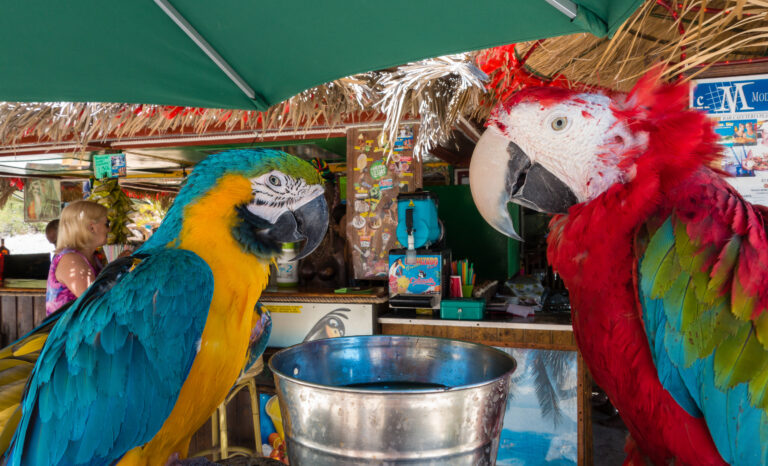
Introduction: The Foundation of Avian Life
For bird enthusiasts and conservationists alike, understanding the profound importance of natural habitats is not just academic; it’s fundamental to appreciating the very existence and diversity of avian life. Birds, from the smallest hummingbird to the largest eagle, are inextricably linked to their environments. When these environments are altered, degraded, or destroyed, the effects ripple through bird populations, threatening their survival and the ecological balance they help maintain.
This article delves deep into why habitat loss matters so profoundly for birds, exploring its multifaceted impacts on different species, and outlining practical steps birders and concerned individuals can take to mitigate this ongoing challenge.
Defining Habitat Loss: More Than Just Disappearing Land
Habitat loss is a complex phenomenon that goes beyond simply the physical disappearance of land. It occurs when natural environments—such as forests, wetlands, grasslands, deserts, or coastal areas—are reduced in size, fragmented into smaller, isolated patches, or degraded in quality to the point where they can no longer support the species that once lived there.
This process is primarily driven by various human activities, including urban expansion, agricultural intensification, logging, mining, and the development of infrastructure like roads and dams.
Climate change also plays a significant, increasingly prominent role. Rising temperatures, altered precipitation patterns, and extreme weather events can shift ecological zones, change plant communities, and make once-suitable habitats inhospitable for native bird species. For instance, rising sea levels threaten coastal nesting sites, while prolonged droughts can eliminate essential water sources and food supplies in arid regions.
The Intricate Relationship: Why Habitats Are Crucial for Birds
Birds depend on specific habitats for every critical stage of their life cycle. A habitat is not just a place; it’s a complex ecosystem providing all the resources a species needs to survive and reproduce. Different bird species have evolved over millennia to thrive in particular environments, developing specialized adaptations for foraging, nesting, and avoiding predators within those specific settings. This makes habitat preservation absolutely essential for maintaining global avian biodiversity.
Key Habitat Functions: A Bird‘s Blueprint for Survival
Understanding these functions helps illustrate why habitat loss is so devastating:
- Breeding Grounds: These are safe areas where birds can build nests, lay eggs, and raise their young with minimal disturbance. The availability of appropriate nesting materials, suitable nest sites (e.g., tree cavities, dense undergrowth, open ground), and protection from predators are paramount. For example, many migratory songbirds rely on mature forests for nesting, while shorebirds require undisturbed beaches or mudflats.
- Food Resources: Habitats provide the specific food sources birds need, whether it’s insects, seeds, fruits, nectar, fish, or small mammals. The type and abundance of food vary greatly by habitat. A hummingbird needs flowering plants, a raptor needs open areas for hunting prey, and a crossbill needs conifer cones. Loss of specific plant species or insect populations due to habitat degradation can directly lead to starvation or reproductive failure for dependent bird species.
- Protection and Shelter: Habitats offer vital shelter from predators and harsh weather conditions. Dense foliage provides cover from raptors, thickets offer refuge during storms, and specific tree structures provide safe roosting sites. Without adequate cover, birds become more vulnerable to predation and exposure, leading to increased mortality rates.
- Migration Stopovers: For migratory species, specific habitats serve as critical resting and refueling sites during their long journeys between breeding and wintering grounds. These stopover sites, often wetlands, forests, or coastal areas, must provide abundant food and safe roosting opportunities. Loss or degradation of even one key stopover site can have catastrophic consequences for an entire migratory population, as birds may not have the energy reserves to complete their journey.
The Cascade of Impacts: How Habitat Loss Affects Bird Populations
When habitats are lost, fragmented, or degraded, the consequences for bird populations are often severe and far-reaching. These impacts can manifest in several ways:
Population Declines and Extinctions: The most direct and visible impact is a reduction in bird numbers. As suitable living space shrinks, fewer individuals can survive and reproduce. This can lead to localized extinctions, where a species disappears from a particular area, or, in severe cases, global extinction if the species’ entire range is affected.
Reduced Genetic Diversity: Habitat fragmentation isolates bird populations into smaller, disconnected groups. This isolation reduces gene flow between populations, leading to a decline in genetic diversity. Lower genetic diversity makes populations more vulnerable to diseases, environmental changes, and inbreeding, reducing their long-term resilience and adaptability.
Altered Community Structures: The loss of certain habitats can favor generalist species (those that can adapt to a wide range of conditions) over specialist species (those with very specific habitat requirements). This can lead to a homogenization of bird communities, where a few common species dominate, and unique, specialized species disappear. This shift can disrupt ecological processes like pollination, seed dispersal, and insect control, which birds often facilitate.
Increased Predation and Competition: In fragmented habitats, edge effects become more pronounced. Areas at the boundary between natural habitat and disturbed land often experience increased predation from generalist predators (like domestic cats, raccoons, or crows) that thrive in human-modified landscapes. Furthermore, increased competition for dwindling resources can stress bird populations.
Vulnerability Varies by Species
It’s important to recognize that not all bird species are equally affected. Some are more vulnerable than others:
- Specialist Species: Birds with highly specific habitat requirements are particularly susceptible. For example, the Kirtland’s Warbler relies almost exclusively on young jack pine forests in Michigan for breeding. Any significant loss of this specific habitat directly threatens its survival. Similarly, species that depend on old-growth forests, like the Spotted Owl, suffer greatly from logging.
- Endemic Species: Birds found only in a small, restricted geographic area (endemic species) are at extreme risk. If their limited habitat is destroyed, there is nowhere else for them to go. The Kakapo, a flightless parrot endemic to New Zealand, faced near extinction due to habitat loss and introduced predators.
- Migratory Species: These birds face a double or even triple threat, as they require suitable habitats on their breeding grounds, wintering grounds, and along their migratory routes. The decline of any one of these critical habitats can impact the entire population. Shorebirds, for instance, are highly dependent on coastal wetlands and mudflats, which are increasingly threatened by development and sea-level rise.
Case Studies and Regional Examples: A Global Crisis
The impact of habitat loss is a global phenomenon, with distinct regional manifestations:
North American Wetlands: A Vanishing Lifeline
Wetlands—including marshes, swamps, and bogs—are among the most threatened habitats globally. In North America, over half of the original wetlands have been lost, primarily due to drainage for agriculture, urban development, and flood control. These ecosystems are vital for an incredible diversity of bird species, including waterfowl (ducks, geese, swans), wading birds (herons, egrets, ibises), and numerous migratory songbirds and shorebirds.
The loss of these critical habitats has led to significant declines in species like the American Black Duck, which relies on coastal wetlands, and the Snowy Egret, a common sight in marshy areas. Birders observing these areas might notice fewer species, or a shift towards more generalist species, indicating a decline in wetland health.
The Amazon Rainforest: Biodiversity Under Siege
The Amazon rainforest, a global biodiversity hotspot, is experiencing unprecedented rates of deforestation, primarily for cattle ranching, soy cultivation, and illegal logging. This destruction directly eliminates the habitat for countless bird species, many of which are found nowhere else on Earth. Iconic species like the Harpy Eagle, a top predator of the forest canopy, and a myriad of colorful toucans, macaws, and antbirds, are losing their homes at an alarming rate.
The loss of forest not only affects individual species but also disrupts complex ecological processes like carbon sequestration and rainfall patterns, with global implications.
Grasslands of the Great Plains: Quiet Disappearance
Less dramatic than rainforest destruction but equally devastating is the loss of native grasslands. In North America’s Great Plains, vast expanses of prairie have been converted to agricultural fields. This has led to steep declines in grassland bird species such as the Greater Prairie-Chicken, Grasshopper Sparrow, and Western Meadowlark. These birds are highly adapted to open, treeless environments and cannot survive in cultivated fields or fragmented landscapes.
Birders in these regions might observe fewer ground-nesting birds and a reduction in the characteristic songs that once filled the prairie air.
Practical Birding Tips in Habitats Under Threat: Your Role as an Observer
Birders are uniquely positioned to contribute to conservation efforts by observing and documenting species, especially in areas experiencing habitat change. Your field observations can provide valuable data that informs conservation strategies.
- Document Everything: Use platforms like eBird to meticulously record your sightings, including species, numbers, location (as precisely as possible), date, and any notable behaviors. This data helps scientists track population trends and identify areas of concern. Even common species data is important for establishing baselines.
- Observe Habitat Conditions: When birding, pay attention not just to the birds but also to their surroundings. Are there signs of recent logging, new construction, or invasive plant species? Is the water level in a wetland unusually low or high? Note these observations, as they provide context for bird presence or absence.
- Look for Signs of Stress: In areas affected by habitat loss, you might observe altered bird behaviors. This could include birds foraging in less ideal locations, increased aggression between individuals due to limited resources, or a complete absence of species you would expect to see in that habitat type.
- Focus on Specialist Species: When birding in a threatened habitat, pay particular attention to specialist species known to rely on that specific environment. Their presence can indicate the relative health of the habitat, while their absence can be a red flag. For example, finding a Prothonotary Warbler in a bottomland hardwood forest suggests a healthy wetland, whereas its absence might signal degradation.
- Be Mindful of Your Impact: When visiting sensitive habitats, stick to designated trails, avoid disturbing nesting birds, and practice Leave No Trace principles. Your presence, even as a birder, can inadvertently stress birds if not done responsibly.
How to Support Habitat Conservation: Beyond the Binoculars
Protecting bird habitats requires a concerted effort from governments, communities, and individuals. As birders, our passion for birds naturally extends to a responsibility for their homes.
- Advocate for Sustainable Land Use: Support policies and legislation that promote responsible land management, protect natural areas, and limit destructive development. This can involve contacting elected officials, signing petitions, or participating in public hearings.
- Participate in Habitat Restoration: Volunteer with local conservation groups on projects like planting native trees, removing invasive species, or cleaning up natural areas. Even small-scale efforts in your backyard, like creating a bird-friendly garden with native plants, contribute to a larger network of healthy habitats.
- Support Conservation Organizations: Join and donate to reputable organizations dedicated to bird and habitat conservation, such as the Audubon Society, RSPB (Royal Society for the Protection of Birds), or local land trusts. These organizations often lead large-scale habitat protection and restoration projects.
- Educate Others: Share your knowledge and passion for birds and their habitats with friends, family, and community members. Raising awareness is a crucial step in fostering a conservation ethic.
- Make Sustainable Choices: Consider the environmental impact of your consumer choices. Support businesses that practice sustainable agriculture, forestry, and sourcing. Reduce your carbon footprint to help mitigate climate change, a significant driver of habitat alteration.
- Visit Protected Areas Responsibly: When you visit national parks, wildlife refuges, and other protected areas, your entrance fees and responsible tourism directly support the management and protection of these vital habitats.
Conclusion: An Interconnected Future for Birds and Humanity
Habitat loss stands as the primary driver of bird declines worldwide, a stark reminder of humanity’s profound impact on the natural world. Recognizing its significance is not merely an academic exercise but an urgent call to action for effective conservation. The intricate web of life, where each bird species plays a unique role, is dependent on the health and integrity of its habitat.
By understanding the interconnectedness of habitats and bird populations, birders can transcend their role as mere observers and become active, powerful participants in safeguarding the natural environments that sustain avian diversity. Our collective efforts, from meticulous field observations to advocating for policy change and supporting restoration, are essential to ensure that the vibrant tapestry of bird life continues to enrich our planet for generations to come.
Further Resources
- Cornell Lab of Ornithology: A leading institution for bird research and conservation.
- eBird: A global database for bird observations, crucial for citizen science and conservation.
- Audubon Society: Dedicated to protecting birds and the places they need, today and tomorrow.
- RSPB: The UK’s largest nature conservation charity, inspiring everyone to give nature a home.
- Local wildlife agencies and conservation groups: Search for organizations in your area that are actively working on habitat protection and restoration.
Featured image: licensed image via Wikimedia Commons. Credit: Friedrich Haag. License: CC BY-SA 4.0. Used with attribution.
