
Introduction to Trustworthy Bird Identification
Embarking on the journey of birding is a rewarding experience, connecting individuals with the natural world. A crucial first step for any aspiring birder, and indeed for seasoned enthusiasts, is the ability to accurately identify the diverse avian species encountered. This skill hinges entirely on having access to reliable and trustworthy identification guides.
At Fly Aviary, we understand the paramount importance of accuracy in bird identification. Our commitment lies in meticulously curating our guides using only the most reputable sources. This rigorous approach ensures that both beginners and experienced birders can confidently identify species, fostering a deeper appreciation for avian life.
This article delves into the foundational principles behind our content creation. We will explore the specific authoritative references we integrate into our guides and elucidate why this methodical approach is not merely about correct identification. It also plays a vital role in supporting broader conservation efforts, contributing to the protection of bird populations worldwide.
The Indispensable Role of Reliable Sources in Bird Identification
Bird identification can present a significant challenge, particularly for those new to the hobby. The sheer diversity of bird species, coupled with individual variations, makes precise identification a complex task. Factors such as subtle differences in plumage between sexes or age groups, regional variations within a species, and seasonal changes in appearance can all complicate recognition.
Furthermore, the dynamic nature of bird populations, including migration patterns and habitat shifts, adds another layer of complexity. Without a solid foundation of accurate information, misidentification can easily occur, leading to frustration for the birder and potentially inaccurate data for scientific purposes.
This is precisely where the value of trusted sources becomes evident. Utilizing information from established and scientifically vetted origins ensures that the data provided is not only accurate but also consistent and scientifically sound. These reliable sources serve a multitude of critical purposes, forming the bedrock of effective bird identification.
Firstly, they provide comprehensive and detailed descriptions of each species, often accompanied by high-quality visual references. These descriptions go beyond basic color patterns, delving into nuances of size, shape, bill structure, leg color, and flight patterns. Such detailed information is essential for distinguishing between similar-looking species.
Secondly, reliable sources are crucial for ensuring regional accuracy and providing up-to-date range information. A bird found in one geographical area might have a different appearance or behavior than the same species in another region. Understanding these regional variations and knowing the expected distribution of a species is fundamental to correct identification. Range maps, often dynamic and updated with new data, are invaluable tools derived from these sources.
Thirdly, and perhaps most importantly, accurate identification directly supports conservation efforts. Correctly identifying species, especially those that are rare, endangered, or threatened, is the first step in understanding their population status and conservation needs. Misidentification can lead to incorrect assessments of population health, potentially diverting resources from species that truly require intervention or overlooking those in peril.
Finally, and from a community perspective, relying on authoritative sources builds trust with our community of birders and conservationists. When users know that the information they are accessing is thoroughly researched and vetted, it fosters confidence and encourages continued engagement. This trust is vital for creating a collaborative environment where knowledge is shared and conservation goals are advanced.
Cornerstone Sources for Bird Identification Guides
The foundation of Fly Aviary’s reliable guides rests upon a careful selection of authoritative sources. These institutions and publications have dedicated decades, and in some cases centuries, to the study and documentation of avian life. Their rigorous methodologies and extensive research make them invaluable references.
Academic and Scientific Institutions: Pillars of Ornithological Knowledge
Leading academic and scientific institutions are at the forefront of ornithological research and data collection. Organizations such as the Cornell Lab of Ornithology in the United States and the Royal Society for the Protection of Birds (RSPB) in the United Kingdom offer an unparalleled wealth of comprehensive data on bird species. Their extensive databases, research publications, and educational resources are widely considered the gold standard within birding communities globally.
The Cornell Lab of Ornithology, for instance, is renowned for its groundbreaking work and innovative platforms. Their flagship project, eBird, is a global citizen science initiative that collects bird observations from around the world. This vast dataset provides incredibly detailed and dynamic range maps, real-time sighting reports, and a massive collection of photo and audio submissions.
This information is meticulously analyzed and curated by expert ornithologists, making it an indispensable resource for informing accurate identification guides and understanding avian distribution and population trends.
Similarly, the RSPB, a leading conservation charity in the UK, offers detailed species accounts tailored specifically to the British Isles. Their resources include not only visual identification cues but also in-depth information on behavioral notes, habitat preferences, breeding patterns, and conservation status relevant to the UK context. These institutional resources provide the scientific backbone for understanding the intricate details of bird life, ensuring that our guides reflect the most current and accurate scientific understanding.
Field Guides and Regional Resources: Your Portable Birding Companions
For practical, in-the-field identification, traditional field guides remain indispensable. These beautifully illustrated or photographed books are designed to be carried and consulted during birding excursions, providing quick and accessible visual and descriptive information. Iconic field guides, such as those by Roger Tory Peterson, David Sibley, or the Collins Bird Guide, have shaped generations of birders.
Peterson’s guides, known for their revolutionary system of identifying birds by comparing similar species, emphasize key field marks. Sibley’s guides are celebrated for their incredibly detailed illustrations, showcasing variations in plumage for different ages, sexes, and subspecies. The Collins Bird Guide, popular in Europe, is lauded for its comprehensive coverage and high-quality illustrations. These guides typically include detailed illustrations or photographs alongside concise descriptions, aiding beginners in matching their observations to known species.
They often feature range maps, vocalization descriptions, and habitat notes, all crucial for accurate identification.
Beyond these widely recognized national or continental guides, local wildlife agencies and regional ornithological societies often publish specialized regional guides and checklists. These resources are particularly crucial for understanding species distribution and local biodiversity in specific geographical areas. They account for localized subspecies, vagrants, and unique ecological considerations that broader guides might not cover in detail.
Consulting these regional resources helps ensure that identification aligns precisely with the expected avian fauna of a particular location, preventing misidentifications based on out-of-range sightings.
Online Databases and Community Platforms: The Digital Frontier of Birding
The digital age has revolutionized access to bird identification resources, making information more readily available than ever before. Reputable online platforms such as the National Audubon Society’s website and the RSPB’s digital presence provide incredibly accessible resources. These online portals typically feature extensive species accounts, high-resolution photographs, audio recordings of calls and songs, and detailed habitat information.
These digital resources are especially helpful for beginners who require quick reference points while learning. The ability to instantly search for a species, compare images, and listen to vocalizations on a smartphone or tablet has transformed the birding experience. Many of these platforms also offer identification tools, such as filters based on location, size, and color, to help narrow down possibilities.
Community-based platforms, most notably eBird, also play a significant role. While eBird is primarily a data collection tool, its public interface allows users to explore species distributions, view recent sightings, and access a vast library of user-submitted photos and sounds. While user-submitted data requires careful vetting, eBird’s integration with expert review and its sheer volume of information make it a powerful resource.
Users can cross-reference their observations with authoritative data and confirmed sightings, adding another layer of verification to their identifications.
Integrating Diverse Sources into Fly Aviary’s Guides
At Fly Aviary, our commitment to accuracy is reflected in our meticulous process of integrating information from these diverse and authoritative sources. We don’t simply copy information; instead, we synthesize it, cross-reference it, and present it in a clear, concise, and beginner-friendly format. This multi-source approach is fundamental to creating comprehensive, easy-to-understand guides that truly empower birders.
Our process begins with a thorough research phase. For each species, we consult multiple primary sources, including academic papers, institutional databases like eBird, and established field guides. This cross-referencing is a critical step, allowing us to verify species details from various angles. For example, if one source describes a particular plumage detail, we seek confirmation or additional context from other reputable sources.
This helps to eliminate potential errors or biases that might exist in a single reference.
A key element of our guides is the use of high-quality, properly licensed images and illustrations. Visual identification is paramount in birding, and clear, accurate depictions are essential. We invest in acquiring or creating visuals that accurately represent the species, including different plumages (e.g., male, female, juvenile, breeding, non-breeding) where relevant.
Ensuring proper licensing is not just a legal requirement; it respects the work of photographers and artists and maintains the integrity of our content.
Furthermore, our guides are designed to provide crucial regional context and conservation status information. A bird’s appearance or behavior can vary geographically, and its conservation status can differ significantly between regions. By integrating data from regional resources and conservation organizations, we ensure that our users receive information relevant to their specific location.
This includes details on local subspecies, migratory patterns, and whether a species is listed as endangered, threatened, or of least concern in a particular area.
Consider, for instance, how we might construct a guide for a common and widespread species like the American Robin. We would begin by consulting Cornell’s eBird data to understand its extensive range, migratory patterns, and current population trends across North America. This provides the broad ecological context.
Next, we would refer to descriptions from the RSPB (if discussing its European counterpart, the European Robin, or for general ornithological principles) for detailed behavioral notes, vocalizations, and habitat preferences. Simultaneously, we would consult classic field guides like Sibley’s or Peterson’s for precise visual cues, including variations in plumage between adults and juveniles, and subtle differences in bill or leg color.
This multi-source approach ensures that our guide for the American Robin is not only visually accurate but also ecologically informed and behaviorally rich, offering a holistic understanding of the species.
Supporting Conservation and Fostering Trust Through Accuracy
The commitment to accurate identification, underpinned by reliable sources, extends far beyond the individual birder’s enjoyment. It forms a critical pillar in global bird conservation efforts. Misidentifying a species, particularly one that is rare or endangered, can have significant negative repercussions for conservation. If a threatened species is mistaken for a common one, its declining population might go unnoticed, delaying crucial intervention.
Conversely, if a common species is misidentified as rare, it could lead to misallocation of valuable conservation resources.
By relying on authoritative sources, Fly Aviary helps ensure that the data birders collect and the knowledge they gain are robust and reliable. When birders submit their observations to citizen science platforms, armed with accurate identification skills, they contribute high-quality data. This data is then used by scientists and conservationists to monitor population trends, identify critical habitats, track migratory routes, and assess the effectiveness of conservation strategies.
In essence, every accurately identified bird contributes a small but significant piece to the larger puzzle of avian conservation.
Moreover, transparency about our sources is fundamental to fostering trust within the Fly Aviary community. We believe that an informed user is an empowered user. By openly stating where our information originates, we invite our users to understand the rigorous process behind our guides. This transparency encourages users to verify information themselves through our recommended references, deepening their own knowledge and critical thinking skills.
It also reinforces the importance of respecting intellectual property, including copyright and licensing, when utilizing images or data, promoting ethical engagement with ornithological resources.
This reciprocal relationship—where accurate guides lead to better data, which in turn supports conservation, and transparency builds trust—creates a virtuous cycle. It empowers individual birders to become active participants in scientific discovery and environmental stewardship, transforming a personal hobby into a meaningful contribution to the natural world.
Practical Tips for Birders Utilizing These Resources
Navigating the wealth of bird identification resources effectively can significantly enhance your birding experience and improve your accuracy. Here are some practical tips to make the most of the authoritative sources available:
- Cross-Reference Your Observations: Always make it a habit to check multiple sources when attempting to identify a bird, especially if it’s a species you’re unfamiliar with, or if it appears to be a rare or unusual sighting. Comparing descriptions, images, and vocalizations across different reputable guides or online platforms can help confirm your initial identification and rule out similar-looking species.
- Prioritize Regional Guides and Range Maps: Before heading out, consult regional field guides or online range maps specific to your location. This helps narrow down the possibilities considerably. Knowing which species are expected in your area during a particular season can prevent frustration and misidentification. A bird that is a common resident in one state might be an extreme rarity in another.
- Observe Carefully and Note Key Features: When you encounter a bird, take your time to observe it thoroughly. Pay close attention to its overall size and shape, comparing it to known birds. Note specific plumage details, such as patterns on the head, back, wings, and tail. Observe the bill shape and color, leg color, and eye color. Even subtle differences can be crucial for distinguishing between closely related species.
- Listen and Learn Vocalizations: Bird calls and songs are often as distinctive as their visual appearance, and sometimes even more so. Utilize trusted platforms like the Cornell Lab’s Macaulay Library or Xeno-canto to listen to recordings of bird vocalizations. Familiarize yourself with the calls of common species in your area, and practice distinguishing between similar-sounding songs. Many birding apps also integrate sound libraries.
- Document Your Sightings with Photos or Notes: Whenever possible, try to photograph the birds you encounter. Even a blurry photo can sometimes capture a key field mark that aids identification later. If photography isn’t feasible, take detailed notes immediately after your sighting. Describe the bird’s size, colors, patterns, behavior, habitat, and any vocalizations heard. These notes can be invaluable when consulting guides back home.
- Respect Copyright and Licensing: When using images or data from online sources or publications, always be mindful of copyright and licensing terms. If you wish to share or use content for personal projects, ensure you have the appropriate permissions or adhere to fair use guidelines. This respects the intellectual property of creators and supports the continued availability of high-quality resources.
- Join Local Birding Groups: Engaging with local birding clubs or online communities can provide invaluable learning opportunities. Experienced birders can offer guidance, help confirm identifications, and share local knowledge. Many groups organize field trips, which are excellent for learning identification skills in practice.
Conclusion: The Foundation of Confident Birding
Fly Aviary’s unwavering commitment to utilizing reputable sources is the cornerstone of our bird identification guides. This dedication ensures that our content is not only accurate and reliable but also consistently updated with the latest scientific understanding. We believe that by providing information grounded in authoritative research, we empower birders at all levels to approach identification with confidence and precision.
Understanding the origins of our information allows beginner birders to develop a strong foundation in ornithology. This knowledge fosters not just the ability to identify a species, but also a deeper appreciation for the scientific process that underpins our understanding of the natural world. More importantly, this accuracy directly translates into meaningful contributions to bird conservation efforts.
Every correct identification, every verified sighting, adds to the collective data that scientists and conservationists use to protect avian populations and their habitats.
Ultimately, the journey of birding is built on a foundation of trust—trust in the information you use, trust in your own observations, and trust in the community of birders and scientists working to understand and protect birds. By embracing solid, authoritative information, you not only enhance your personal birding experience but also become an active and valuable participant in the vital work of avian conservation.
Additional Resources for Continued Learning
To further enrich your birding knowledge and identification skills, we highly recommend exploring these foundational resources:
- eBird by Cornell Lab of Ornithology: A global database of bird observations, offering dynamic range maps, sighting reports, photos, and sounds. An essential tool for understanding bird distribution and contributing to citizen science.
- All About Birds by Cornell Lab of Ornithology: A comprehensive online guide to North American birds, featuring detailed species accounts, identification tips, vocalizations, and stunning photography.
- National Audubon Society: A leading conservation organization with extensive online resources, including a bird guide, conservation news, and information on bird-friendly practices.
- Royal Society for the Protection of Birds (RSPB): The UK’s largest nature conservation charity, offering detailed species information, conservation initiatives, and resources specific to British birds.
- Xeno-canto: A vast, global database of bird sounds, invaluable for learning and identifying species by their vocalizations.
- Regional Bird Guides and Checklists: Seek out publications from your local Audubon chapter, state ornithological society, or regional wildlife agencies. These often provide the most accurate and up-to-date information for your specific area.
- Classic Field Guides: Invest in a high-quality physical field guide relevant to your region, such as those by Sibley, Peterson, or Collins. These remain indispensable tools for in-the-field identification.
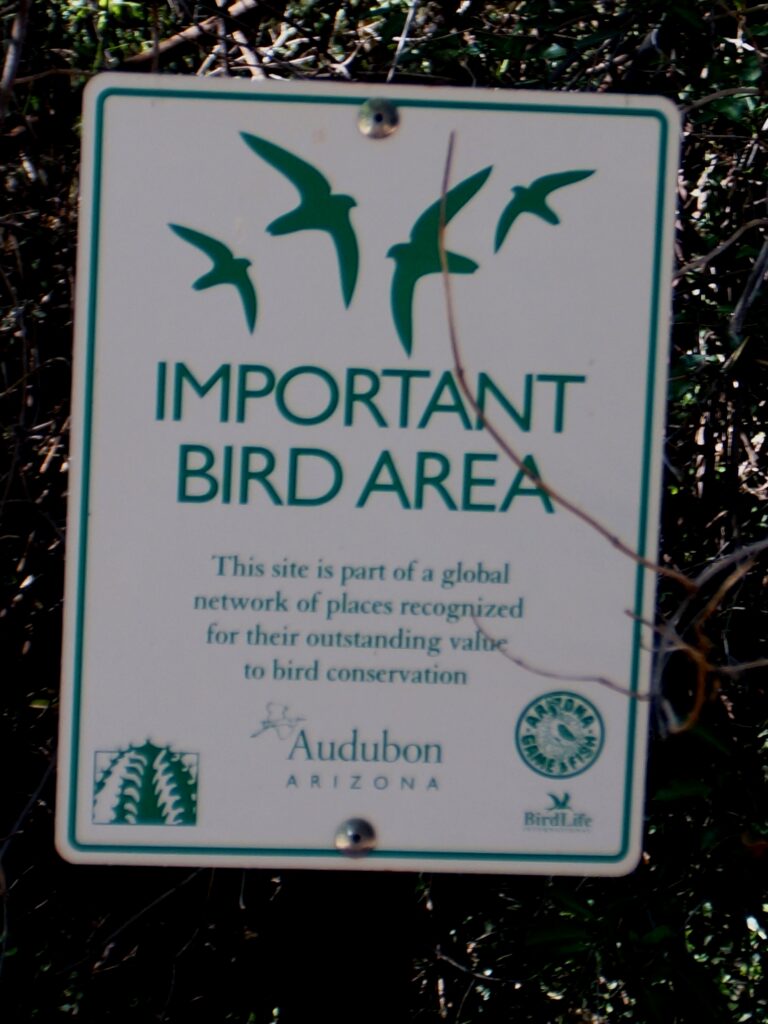
Featured image: licensed image via Wikimedia Commons. Credit: Chris English. License: CC BY-SA 3.0. Used with attribution.
