
Edmonton is home to a captivating array of birds, each suited to the city's unique ecosystems. Among the remarkable species, the Canada Geese are recognized for their black heads and white chinstraps, often spotted in V-shaped flight formations. Male Mallards display iridescent green heads and are common in local wetlands. The Barrow's Goldeneyes, with their striking black and white plumage, are easily identifiable by their vivid yellow eyes. Another local inhabitant, the Common Nighthawk, excels in nocturnal insect hunting, while the Common Poorwill, known for its distinctive calls, showcases incredible torpor capabilities. Exploring further may reveal more about these intriguing creatures and others sharing their environment.
Canada Geese
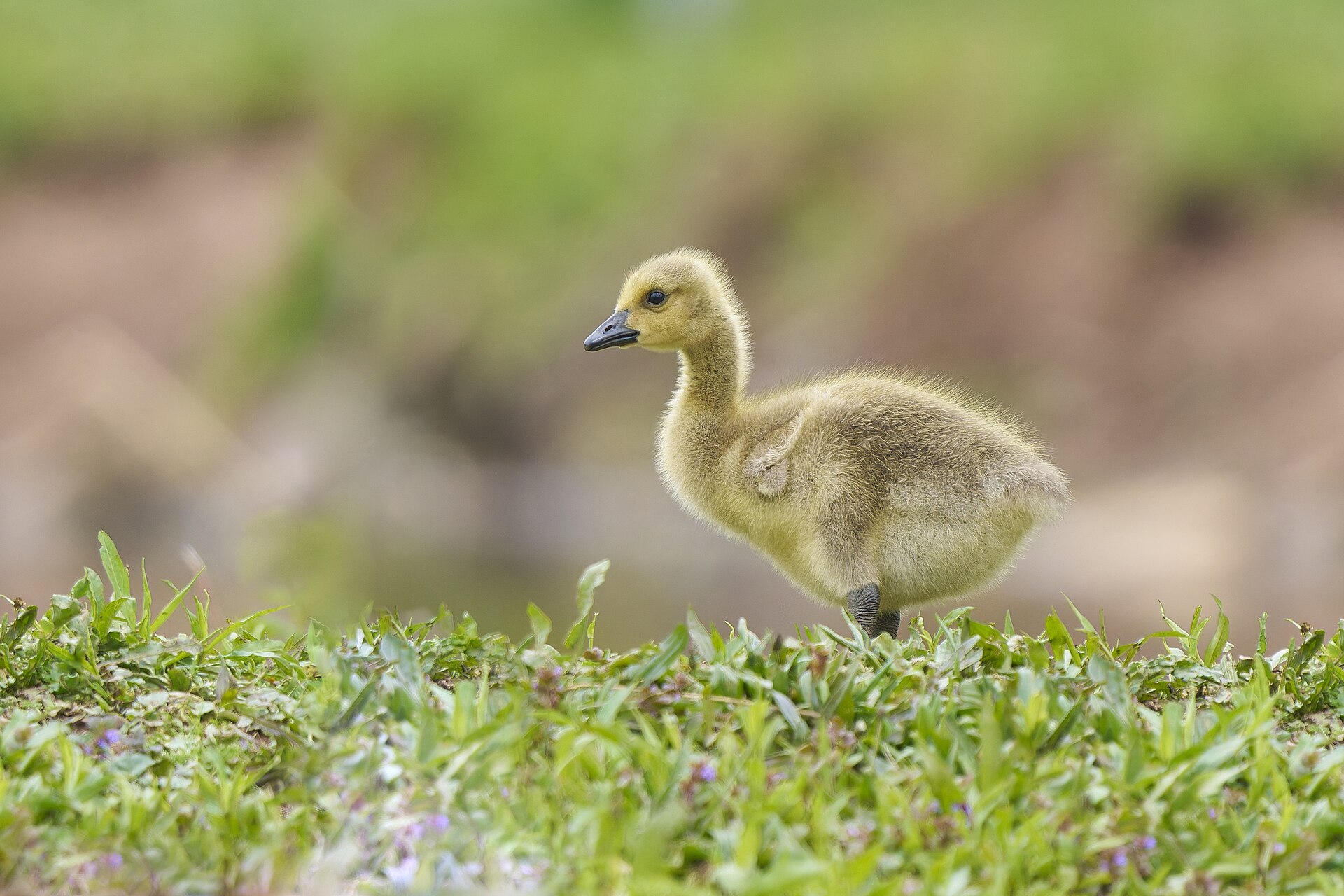
Photo by Paul Danese (CC BY-SA 4.0, via Wikimedia Commons)
Canada Geese, frequently spotted in Edmonton, are easily recognizable by their black heads and necks accented with white 'chinstraps.'
This bird species thrives in various environments, often seen fluttering their feathers around local National Parks.
Their presence is notable for the V-shaped flying formations, a spectacular sight especially during migration seasons, reflecting their strong adaptation and survival strategies in diverse habitats.
Male Mallards
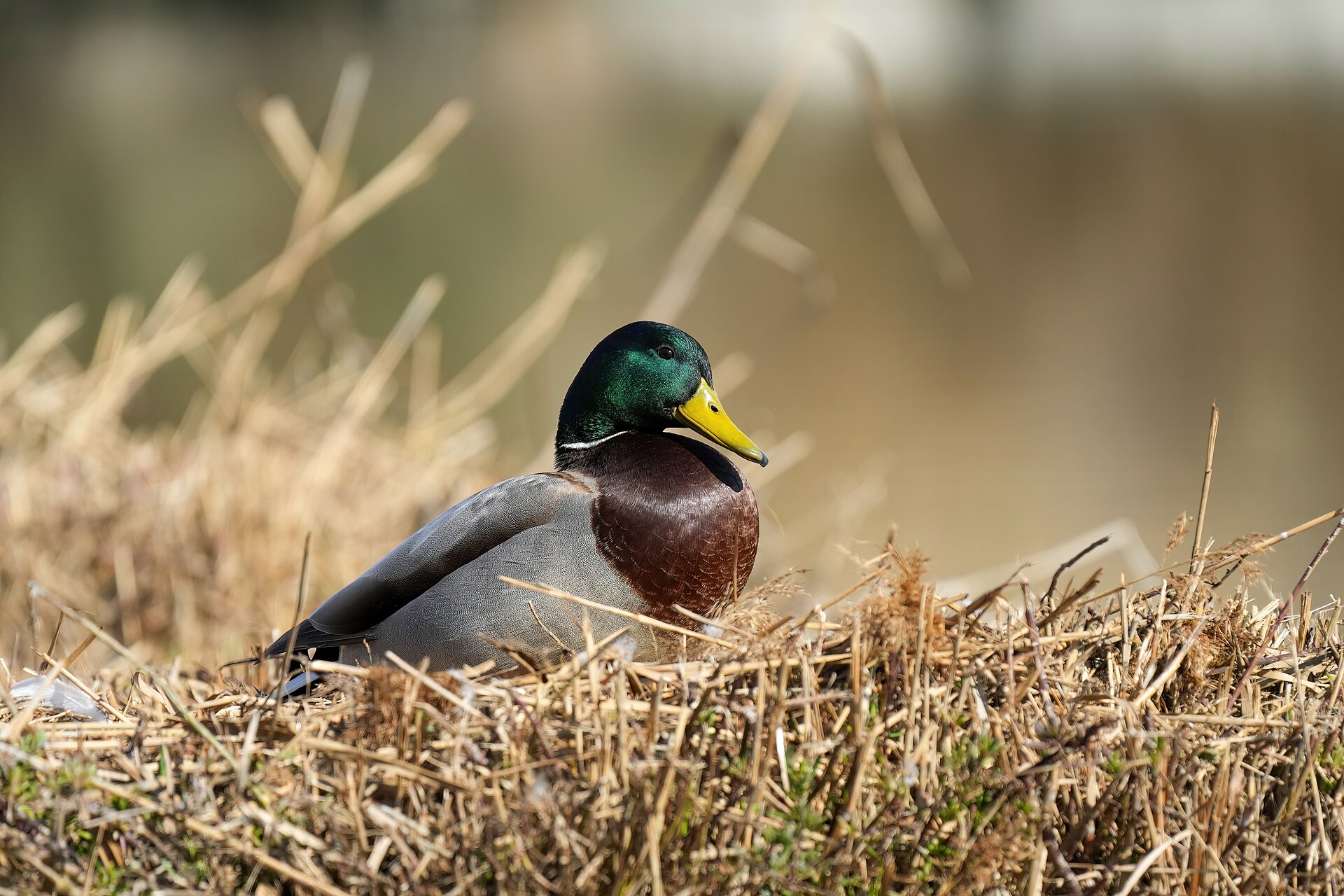
Photo by Giles Laurent (CC BY-SA 4.0, via Wikimedia Commons)
Shifting focus to another avian resident of Edmonton, the Male Mallard is distinguished by its iridescent green head and vibrant yellow bill. These ducks, not related to birds of prey, thrive in central Alberta's wetlands, showcasing chestnut-brown chests and colorful tail feathers during mating season.
Their diet varies from insects to small fish, adapting easily to both urban and rural settings.
Barrow's Goldeneyes
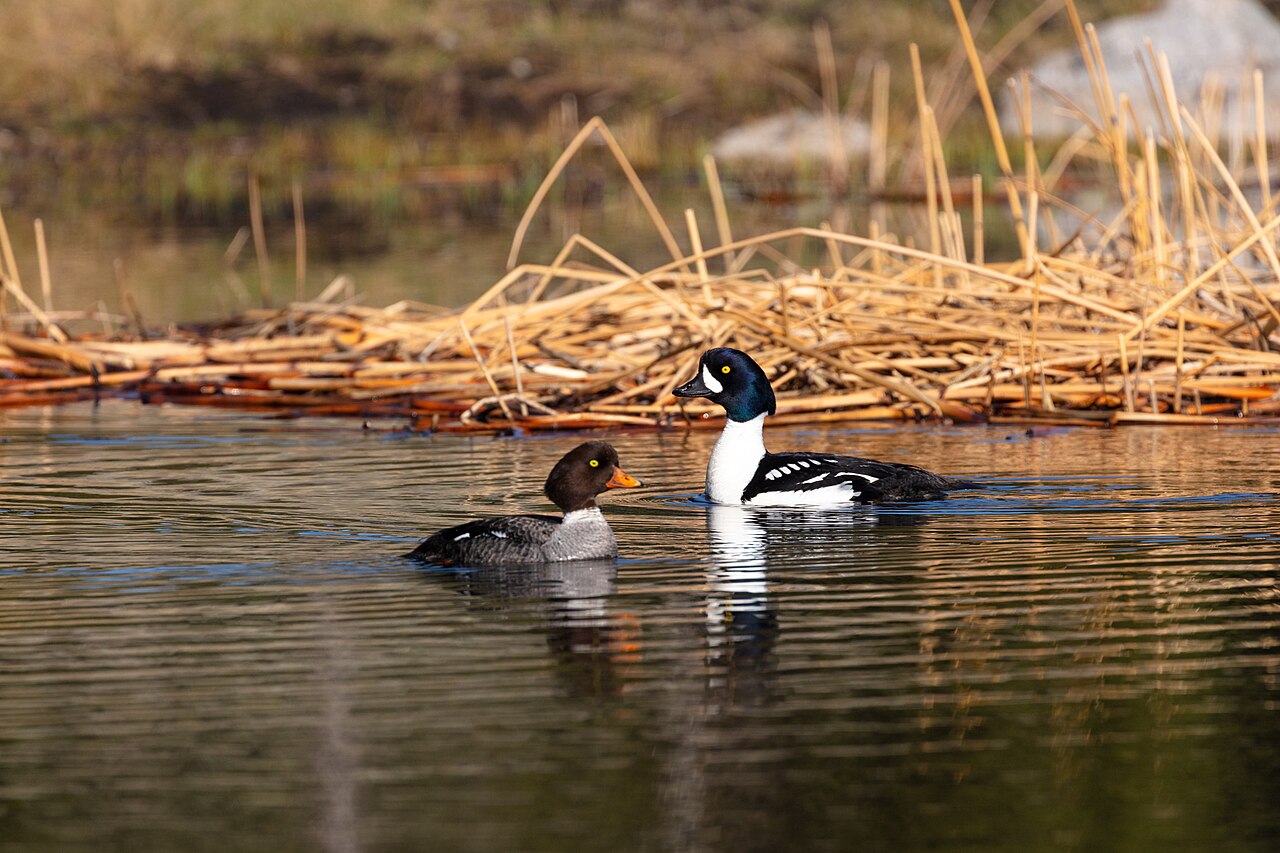
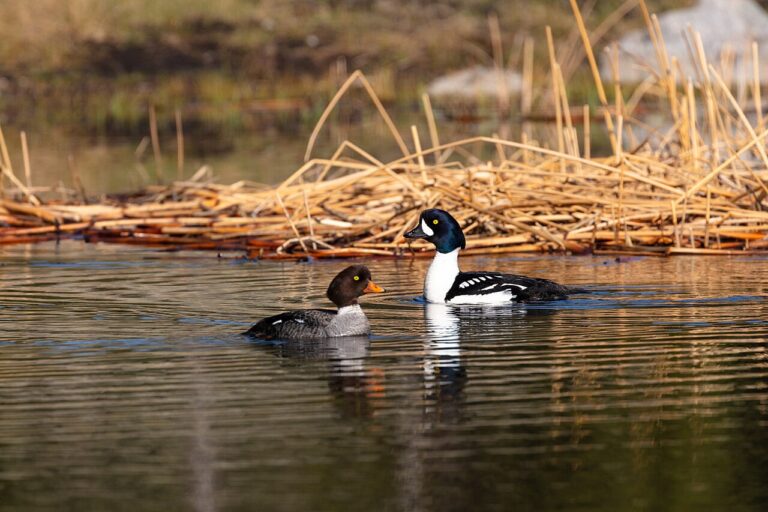
Among the distinct avian species in Edmonton, Barrow's Goldeneyes are notable for their eye-catching black and white plumage and vivid yellow eyes. These medium-sized ducks perform unique courtship displays that involve head bobbing and calling.
They feed on aquatic invertebrates and small fish, diving gracefully into water. Nesting in tree cavities near boreal forests, they truly exemplify nature's really great adaptability.
Common Nighthawk
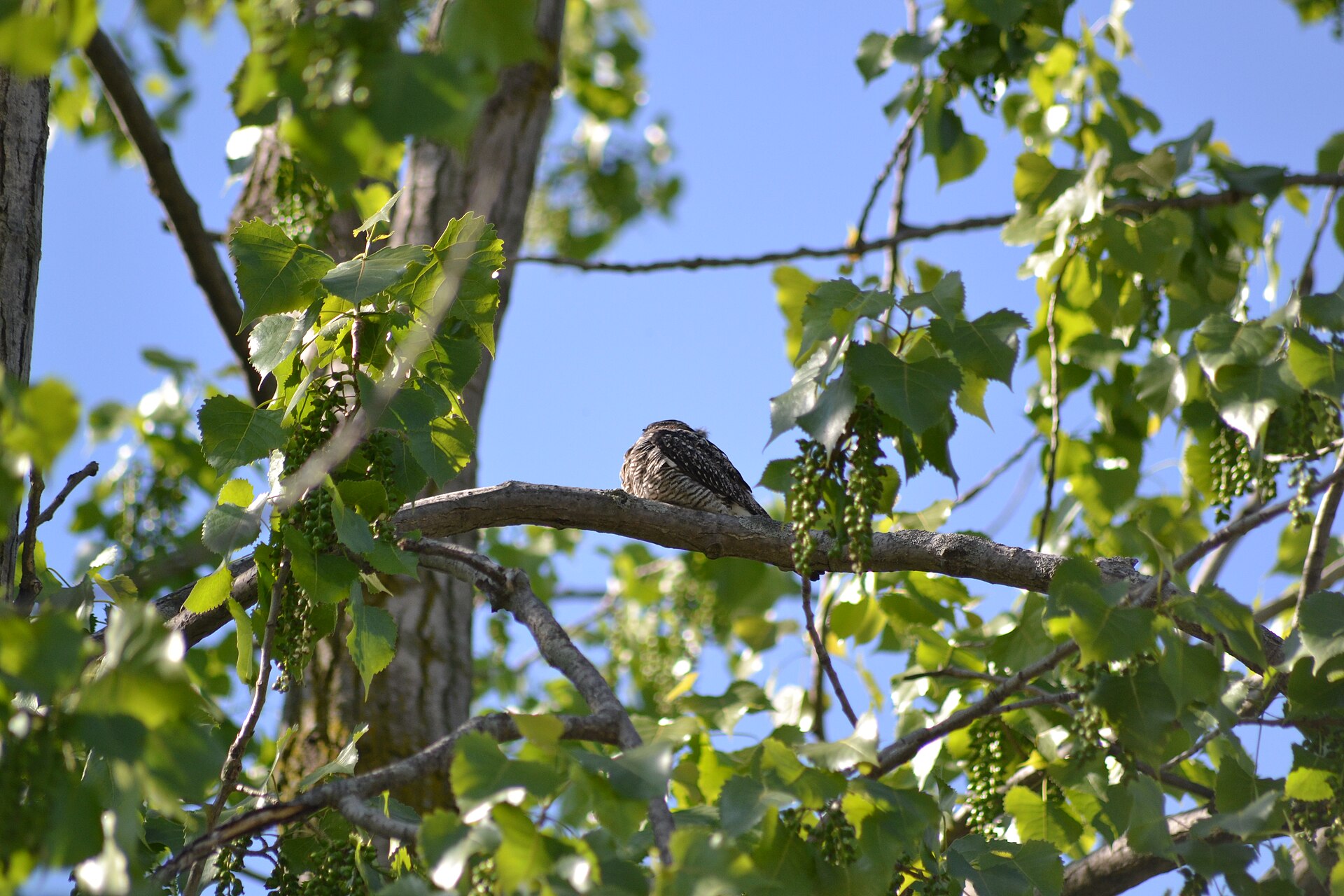
Photo by Andrew C (CC BY 2.0, via Wikimedia Commons)
The Common Nighthawk, masterfully blending into its surroundings, thrives as a nocturnal predator, skillfully catching insects mid-flight.
Belonging to the family Caprimulgidae, these birds feature cryptic plumage for effective camouflage.
They are also noted for their distinctive 'booming' calls during courtship.
With wide mouths and long wings, they adeptly hunt moths and other insects, migrating vast distances from North to South America seasonally.
Common Poorwill
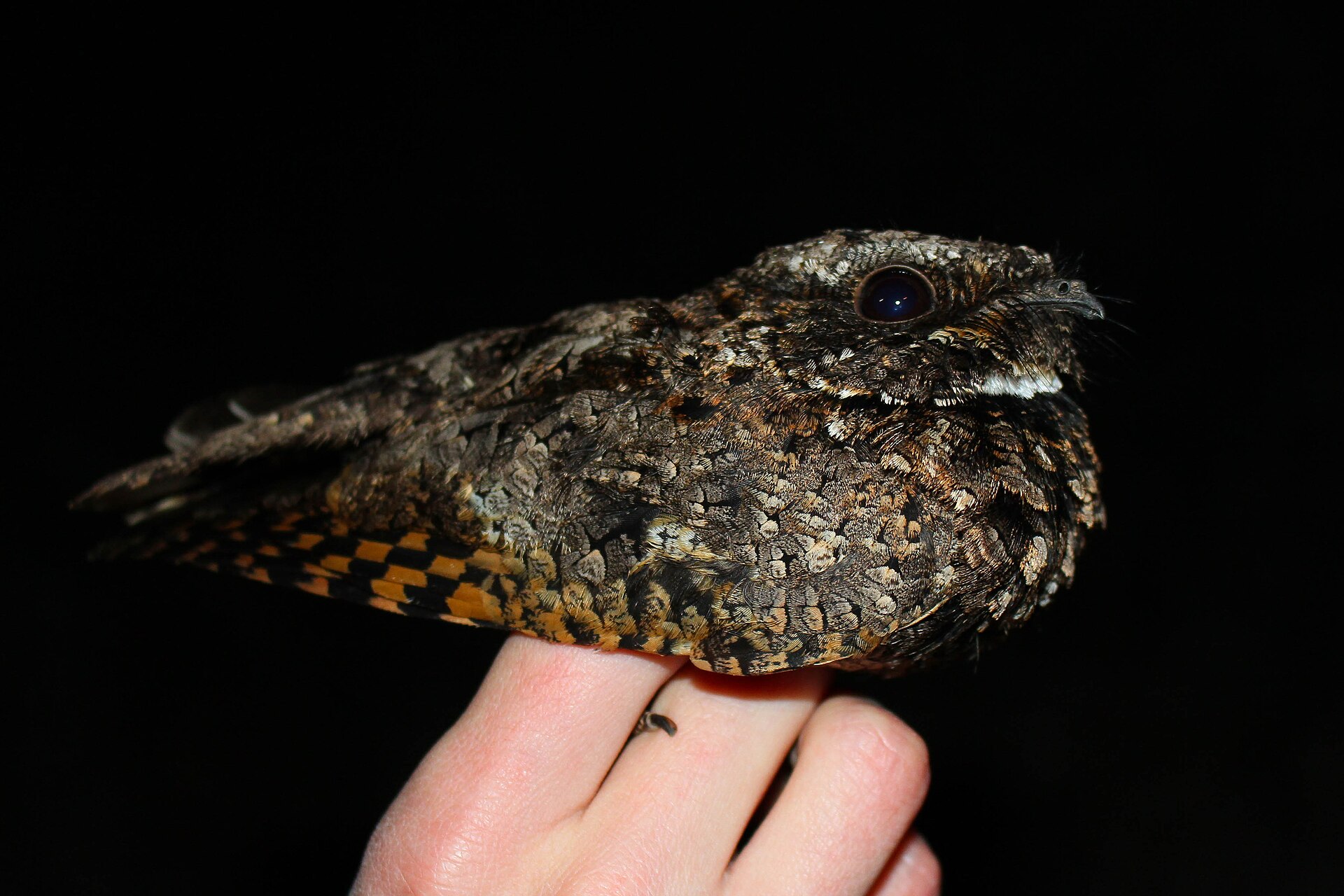
Photo by Connor Long (CC BY-SA 4.0, via Wikimedia Commons)
Continuing with another member of the Caprimulgidae family, the Common Poorwill exhibits nocturnal habits and a remarkable ability for torpor.
This bird's cryptic plumage aids in camouflage, while its diet mainly consists of insects such as moths, beetles, and flying ants.
Remarkably, during nighttime, one can hear its distinctive 'poor-will' call, echoing its unique identity among Edmonton's avian residents.
Black-Necked Stilt
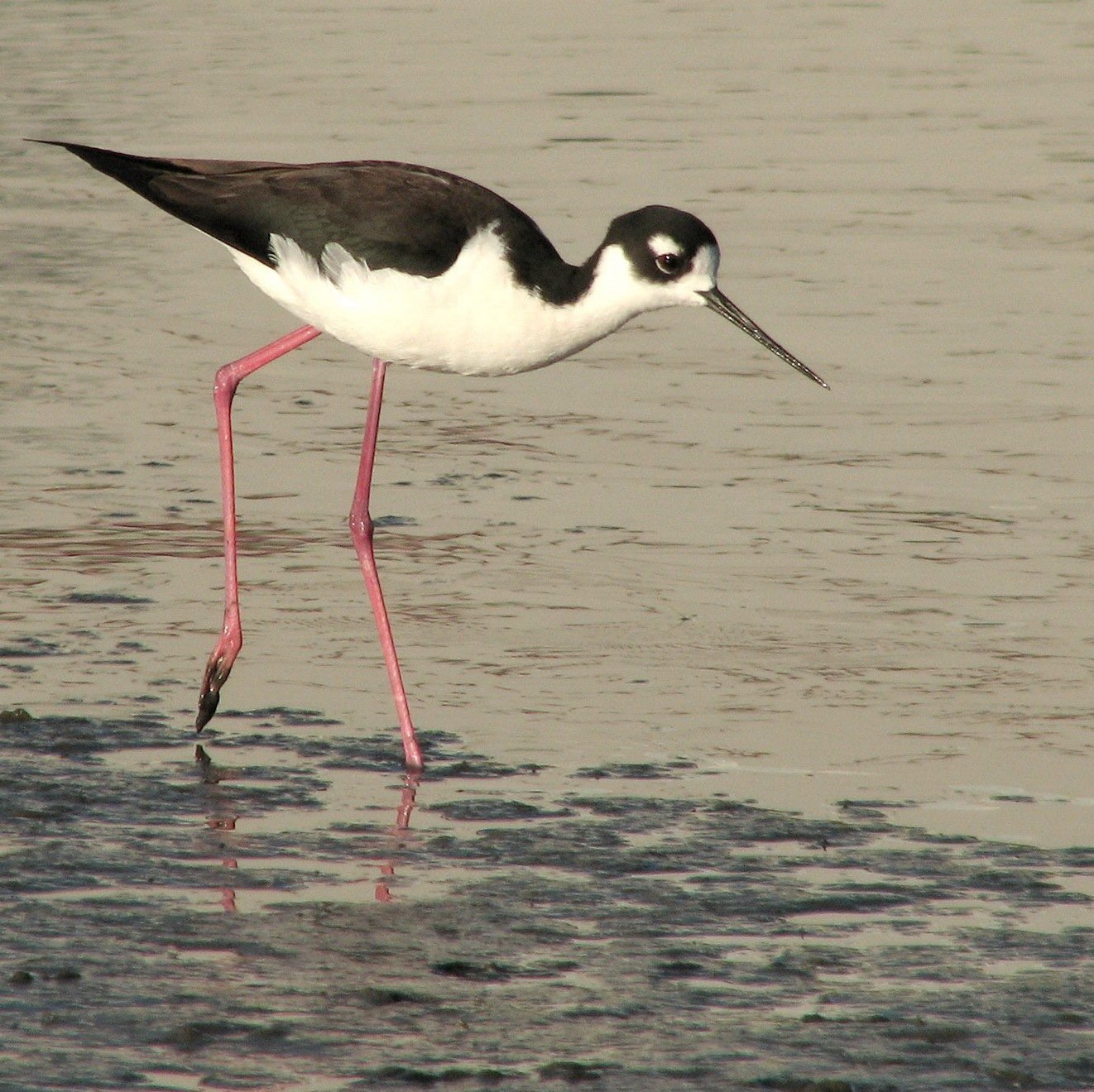
Photo by Jack (CC BY 2.0, via Wikimedia Commons)
Elegantly wading through shallow wetlands, the Black-Necked Stilt (Himantopus mexicanus) captivates observers with its long pink legs and striking black-and-white body.
Common in mudflats and salt pans, they hunt for insects and crustaceans with a high-stepping gait. Their thin black neck and white underparts mark their distinct appearance.
Males impress females with elaborate courtship displays, highlighting their unique vocalizations and agility.
American Avocet
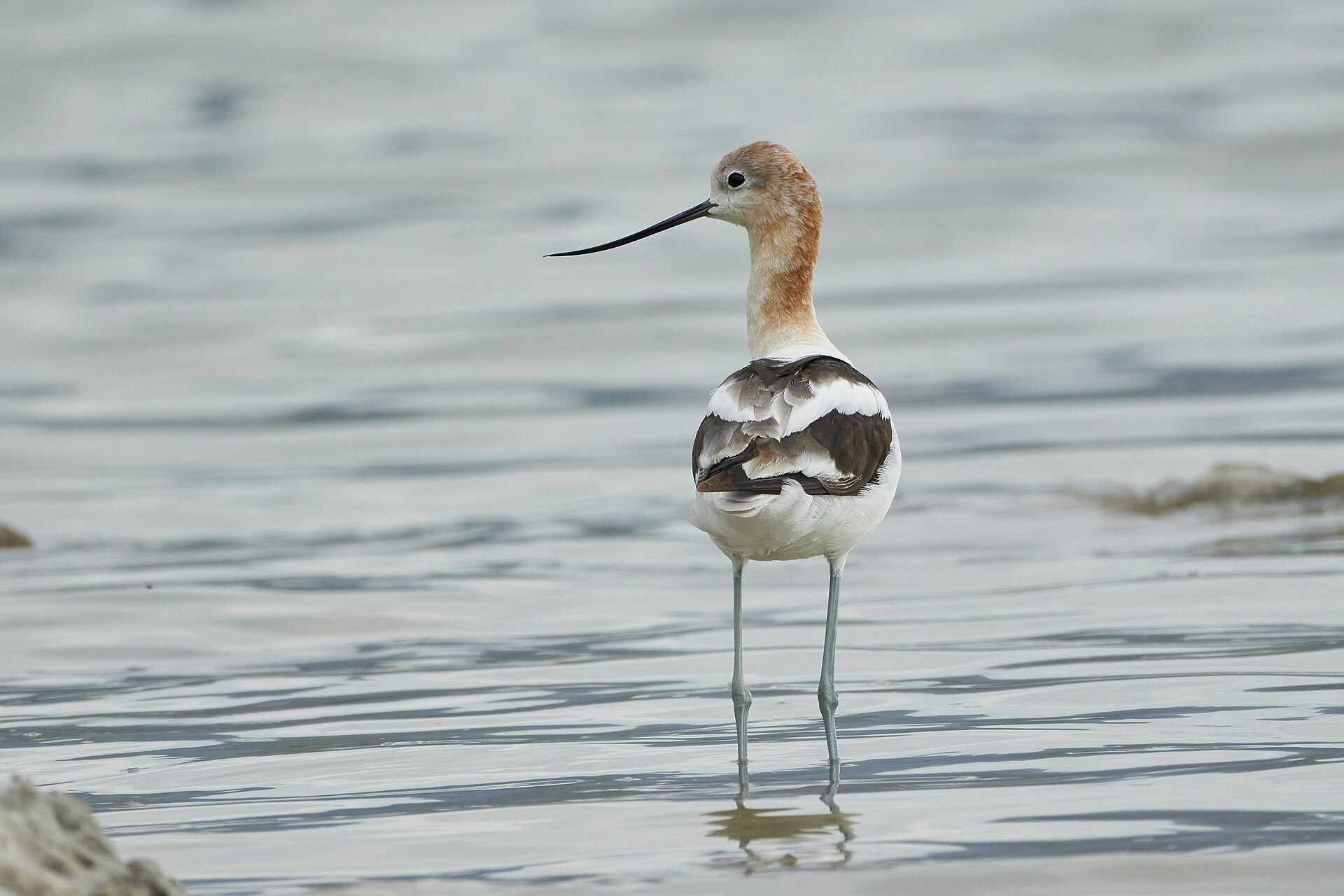
Photo by Ant.tab (CC BY-SA 4.0, via Wikimedia Commons)
With its unique upward-curving bill, the American Avocet is a distinctive shorebird found in Edmonton's marshes and wetlands.
During breeding season, they display a striking cinnamon-colored head and neck, contrasting with their black and white back and wings.
They forage by sweeping their bills side to side in shallow waters, and nest on the ground in shallow depressions.
Black Guillemot
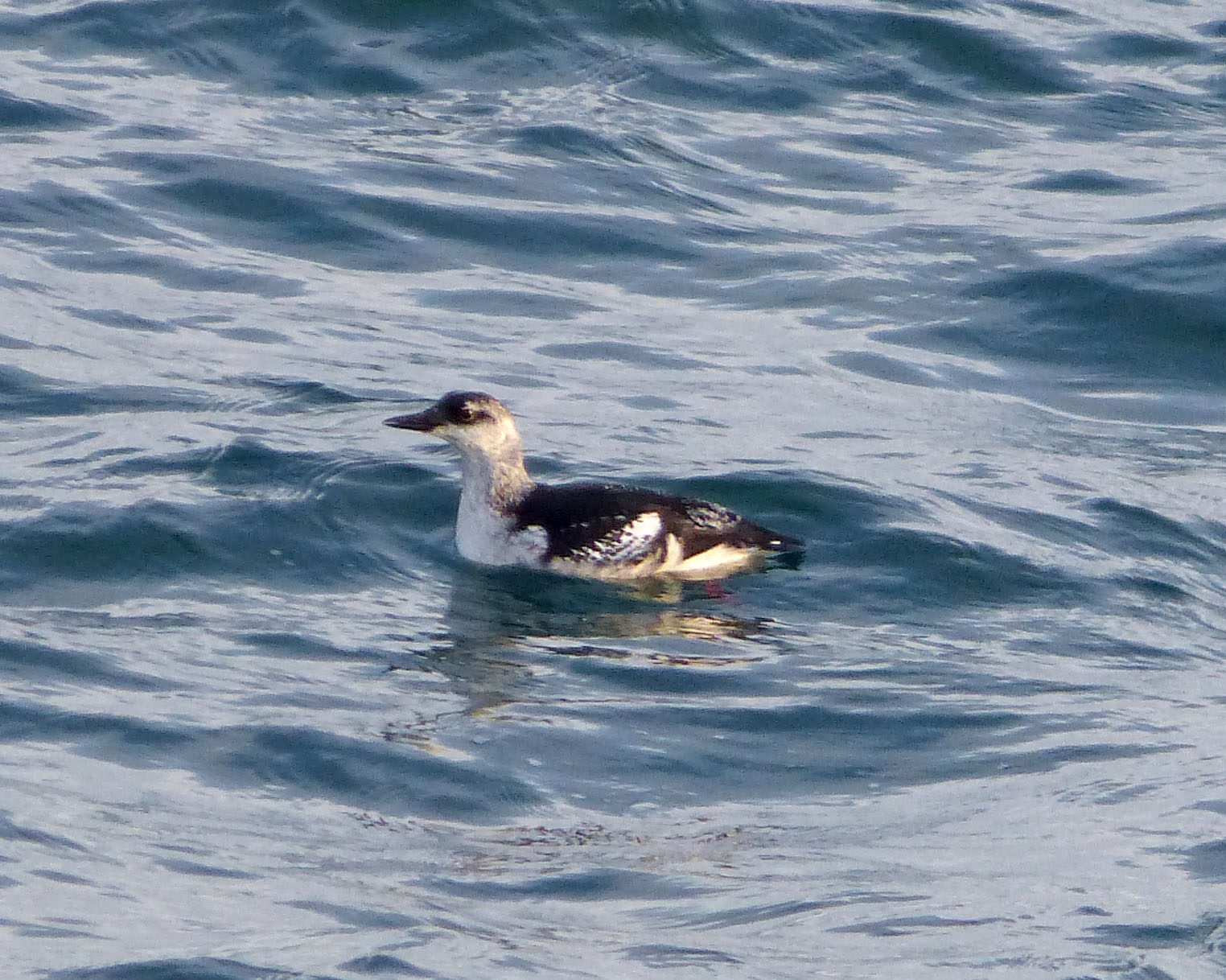
Photo by gailhampshire from Cradley, Malvern, U.K (CC BY 2.0, via Wikimedia Commons)
Shifting our focus to the rocky shores of Edmonton, the Black Guillemot stands out with its stark black plumage and vibrant red appendages. This seabird is distinguished by white wing patches and red legs.
Agile divers, they feed on fish and crustaceans. They breed in coastal crevices, known for their shrill calls and dynamic courtship displays.
Long-Billed Murrelet
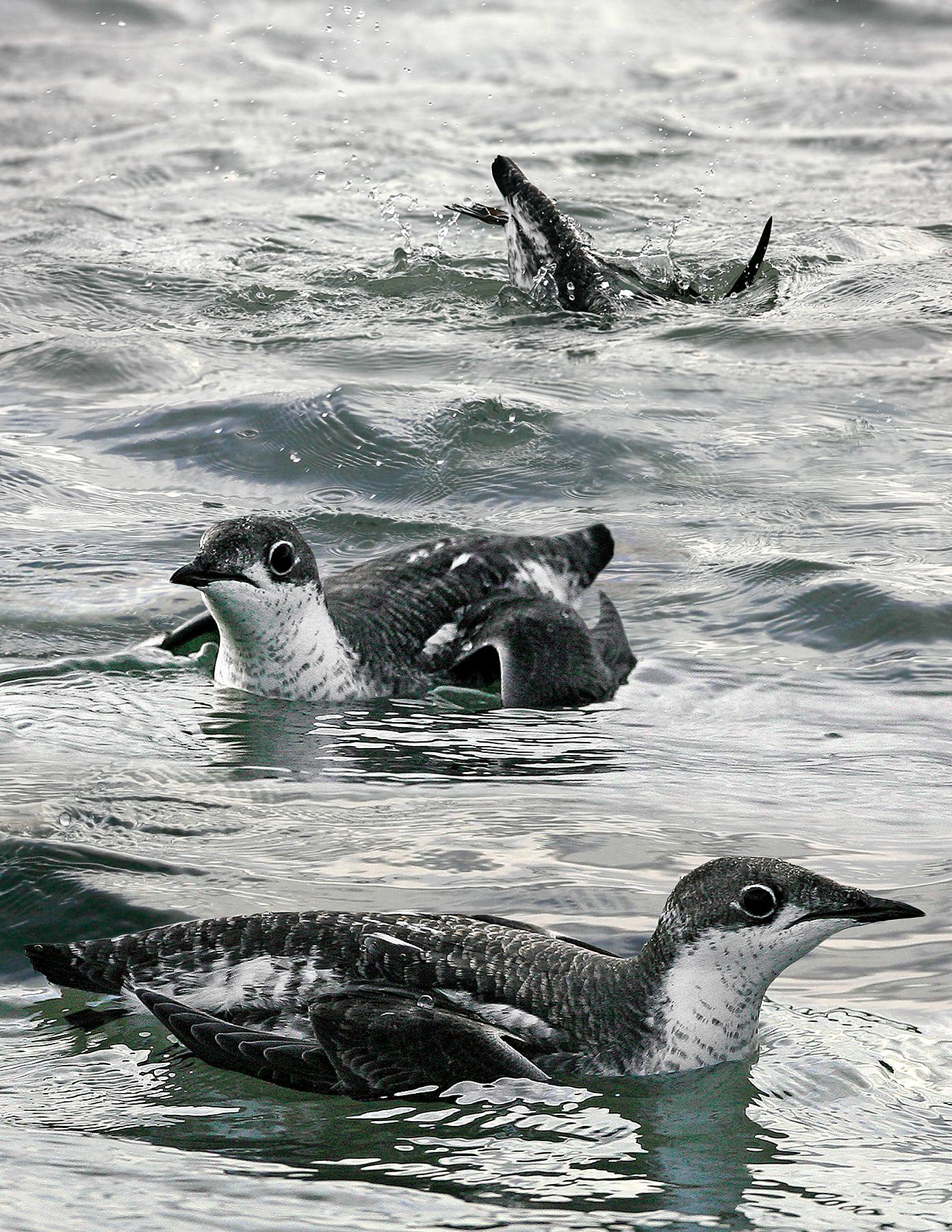
Photo by Richard Crossley (CC BY-SA 3.0, via Wikimedia Commons)
The Long-Billed Murrelet, a member of the Alcidae family, is easily recognized by its unusually elongated bill and penguin-like appearance.
Renowned for its diving prowess, this seabird skillfully captures fish underwater.
Commonly inhabiting coastal areas, the Long-Billed Murrelet's distinct characteristics and behaviors make it a fascinating subject for observation in its natural aquatic environments.
Ancient Murrelet
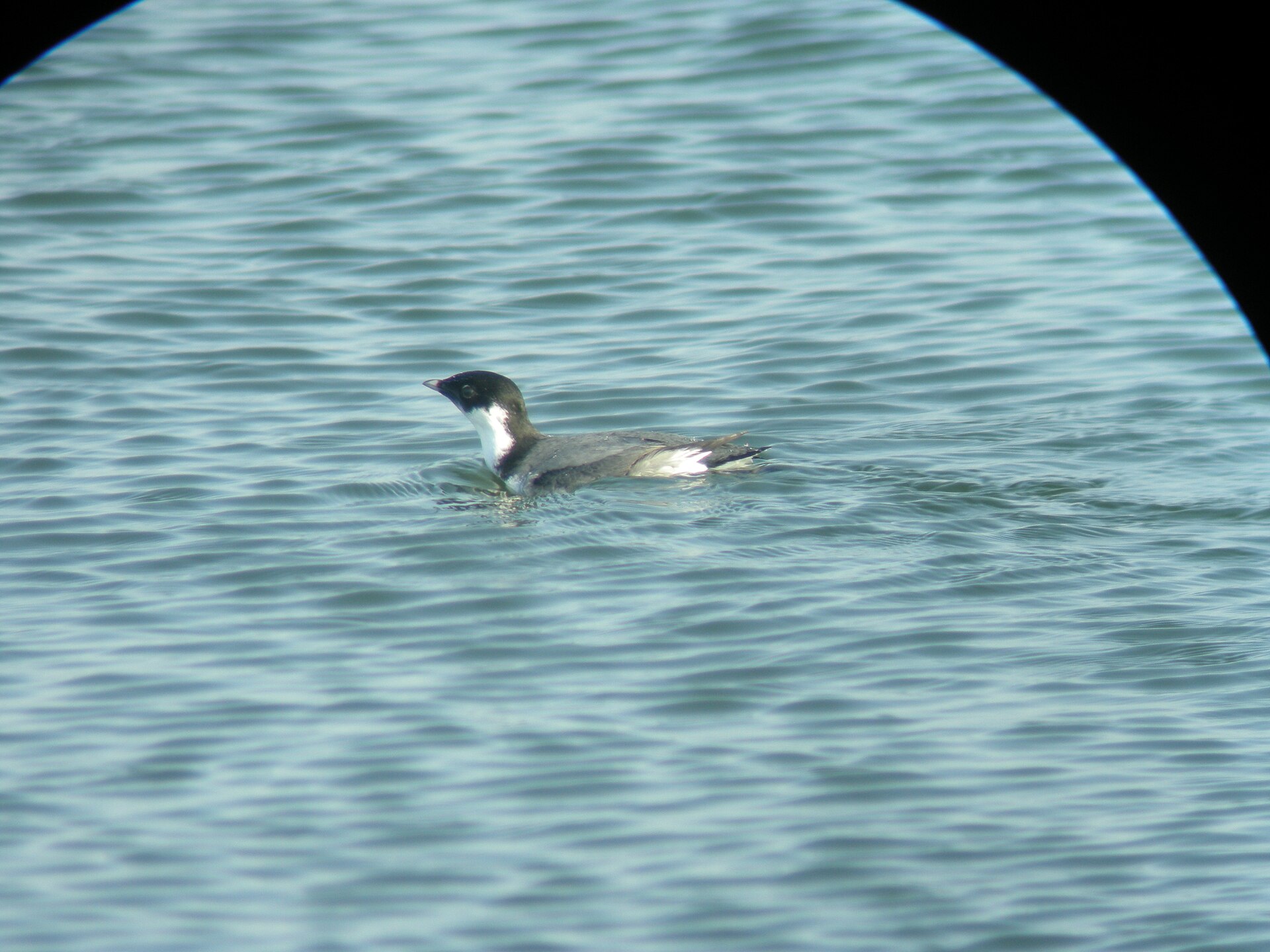
Photo by Caleb Putnam (CC BY 2.0, via Wikimedia Commons)
Ancient Murrelets, members of the Alcidae family, are distinguished by their black and white plumage and a striking white patch behind the eye. These seabirds exhibit unique breeding behaviors, forming monogamous pairs and sharing parental duties.
They primarily feed on small fish and invertebrates, diving with wing-propelled agility. Found in coastal regions during breeding, they are adept swimmers and fliers.
New World Vultures
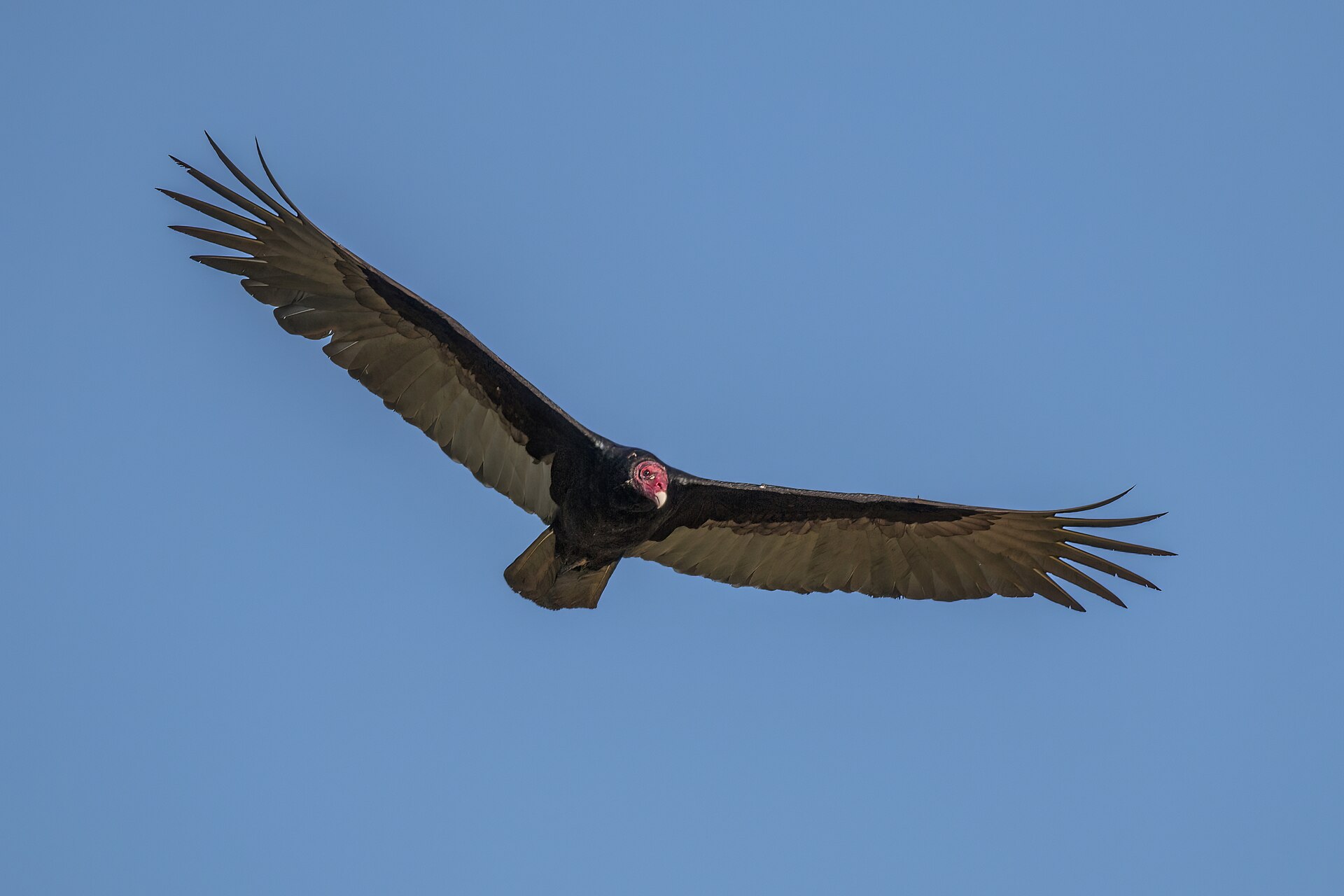
Photo by Charles J. Sharp (CC BY-SA 4.0, via Wikimedia Commons)
New World vultures, belonging to the family Cathartidae, are crucial scavengers equipped with a highly developed sense of smell. Species like the Turkey Vulture and Black Vulture inhabit North and South America.
They perform essential ecological roles by consuming carcasses, thereby preventing disease spread. Their featherless heads, powerful beaks, and specialized digestive systems enable them to safely process decaying meat, underscoring their importance in nature conservation.
Ospreys
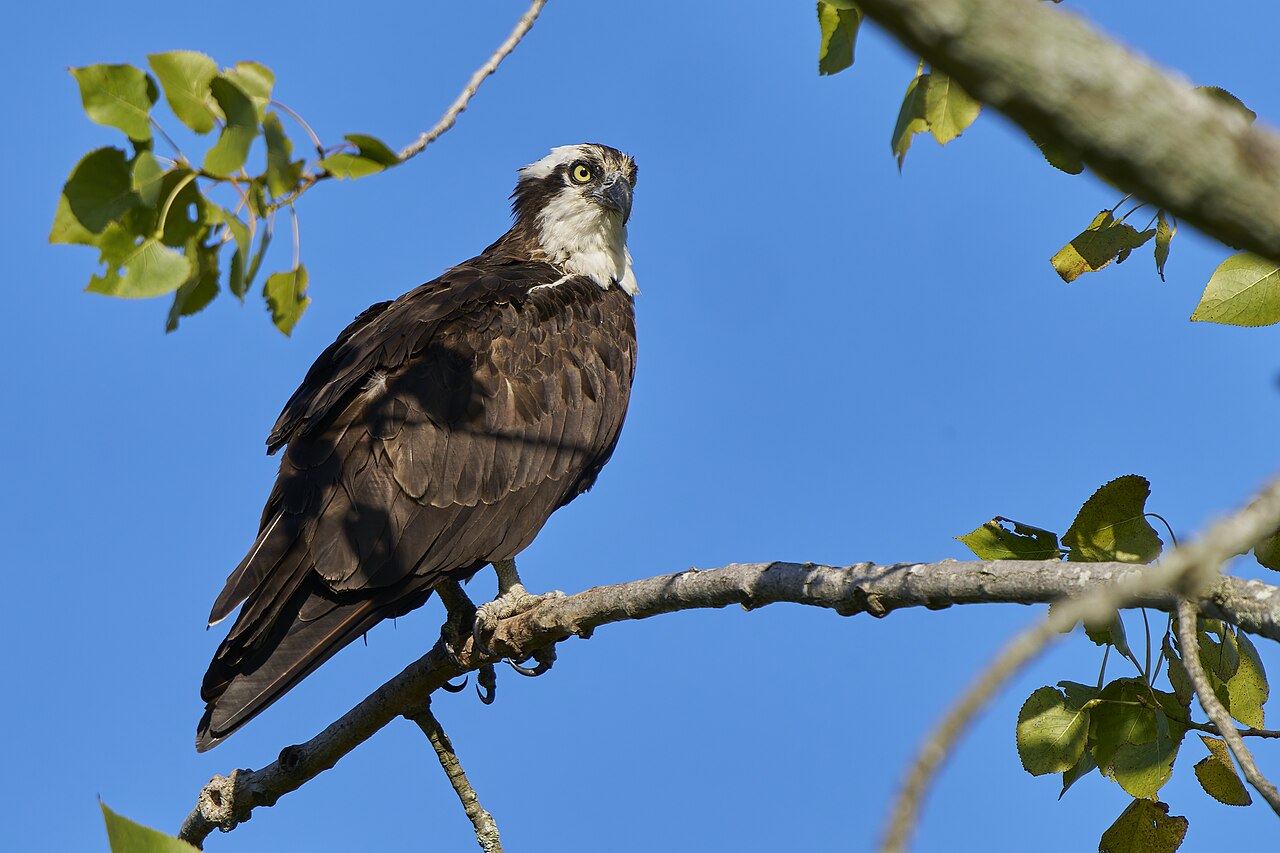
While New World vultures dominate the skies by scavenging, Ospreys excel in hunting, primarily feeding on fish in diverse aquatic environments. These large raptors, with a wingspan of about 5.9 feet, display unique fishing prowess.
They hover over water, dive feet first to snatch fish, and expertly grip their catch with reversible outer toes, facilitating transportation back to their nests near freshwater habitats.
Hawks and Eagles
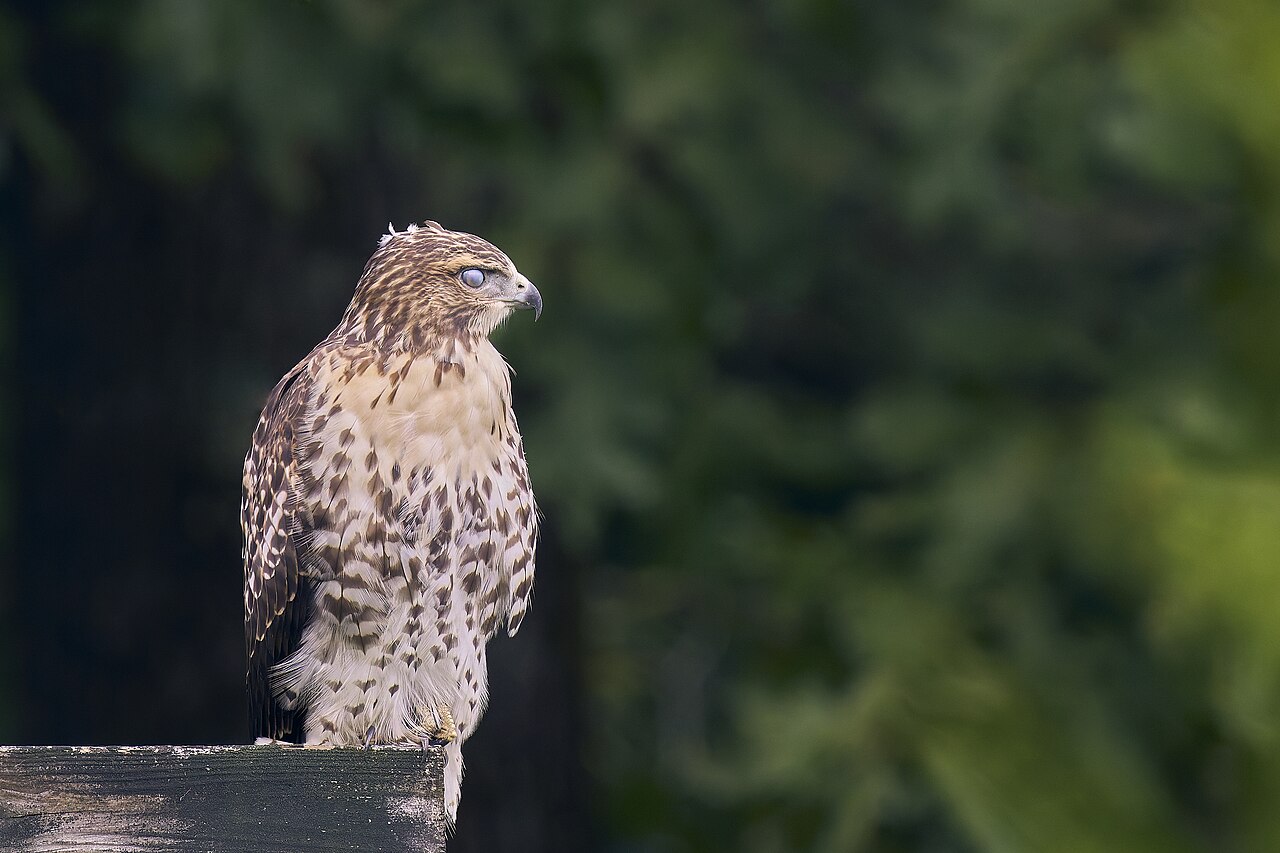
Hawks and eagles, masters of the skies, are distinguished by their powerful hooked beaks and exceptional eyesight, essential tools for their predatory lifestyle.
In Edmonton, the majestic Bald Eagle thrives near rivers and lakes, recognizable by its striking white head and tail.
Meanwhile, Swainson's Hawks, with their unique white bibs, are commonly seen in central Alberta, contributing to the local biodiversity.
Kites

Photo by Jakub Hałun (CC BY-SA 4.0, via Wikimedia Commons)
Kites, elegant and agile birds of prey, are recognized for their distinctive forked tails and impressive aerial maneuvers. Part of the Accipitridae family, they possess long, narrow wings which facilitate their hunting acrobatics.
Kites are versatile feeders, preying on small mammals, birds, insects, and carrion, playing an essential role in controlling rodent populations and sustaining ecosystem balance.
What Types of Birds Can Be Found in Both Edmonton and Calgary?
In both Edmonton and Calgary, a diverse range of bird species can be found. Common birds in the region include the mallard duck, northern flicker, and black-capped chickadee. If you’re interested in learning more about the types of birds in Calgary with pictures, there are numerous resources available online for bird enthusiasts.
Shorebirds of Edmonton
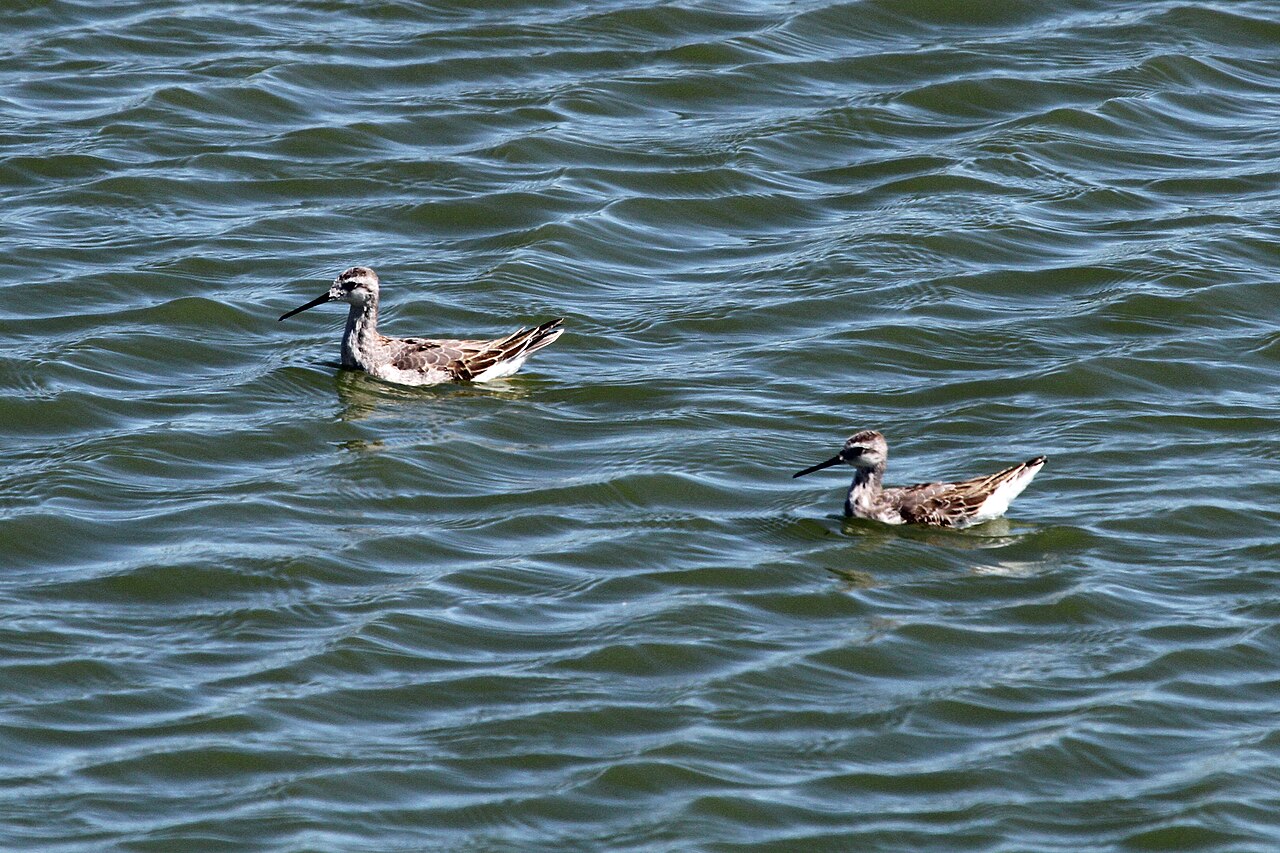
Many shorebirds, such as the Black-necked Stilt and the American Avocet, grace the wetlands of Edmonton with their presence.
These birds, part of the Charadriiformes order, are noted for their long legs and unique beaks.
The Black-necked Stilt showcases striking plumage and slender wading legs, while the American Avocet features an upturned bill, ideal for feeding in shallow waters, enhancing Edmonton's birdwatching appeal.
Photography credits — every photo on this page is a real, licensed photograph, not an AI rendering. The images replaced in this update are credited to their photographers:
- Pair of Barrow’s goldeneyes on a marsh pond — Yellowstone National Park / Public domain (source)
- Osprey perched above the water — Paul Danese / CC BY-SA 4.0 (source)
- Red-tailed hawk perched on a post — Paul Danese / CC BY-SA 4.0 (source)
- Wilson’s phalaropes swimming on a prairie wetland — Greg Schechter from San Francisco, USA / CC BY 2.0 (source)
