
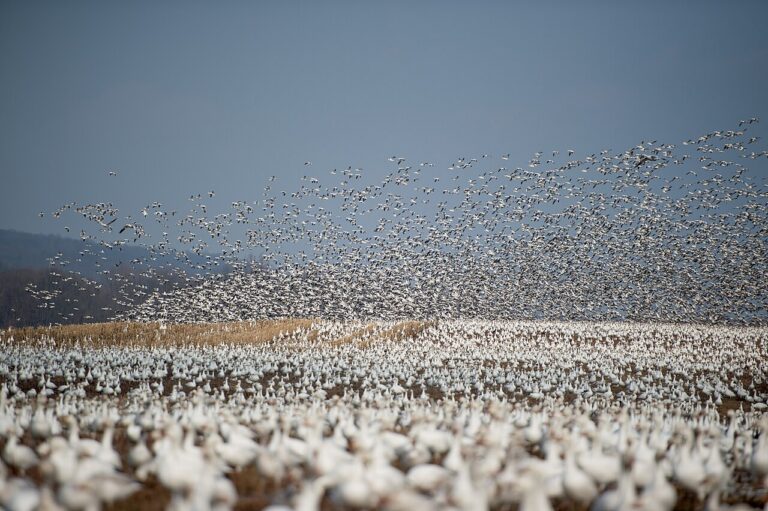
Wild birds reward a closer look because each species solves flight, feeding, courtship, and survival in a different way. This updated guide walks through 15 memorable wild birds, from peacocks and lyrebirds to falcons and albatrosses, with sharper identification notes and refreshed photographic images. Use it as a quick field-friendly overview of the features, habitats, and behaviors that make each bird stand out.
Peacock: Nature’s Aristocrat
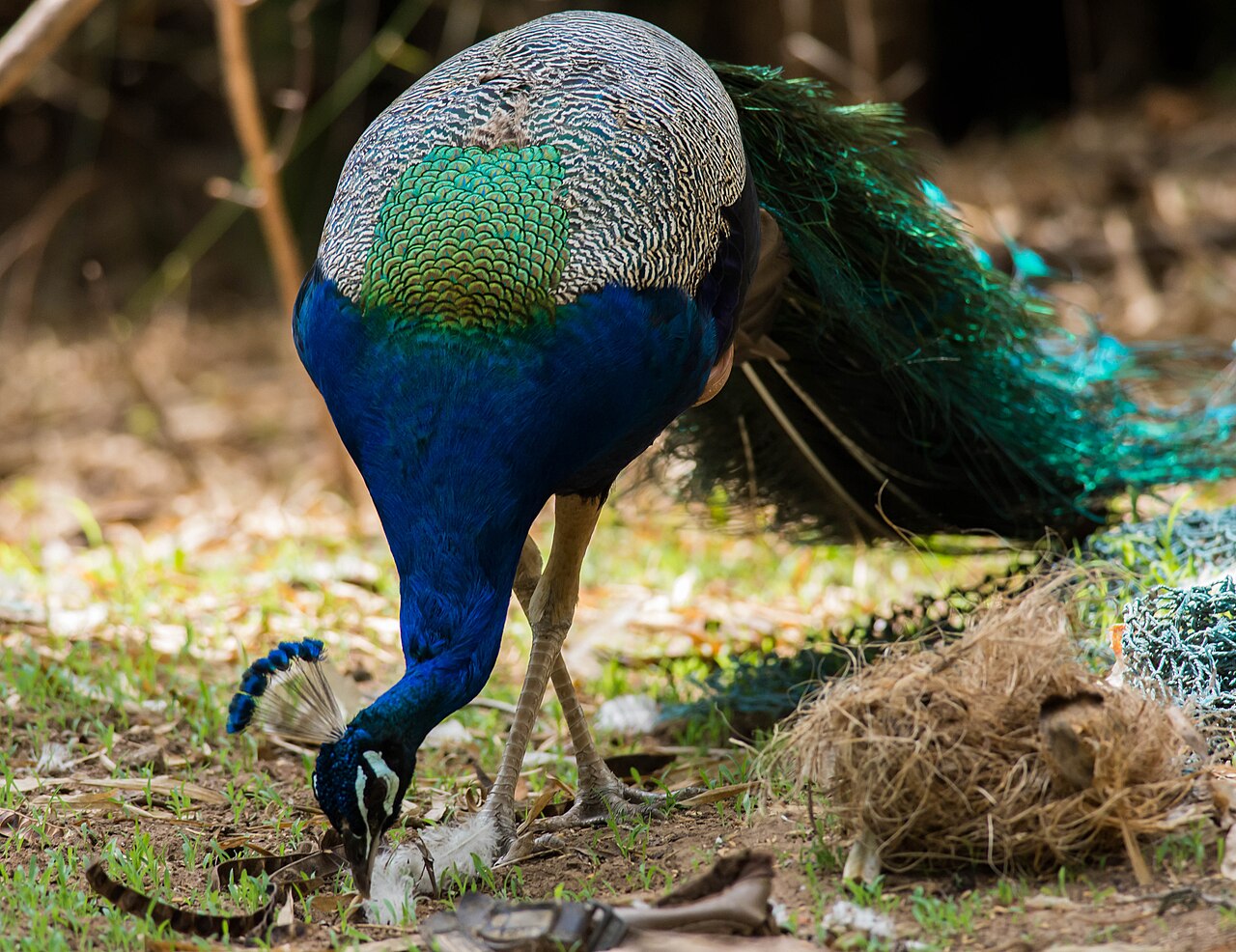
Peacocks are best known for the male’s iridescent train, which opens into a fan during courtship. The display is not just decorative: the number and condition of the eye-spots can signal health, age, and fitness to nearby peahens.
In the wild, peafowl spend much of the day foraging on the ground for seeds, insects, shoots, and small animals, then roost in trees at night for safety.
Lyrebird: The Mimic Maestro
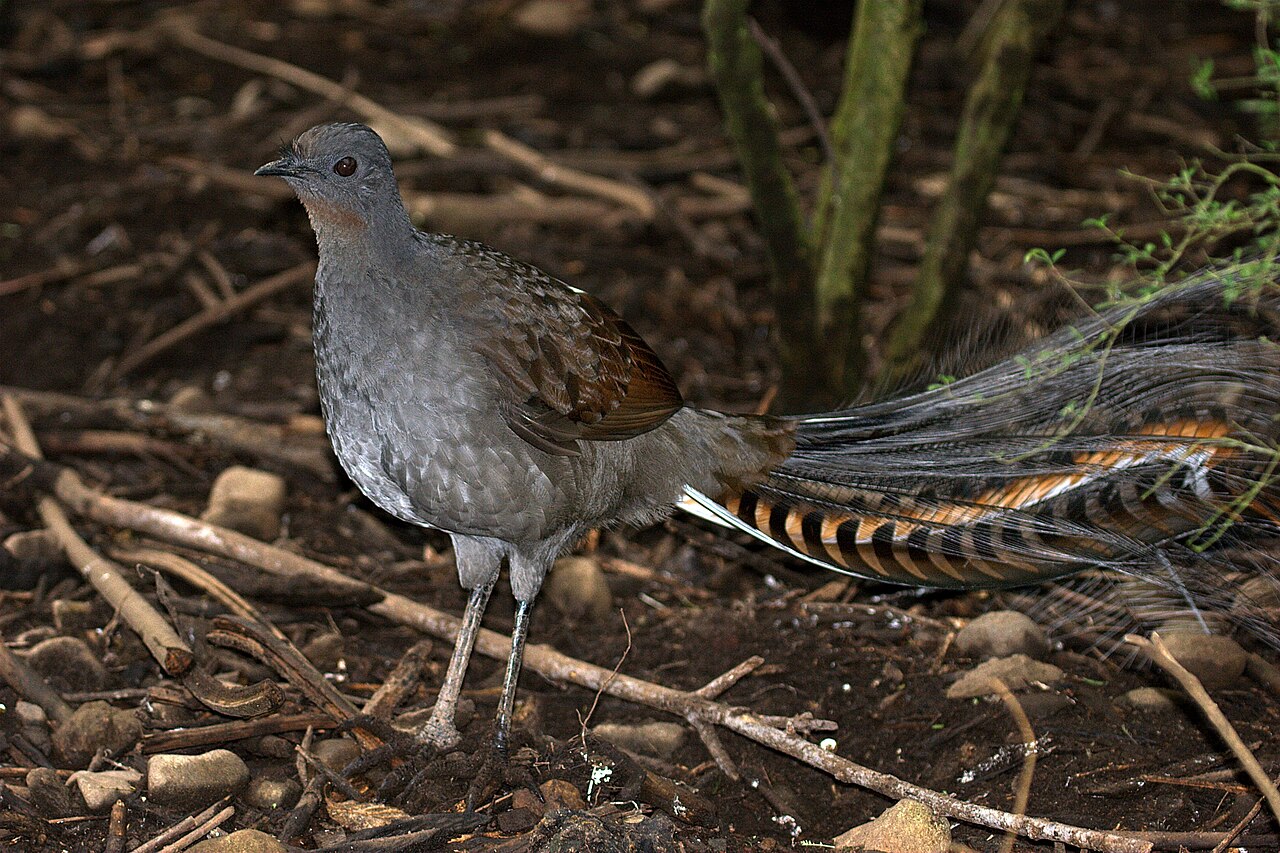
Lyrebirds are famous for copying other birds, forest sounds, and even human-made noises with striking accuracy. Their powerful syrinx lets them layer complex calls into long performances.
Native to Australian forests, male lyrebirds also sweep clear display courts and raise their ornate tails over their backs while calling to attract mates.
Superb lyrebirds are best known for their mimicry. See the Cornell Lab’s lyrebird guide for recordings and identification notes.
Birds of Paradise: Tropical Splendor
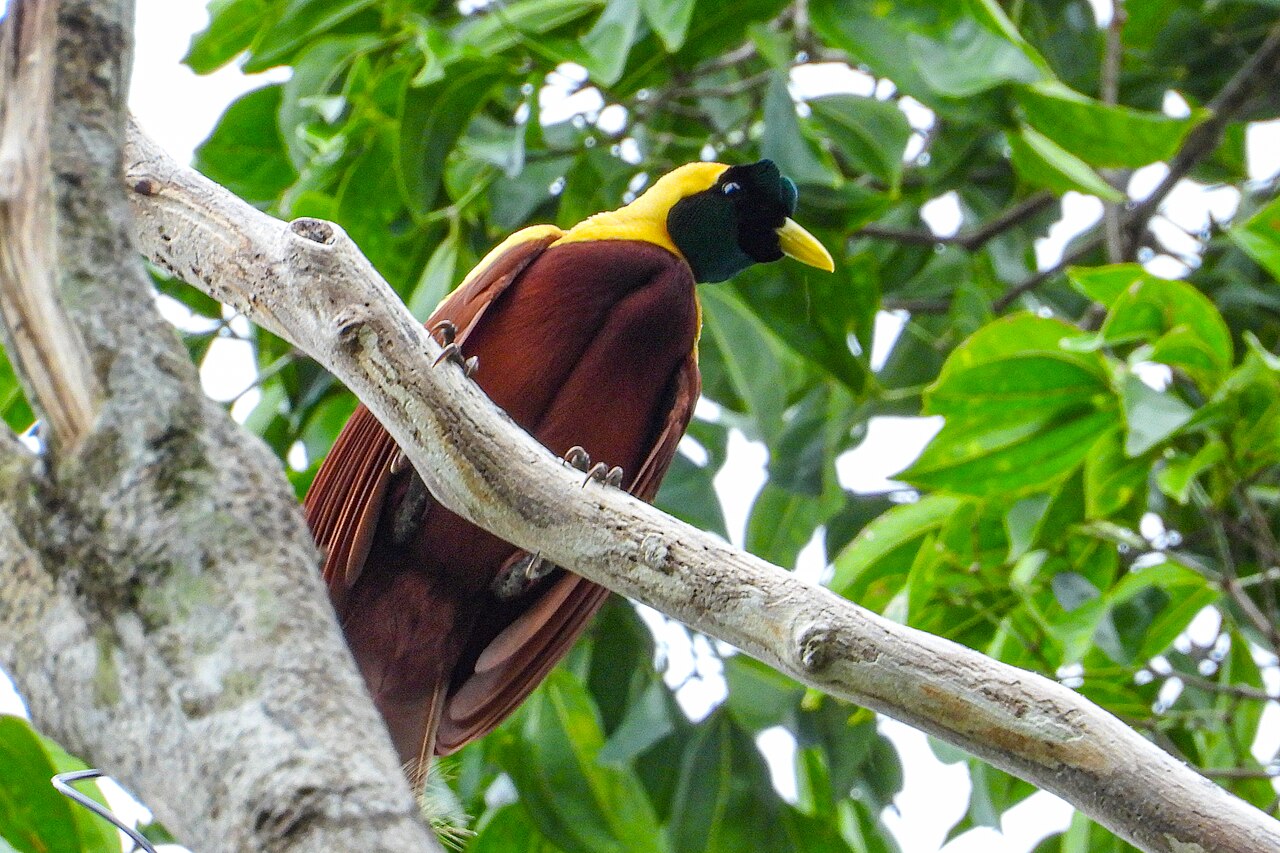
Birds of paradise are icons of New Guinea and nearby islands, where males evolved vivid plumage, ornamental plumes, and precise dances to compete for attention.
Their courtship routines can include wing snaps, upside-down poses, and carefully maintained display perches, making them some of the most specialized performers in the bird world.
Quetzal: Jewel of the Forest
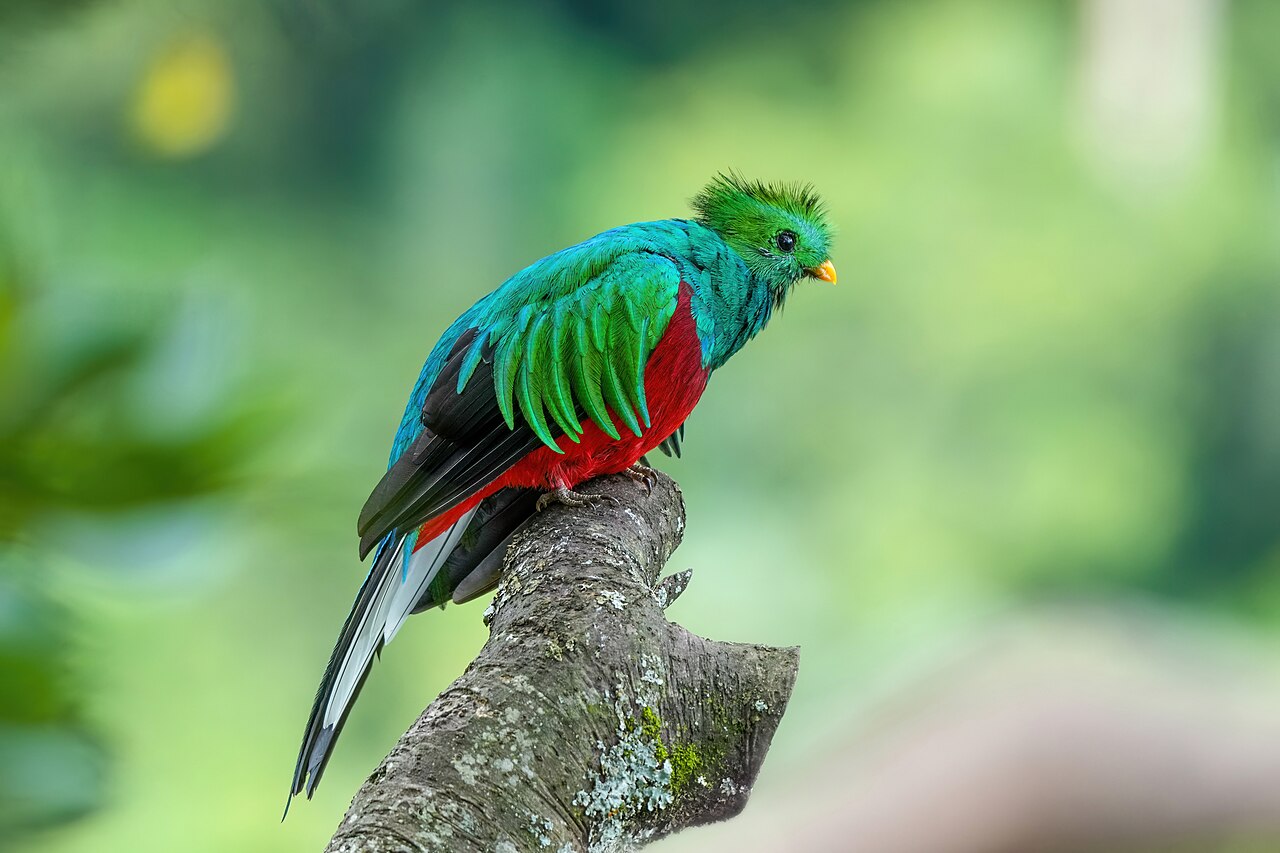
The resplendent quetzal is tied to Central American cloud forests, where its green body, red breast, and flowing tail streamers make it instantly recognizable.
Quetzals feed heavily on wild avocados and other fruits, then help forests regenerate by dispersing seeds through the canopy.
Paradise Whydah: Dramatic Tails
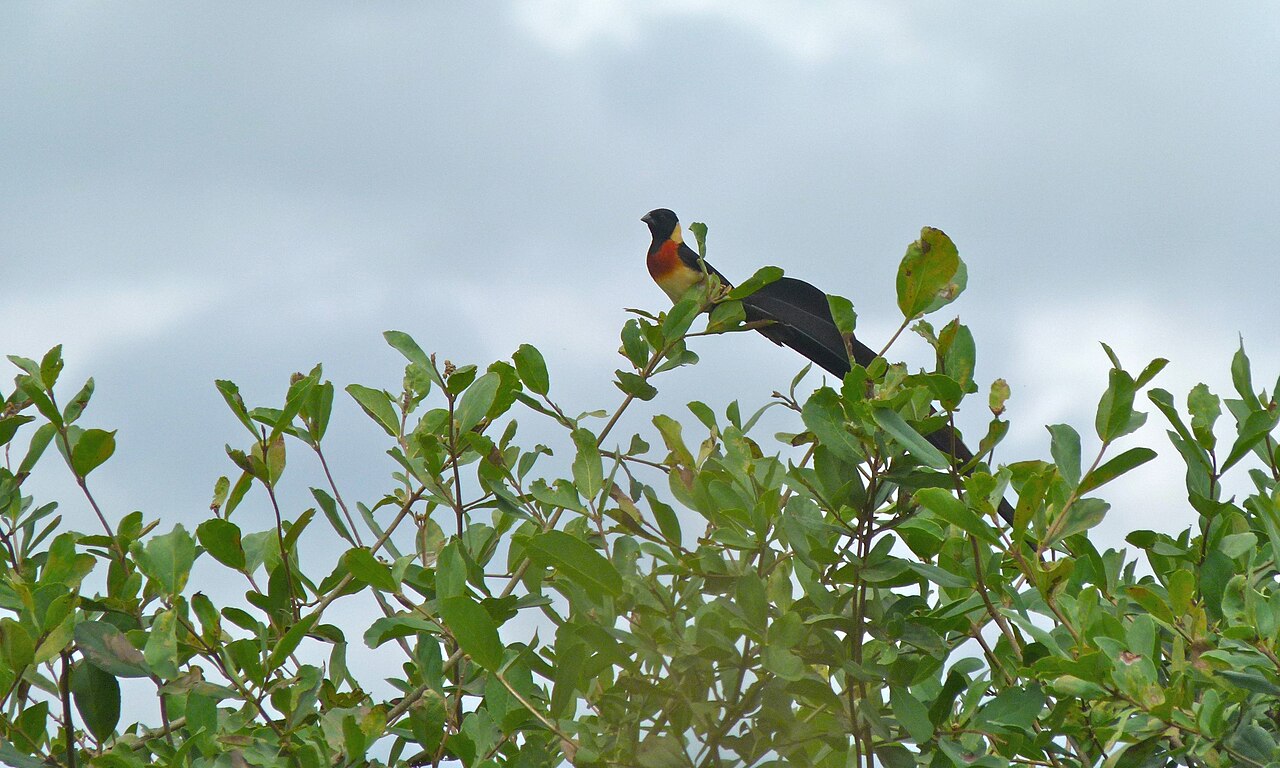
Male paradise whydahs grow unusually long black tail feathers during the breeding season, turning courtship flights into a visual display.
These birds are brood parasites, laying eggs in the nests of certain finches. Their young often resemble the host chicks closely enough to be raised alongside them.
Bald Eagle: America’s Icon
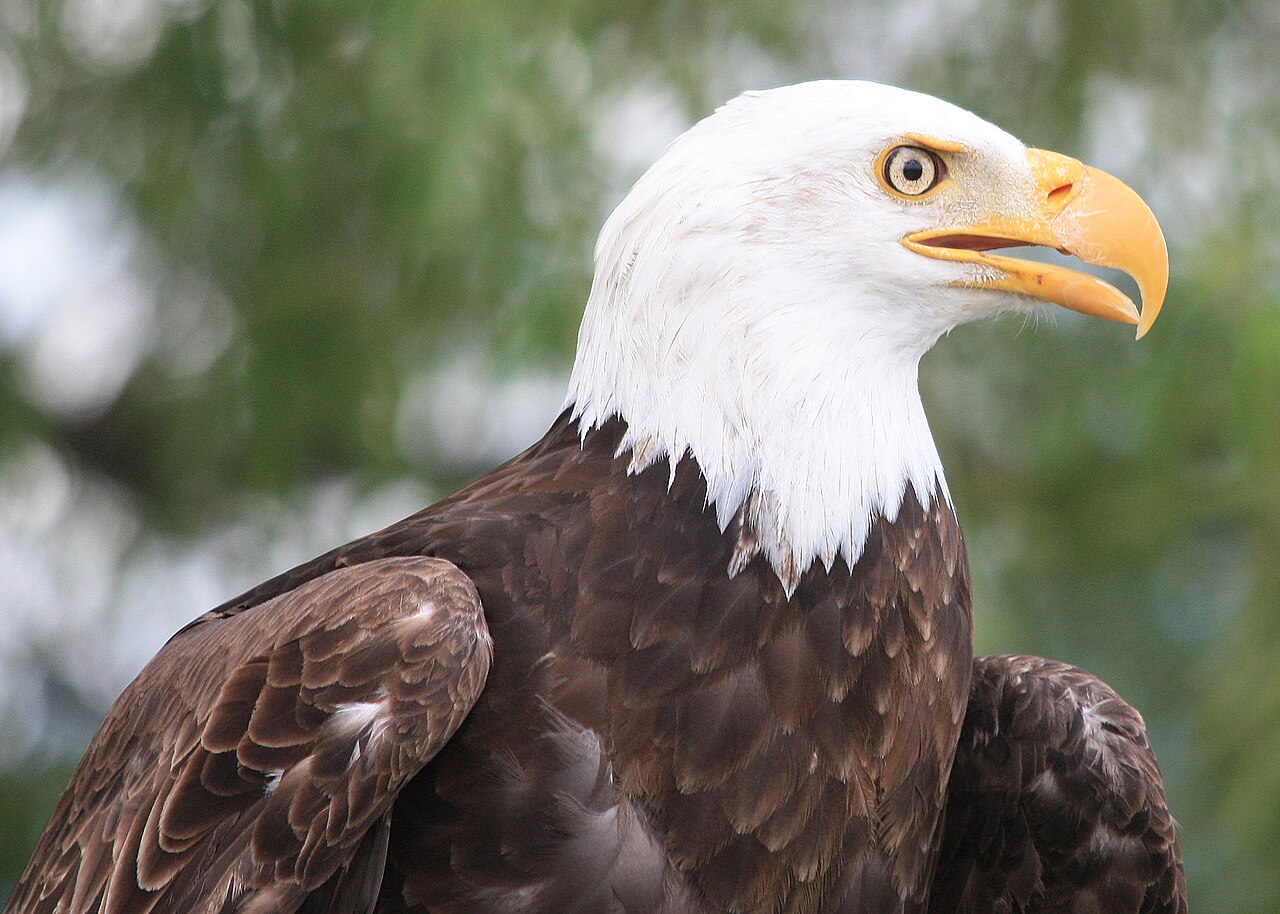
The bald eagle is a powerful fish-eating raptor recognized by its white head and tail, dark body, yellow bill, and broad wings.
Once severely reduced by persecution and pesticide exposure, bald eagle populations recovered after legal protection and the DDT ban, making the species a major conservation success story.
Hummingbird: Tiny Aerial Dancer
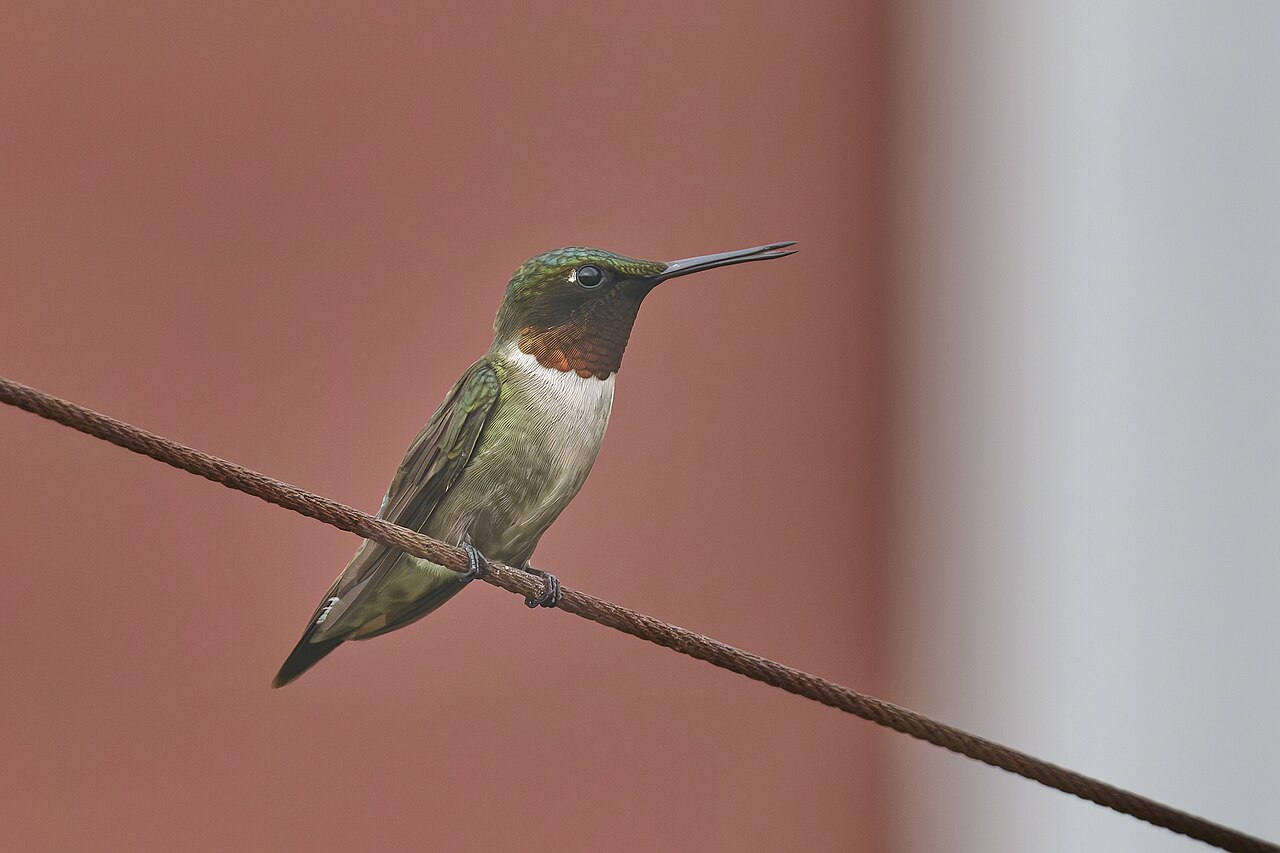
Hummingbirds are small but intensely energetic, beating their wings fast enough to hover, reverse, and dart between flowers with unusual precision.
They drink nectar for quick energy and also catch tiny insects for protein. Many species defend flower patches fiercely despite their size.
Snowy Owl: Arctic Ghost
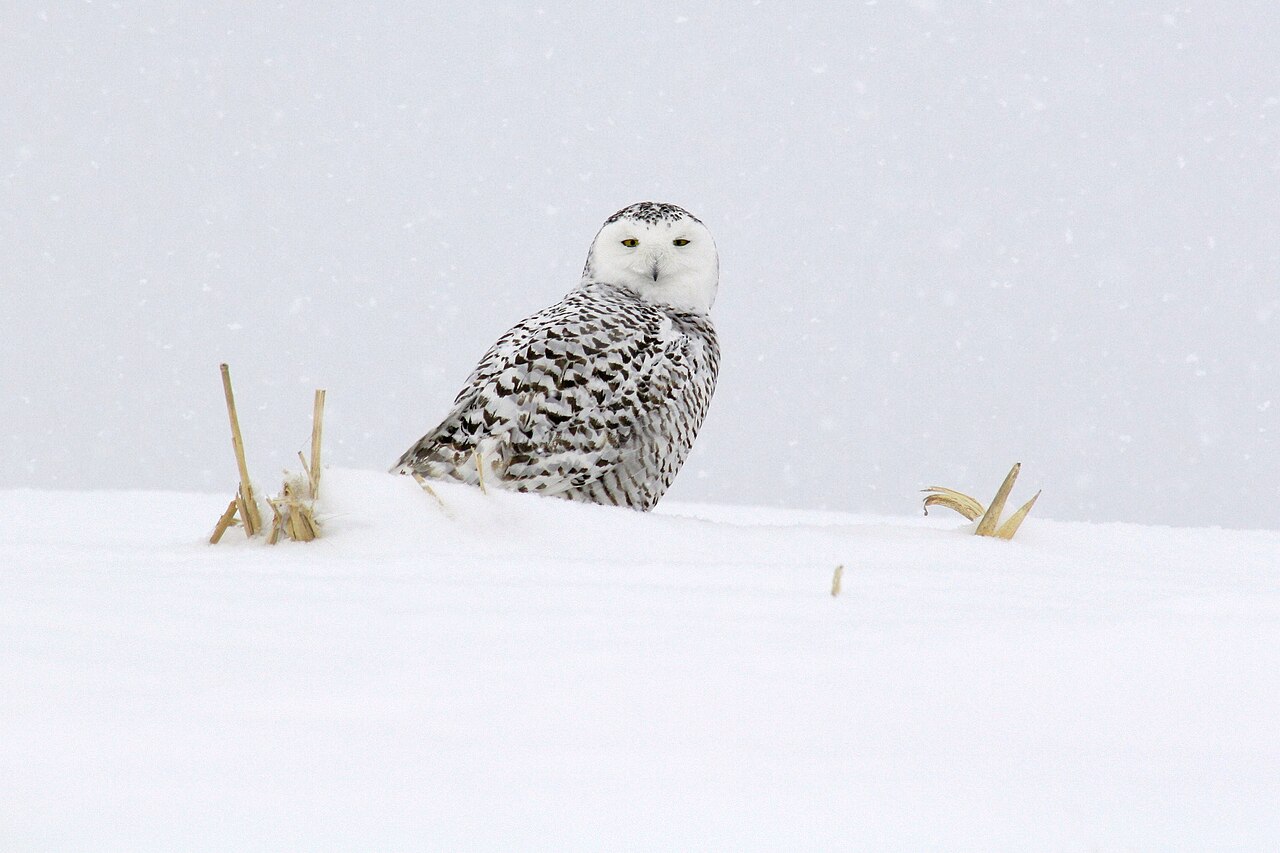
Snowy owls are large, pale raptors built for open Arctic tundra. Their white plumage provides camouflage, while dense feathering helps them handle severe cold.
They hunt mostly lemmings and other small mammals, but they can also take birds and fish when conditions demand it.
Flamingo: Pink Elegance
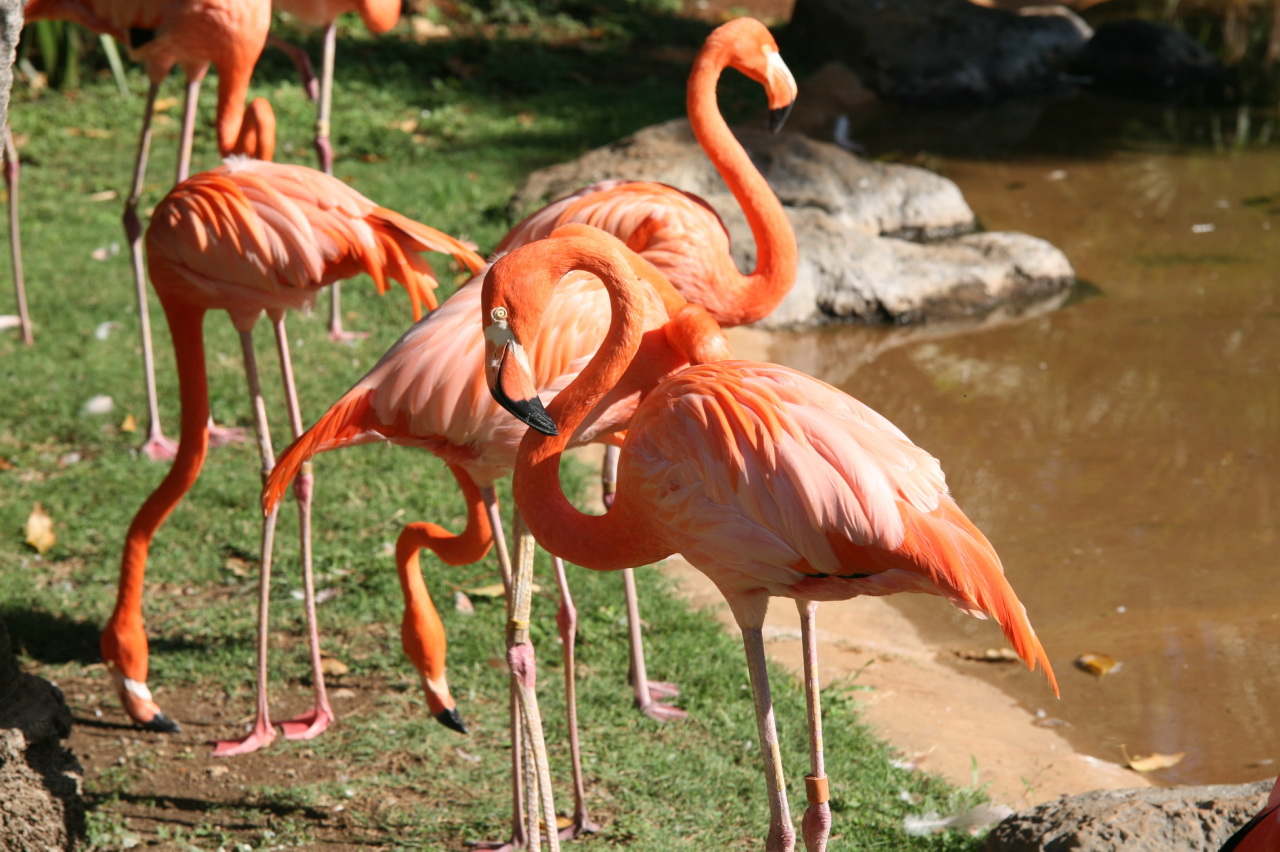
Flamingos get their pink color from carotenoid pigments in algae and tiny crustaceans. Their specialized bills filter food from shallow water while the birds feed with their heads upside down.
Large flocks help flamingos locate feeding areas, synchronize breeding, and protect nesting colonies on open mudflats and saline lakes.
Kingfisher: Vibrant Fisher
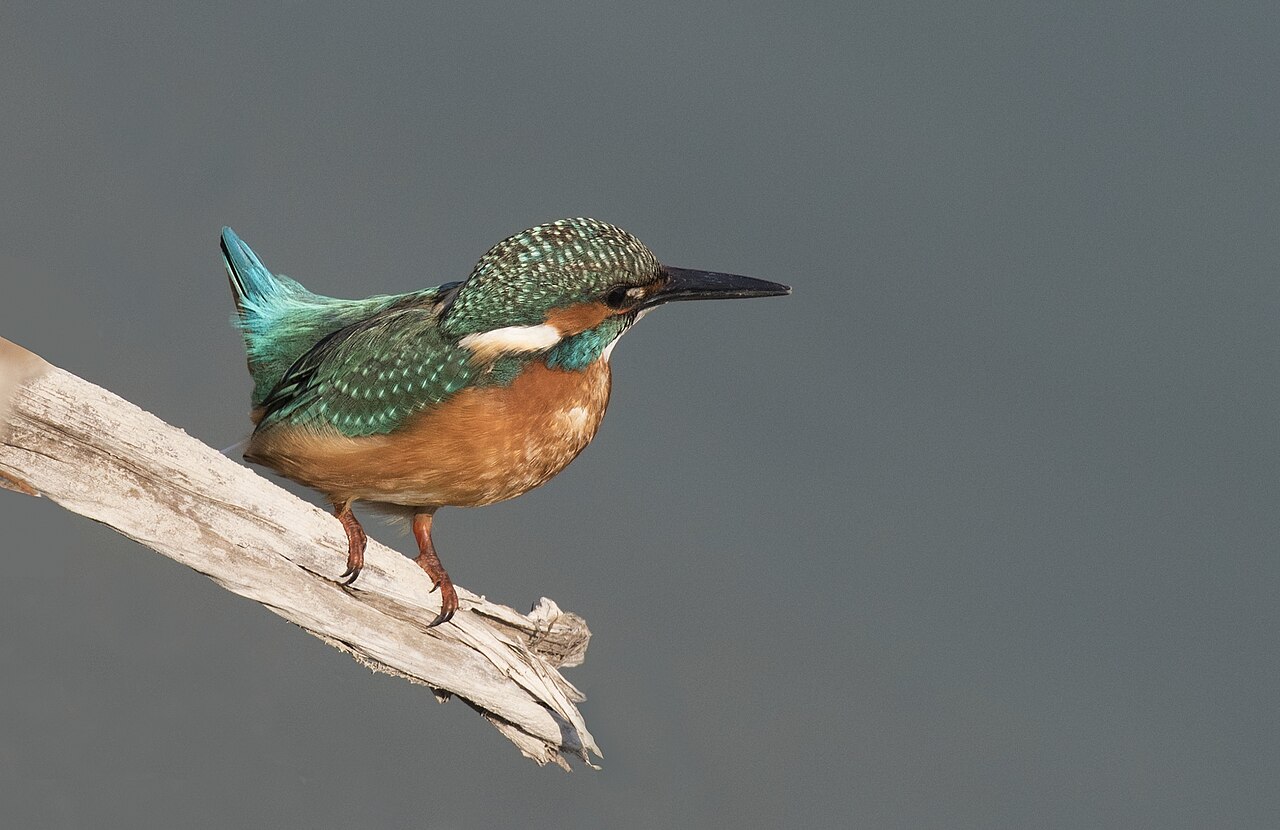
Kingfishers combine compact bodies, strong bills, and sharp eyesight. Many species watch from perches, then dive quickly to catch fish, aquatic insects, or small amphibians.
Their brilliant blues and oranges often come from feather structure rather than pigment, reflecting light in a way that makes the colors look especially vivid.
Albatross: Oceanic Voyager
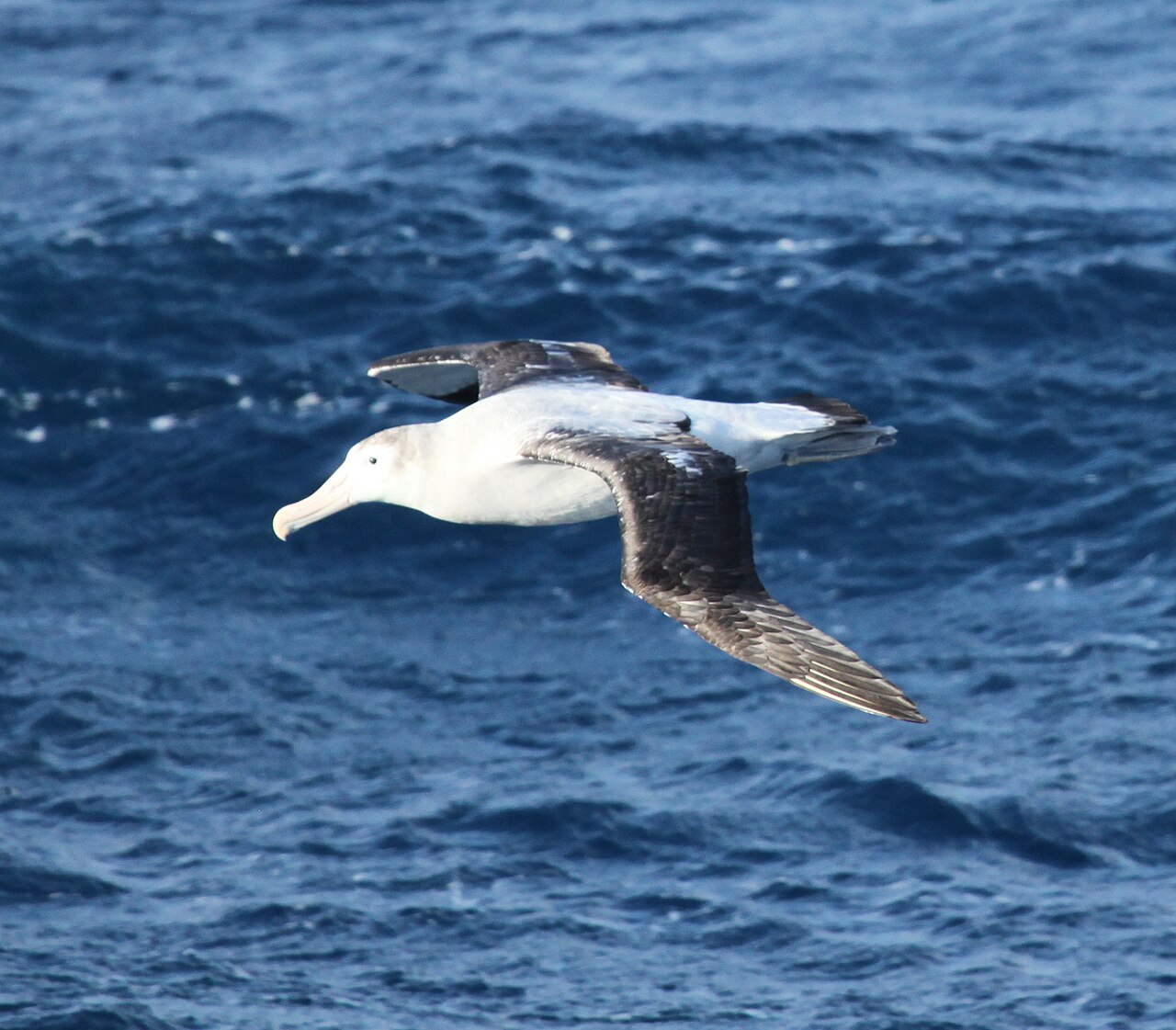
Albatrosses are masters of dynamic soaring, using wind over waves to travel enormous distances with minimal wingbeats.
Their long lives and slow breeding make them vulnerable to threats such as longline fishing bycatch, plastic ingestion, and changing ocean food webs.
Wandering albatrosses cover enormous distances on stiff, near-motionless wings. The Cornell Lab albatross pages cover the species that reach North American waters.
Macaw: Rainbow of the Jungle
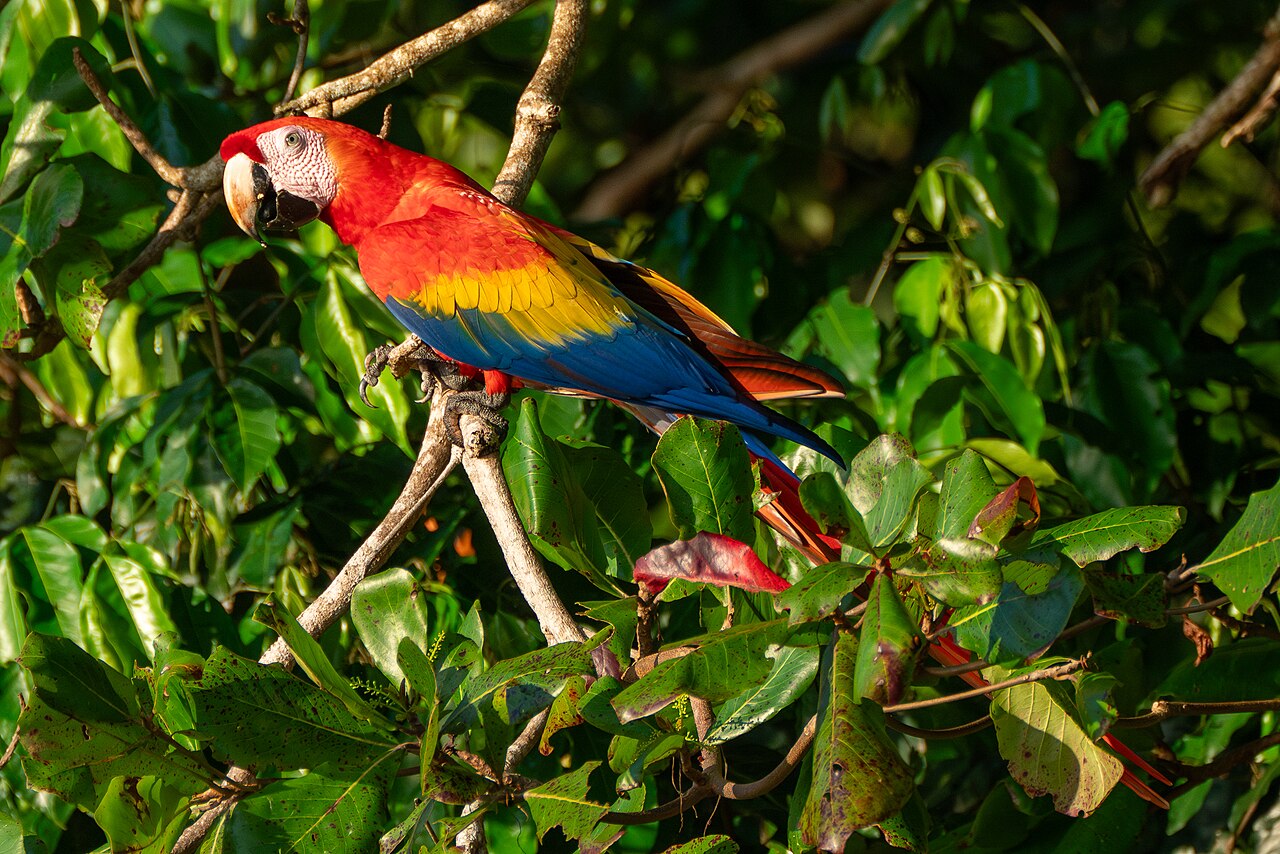
Macaws are large parrots with strong bills, long tails, and vivid plumage. Scarlet macaws are especially recognizable for their red, yellow, and blue feathers.
They are social, intelligent birds that use loud calls to stay in contact while moving through forest canopies in pairs or small groups.
Penguin: Charming Waddlers
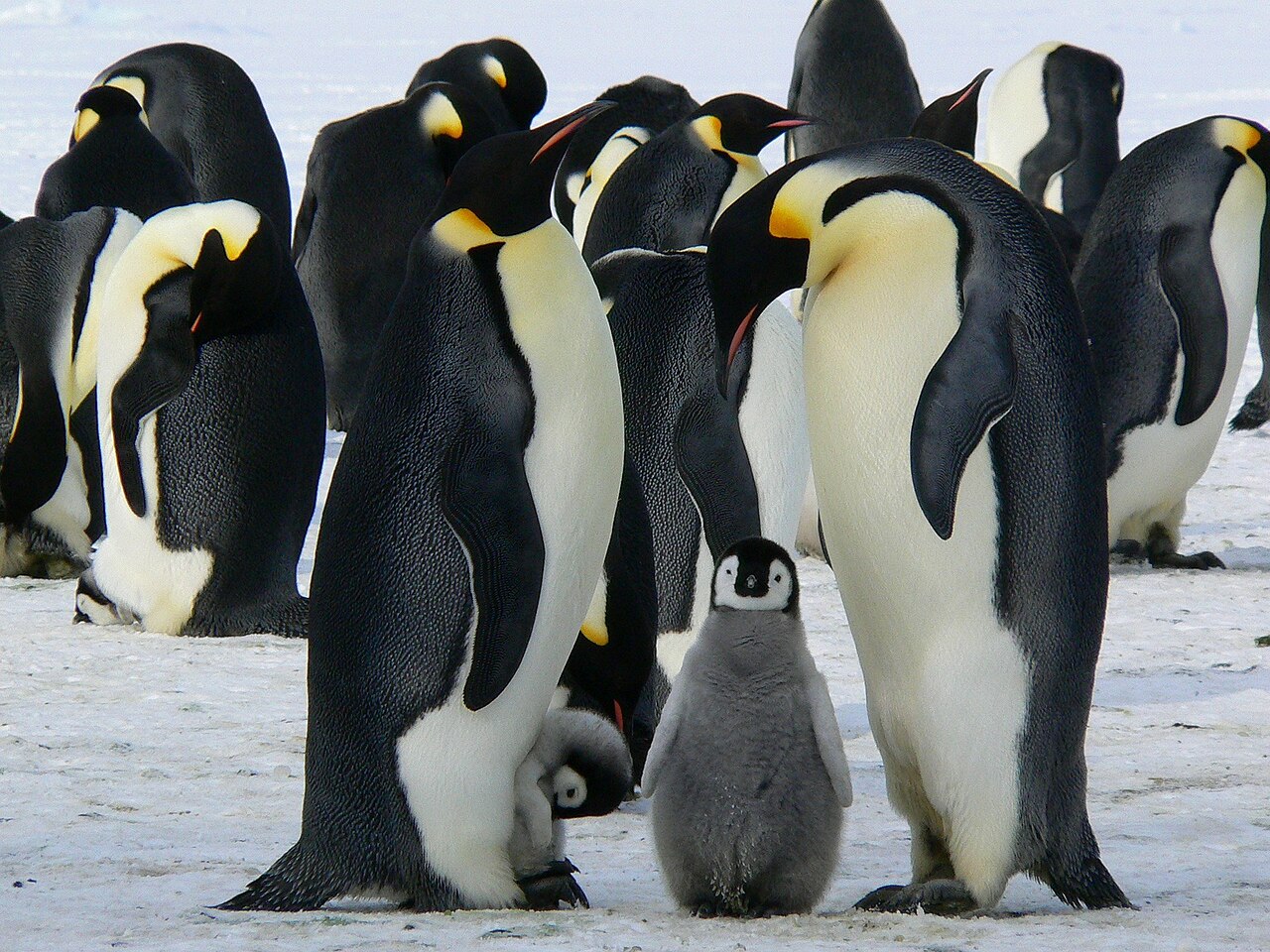
Penguins traded flight for powerful swimming. Their flipper-like wings, dense bones, and streamlined bodies help them chase fish, squid, and krill underwater.
Although many people associate them with Antarctica, penguins also live in temperate and even tropical regions, including southern Africa, South America, Australia, and the Galapagos Islands.
Crane: Graceful Long-Legs
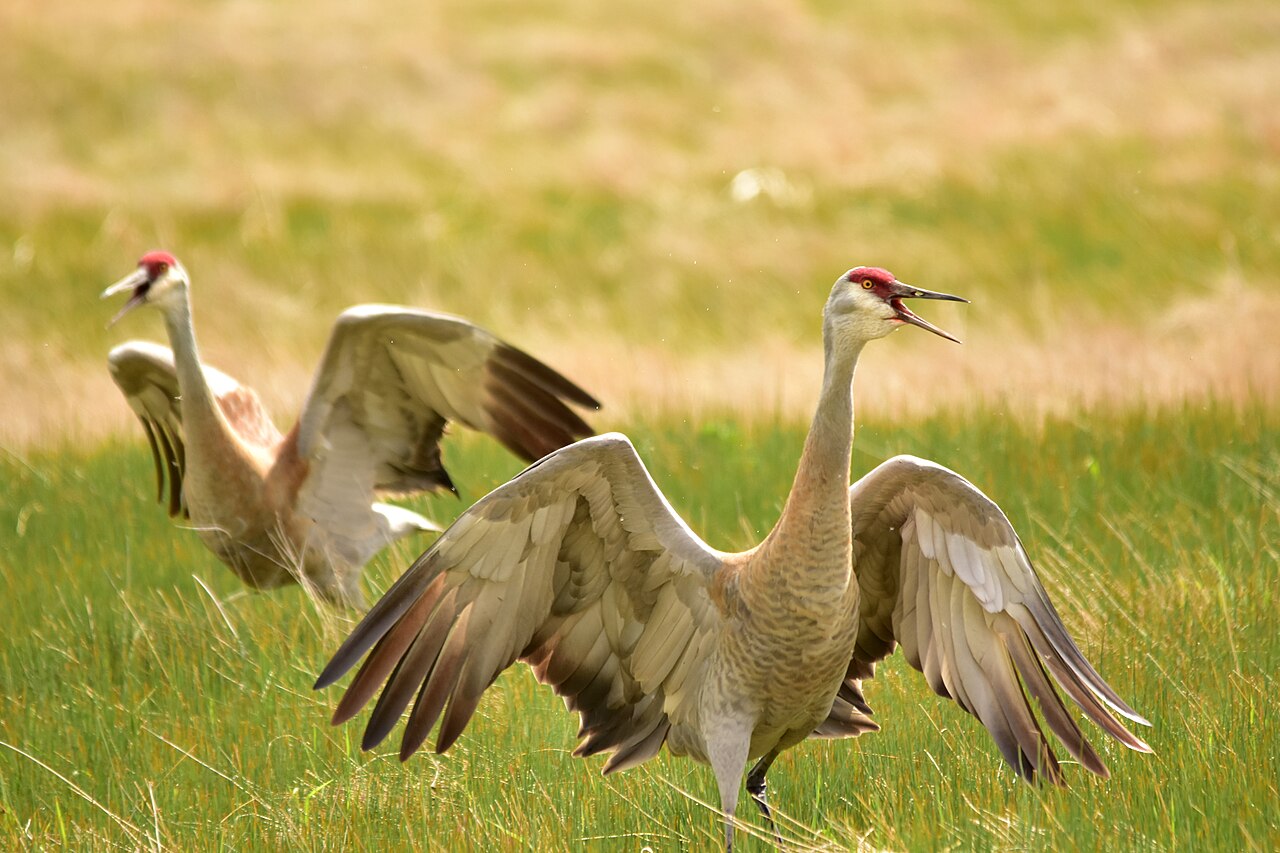
Cranes are tall wetland birds with long legs, long necks, and resonant calls that can carry across open landscapes.
Many crane species perform synchronized dances that include bowing, jumping, wing spreading, and tossing vegetation, strengthening pair bonds before nesting.
Sandhill and whooping cranes are the two species North American birders can see. The Cornell Lab crane guide covers both.
What Are the Differences Between Wild Birds and Desert Birds?
Wild birds live across forests, wetlands, grasslands, coasts, mountains, cities, and deserts. Desert specialists are a smaller subset adapted to heat, scarce water, and sparse cover. Compared with many forest birds, desert birds often conserve water more efficiently, forage at cooler times of day, and nest where shade or burrow-like protection is available. For more examples, see this guide to types of desert birds with pictures.
Peregrines are the fastest birds in the world in a stoop. The Cornell Lab falcon pages cover all the North American falcons.
Falcon: Speedy Predator
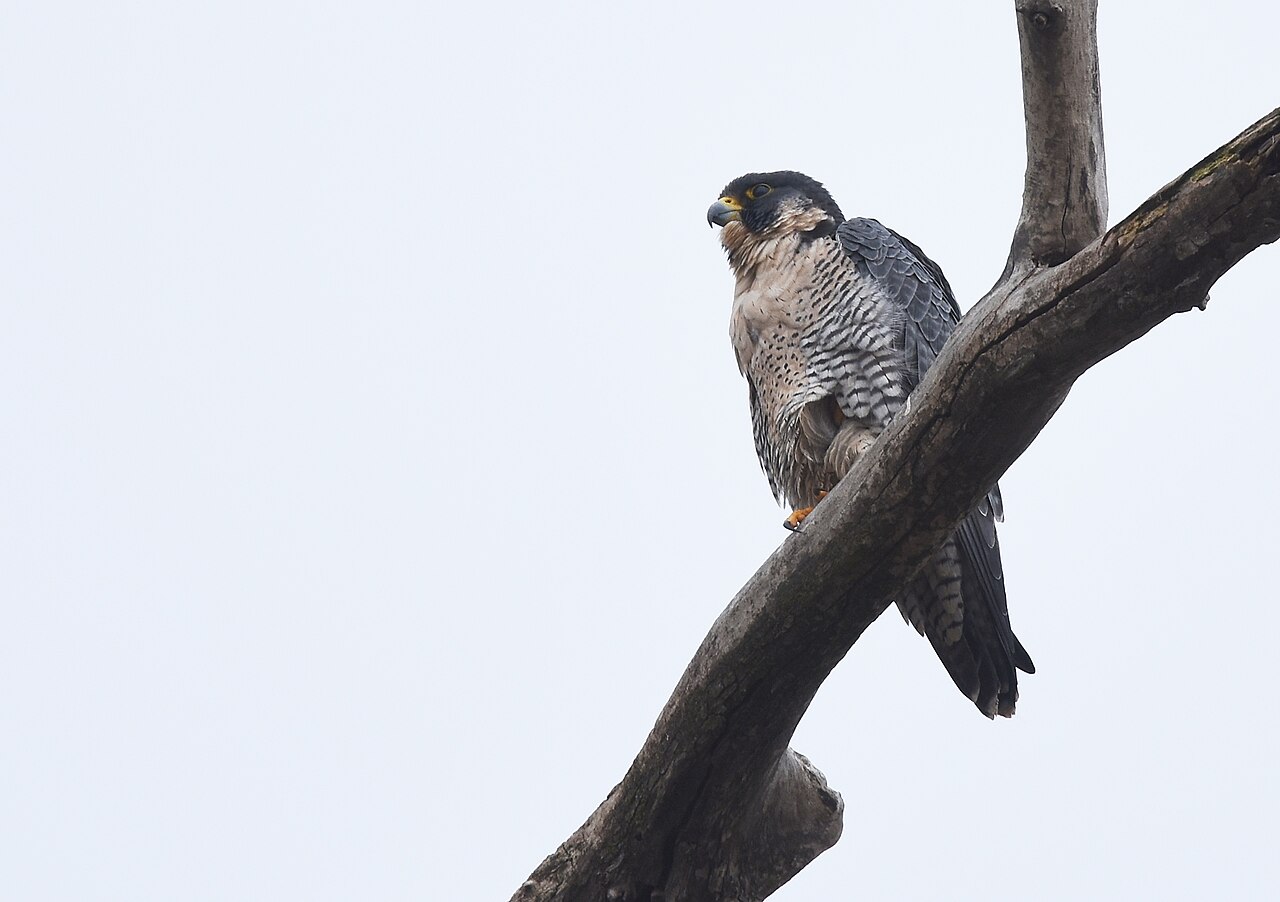
Falcons are streamlined hunters with pointed wings, fast acceleration, and excellent vision. Peregrine falcons are especially famous for high-speed stoops that can exceed 200 miles per hour.
A falcon’s notched bill helps dispatch prey quickly, while its agile flight lets it pursue birds and other animals in open air with precision.
Photography credits — every photo on this page is a real, licensed photograph from Wikimedia Commons, credited to its photographer:
- Indian Peacock or peacock — Yugendra18 / CC BY-SA 4.0 (source)
- CSIRO ScienceImage 10356 Superb Lyrebird — John Manger, CSIRO / CC BY 3.0 (source)
- Paradisaea rubra 315676503 — ꦥꦤ꧀ꦗꦶꦒꦸꦱ꧀ꦠꦶꦄꦏ꧀ꦧꦂ / CC BY 4.0 (source)
- 058 Male Resplendent quetzal in Los Quetzales National Park Photo by Giles Laurent — Giles Laurent / CC BY-SA 4.0 (source)
- Long-tailed Paradise-Whydah (Vidua paradisaea) — Bernard DUPONT from FRANCE / CC BY-SA 2.0 (source)
- 2264 bald eagle munsel odfw — Oregon Department of Fish & Wildlife / CC BY-SA 2.0 (source)
- 20240707 ruby throated hummingbird bafflin sanctuary PD204642 20 — Paul Danese / CC BY-SA 4.0 (source)
- Juvenile snowy owl (Bubo scandiacus) sitting on a field in Québec Canada — Marc-Lautenbacher / CC BY-SA 4.0 (source)
- American Flamingo (Phoeniconais ruber ruber) — cliff1066 / CC BY 2.0 (source)
- Alcedo atthis – Common Kingfisher – Yalıçapkını 02 — Zeynel Cebeci / CC BY-SA 4.0 (source)
- Wandering Albatross flying over the South Atlantic — Liam Quinn from Canada / CC BY-SA 2.0 (source)
- Scarlet Macaws at Uvita Beach, Costa Rica 01 — Satdeep Gill / CC BY-SA 4.0 (source)
- Emperor-penguins-ge351f4d60 1920 — MemoryCatcher / CC0 (source)
- Greater sandhill crane on Seedskadee National Wildlife Refuge — USFWS Mountain-Prairie / Public domain (source)
- Peregrine Falcon (1 – perched and called) — Andy Reago & Chrissy McClarren / CC BY 2.0 (source)
- Hero image: Huge Snow Goose Flock (Unsplash) — Ray Hennessy rayhennessy / CC0 (source)
