
Understanding Bird Migration: An Essential Guide for Birders
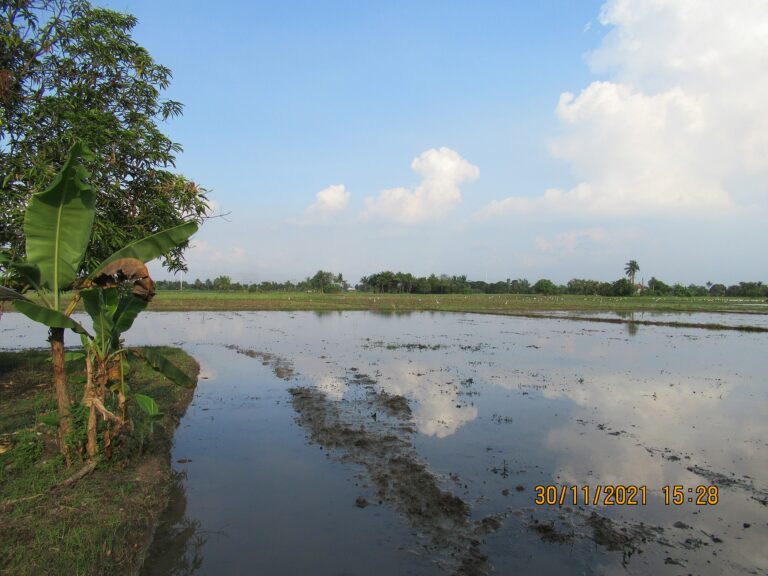
Bird migration stands as one of nature’s most profound and captivating phenomena, involving the seasonal movement of avian species between their breeding and non-breeding (often wintering) grounds. For both seasoned birders and curious beginners, comprehending the ‘why’ and ‘how’ of migration not only deepens appreciation for these creatures but also significantly enhances field identification skills and observation experiences. This comprehensive guide delves into the primary drivers of migration—chiefly food availability, prevailing weather conditions, and critical breeding requirements—while offering practical insights and examples to help you observe these remarkable behaviors in the field.
The Fundamental Drivers: Why Birds Migrate
1. Food Resources and Foraging Opportunities: The Sustenance Imperative
Perhaps the most significant impetus for migration is the relentless pursuit of adequate food. As seasons change, so does the availability of essential food sources. In temperate and arctic regions, the onset of colder months brings a dramatic decline in insect populations, fruit, seeds, and accessible nectar, often exacerbated by snow cover and frozen water bodies. To avoid starvation, many species must relocate to areas where food remains plentiful and easily accessible.
- Insectivores: Many species that rely heavily on insects, such as warblers, vireos, and flycatchers, breed in northern forests where insect populations explode during the summer. This abundance provides a rich, protein-packed diet for raising young. As autumn approaches and insects dwindle, these birds undertake long journeys to tropical or subtropical regions where insect life thrives year-round. For instance, the tiny Black-throated Green Warbler, a common breeder in eastern North America, will travel thousands of miles to winter in Central and South America, following its primary food source. Another excellent example is the Barn Swallow, which consumes vast quantities of flying insects. As insect activity drops in temperate zones, these aerial insectivores must migrate to warmer climes where their prey remains active.
- Frugivores and Nectarivores: Birds that feed on fruits and nectar also migrate. While some fruits persist into winter, many ripen and are consumed quickly, or become inaccessible under snow. Nectar-feeding hummingbirds, like the Ruby-throated Hummingbird, meticulously follow the bloom of flowers, moving from North America to Central America for the winter when northern flowers cease to produce nectar. They are incredibly sensitive to the timing of floral resources, and their migration routes are often dictated by the availability of these energy-rich food sources.
- Granivores and Seed Eaters: While some seed-eating birds, like finches, can survive colder temperatures by relying on dormant seeds, many others migrate. When snow and ice cover the ground for extended periods, seeds become inaccessible. Dark-eyed Juncos, for example, breed in northern forests and mountains but move to more open, southern areas in winter where seeds are easier to find.
- Aquatic Feeders: Waterfowl and shorebirds often migrate to escape frozen lakes, rivers, and coastal areas. When their feeding grounds become ice-bound, they move to open water habitats further south. Consider the vast flocks of ducks and geese, such as Canada Geese or Mallards, that move south from their northern breeding grounds to open water and agricultural fields in more temperate zones. These birds depend on unfrozen water for both foraging and safety from predators.
2. Weather and Climate Cues: Escaping the Elements
While inextricably linked to food availability, weather itself is a powerful migratory cue and driver. Birds are exquisitely sensitive to changes in temperature, day length, wind patterns, and atmospheric pressure. These environmental signals help them determine the optimal time to begin their arduous journeys, balancing the risks of travel against the dangers of staying in a deteriorating environment.
3. Breeding and Reproductive Cycles: The Drive to Reproduce
- Abundant Resources for Young: Northern temperate and arctic regions, despite their harsh winters, offer an explosion of insect life, new plant growth, and other food sources during the long summer days. This seasonal abundance provides ample sustenance for rapidly growing chicks, ensuring high survival rates. The extended daylight hours also allow parent birds more time to forage and feed their offspring, sometimes for 16-18 hours a day, which is crucial for the rapid development of nestlings. For example, many warblers time their arrival in northern forests to coincide with the peak emergence of caterpillars, a vital food source for their young.
- Reduced Competition: By spreading out across vast breeding grounds, birds can reduce competition for nesting sites and food resources compared to if they all remained in their wintering areas year-round. This geographical separation minimizes intraspecific (within-species) competition during the critical breeding season, allowing more pairs to successfully raise young.
- Fewer Predators: Some northern breeding grounds may have fewer predators during the short summer season compared to tropical regions, offering a safer environment for vulnerable eggs and nestlings. While predators are present everywhere, the sheer density and diversity of predators in tropical environments can be a significant challenge. Additionally, the synchronous breeding of many migratory birds can sometimes overwhelm local predator populations, a strategy known as ‘predator swamping.’
- Disease Avoidance: Migrating can also help birds escape areas where parasite loads or disease transmission might be higher, particularly in dense tropical wintering grounds. Moving to a ‘cleaner’ environment for breeding can improve overall health and reproductive success.
Migration Strategies and Routes: The Journeys Themselves
Birds employ an astonishing variety of migration strategies, tailored to their species, size, and ecological niche. These range from short-distance movements of a few hundred miles to epic transcontinental or even transoceanic voyages, each a marvel of endurance and navigation.
Practical Birding Tips for Observing Migration
Witnessing bird migration is one of the most rewarding aspects of birding. To maximize your chances and enhance your experience, consider these practical tips:
- Know Your Seasons: Peak migration occurs in spring (roughly March to May in the Northern Hemisphere) and fall (August to October). Spring migration is often characterized by birds in their vibrant breeding plumages and singing, eager to establish territories. Fall migration can involve more subtle plumages, a greater number of juvenile birds, and a more prolonged period as birds move at a more leisurely pace.
- Visit Migration Hotspots: Research local and regional birding hotspots. These are often coastal areas, peninsulas, major river valleys, or refuges that serve as stopover sites or funnel points for migrating birds. Examples include Point Pelee National Park in Ontario, Canada, or Cape May, New Jersey, both famous for their spectacular fall migrations. These top birding locations concentrate birds, making observation easier.
- Check Weather Forecasts: As mentioned, weather is a key factor. Look for days following cold fronts in autumn (bringing northerly winds) or warm fronts in spring (bringing southerly winds). These conditions often lead to increased bird movement. Overcast, drizzly mornings after a night of migration can lead to ‘fallouts’ where many birds land to rest and feed, offering incredible viewing opportunities.
- Learn Flight Calls: Many birds migrate at night and can be identified by their distinctive flight calls. Apps and online resources can help you learn these unique vocalizations. Even during the day, recognizing calls can help you identify species flying high overhead, especially when visual identification is difficult.
- Start Early: The first few hours after sunrise are often the most active for migrating birds as they land to feed after an overnight flight, replenishing energy before continuing their journey or finding a suitable resting spot for the day.
- Use Optics Wisely: A good pair of binoculars (8×42 or 10×42 are common recommendations for general birding) is essential. A spotting scope can be invaluable for identifying distant waterfowl, shorebirds, or raptors, especially at large open areas or across water.
- Keep a Journal: Documenting your observations—species seen, numbers, location, date, time, and weather conditions—helps you track seasonal patterns in your local area and contributes to citizen science efforts like eBird. This data is invaluable for scientific research and conservation.
- Consult Local Resources: Check local birding reports, eBird checklists, and regional migration maps. These resources provide up-to-the-minute information on what’s being seen and where. Local Audubon chapters or birding clubs are excellent sources of information and often organize guided migration walks, which are great for beginners.
- Be Patient and Observant: Migration can be unpredictable. Some days will be quiet, others will be bursting with activity. Patience and keen observation are your best tools. Spend time quietly observing, and you’ll often be rewarded with unexpected sightings.
Identification Cautions During Migration
Migratory periods can present unique identification challenges, even for experienced birders. The sheer volume of birds, their varied plumages, and their transient nature require careful observation.
- Variable Plumages: Many birds, especially songbirds, undergo molts, meaning their plumage can look different in fall compared to their brighter breeding attire in spring. Fall migrants often include a mix of adults in worn or non-breeding plumage and juveniles, which can have distinct, often duller or streaked, plumages. Be prepared for less vibrant colors and more streaking or duller tones. For example, a fall Bay-breasted Warbler looks very different from its striking spring counterpart. Consulting a field guide that shows all seasonal plumages is crucial.
- Unusual Locations: Migrants can turn up in unexpected places, sometimes far off their typical routes, especially after strong winds or storms. This is part of the excitement but also requires careful identification, as a rare bird might be a vagrant. Always consider the possibility that a bird might be out of its normal range.
- Brief Views: Migrating birds are often on the move, providing only fleeting glimpses as they forage quickly or fly overhead. Focus on key field marks, overall shape, flight pattern, and vocalizations. Don’t get hung up on one feature; try to gather as much information as possible in a short time.
- Hybridization: In some species, different subspecies or even closely related species may hybridize, leading to individuals with mixed characteristics that can be confusing. For example, various flicker species can hybridize, creating individuals with a mix of red and yellow shafts in their wings and tails.
- Age and Sex Differences: Beyond seasonal plumage changes, young birds (juveniles or immatures) often look different from adults, and males and females of many species can have distinct appearances. Learning these variations is key to accurate identification.
Conclusion
Bird migration is a testament to the incredible adaptability and resilience of avian life. It is a vital, evolutionarily honed adaptation that allows species to survive and reproduce across vastly different environmental conditions. Driven primarily by the fundamental needs for abundant food, favorable weather, and suitable breeding habitats, these journeys are a complex interplay of instinct, navigation, and endurance. From the smallest hummingbird to the largest crane, each migratory bird embarks on a perilous yet essential journey, connecting distant ecosystems and reminding us of the interconnectedness of our planet.
Sources and Further Reading
- Cornell Lab of Ornithology: A world leader in the study, appreciation, and conservation of birds. Their ‘All About Birds’ guide is an invaluable resource for bird identification resources.
- eBird: A global citizen science initiative that allows birders to record their sightings, explore bird distribution, and track migration in real-time. A powerful tool for citizen science birding.
Visuals and Identification: Enhancing Your Observation
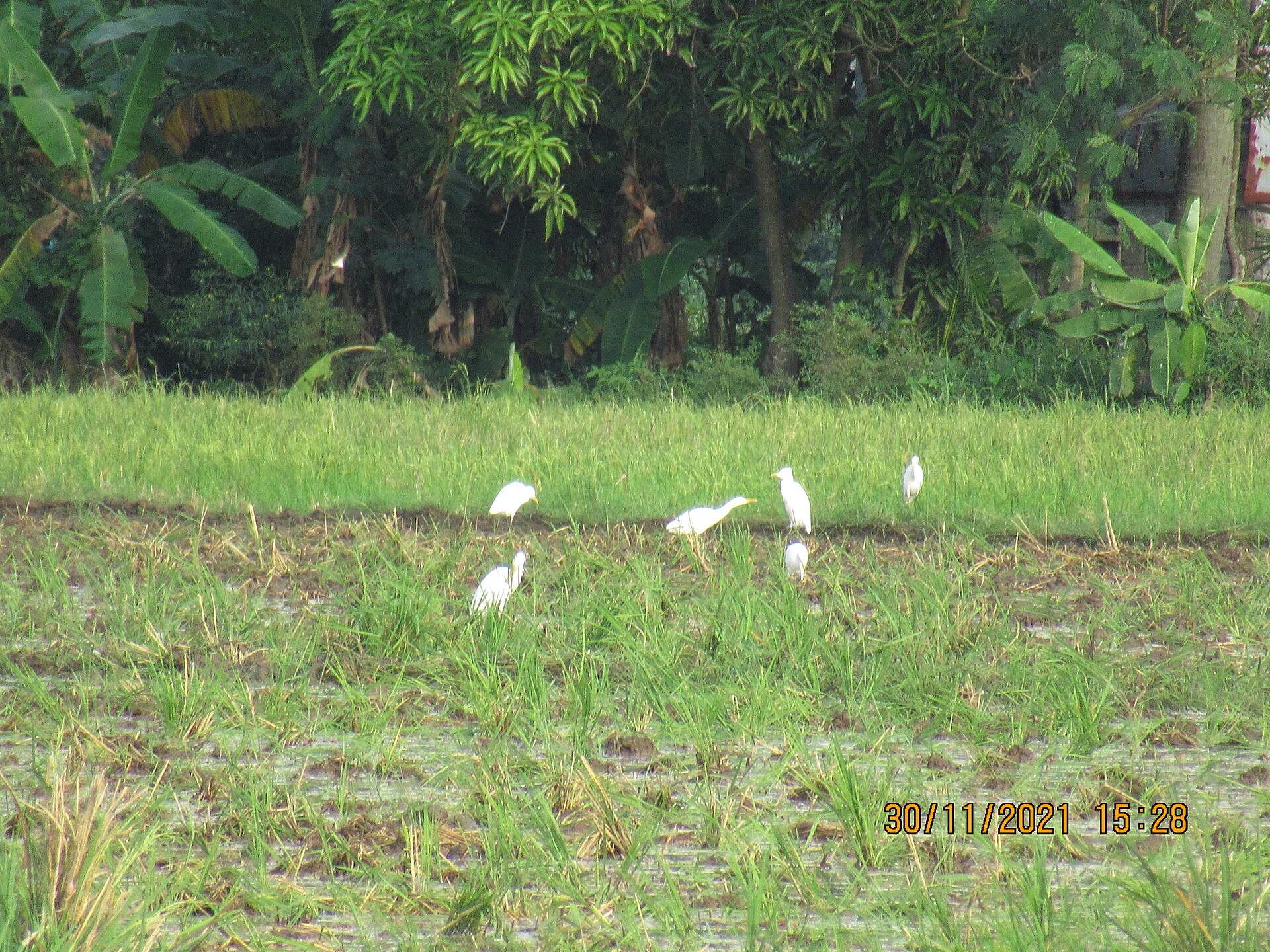
When observing migrating birds, responsible photography and visual recording are encouraged. Ensure any images or videos you capture are properly licensed or taken ethically in the wild, without disturbing the birds or their habitat. Recognizing key visual features is paramount for accurate identification, especially when birds are moving quickly or are in less familiar plumages:
