
Introduction
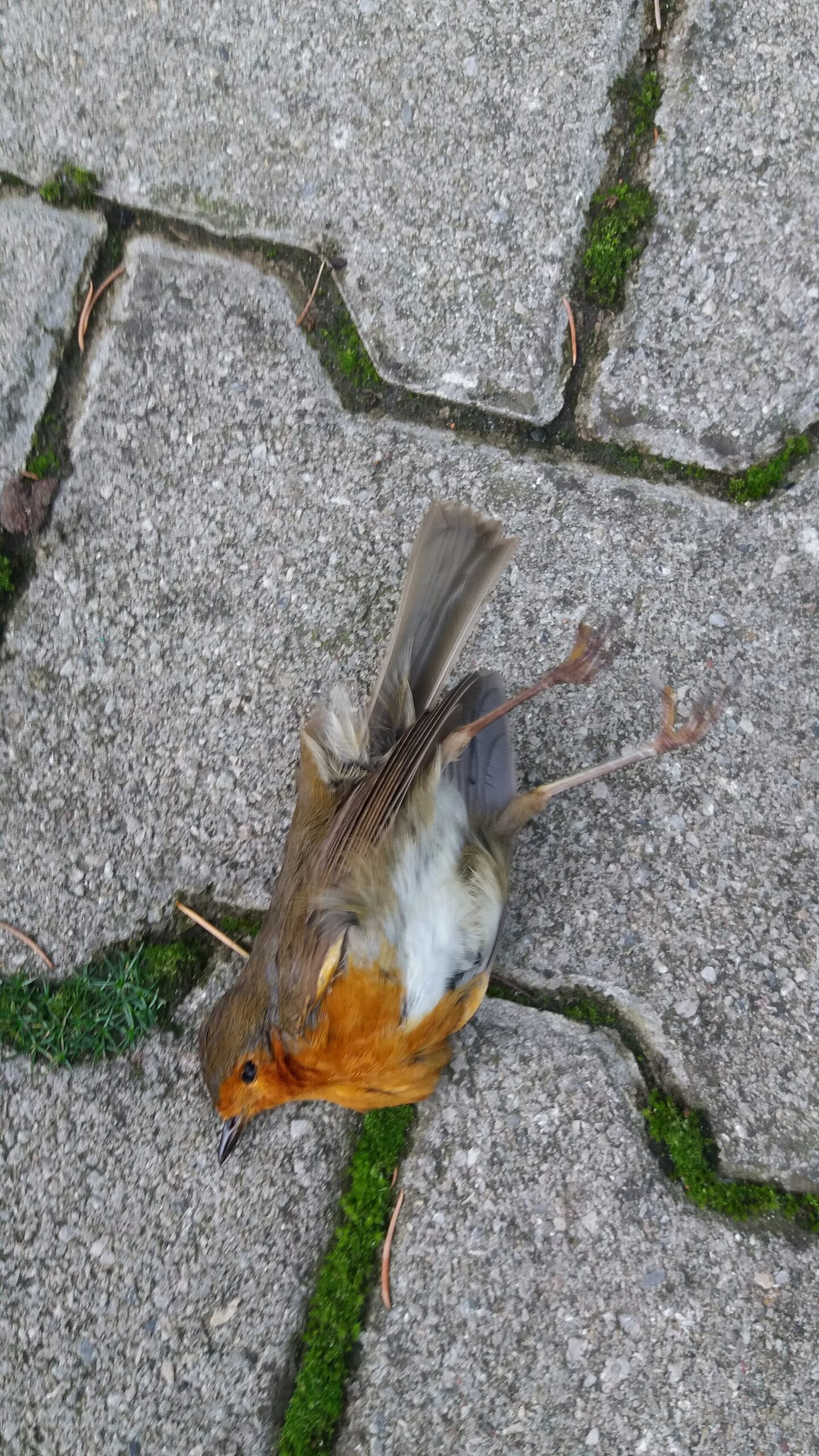
The sight of a bird tapping on a window, or worse, colliding with it, is a common and often distressing experience for many backyard birders. While it might seem like a peculiar or even aggressive act, understanding the reasons behind this behavior is crucial. This knowledge not only deepens our appreciation for avian life but also empowers us to implement effective, humane solutions to safeguard our feathered friends.
This guide delves into the world of bird perception, explores the various causes of window interactions, helps identify the species most commonly involved, and provides practical steps to transform your windows into bird-safe zones.
Why Do Birds Tap on Windows? Exploring the Causes
Birds interact with windows for a multitude of reasons, almost all of which are rooted in their natural instincts and unique ways of perceiving the world. For birds, glass is an anomaly; it’s a transparent or reflective surface that doesn’t exist in nature. This fundamental misunderstanding leads to a range of behaviors, from curious tapping to dangerous collisions.
Reflections and Visual Confusion: The Illusion of Open Space
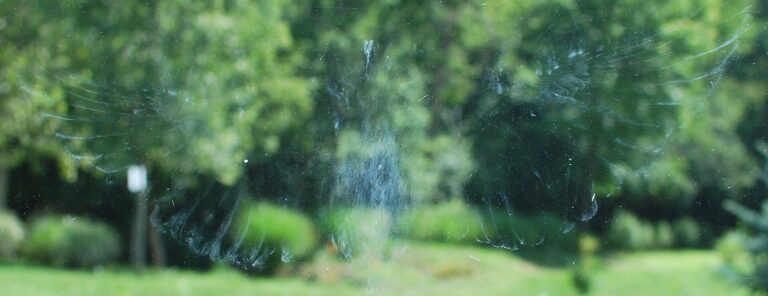
One of the most prevalent reasons birds tap on or collide with windows is the deceptive nature of reflections. To a bird, a window reflecting the sky, trees, or surrounding vegetation appears as an extension of their natural habitat, an open pathway, or a safe perch. This illusion is particularly potent during migration or in areas with lush landscaping.
When a bird sees its own reflection, especially during the breeding season, it often interprets this image as a rival intruder. Driven by strong territorial instincts, the bird will repeatedly tap, peck, or charge at the window to chase away what it perceives as a competitor for mates, food, or nesting sites. Species renowned for their territoriality, such as Northern Cardinals, American Robins, House Finches, and Eastern Bluebirds, are frequently observed engaging in this aggressive interaction with their reflections.
Misinterpretation of Light and Shadows: A Disorienting Dance
Beyond reflections, the interplay of light and shadow on glass can also profoundly confuse birds. Windows can act as giant mirrors, reflecting bright sunlight, especially during dawn and dusk. These intense reflections can disorient birds, making them misjudge distances or perceive a solid barrier as an inviting, illuminated space.
This misinterpretation is not limited to natural light. Bright indoor lights, especially at night, can attract nocturnal or crepuscular species, such as various warblers and thrushes, which are drawn to the light source. As they approach, they may tap at the glass or become disoriented and collide.
Attraction to Indoor Elements: A Lure from Within
Sometimes, the allure comes from inside the home. Birds possess keen eyesight and can be attracted to elements visible through the transparent glass. Indoor plants, especially vibrant or flowering ones, can appear as potential food sources. Similarly, bright decorative objects, pet birds in cages, or even the movement of people or pets inside can pique a bird’s curiosity.
They may tap or peck at the glass, attempting to reach what they perceive as an accessible resource. This behavior highlights how the transparency of glass presents a complex and often dangerous challenge for birds.
Accidental Collisions and Disorientation: The Invisible Barrier
While tapping is often a deliberate, albeit misguided, interaction, many window strikes are purely accidental collisions. Birds, particularly those in flight, simply do not perceive glass as a solid barrier. Whether fleeing from a predator or flying from one point to another, they may attempt to fly through what appears to be open space, only to meet an invisible, unyielding surface.
This disorientation is exacerbated during poor weather, such as fog, rain, or strong winds, and during periods of low light. Young, inexperienced birds are also particularly vulnerable to these accidental strikes.
Identifying the Birds Involved
While virtually any bird species can interact with windows, some are more frequently observed tapping or colliding. Understanding which species are most at risk in your area can help tailor your prevention strategies. Common backyard species frequently involved include:
- Northern Cardinal: Known for their vibrant red plumage and strong territorial instincts, cardinals are frequent offenders, often fighting their own reflection.
- American Robin: These common garden birds are highly territorial, especially during nesting season, leading them to confront reflections.
- House Finch: Adaptable and widespread, House Finches are often seen tapping at windows, particularly when attracted to indoor plants or feeders.
- Eastern Bluebird: With their striking blue and rust colors, bluebirds are also known for their territorial displays against window reflections.
- Song Sparrow: These small, melodic birds, while less aggressive, can still be confused by reflections or drawn to indoor elements.
- Mourning Dove: Often seen in pairs, these gentle birds can be disoriented by large reflective surfaces.
- Various Warbler Species: Especially during migration, these small, fast-flying birds are highly susceptible to collisions, particularly with large, clear windows.
- Hummingbirds: Attracted to bright colors and flowers, hummingbirds can sometimes tap at windows near feeders or colorful indoor plants.
Accurately identifying the species involved can provide valuable insights. For precise identification, consult local field guides, bird identification apps, or reputable online resources such as eBird or the Audubon Society’s bird guides.
Practical Solutions to Prevent Window Collisions
The good news is that many effective and humane strategies exist to mitigate window strikes. The core principle is to make glass surfaces more visible to birds or reduce their reflective qualities, thereby eliminating the deceptive illusions that lead to collisions.
Visual Deterrents and Markings: Breaking the Illusion
One of the most straightforward ways to prevent collisions is to make your windows visible to birds by applying visual deterrents directly to the glass. The key lies in the spacing of these markings. For birds to recognize the glass as a solid barrier, the deterrents must be spaced closely enough that a bird will not attempt to fly through the gaps.
A general rule of thumb, often called the “2×4 rule,” suggests that vertical stripes should be no more than 2 inches apart, and horizontal stripes no more than 4 inches apart. This spacing prevents birds from perceiving the gaps as safe flight paths.
- Decals and Stickers: A wide variety of bird-friendly decals are available, from subtle frosted patterns to more prominent shapes. For a DIY approach, you can cut shapes from contact paper or use non-toxic tempera paint to create temporary patterns.
- Tape and String: Applying strips of tape in vertical or horizontal patterns can be highly effective. Alternatively, hanging parallel strands of string or paracord on the outside of the window, spaced according to the 2×4 rule, creates a visible barrier without obstructing your view significantly.
- UV-Reflecting Markings: Some specialized products use patterns that reflect ultraviolet (UV) light. Birds can see UV light while humans generally cannot, offering an aesthetic solution that is highly visible to birds but nearly invisible to people.
When applying any of these, ensure they are on the outside surface of the glass for maximum effectiveness, as this is where the reflections occur.
Window Films and Screens: A Permanent Solution
For a more permanent and often less obtrusive solution, consider specialized window films or external screens:
- Frosted or Etched Films: These films adhere directly to the glass, reducing reflections and transparency and making the window clearly visible to birds. While they reduce light and obscure the view, they are highly effective.
- Perforated Films: These films have tiny holes that allow light to pass through. From the outside, they appear solid, but from the inside they offer a relatively clear view out, balancing bird safety and aesthetics.
- External Window Screens: Installing standard insect screens on the outside of windows breaks up reflections and provides a physical barrier. Even if a bird flies toward the window, it will encounter the soft screen first, preventing a hard impact.
External Physical Barriers: Creating a Buffer Zone
Beyond direct window treatments, creating physical barriers around your windows can also prevent collisions:
- Netting: Hanging fine mesh netting a few inches away from the window creates a soft, forgiving barrier. Ensure the netting is taut and securely attached to prevent birds from becoming entangled.
- Awnings and Overhangs: Installing awnings or deep overhangs above windows can significantly reduce reflections by shading the glass, particularly effective for windows that receive direct sunlight.
Reducing Reflections and Light Pollution: Environmental Adjustments
Sometimes, simple adjustments to your home environment can make a big difference:
- Close Curtains and Blinds: During peak migration seasons (spring and fall), and especially at dawn and dusk when reflections are strongest, drawing curtains, blinds, or shades can dramatically reduce the reflective qualities of your windows.
- Turn Off Unnecessary Lights: At night, particularly during migration, turn off interior lights in rooms not in use. For exterior lighting, use motion-sensor lights or direct lights downward to minimize light pollution.
- Relocate Bird Feeders and Baths: Place feeders either very close (within 3 feet) or very far (more than 30 feet) from windows. When a feeder is very close, a startled bird gains minimal speed before hitting the window; when it’s far away, birds have space to react. Intermediate distances (3-30 feet) can be the most dangerous.
Creating Safe Habitat and Bird-Friendly Landscaping: Thoughtful Design
Your landscaping choices can also play a vital role in preventing window strikes:
- Strategic Planting: Plant native shrubs and trees away from windows so they don’t create strong reflections or provide launch points for birds to fly into the glass.
- Avoid Reflective Garden Ornaments: Be mindful of highly reflective garden ornaments, birdbaths, or furniture that might create additional confusing reflections.
Additional Resources and Further Reading
For more in-depth guidance, scientific research, and community initiatives, consult reputable conservation organizations:
- The Audubon Society offers comprehensive guides on bird-friendly homes and landscaping, including detailed information on preventing window collisions.
- The American Bird Conservancy (ABC) is a leading organization dedicated to bird conservation with extensive information on bird-safe building design and collision prevention.
- The RSPB (Royal Society for the Protection of Birds) provides excellent advice for bird-friendly gardens and homes.
- Local wildlife agencies, nature centers, and university extension programs often have region-specific advice.
Conclusion
Understanding why birds interact with windows is the cornerstone of fostering a safer environment for our avian neighbors. By recognizing the deceptive nature of reflections, the disorienting effects of light, and the pull of territorial instincts, we can begin to see the world from a bird’s perspective. The good news is that preventing window collisions doesn’t require drastic measures; often, small, thoughtful adjustments yield significant results.
From applying simple decals and tapes to strategically placing feeders and using bird-friendly landscaping, every effort contributes to a safer world for birds. Making your windows bird-safe is a tangible act of conservation, demonstrating a commitment to the well-being of local bird populations.
Related reading: Hummingbird nectar ratio: the exact sugar-to-water formula and How often to change hummingbird feeder nectar and Hummingbird feeder sugar calculator.
