
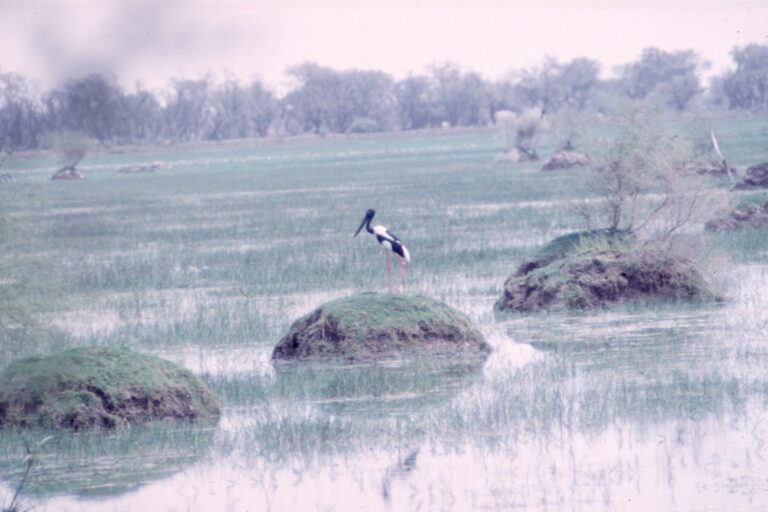
Introduction: Unlocking the Secrets of Shallow Water Birds
Shallow water habitats—ranging from tranquil ponds and bustling marshes to expansive wetlands and the edges of lakes—are among the most captivating and rewarding environments for birdwatchers. These dynamic ecosystems teem with life, hosting an astonishing diversity of bird species uniquely adapted to forage, nest, and thrive in these watery landscapes.
For both novice and seasoned birders, learning to identify these specialized birds can profoundly enrich the birding experience, deepen understanding of critical wetland ecosystems, and even contribute valuable data to citizen science initiatives.
This comprehensive guide is designed to empower bird enthusiasts with the practical skills needed to confidently identify common waterbirds found in shallow habitats. We will look at a systematic approach, emphasizing key features such as size, shape, plumage, bill morphology, leg structure, and, crucially, behavior. By combining these visual and behavioral observations, you can significantly improve your identification accuracy.
Remember, successful bird identification is often a process of elimination and pattern recognition, best achieved by integrating field observations with reliable field guides and online resources.
The Fundamentals: Understanding Key Features of Shallow Water Birds
Before diving into specific species, it’s essential to understand the fundamental characteristics that differentiate groups of shallow water birds. Developing an eye for these basic distinctions will serve as your primary filter, quickly narrowing down possibilities.
1. Size and Overall Shape (Silhouette)
Size: This is your initial, most fundamental clue. Is the bird tiny, like a sparrow? Medium, like a pigeon or crow? Or large, like a goose or heron? Comparing its size to familiar objects or other birds in the vicinity can provide a quick reference. For instance, a bird roughly the size of a pigeon but with longer legs immediately suggests a different group than a small, plump duck.
Shape/Silhouette: Beyond mere size, the overall outline or silhouette of a bird is incredibly diagnostic. Consider the following:
- Long-legged, long-necked waders: Think herons, egrets, and cranes. They appear tall and often slender, with necks that can be extended or S-curved. Their bodies are typically more streamlined than ducks, built for wading rather than swimming.
- Compact, rounded-bodied swimmers: Dabbling ducks, coots, and grebes often have more squat, streamlined bodies adapted for buoyancy and propulsion in water. Their legs are usually shorter and set further back.
- Slender, often stooped shorebirds: Sandpipers and plovers typically have more delicate builds, often with a characteristic ‘hunched’ posture when foraging. Their legs are usually medium-length, adapted for walking on mudflats.
Practical Example: Spotting a large, gray bird with exceptionally long legs and a long, S-curved neck immediately points you towards a Great Blue Heron, even before you see its plumage details. Conversely, a small, dark, chicken-like bird swimming with a bobbing head is likely an American Coot, not a duck. If you see a small, plump bird with a short neck and a pointed bill diving repeatedly, you’re likely looking at a grebe.
2. Plumage and Coloration: More Than Just Pretty Colors
While often the first thing that catches our eye, plumage details require careful observation, as they can vary by age, sex, and season. Pay attention to:
- Overall color scheme: Is it mostly white, gray, brown, or a mix of vibrant colors? Note the dominant colors on the back, breast, and head.
- Distinctive markings: Look for specific patterns on the head (caps, stripes, eye-rings, crests), breastbands, wing patches (speculums on ducks, often iridescent), or tail patterns. Are there any spots, streaks, or bars?
- Contrast: Are there sharp contrasts between different body parts, like a dark head on a white body or a white belly contrasting with a dark back?
Identification Caution: Be aware of seasonal plumage changes. Many species, especially ducks and shorebirds, have duller non-breeding (basic) plumage and more vibrant breeding (alternate) plumage. Juveniles also often have different patterns than adults. For example, a male Mallard is unmistakable with its iridescent green head, but a female or juvenile Mallard is mottled brown and can be confused with other female dabblers.
Similarly, many shorebirds in fall migration can be a challenging uniform gray-brown, requiring closer attention to structure and behavior.
3. Bill Shape and Size: The Ultimate Tool
The bill is perhaps the most specialized and telling feature, directly reflecting a bird’s feeding strategy. Observe its length, thickness, curvature, and color:
- Long, pointed, dagger-like: Ideal for spearing fish and amphibians (e.g., herons, egrets). These bills are often straight and robust.
- Broad, flat, spatulate: Perfect for filter-feeding or dabbling for vegetation and small invertebrates (e.g., dabbling ducks like Mallards, Northern Shovelers). These bills act like sieves.
- Slender, often slightly curved (up or down): Suited for probing mud or sand for invertebrates (e.g., sandpipers, dowitchers). The degree of curvature and length can be key identifiers.
- Short, stout, conical: For pecking at seeds or insects (less common in true waterbirds but seen in some marsh-dwelling species like rails).
- Thin, pointed, and often colorful: Found in diving birds like grebes, adapted for catching small fish and aquatic insects.
Practical Example: If you see a duck with an unusually large, spoon-shaped bill, you can be almost certain it’s a Northern Shoveler, even from a distance. The bill’s unique structure is an adaptation for sifting small organisms from the water. Conversely, a bird with a long, needle-thin bill that it uses to rapidly probe deep into mud is likely a dowitcher, distinct from a sandpiper with a shorter, less specialized bill.
4. Leg Length and Position: Wading vs. Swimming
The length and position of a bird’s legs are crucial indicators of its preferred foraging depth and mobility:
- Very long legs: Allow birds to wade into deeper water without submerging their bodies (e.g., Great Egrets, Sandhill Cranes). These birds are built for standing and walking in water.
- Medium-length legs: Common in shorebirds that forage along the water’s edge or in very shallow mudflats (e.g., Killdeer, Lesser Yellowlegs). They are agile walkers and runners.
- Short legs, set far back on the body: Excellent for propulsion in water, but make walking on land awkward (e.g., grebes, loons, diving ducks). These birds are highly aquatic and often appear clumsy on shore.
- Leg Color: Don’t forget leg color! It can be a critical field mark. Are they black, yellow, greenish, or reddish? For example, Great Egrets have black legs, while Snowy Egrets have black legs with bright yellow feet.
Practical Example: A small bird with relatively long, bright yellow legs probing in shallow water is highly likely to be a Lesser or Greater Yellowlegs, distinguishing it from other shorebirds with darker or shorter legs. If you see a bird that seems to struggle to walk on land but is an expert diver, its short, far-back legs immediately suggest a grebe or loon.
5. Behavior and Movement: What the Bird Does
A bird’s actions—how it feeds, flies, swims, or interacts—are often as diagnostic as its appearance. Pay close attention to:
- Feeding style: Does it dabble (tip head-down), dive completely, stalk slowly, run and peck, or probe with its bill? Does it use its feet to stir up prey?
- Flight pattern: Does it fly with rapid wingbeats, glide on stiff wings, or have a buoyant, erratic flight? Are its legs extended or tucked in flight? Do its wings make a whistling sound?
- Swimming style: Does it sit high or low in the water? Does its head bob constantly (like a coot)? Does it dive frequently and stay submerged for long periods (like a grebe)? Does it leave a wake?
- Social behavior: Is it solitary, in small groups, or large flocks? Does it interact aggressively with other species? Is it shy and secretive, or bold and visible?
Practical Example: Observing a duck repeatedly tipping its rear end up while its head is submerged is characteristic dabbling behavior, immediately ruling out diving ducks. Similarly, a bird that stands motionless for long periods before striking quickly with its bill is almost certainly a heron or egret.
A small, dark bird that constantly bobs its head while swimming and occasionally dives is a strong indicator of an American Coot or a grebe, depending on other features.
Common Waterbirds in Shallow Habitats: A Closer Look
Let’s apply these principles to some of the most frequently encountered shallow water birds.
Herons and Egrets: The Stalkers of the Shallows
These majestic birds are quintessential shallow water inhabitants. They are characterized by their tall stature, long legs, and long, S-curved necks (though often extended in flight or when alert). Their primary feeding strategy is patient stalking, followed by a swift strike with their dagger-like bills. They typically fly with their necks tucked in an S-shape and legs extended behind them.
- Great Blue Heron: The largest and most widespread heron in North America. Gray-blue plumage, often with a shaggy crest and rusty thighs. Flies with slow, deep wingbeats, neck tucked into an S-shape. Can be found in almost any shallow water body, from coastal marshes to mountain streams.
- Great Egret: Pure white plumage, long black legs, and a striking yellow bill. Often seen standing motionless or slowly wading with an elegant posture. Its elegant plumes were once highly sought after, leading to conservation efforts that helped bring them back from the brink.
- Snowy Egret: Smaller than the Great Egret, with pure white plumage, black legs, and distinctive bright yellow feet (often called ‘golden slippers’). More active in its foraging, often shuffling its feet to stir up prey. Its yellow feet are a key distinguishing feature from the Great Egret.
- Green Heron: A smaller, stockier heron with a dark, iridescent green back, chestnut neck, and short yellow legs. Often perches low over the water or stalks stealthily from dense vegetation. Known for using ‘bait’ to lure fish, dropping insects or berries onto the water’s surface.
- Black-crowned Night-Heron: A stocky, short-necked heron with a black cap and back, white underparts, and red eyes. Primarily nocturnal, but often seen roosting during the day or foraging at dawn/dusk. Juveniles are streaky brown and can be tricky to identify.
Identification Caution: Distinguishing between juvenile night-herons and other herons can be tricky due to their streaky brown plumage. Focus on their stockier build, shorter neck, and often more nocturnal habits. Also, remember that some herons, like the Little Blue Heron, have white juvenile plumage before molting into their adult blue. Always note bill color and leg color carefully.
Shorebirds (Plovers, Sandpipers, and Allies): The Mudflat Probers
This diverse group primarily forages along the water’s edge, mudflats, and sandy shores. They generally have slender bodies, relatively long legs, and bills adapted for probing. Many are migratory, making their appearance seasonal and often challenging to identify due to subtle differences and varying plumages.
- Killdeer: Not strictly a wetland bird, but often found in wet fields, pond edges, and even lawns. Distinctive double black breastbands, brown back, and a loud, piercing ‘kill-deer’ call. Known for its ‘broken-wing’ display to distract predators from its nest.
- Spotted Sandpiper: Medium-sized, with a distinctive teetering gait (constantly bobbing its tail). Brownish-gray back, white belly with prominent black spots in breeding plumage. Often solitary and found along stream banks or lake edges.
- Least Sandpiper: The smallest North American shorebird. Dark brown back, yellowish legs, and a slightly drooping bill. Often found in muddy areas, moving quickly. Its small size and yellowish legs are key field marks.
- Greater and Lesser Yellowlegs: Similar in appearance, both with long, bright yellow legs and a slender, straight bill. Greater Yellowlegs is larger (about crow-sized) with a slightly upturned bill and a louder, three-note call. Lesser Yellowlegs is smaller (about robin-sized) with a straighter bill and a two-note call. Observe them side-by-side if possible for size comparison.
- Piping Plover: Small, pale plover with a single black breastband (often incomplete) and orange legs. Endangered in many areas, often found on sandy beaches or mudflats. Its pale coloration helps it blend into sandy environments.
- Willet: A large, gray shorebird that is rather plain when standing, but reveals striking black and white wing patterns in flight. Has a long, straight, stout bill. Often found in salt marshes and coastal mudflats.
Identification Caution: Shorebirds are notoriously challenging due to their subtle plumage differences, especially during migration (when many are in duller non-breeding plumage) and when juveniles are present. Always note bill shape/length, leg color, size relative to other shorebirds, and specific calls. Pay attention to their foraging style – do they probe, pick, or run and stop? A good field guide with side-by-side comparisons of similar species is essential.
Dabbling Ducks: The Surface Feeders
These ducks feed primarily by tipping their bodies forward, submerging their heads and necks to reach aquatic vegetation and invertebrates just below the surface. They typically have broad, flat bills and can take off directly from the water with a powerful leap, unlike diving ducks which need a running start. They often sit high on the water.
- Mallard: The most recognizable duck. Males have an iridescent green head, white neck ring, chestnut breast, and gray body. Females are mottled brown. Both sexes have a blue speculum (wing patch) bordered by white. Highly adaptable and found in almost any shallow water body.
- American Black Duck: Similar in size and shape to a Mallard but much darker, appearing uniformly sooty black or dark brown. Males and females look similar, though males have a slightly yellower bill. Often found in brackish or saltwater marshes, but also freshwater.
- Northern Shoveler: Unmistakable due to its enormous, spatulate bill. Males have a green head, white breast, and rusty flanks. Females are mottled brown. Their unique bill is a specialized filter-feeding apparatus.
- Green-winged Teal: Small, fast-flying duck. Males have a chestnut head with an iridescent green stripe through the eye, a vertical white stripe on the flank, and a green speculum. Females are mottled brown with a green speculum. Often found in shallow ponds and flooded fields.
- Wood Duck: Arguably one of the most beautiful ducks. Males have iridescent green, blue, and purple plumage, a distinctive crest, and red eyes. Females are grayish-brown with a white eye-patch. Often found in wooded swamps and ponds, nesting in tree cavities.
- Gadwall: A grayish-brown duck with a black rear end. Males have a black bill and a white speculum, which is a key identification feature, especially in flight. Females are mottled brown with an orange-sided bill.
Identification Caution: Female dabbling ducks can be very difficult to distinguish. Focus on bill color, speculum color (if visible), and subtle head markings. Observing them with a male of the species can also be a helpful clue, as they often associate. Pay attention to their overall body shape and how they sit in the water.
Other Notable Shallow Water Birds
- American Coot: A common, dark, chicken-like bird with a distinctive white bill and frontal shield. Swims with a constant head-bobbing motion. Not a duck, but a member of the rail family. Their lobed feet are visible in good views. Often seen grazing on emergent vegetation near the water’s edge.
- Pied-billed Grebe: Small, compact diving bird with a short, stout bill that shows a black band in breeding plumage. Often seen diving for fish and resurfacing unexpectedly. Its plumage is drab brown and white. They sit very low in the water.
- Rails and Gallinules: Often secretive and difficult to see, these marsh birds are typically shy and prefer dense vegetation. Rails are slender, often with long toes, and inhabit dense reeds. Common Gallinules are dark with a red frontal shield and yellow-tipped red bill, resembling a small coot but with a different bill and often more visible legs. They often flick their tails, revealing white undertail coverts.
- Kingfisher (Belted Kingfisher): While not strictly a waterbird in the same sense as ducks or herons, the Belted Kingfisher is an unmistakable shallow water predator. A stocky bird with a shaggy crest, blue-gray back, white belly, and a prominent rusty band across the breast (females have a second rusty band). Known for its distinctive rattling call and its habit of diving headfirst into water to catch fish. Often perches on branches overlooking water.
Practical Field-Identification Tips for Success
Mastering bird identification in shallow water requires a systematic approach and patience:
- Start Broad, Then Narrow Down: First, determine the general group (heron, duck, shorebird, grebe). This initial classification is crucial. Then, focus on specific features like bill shape, leg color, plumage details, and size within that group.
- Use Quality Optics: A good pair of binoculars (8×42 or 10×42 are popular choices) is indispensable for observing fine details like eye-rings, subtle plumage patterns, or bill coloration. A spotting scope can be invaluable for distant birds, especially for shorebirds on expansive mudflats or ducks in the middle of a large pond, allowing you to see minute differences.
- Note the Habitat Precisely: Is it a freshwater pond, a brackish marsh, a tidal mudflat, a fast-flowing stream edge, or a slow-moving river? Some species are highly habitat-specific, and knowing the habitat can immediately rule out many possibilities. For example, a bird in a dense cattail marsh is more likely to be a rail than a plover.
- Observe Flight Patterns: How does the bird take off? Does it fly with legs extended or tucked? What is the wingbeat like (rapid, slow, gliding)? What color are the underwings? For example, ducks often have rapid wingbeats, while herons have slow, deliberate ones. Willets show a striking black and white wing pattern in flight that is invisible when they are standing.
- Listen for Calls: Many waterbirds have distinctive calls that can be a primary identification cue, especially when visibility is poor (e.g., dense fog, early morning) or for secretive species. Learn common calls for your area using apps or online resources. The piercing ‘kill-deer’ of a Killdeer or the rattling call of a Belted Kingfisher are unmistakable.
- Look for Behavioral Clues: As discussed, feeding style, swimming posture, and social interactions are powerful identifiers. Does it dive, dabble, stalk, or probe? Does it pump its tail? Does it constantly bob its head? These actions are often more consistent than plumage and can be seen from a greater distance.
- Consider Seasonal and Age Variations: Always factor in the time of year and the possibility of juvenile or non-breeding plumage. Field guides will illustrate these variations, and understanding them prevents misidentification. A juvenile White Ibis, for instance, looks very different from an adult.
- Sketch or Take Notes: Even a quick sketch or bulleted list of observations (size, color, bill, legs, behavior, habitat, time) can be incredibly helpful when consulting a field guide later. Don’t rely solely on memory. Note what you *did* see, not what you *think* you saw.
- Take Photos (if possible): A camera, even a smartphone with a decent zoom, can capture details you might miss in the moment, allowing for later review and consultation with field guides or online communities. Even a blurry photo can sometimes provide a critical clue.
- Be Patient and Persistent: Bird identification is a skill that develops over time. Don’t get discouraged by initial challenges. The more you observe, the more patterns you’ll recognize, and the more confident you’ll become.
Leveraging Resources and References
No birder operates in a vacuum. A combination of field experience and reliable resources is key to continuous improvement:
- Regional Field Guides: Invest in a good field guide specific to your geographic area. Guides like The Sibley Guide to Birds, National Geographic Field Guide to the Birds of North America, or regional guides by Audubon or Peterson are excellent. They provide illustrations, range maps, and descriptions of similar species, often highlighting key distinguishing features.
- Online Databases: eBird (from Cornell Lab of Ornithology) is an invaluable tool for checking recent sightings, range maps, and photos. It’s also a platform for citizen science, allowing you to contribute your observations and learn from others.
- Bird Identification Apps: Many excellent apps are available (e.g., Merlin Bird ID, Audubon Bird Guide) that offer calls, photos, and identification assistance, often using AI to suggest identifications based on your photos or recordings. These can be incredibly helpful in the field.
- Local Birding Groups: Join a local Audubon chapter or birding club. Experienced birders are often eager to share their knowledge, and group outings provide fantastic learning opportunities, allowing you to learn from experts in real-time.
- Online Forums and Social Media: Platforms like Facebook groups dedicated to bird identification can be helpful for getting feedback on challenging photos, but always cross-reference with authoritative sources to ensure accuracy.
When using images for identification, ensure they are properly licensed or from reputable sources like Wikimedia Commons or eBird, which often have photos contributed by experienced birders. Always prioritize information from scientific and ornithological organizations.
Conclusion: A Lifelong Journey of Discovery
Identifying birds in shallow water habitats is a deeply rewarding aspect of birding that blends keen visual observation with an understanding of behavioral ecology. By systematically applying the principles of size, shape, plumage, bill and leg morphology, and—critically—behavior, birders can confidently distinguish among the diverse and fascinating species that call these wetlands home.
Remember that bird identification is a continuous learning process, enriched by patience, persistent observation, and the judicious use of field guides, online resources, and the collective knowledge of the birding community. Every outing offers a new opportunity for discovery and a deeper connection to the natural world. Happy birding!
Featured image: licensed image via Wikimedia Commons. Credit: Garst, Warren, 1922-2016, photographer. License: CC BY-SA 4.0. Used with attribution.
